



Is Lap‑Style Fiber Cement Board Cheaper Than Vertical Panels?
Yes, lap‑style fiber cement boards are generally cheaper than vertical panels. Their manufacturing and installation processes are more standardized, reducing labor cost.
TRUSUS design insight: price follows pattern, but style defines value.
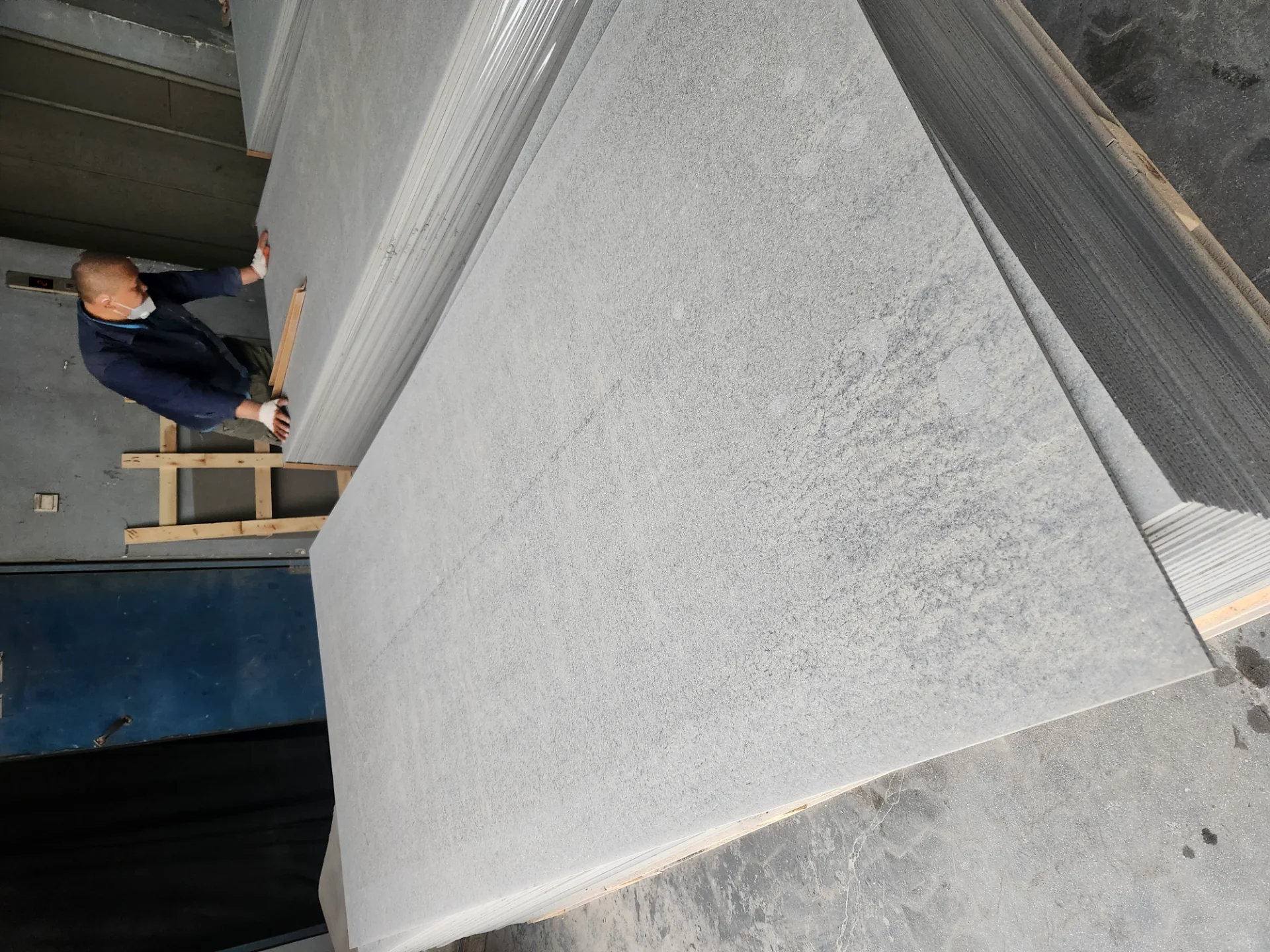
Lap boards fit traditional residential settings, offering a classic layered texture. Vertical panels, on the other hand, suit modern architecture with clean lines and minimal seams. Cost difference often reflects aesthetic choice rather than quality difference—horizontal warmth vs. vertical order.
Can You Get A Smooth “Modern” Finish With Fiber Cement Board?
Yes, fiber cement board can achieve a smooth, modern finish through polishing or factory coating. It can look sleek like painted concrete or metal cladding.
TRUSUS aesthetic insight: smoothness is the language of modern clarity.
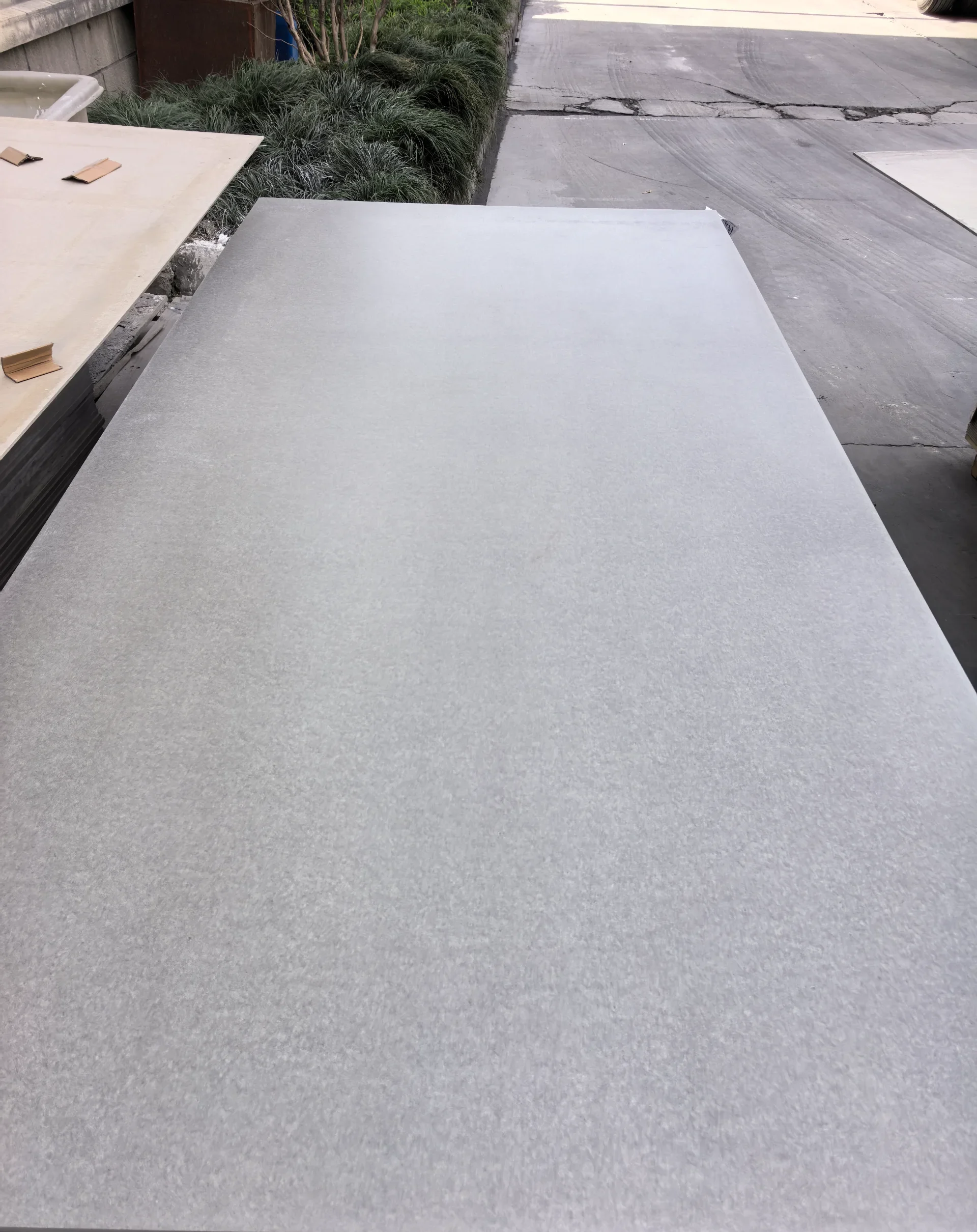
Surface Treatment Comparison
| Finish Type | Texture | Application | Visual Effect |
|---|---|---|---|
| Plain smooth | Flat, paint‑ready | Contemporary homes, offices | Minimalism and purity |
| Semi‑polished | Slight sheen | Retail façades | Soft reflection and depth |
| Factory pre‑coated | Uniform gloss | Large projects | Consistency and easy maintenance |
| Mineral pattern | Concrete‑like touch | Industrial style buildings | Authentic raw look |
I once worked with an architect who used 12 mm smooth panels on a gallery façade. Visitors thought it was solid stone, yet it weighed less and aged better.
Does Wood‑Grain Fiber Cement Board Look Like Real Cedar?
Yes, wood‑grain fiber cement board can closely resemble real cedar in texture and tone. Its embossed pattern imitates natural fiber direction while keeping moisture resistance high.
TRUSUS texture insight: resemblance without weakness is modern beauty.
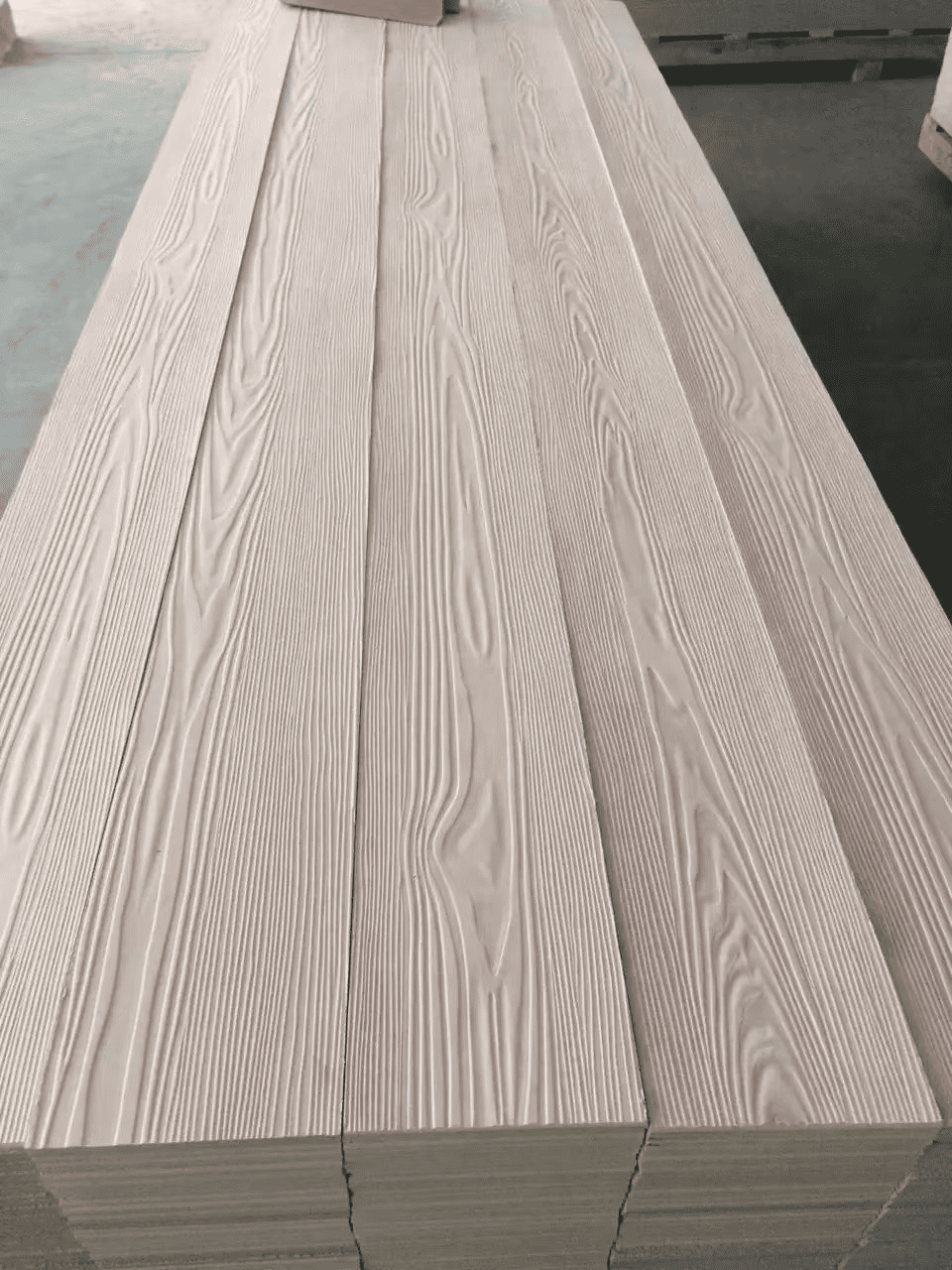
Cedar Style Comparison
| Feature | Fiber Cement Wood‑Grain | Natural Cedar |
|---|---|---|
| Appearance | Highly realistic grain | Authentic natural fiber |
| Maintenance | Low, repaint every 10 years | High, needs seasonal oiling |
| Durability | Resistant to rot and insects | Vulnerable to weathering |
| Fire Resistance | Excellent | Moderate |
| Cost Over Time | Stable, economical | Increasing due to treatment |
I’ve seen projects where even builders mistook fiber cement for timber from a distance—it kept its tone for years while wood faded within seasons.
Are Shingles Made From Fiber Cement Board Durable In High Winds?
Yes, fiber cement shingles are highly durable in high‑wind environments. Their density and structural consistency minimize deformation under changing pressure loads.
TRUSUS performance insight: lightweight doesn’t mean fragile.
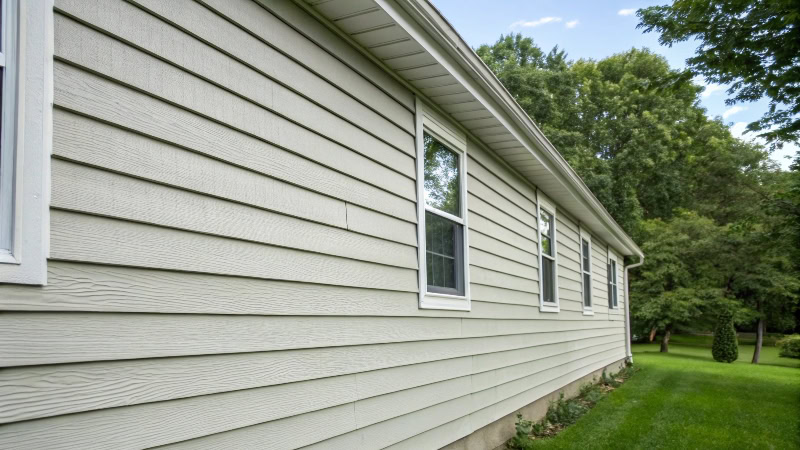
High‑Wind Durability Chart
| Factor | Fiber Cement Shingle | Wood Shingle |
|---|---|---|
| Tensile Strength | High | Moderate |
| Anchoring Grip | Firm - minimal lift | Variable |
| Wind Rating | Up to 120 mph (tested) | Usually < 80 mph |
| Moisture Response | Stable dimensions | Expands and contracts |
| Lifespan | 30–50 years | 20–25 years |
In a coastal project I observed, fiber cement shingles stayed intact after a severe storm, while nearby wood facades needed partial replacement. Strength balanced by lightness made the difference.
Conclusion
At TRUSUS, I see fiber cement board as more than replacement material—it’s a designer’s medium. Whether smooth, grained, horizontal, or vertical, each form turns simple wall panels into architectural storytelling.