




Is It Safe to Use Fiber Cement Board for Indoor Furniture and Decor?
Yes, fiber cement board can be safely used indoors if handled and sealed properly. Modern formulas are non‑toxic and free from asbestos or harmful additives.
TRUSUS safety insight: safety starts with production, and continues in use.
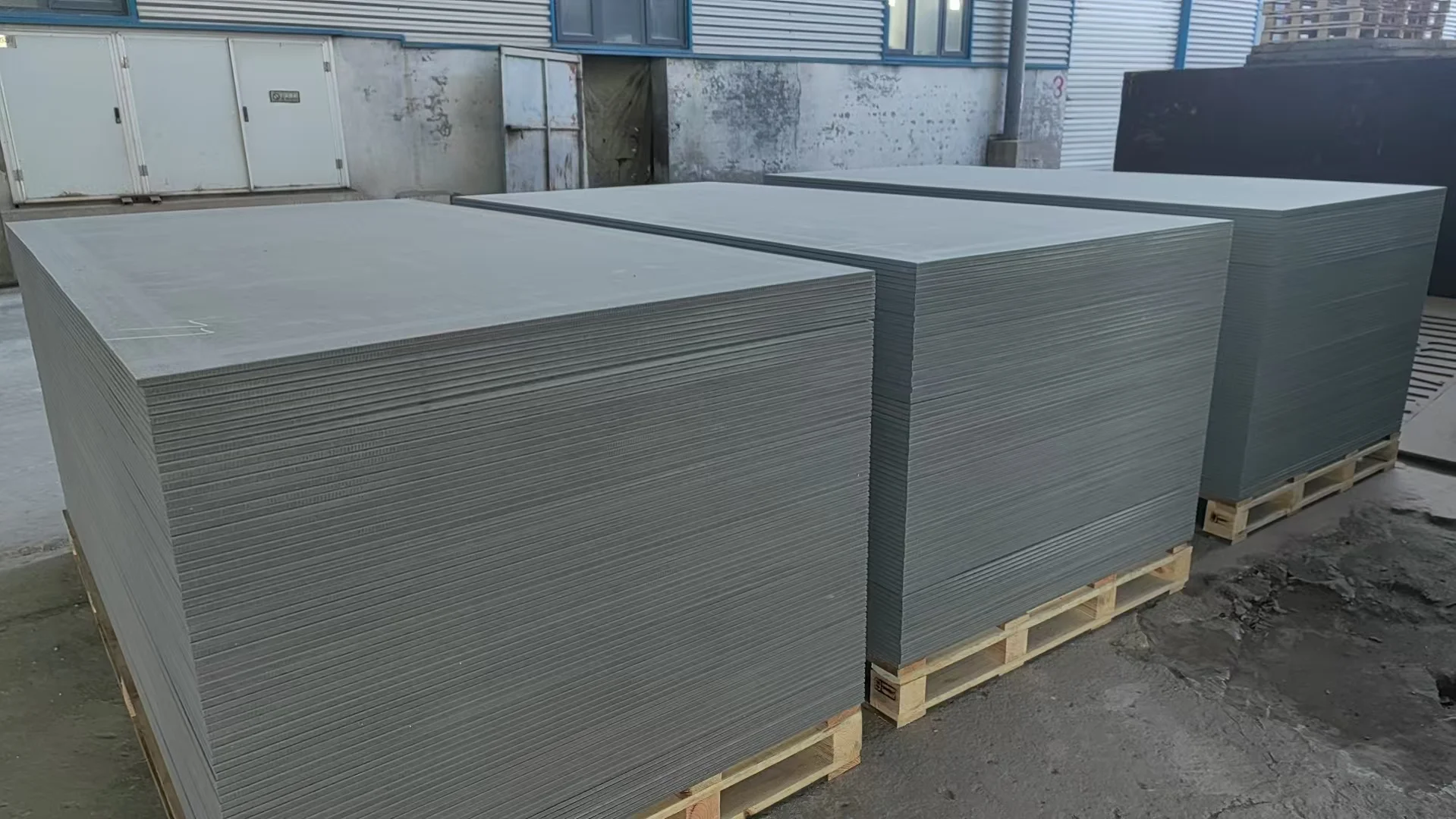
When used for furniture or walls, surface sealing prevents dust release and moisture absorption. I’ve supplied panels for kitchen counters and shelving, proving its durability and inert nature in living spaces.
What Are the OSHA Requirements for Cutting Fiber Cement Board On‑Site?
OSHA requires controlling silica dust exposure during cutting. Wet cutting tools, local exhaust ventilation, and respirators are mandatory.
TRUSUS compliance insight: clean air equals safe work.
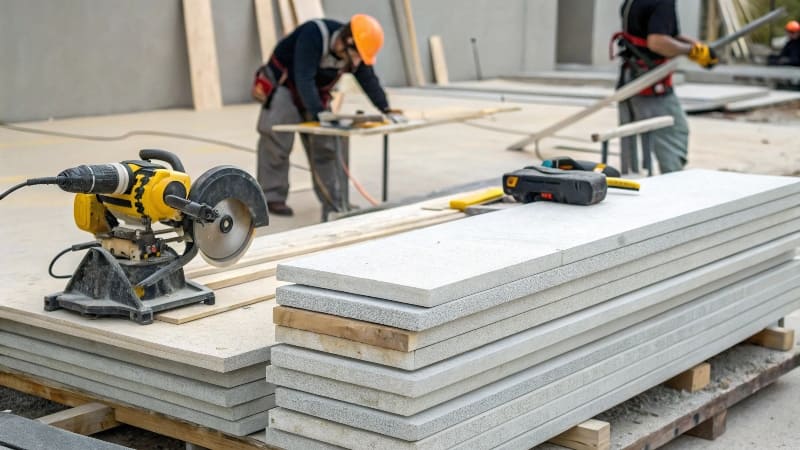
OSHA Control Practices
| Requirement | Description | Purpose |
|---|---|---|
| Wet saw or shears | Use water to suppress dust | Reduces airborne silica |
| Local exhaust system | Capture dust at source | Keeps environment safe |
| Respiratory protection | N95 or higher masks | Protects workers’ lungs |
| Training & signage | Safety instruction on site | Ensures awareness and compliance |
I once visited a job site where workers cut dry without water or masks. Within minutes, dust filled the area. After showing OSHA guidance and adding a simple wet‑cutting system, that same crew never worked unprotected again.
Does Fiber Cement Board Emit Toxic Gases During a High‑Temperature Fire?
No, fiber cement board is non‑combustible and does not emit toxic gases. It remains chemically stable even under high heat.
TRUSUS fire insight: heat may destroy structure, but not release poison.
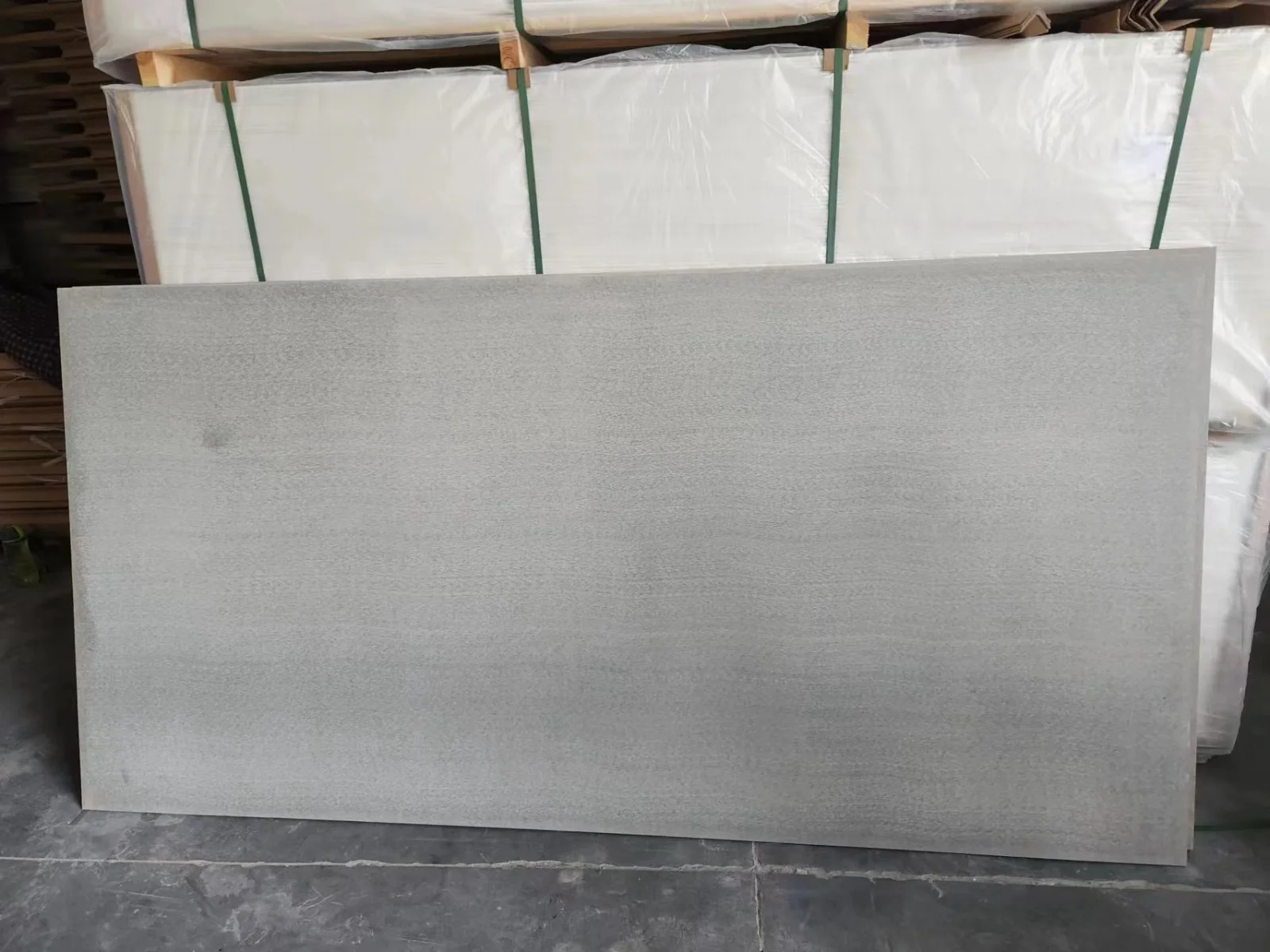
Fire Behavior Facts
| Feature | Description |
|---|---|
| Material type | Portland cement + cellulose fiber |
| Combustibility | Non‑combustible |
| Smoke emission | None under typical fire exposure |
| Fire rating | Up to 2 hours depending on thickness |
I tested panels during fire resistance certification—the smell was simply “dust,” not chemical. That moment reminded me why fiber cement became the preferred choice in safety‑sensitive buildings like schools and hospitals.
How Can You Tell if an Old Cement Board Contains Hazardous Materials?
Old cement boards made before the late 1980s may contain asbestos fibers. Identify by age, manufacturer label, or professional lab testing.
TRUSUS awareness insight: don’t guess—verify.
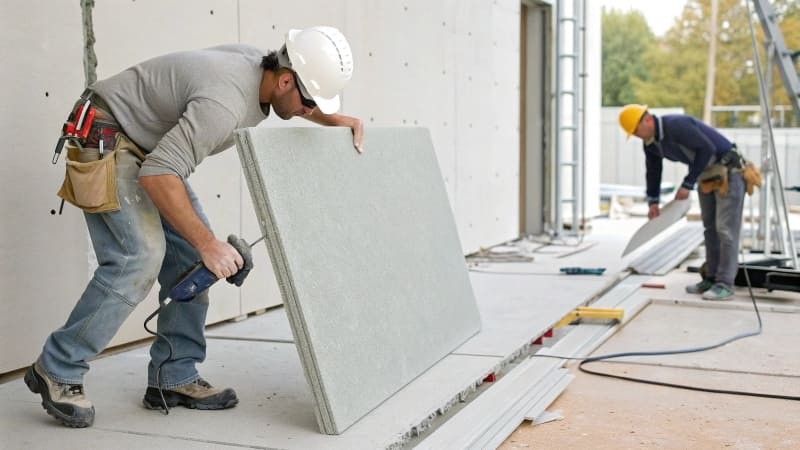
Safe Identification Procedure
| Step | Action | Goal |
|---|---|---|
| Visual inspection | Check date, brand, or texture | Find possible age clues |
| Consult documents | Review building records | Confirm product type |
| Lab test sample | Send small sample to certified lab | Detect asbestos or silica |
| Professional removal | Hire licensed abatement service | Avoid exposure risk |
I once had a client restoring an old factory who wanted to reuse panels. We took samples instead of guessing; the lab confirmed they were asbestos‑free. That single test turned anxiety into confidence.
Conclusion
At TRUSUS, I believe safety is not only performance—it’s education. By following clear standards, fiber cement becomes more than a tough board; it becomes a trusted material inside every living space.
