




Is It Safe to Pressure Wash Fiber Cement Board Exterior Walls?
Pressure washing fiber cement board can damage protective coatings and accelerate surface wear. Use gentle cleaning methods instead of destructive high-pressure jets.
TRUSUS material insight: cleaning technique decides lifespan, not the water pressure.
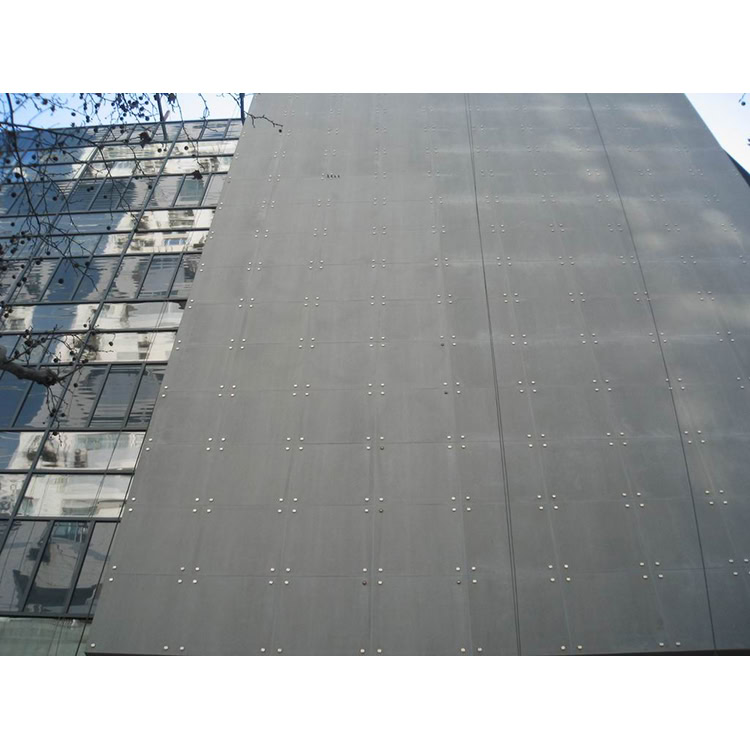
Fiber cement boards have micro‑seal layers such as acrylic or silicone coatings. High-pressure washing breaks these layers, letting moisture enter and weakening adhesion. Soft brushes, mild detergent, and low-pressure rinsing maintain strength and finish without harm.
What Causes Fiber Cement Board to Crumble or Deteriorate Prematurely?
Crumbling fiber cement comes from moisture cycling, coating failure, and ventilation imbalance. It is rarely just a material flaw — it reflects system stress.
TRUSUS structural insight: deterioration is a symptom of poor design, not poor cement.
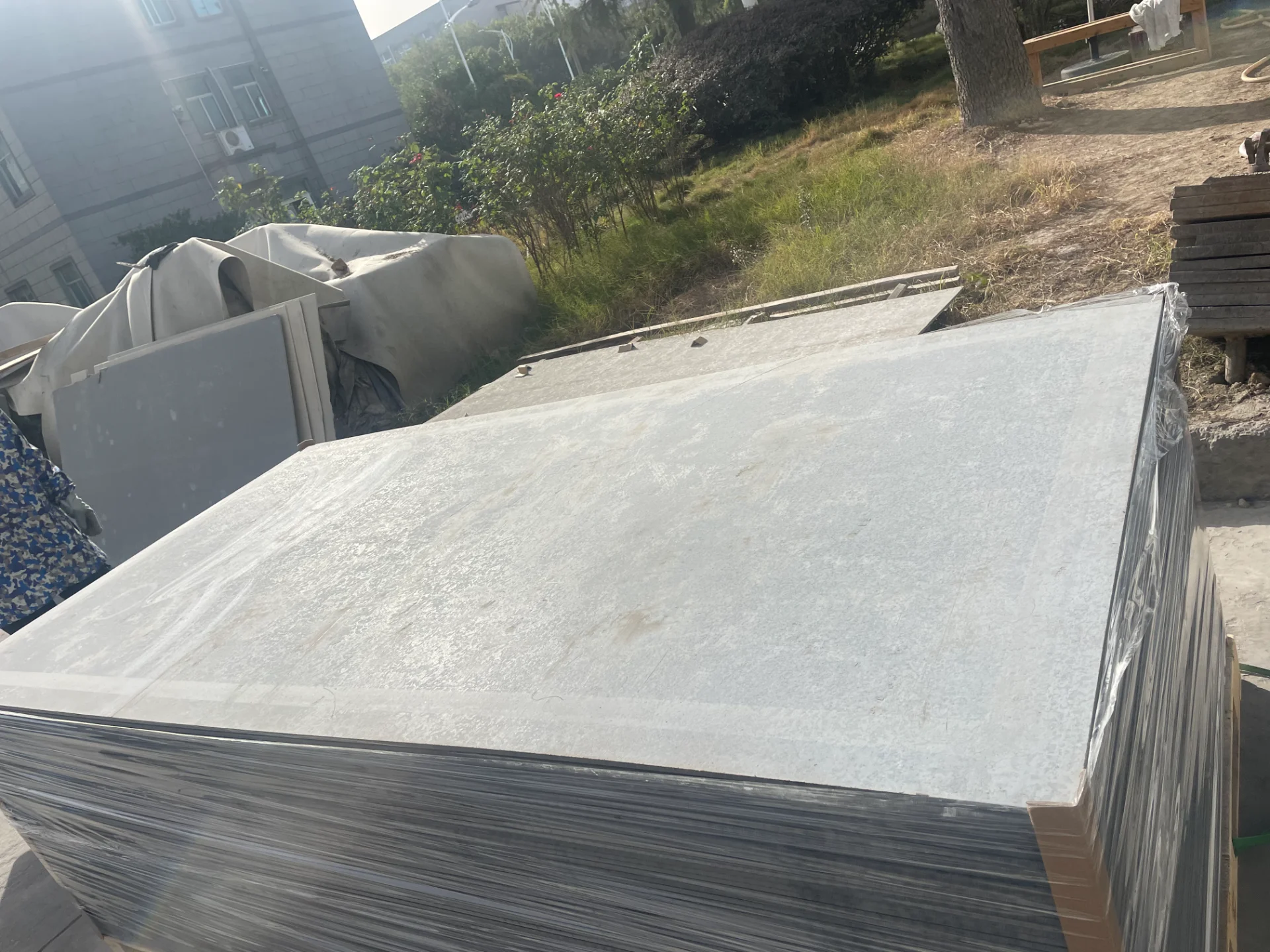
Board Decay Factors
| Cause | Description | Prevention |
|---|---|---|
| Water Infiltration | Rain and humidity breakdown fibers | Maintain sealant and drainage |
| Coating Failure | Oxidized surface paint loses waterproofing | Repaint before degradation stage |
| Ventilation Deficit | No air gaps on rear side | Include breathable cavity layers |
| Freeze‑Thaw Fatigue | Wet boards expand and break | Apply moisture‑repellent finish |
From my experience inspecting cladding systems, most premature deterioration begins from trapped condensation behind panels, not poor cement formula.
How Often Does Fiber Cement Board Siding Need to Be Repainted?
Painting renewal depends on coating system type and exposure conditions. Color durability varies from eight to fifteen years for typical finishes.
TRUSUS coating insight: repainting schedules are part of the product’s life cycle.
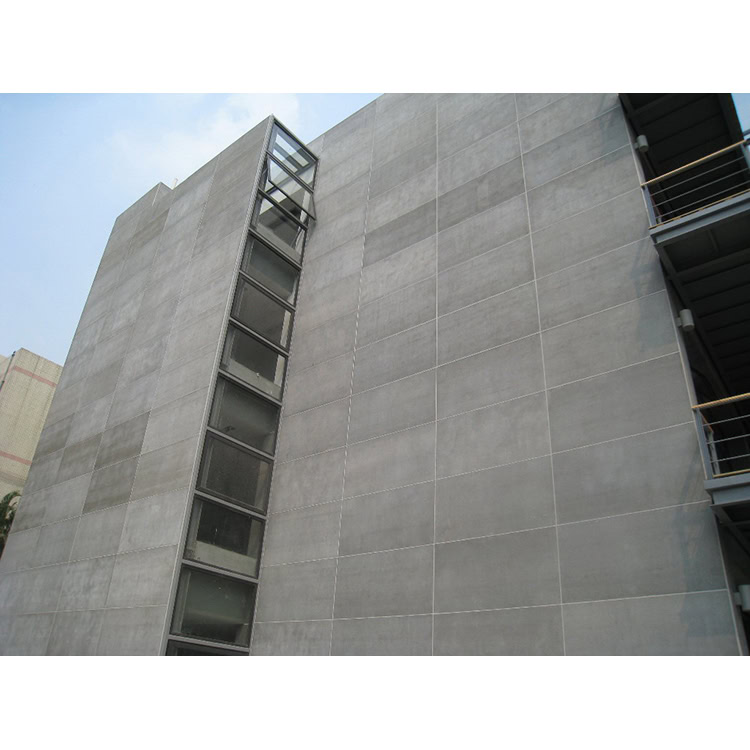
Repainting Interval Reference
| Coating Type | Recommended Interval | Key Care Tip |
|---|---|---|
| Acrylic | Every 8–10 years | Gentle wash yearly |
| Silicone‑Acrylic / Fluoropolymer | 12–15 years | Inspect sealant at joints |
| Integral Color Board | Clean regularly | Avoid abrasive scrubbing |
I always tell clients: if color fades or surface chalks, repaint before moisture penetration starts. Timely coating renewal doubles surface durability.
How Do You Repair Cracks or Chips in a Fiber Cement Board?
Repairing cracks means restoring system continuity, not only patching. Evaluate the reason before applying compound or sealant.
TRUSUS repair insight: small cracks speak for big stress patterns.
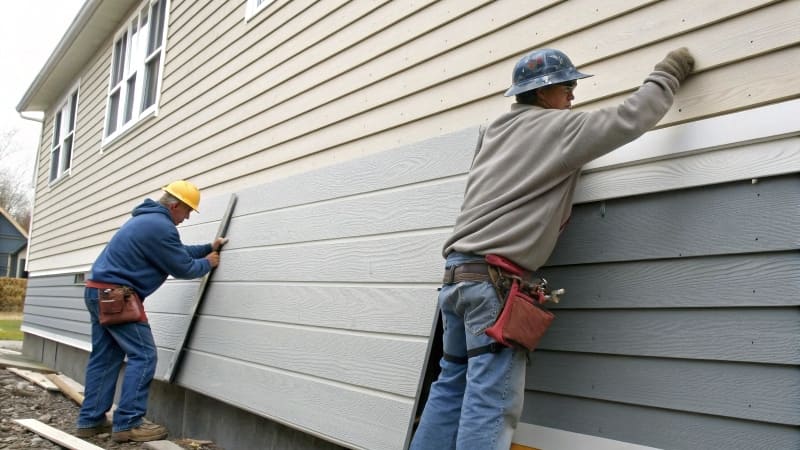
Crack Repair Process
| Step | Procedure | Key Materials |
|---|---|---|
| 1 | Assess crack width and cause | Structural vs shrinkage |
| 2 | Sand damaged area | Clean and roughen for bonding |
| 3 | Apply flexible filler | Elastomeric patch or fiber‑reinforced paste |
| 4 | Repaint patched zone | Use compatible coating to restore waterproof layer |
In my maintenance workshops, I show that properly restored seal layers prevent further cracking for years, while simple patching without repainting fails quickly.
Conclusion
At TRUSUS, I believe fiber cement board durability comes from balance between material strength and mindful maintenance. When cleaning, repainting, and repairing form one system, the board lasts decades beautifully.
