




Is Fibre Cement Cladding Heavy?
Yes, fibre cement cladding is heavier than vinyl or wood panels, but that weight reflects its density and structural stability. On average, it weighs 12–15 kg per square meter, requiring strong framing for installation but offering outstanding stiffness and wind resistance.
TRUSUS material insight: its weight is not a weakness—it is proof of strength.
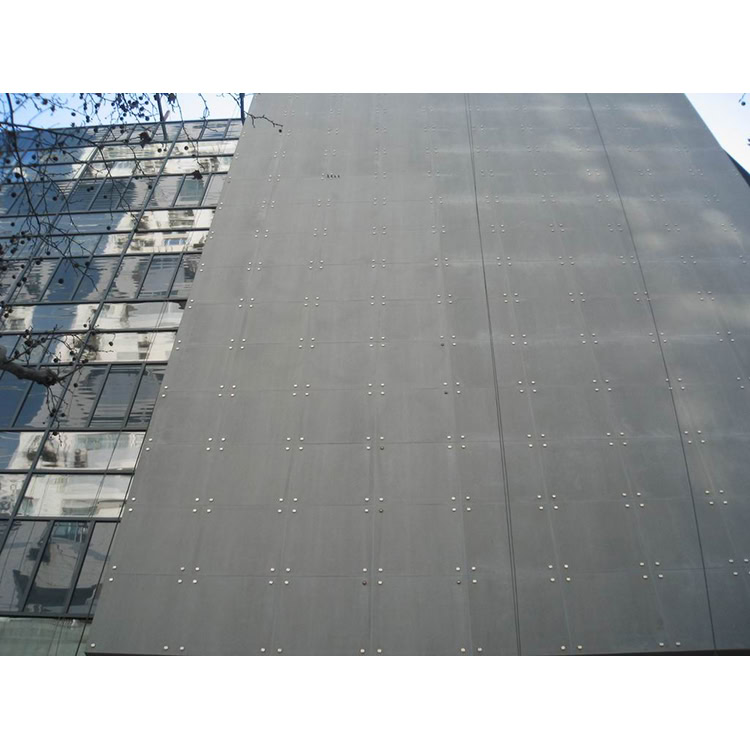
This density helps the cladding remain solid through decades of exposure, minimizing warping, cracking, or impact damage.
Is Fibre Cement Cladding Waterproof?
Fibre cement cladding is not completely waterproof, but it is highly water-resistant. It uses a dense matrix of cement, cellulose fibres, and silica sand that prevents water penetration while allowing vapor to escape. This structure supports a “breathable façade” system.
performance insight: it doesn’t block water—it manages it smartly.
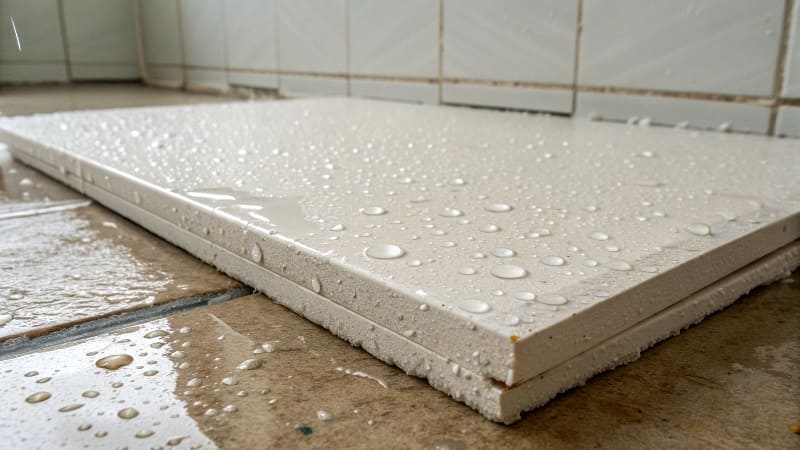
Moisture Behavior Table
| Property | Description | Benefit |
|---|---|---|
| Water Absorption | <10% by weight | Rapid surface drying |
| Vapor Permeability | Controlled diffusion | Prevents trapped moisture |
| Capillary Resistance | High | Limits seepage and staining |
| Freeze-Thaw Resistance | Excellent | Withstands exterior cycles |
| Mold Resistance | Inorganic matrix | No organic food source |
This balance between water resistance and breathability protects both insulation and structure behind the panel over its lifetime.
What Are the Disadvantages of Fibre Cement Cladding?
The main disadvantages are its weight, cutting complexity, and installation cost. The panels require specialized tools, dust control measures, and skilled labor. Poor installation or improper joint sealing may lead to cracking or moisture ingress at interfaces.
practical insight: what seems like a drawback is often the price of durability.
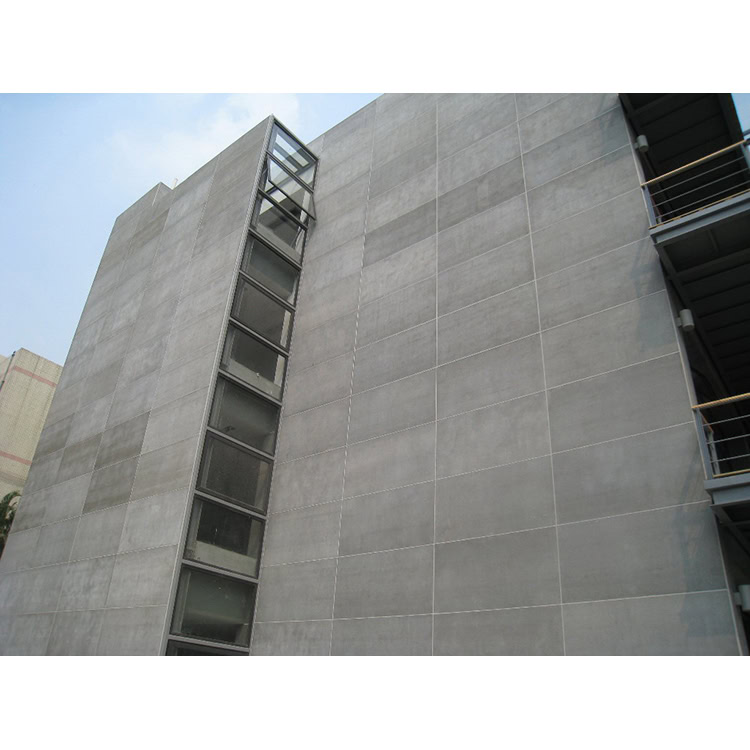
Challenges and Solutions
| Disadvantage | Explanation | TRUSUS Advice |
|---|---|---|
| Heavy Weight | Dense materials increase load | Use adequate wall framing |
| Cutting Dust | Silica dust during sawing | Use wet cutting or vacuum tools |
| Higher Cost | Skilled labor and fixings | Offset with long-term durability |
| Brittle Edges | Mishandling during transport | Store flat and handle with care |
| Thermal Movement | Minor with temperature | Leave expansion joints |
When designed correctly, these drawbacks become manageable engineering conditions rather than limitations.
How Long Does Fibre Cement Cladding Last?
Fibre cement cladding typically lasts 40–50 years, even in coastal or high-UV climates. It resists fire, insects, and rot, maintaining both appearance and structural function with minimal maintenance.
lifetime insight: it trades early effort for decades of reliability.

Service Life Factors
| Factor | Impact | Maintenance Recommendation |
|---|---|---|
| Climate Exposure | UV, rain, frost | Regular washing every 1–2 years |
| Paint or Coating | Adds protection | Recoat every 15–20 years |
| Installation Quality | Proper spacing and sealing | Use approved fasteners |
| Structural Support | Load capacity | Follow manufacturer specification |
| Building Design | Ventilated cavity behind panels | Allow natural drying |
In practical applications, properly installed panels often exceed half a century, making them one of the most enduring cladding options available.
Conclusion
At TRUSUS, I see fibre cement cladding as a material that connects time, structure, and environment. It may weigh more and demand careful work, but it rewards that effort with long life, quiet strength, and a façade that breathes with the building rather than against it.
