




Is Fiber Cement Siding Energy Efficient?
Fiber cement siding is moderately energy efficient because it creates stability and airtightness within building envelope systems. Its true efficiency comes from system coordination, not the panel alone.
TRUSUS building insight: fiber cement’s value lives in its ability to work with insulation layers and sealing systems.
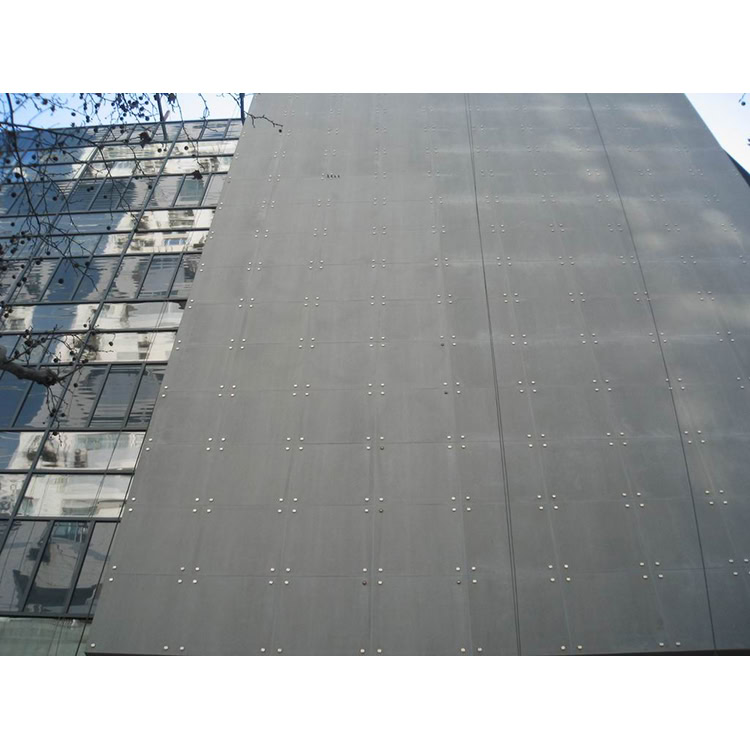
When combined with insulation and air gaps, fiber cement panels help form a thermal barrier that reduces temperature exchange and wind infiltration. This makes buildings consume less energy to stay comfortable, enhancing long‑term sustainability and durability.
What Is the Profit Margin on Fiber Cement Board?
Profit margins on fiber cement boards vary between 8% and 20%, depending on scale, automation, and whether services beyond manufacturing are included. Real profitability comes from system integration, not raw board pricing.
business insight: selling boards is low‑margin; selling systems is high‑value.
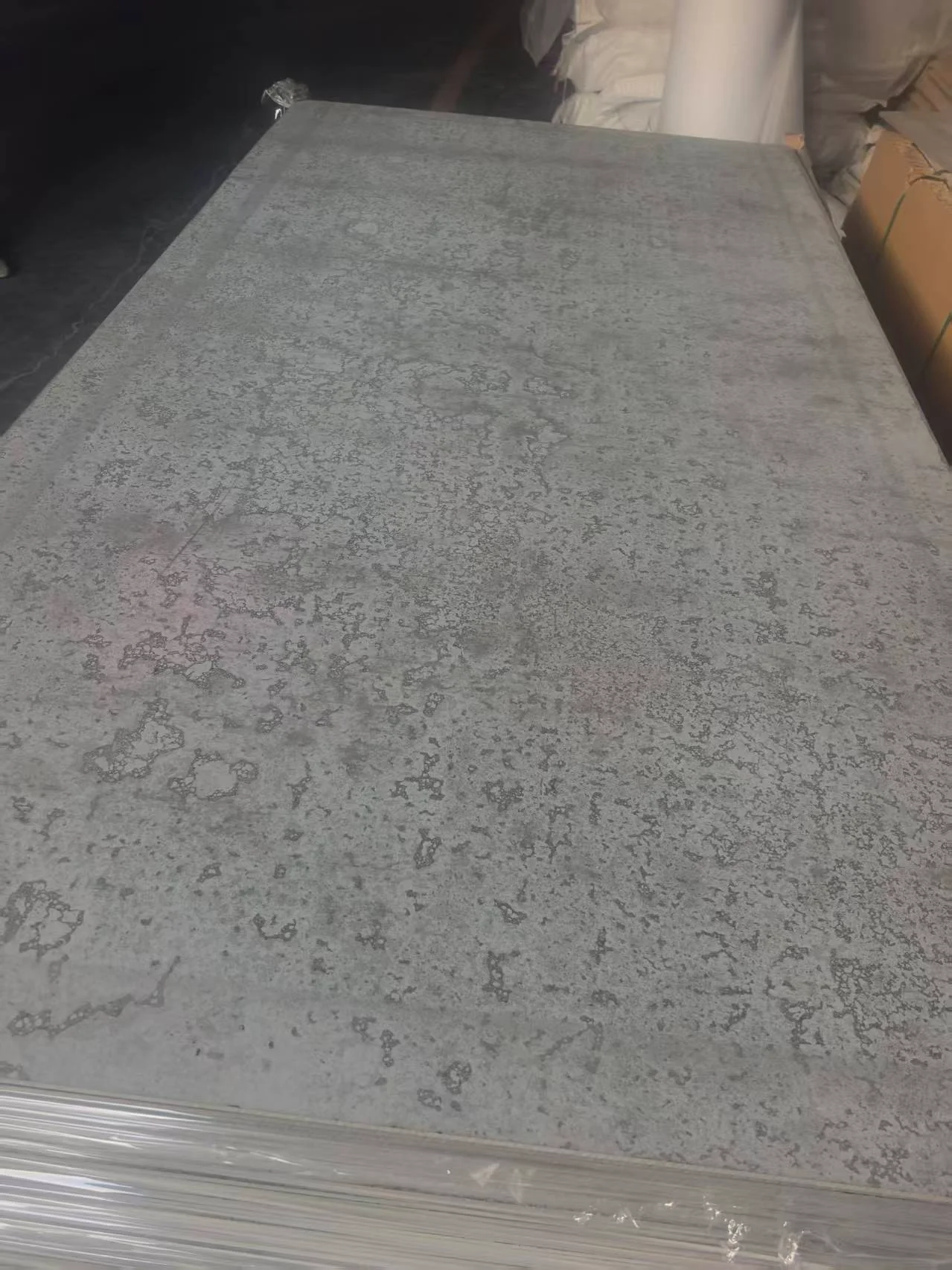
Profit Composition Table
| Component | Typical Margin (%) | Added Value Source |
|---|---|---|
| Basic Manufacturing | 8–10 | Commodity level |
| Value‑added Surface Treatment | 10–15 | Fireproofing / Acoustic coating |
| System Supply & Installation | 15–20 | Engineering and design service |
| Sustainability Certification | >20 | Carbon tracking / green building credentials |
In my factory experience, the turning point came when we shifted focus from price competition to building envelope systems. Clients began paying for engineering accuracy and lifecycle savings—real profit lies there.
What Is the Size of Fiber Cement Sheet?
Standard fiber cement sheet sizes are 1200×2400 mm, 1220×2440 mm, or custom dimensions for modular construction. These measurements define efficiency and compatibility, not just geometry.
TRUSUS specification insight: size is the language of building industrialization.
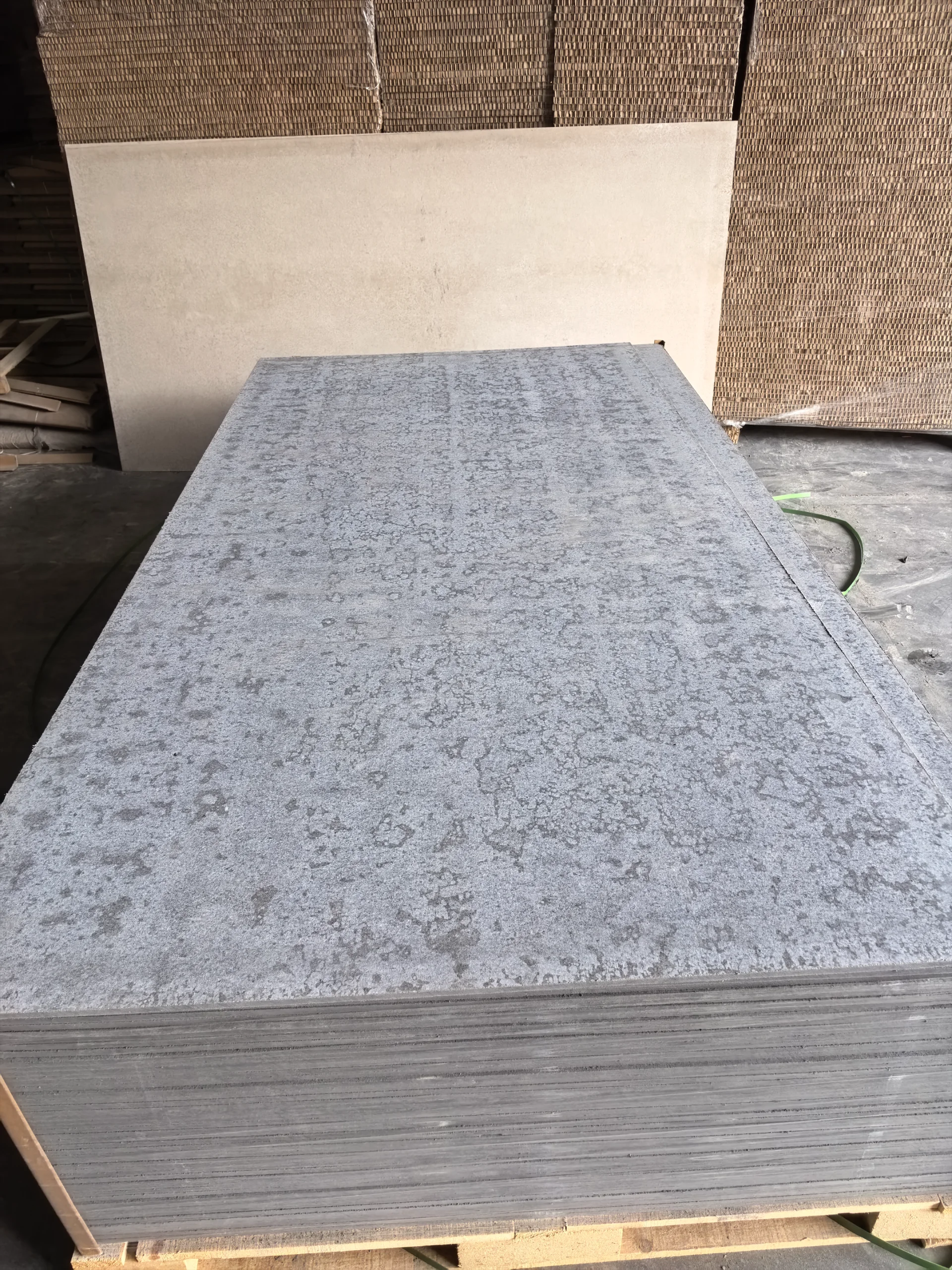
Common Size & Use Table
| Size (mm) | Typical Project | Benefit |
|---|---|---|
| 1200×2400 | Residential facades | Easy handling |
| 1220×2440 | Commercial walls or ceilings | Fewer joints, faster installation |
| ≥1500×3000 | Industrial panels | Custom load performance |
| Variable thickness (6–18mm) | All types of structures | Controlled rigidity and weight |
When I design layouts for modular projects, standardized sizes reduce waste, improve logistics, and support digital fabrication software. This standardization converts material into a system asset, not just a component.
How to Dispose of Cement Boards?
Cement boards can be recycled or repurposed rather than simply discarded. They can be crushed for road bases, lightweight filler, or re‑cemented into new boards.
TRUSUS sustainability insight: disposal is a beginning, not an end.
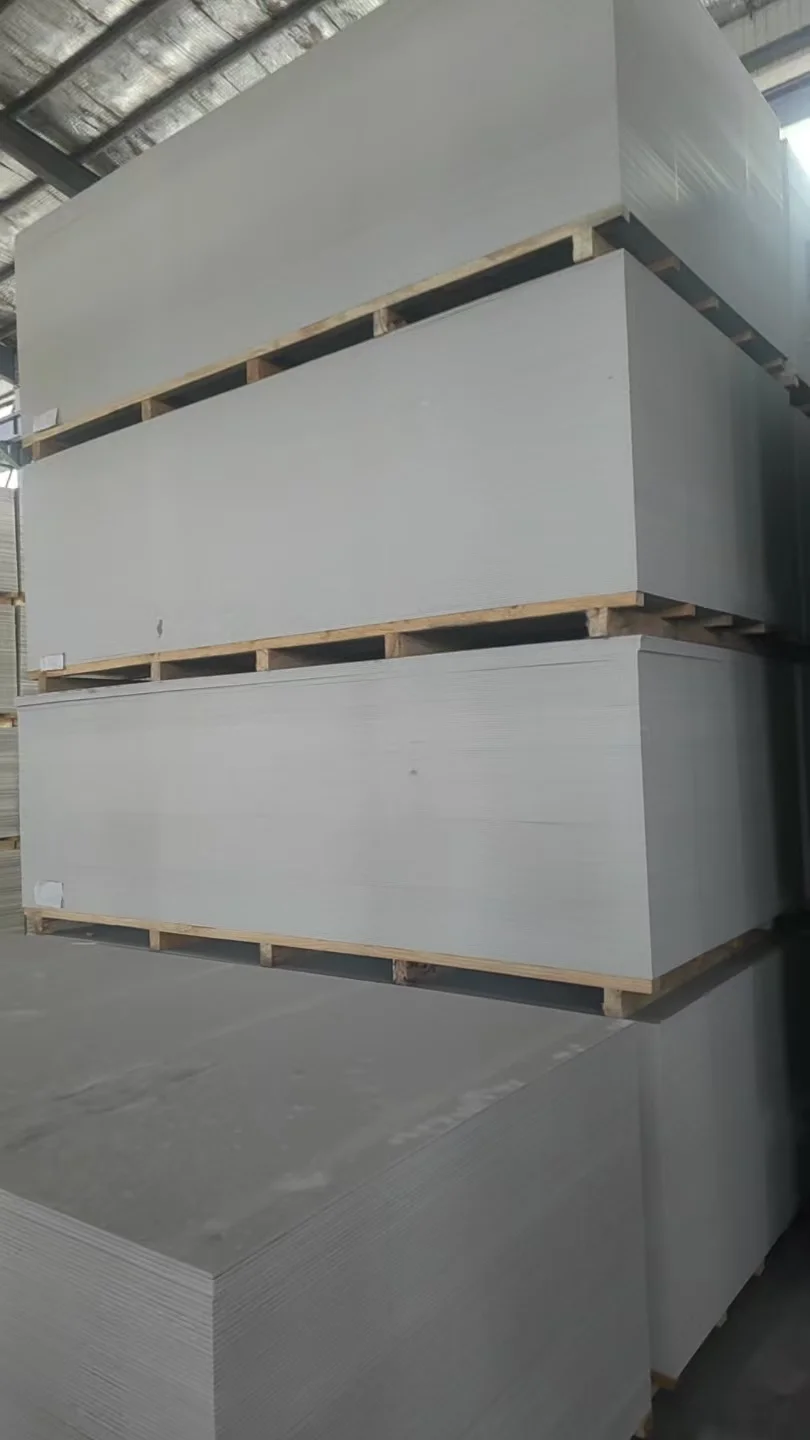
Disposal & Recycling Route Diagram
| Disposal Method | Process | Outcome |
|---|---|---|
| Mechanical Crushing | Break into fine aggregate | Use as recycled filler |
| Thermal Treatment | Remove paint, resins | Clean raw mineral for reuse |
| De‑lamination | Separate fiber layers | Recreate recycled cement boards |
| Circular Industry Flow | Data tracking + energy saving | Turns manufacturing into closed‑loop cycle |
I have seen retired boards turned back into road foundation material or new eco‑composites. This keeps waste from landfills and turns manufacturing into circular resource management.
Conclusion
At TRUSUS, I believe fiber cement boards are not just products—they are enduring systems. Their energy, value, and lifecycle logic connect architecture with sustainability and future efficiency.
