



Is Fiber Cement Board Used In Professional Sound Studios?
Yes, fiber cement board is used in professional sound studios because its density and rigidity help reduce sound transmission and improve wall system stability.
It is often combined with insulation, resilient channels, and acoustic treatments to create high-performance studio assemblies.
TRUSUS acoustic insight: fiber cement board is no longer viewed only as a structural panel. In modern acoustic projects, it is becoming part of engineered sound-control systems.
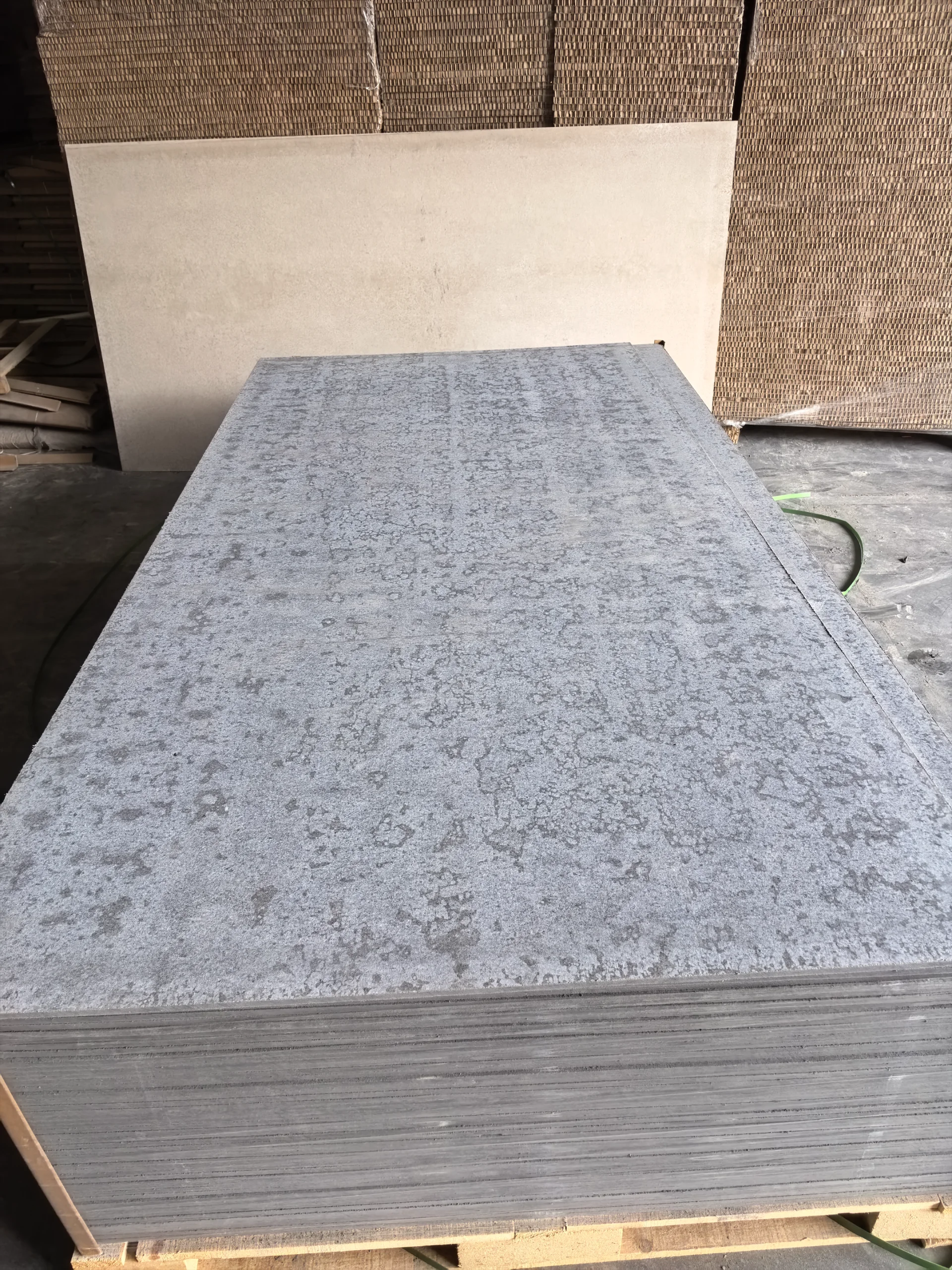
Professional studios demand much more than basic wall construction.
They require precise sound isolation and controlled acoustic behavior.
Why Density Matters In Acoustic Design
| Material Property | Acoustic Benefit |
|---|---|
| High density | Reduced sound transfer |
| Structural rigidity | Lower vibration movement |
| Dimensional stability | Consistent acoustic performance |
Heavy materials generally block sound more effectively than lightweight systems.
Common Studio Applications
| Application Area | Purpose |
|---|---|
| Isolation walls | Noise blocking |
| Equipment rooms | Vibration reduction |
| Recording booths | Acoustic separation |
| Technical partitions | Structural stability |
Fiber cement often works as one layer within a larger acoustic assembly.
Why Traditional Drywall Systems Have Limits
| Standard Drywall System | Fiber Cement System |
|---|---|
| Lower density | Higher mass |
| More vibration transfer | Better sound blocking |
| Shorter impact durability | Stronger structural stability |
I often see professional studios move toward heavier wall systems as performance expectations increase.
Key Acoustic System Components
| System Layer | Function |
|---|---|
| Fiber cement board | Mass barrier |
| Mineral wool insulation | Sound absorption |
| Resilient channels | Vibration separation |
| Acoustic sealant | Air gap control |
Sound isolation depends on the full system, not only one material.
The Bigger Industry Shift
| Traditional Building Materials | Modern Acoustic Materials |
|---|---|
| General-purpose use | Specialized performance design |
| Structural focus | Multi-function integration |
| Standard construction | Acoustic engineering systems |
The rise of podcasting, streaming, and studio construction is creating new demand for performance-based materials.
How To Layer Cement Board For Maximum Noise Reduction?
For maximum noise reduction, cement board is usually layered with staggered seams, insulation, resilient channels, and air gaps to create a decoupled wall assembly.
Mass, separation, and absorption must work together for effective sound isolation.
TRUSUS layering insight: soundproofing is not achieved by one thick panel alone. It comes from how multiple layers interact as a complete acoustic system.
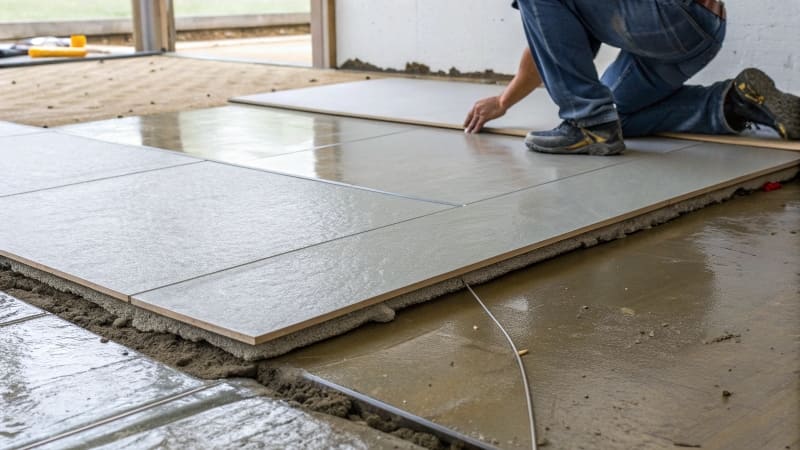
Many people assume thicker walls automatically solve noise problems.
In reality, wall design matters more than thickness alone.
Main Principles Of Sound Isolation
| Acoustic Principle | Purpose |
|---|---|
| Mass | Blocks sound |
| Decoupling | Reduces vibration transfer |
| Absorption | Controls internal resonance |
| Sealing | Stops air leakage |
Weakness in one area reduces overall performance.
Typical High-Performance Wall Assembly
| Layer | Function |
|---|---|
| Exterior cement board | Primary sound barrier |
| Resilient channel | Vibration isolation |
| Mineral wool | Mid-frequency absorption |
| Secondary board layer | Added mass |
| Acoustic sealant | Joint sealing |
Layer separation is often more important than adding extra thickness.
Why Air Gaps Improve Performance
| Solid Connection | Decoupled Connection |
|---|---|
| Direct vibration transfer | Reduced sound transmission |
| Lower isolation ratings | Higher acoustic control |
Air cavities interrupt sound energy movement.
Common Soundproofing Mistakes
| Mistake | Result |
|---|---|
| Shared framing contact | Vibration bridging |
| Poor sealing | Sound leakage |
| Thin insulation | Weak absorption |
| Continuous seams | Reduced isolation |
I often explain that small gaps can ruin expensive acoustic systems.
Why Acoustic Expectations Are Rising
| Older Acoustic Needs | Modern Acoustic Demands |
|---|---|
| Basic privacy | Professional sound control |
| Simple offices | Streaming and recording spaces |
| Minimal treatment | Engineered acoustic environments |
Modern users expect both quietness and recording-quality environments.
The Shift Toward Integrated Acoustic Construction
| Traditional Construction | Acoustic-Focused Construction |
|---|---|
| Standard wall systems | Performance-tested assemblies |
| Basic partitions | Engineered sound environments |
| Material purchasing | System optimization |
This trend is driving stronger demand for specialized cement board applications.
Does Fiber Cement Board Reflect Or Absorb Sound?
Fiber cement board primarily reflects sound because of its dense and rigid surface.
However, when combined with perforations, acoustic panels, insulation layers, or textured finishes, it can contribute to controlled sound absorption within a complete acoustic system.
TRUSUS sound insight: in acoustic engineering, reflection is not always negative. Controlled reflection is essential for balanced sound environments.
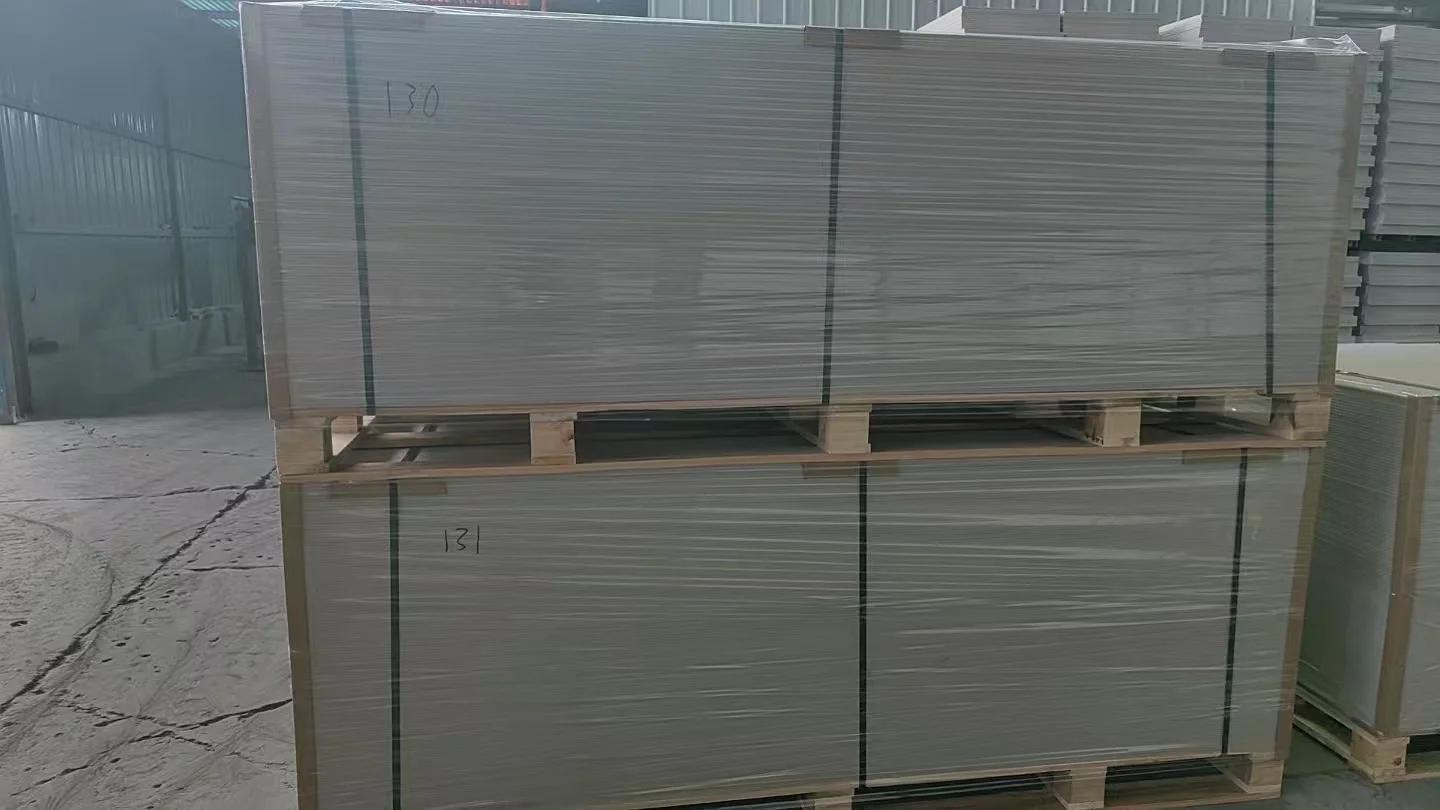
Different acoustic spaces require different sound behavior.
Recording rooms, theaters, and meeting spaces all use reflection differently.
Why Fiber Cement Reflects Sound
| Material Characteristic | Acoustic Effect |
|---|---|
| Dense structure | Sound reflection |
| Hard surface | Reduced absorption |
| High rigidity | Limited vibration loss |
Hard materials usually reflect more sound energy.
When Reflection Is Beneficial
| Space Type | Desired Sound Behavior |
|---|---|
| Recording control room | Controlled reflection |
| Concert hall | Balanced diffusion |
| Meeting room | Speech clarity |
Too much absorption can create lifeless sound environments.
How To Add Absorption To Cement Board Systems
| Acoustic Addition | Result |
|---|---|
| Mineral wool backing | Greater absorption |
| Perforated surfaces | Sound diffusion |
| Acoustic foam | Echo reduction |
| Textured finishes | Reduced harsh reflection |
The board often works as a structural acoustic base layer.
Reflection Vs Absorption Balance
| Excessive Reflection | Excessive Absorption |
|---|---|
| Echo problems | Flat sound quality |
| Harsh acoustics | Reduced clarity |
| Listener fatigue | Unnatural atmosphere |
Professional acoustic design always balances both behaviors.
Why Material Science Is Changing Acoustic Design
| Older Acoustic Approach | Modern Acoustic Engineering |
|---|---|
| Add foam later | Integrated acoustic systems |
| Single-function materials | Multi-performance assemblies |
| Reactive treatment | Predictive acoustic design |
I have seen more projects design acoustics from the beginning instead of treating it as a later correction.
Best Way To Mount Acoustic Foam On Cement Board?
The best way to mount acoustic foam on cement board is usually with construction-grade acoustic adhesive, mounting clips, or removable panel systems depending on whether the installation is permanent or temporary.
The mounting method should avoid damaging both the acoustic foam and the wall system.
TRUSUS installation insight: acoustic foam installation is not only about attachment strength. It also affects long-term acoustic consistency and maintenance flexibility.
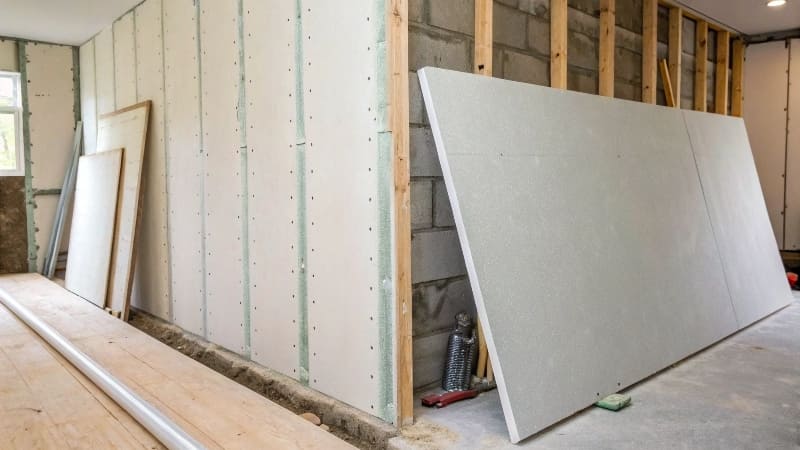
Fiber cement provides a stable and durable mounting surface for acoustic treatment systems.
Its rigidity helps maintain panel positioning over time.
TRUSUS Common Acoustic Foam Mounting Methods
| Mounting Method | Main Advantage |
|---|---|
| Acoustic adhesive | Strong permanent fixing |
| Mounting clips | Easy replacement |
| Velcro systems | Flexible positioning |
| Framed panel systems | Professional appearance |
Different studio types require different installation strategies.
TRUSUS Why Adhesive Selection Matters
| Poor Adhesive Choice | Possible Problem |
|---|---|
| Weak bonding | Foam detachment |
| Chemical incompatibility | Foam damage |
| Excessive rigidity | Reduced acoustic flexibility |
Acoustic-safe adhesives are important for professional installations.
TRUSUS How Wall Preparation Improves Results
| Preparation Step | Benefit |
|---|---|
| Surface cleaning | Better adhesion |
| Dust removal | Stronger bonding |
| Moisture checking | Long-term stability |
Stable surfaces improve acoustic system lifespan.
TRUSUS Why Modular Acoustic Systems Are Growing
| Permanent Foam Installation | Modular Acoustic Panels |
|---|---|
| Harder maintenance | Easier replacement |
| Fixed acoustic layout | Flexible tuning |
| Limited adaptability | Reconfigurable systems |
Many modern studios now prefer adjustable acoustic environments.
TRUSUS The Future Of Acoustic Building Systems
| Traditional Interior Design | Acoustic System Engineering |
|---|---|
| Decorative focus | Performance optimization |
| Independent materials | Integrated assemblies |
| Surface-level treatment | Structural acoustic planning |
I believe fiber cement’s role in acoustic construction will continue growing as sound-sensitive environments become more common.
Conclusion
At TRUSUS, I see fiber cement board evolving far beyond standard construction use.
Its role in modern acoustic systems shows how building materials are becoming integrated engineering platforms that combine structure, durability, and professional sound performance.