




Is Fiber Cement Board the Best Material for Guyana’s Harsh Coastal Environment?
Guyana’s salt air and humidity rot wooden homes in just a few years. Traditional concrete is slow to build and very heavy. You are losing money on maintenance while your structure weakens every rainy season.
Fiber cement board is a high-density composite material made from Portland cement, refined cellulose fibers, and silica sand. It is 100% waterproof, termite-proof, and fire-resistant, making it the ideal cladding and flooring solution for coastal Guyana and high-humidity tropical regions.
Fiber cement board represents the most durable alternative to traditional wood siding and plywood decking. Its autoclaved manufacturing process ensures dimensional stability and resistance to salt air. The material composition combines the strength of stone with the workability of wood. Building professionals in Georgetown increasingly specify fiber cement for exterior cladding and wet-area partitions. The long-term value of this material comes from zero rot, pest immunity, and minimal maintenance requirements over a 50-year lifespan.
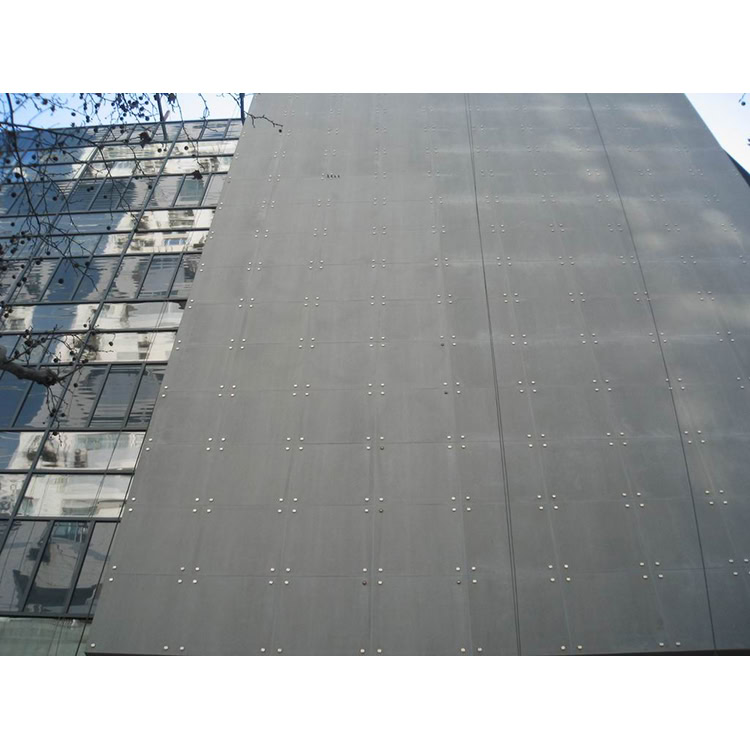
I have seen many beautiful houses in Georgetown fall apart because of the sea breeze. The salt in the air eats through wood and makes paint peel off concrete. It is a constant battle for homeowners. I believe we must build with materials that respect the environment. Fiber cement is the answer for anyone building near the Atlantic. Let me explain why this board is so much stronger than traditional options.
Can Fiber Cement Replace Traditional Plywood for Second-Floor Decking?
Plywood floors in Guyana often "soft spot" due to humidity and termites. This makes your upper floors feel unsafe and bouncy. You are risking structural failure and expensive total replacements every few years.
Heavy-duty fiber cement board (15mm-20mm) serves as a superior replacement for plywood decking. It provides a rigid, stone-like surface that resists rot, termites, and fire, while supporting high load-bearing capacities in commercial and residential mezzanine applications.
Thick fiber cement boards offer unmatched structural rigidity compared to organic wood products. The high-density cement matrix ensures zero moisture absorption preventing swelling and delamination. Mechanical fastening to steel joists creates a monolithic floor system ready for ceramic tiles or vinyl finish. Structural engineers prefer this method to reduce the dead load of a building while maintaining floor strength. The fire-proof nature of the board provides an added safety layer for multi-story buildings in densely populated areas.
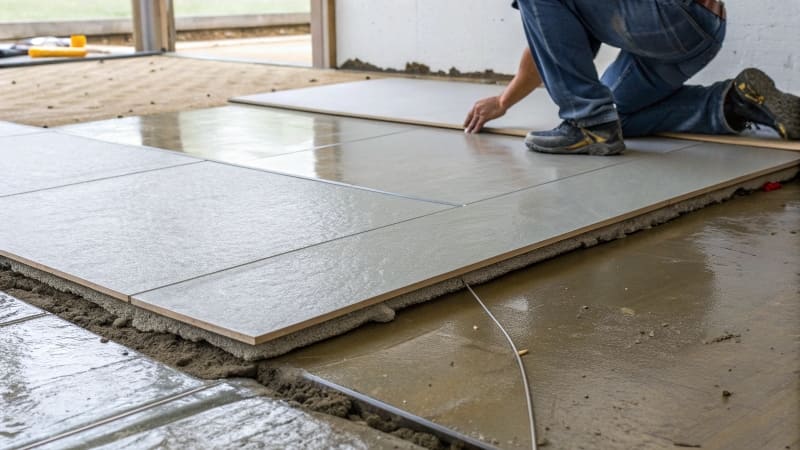
As a factory owner, I focus on the "Pressing Power." We use a 5,000-ton press to make our floor boards. This density is what makes it feel like concrete under your feet. In Guyana, I have helped many store owners on Regent Street build mezzanine floors for their inventory. They want to avoid the mess of pouring a concrete slab.
When you use a 20mm fiber cement board, you are getting a floor that does not move. Plywood is a "living" material; it expands and attracts wood-eating ants. Cement board is "dead" in the best way—it stays exactly as you installed it. From an engineering view, we calculate the "point load." These boards can handle heavy storage racks without cracking. If you have a leak in your roof, the water will sit on this board and not cause any damage. You just wipe it up. This is why "Dry Floor" technology is taking over the local construction market.
| Performance Factor | Local Hardwood | Plywood | TRUSUS Fiber Cement |
|---|---|---|---|
| Water Resistance | Low (Rot) | Low (Swell) | 100% Waterproof |
| Termite Resistance | Very Low | Very Low | 100% Proof |
| Fire Rating | Combustible | Combustible | Non-Combustible |
| Weight | High | Low | Moderate |
| Service Life | 10 Years | 5-8 Years | 50+ Years |
Is Fiber Cement Siding Better Than Concrete Block for Exterior Walls?
Concrete block walls are heavy and take a long time to plaster and paint. The foundations required for block walls are expensive and prone to sinking in Guyana's soft soil. You are spending too much money on the ground before you even see the walls.
Fiber cement siding provides a lightweight, high-strength alternative to masonry construction. It offers the look of luxury wood with the durability of concrete, allowing for faster installation and significantly lower foundation costs while maintaining superior weather protection.
Exterior fiber cement cladding reduces structural weight by up to 75% compared to blocks. The interlocking panel system provides excellent water shedding and UV resistance in tropical climates. Factory-primed surfaces ensure long-lasting paint adhesion compared to traditional plaster. Impact resistance remains high enough to withstand high-wind debris during storm seasons. Modern architectural designs use large-format cement panels to achieve minimalist aesthetics with hidden fastening systems.
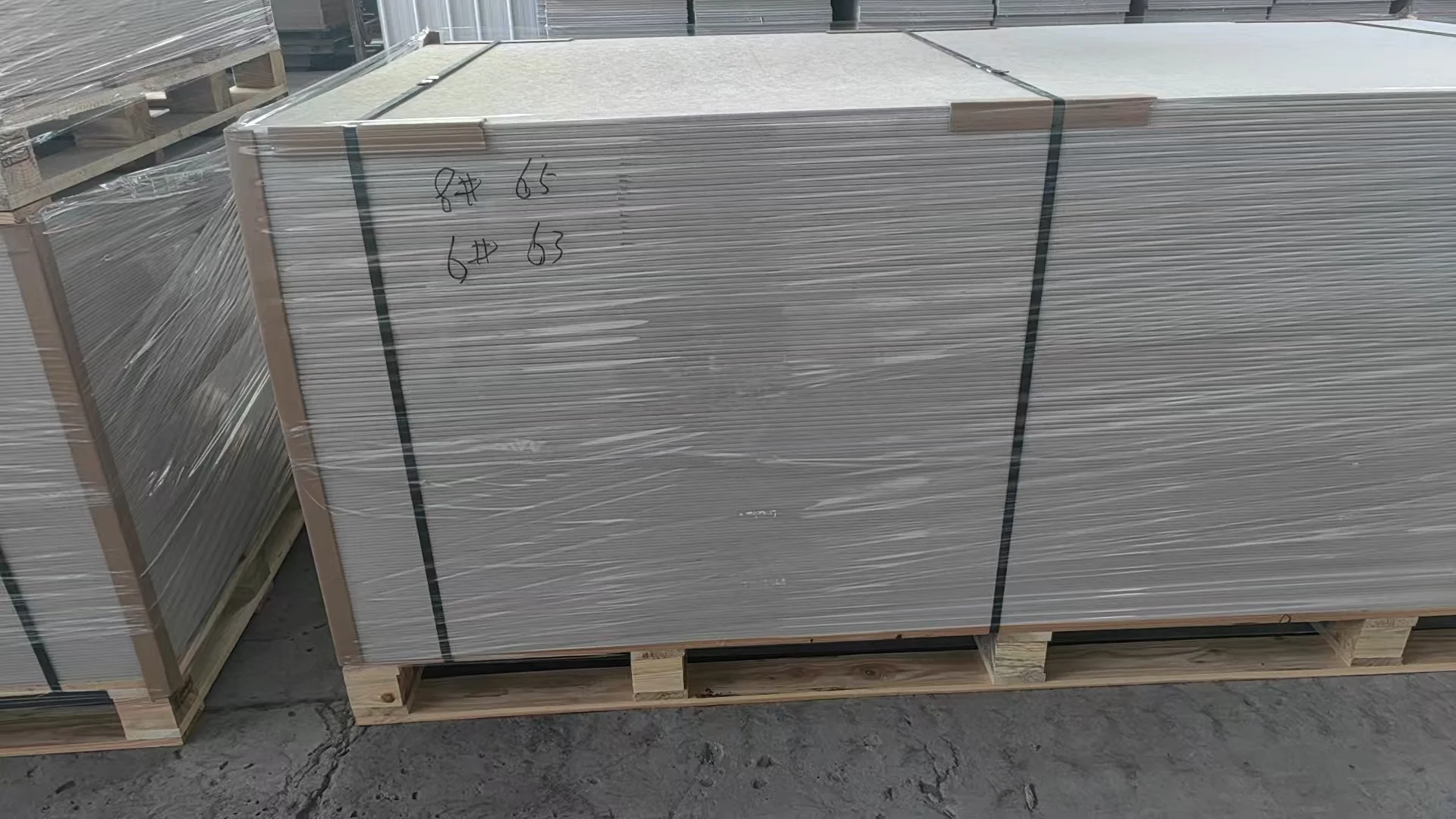
In Georgetown, the soil is like a sponge. If you build a heavy house, it will sink. This is where fiber cement siding saves your project. Instead of a 6-inch block wall, you use a light steel frame and skin it with cement board. This "Dry Wall" exterior is the standard in the USA and Europe for a reason. It is fast and it is straight.
I have seen many block walls in Guyana that have "hairline cracks" after six months. This is because concrete is brittle. Fiber cement has cellulose fibers inside that act like tiny pieces of rebar. It can handle slight movements in the foundation without cracking. Also, the finish is much better. You get a perfectly flat wall every time. If you want that high-end, modern look you see in magazines, you cannot get it with bricks and mortar. You get it with engineered boards. It is cleaner, faster, and much more durable for our coastal weather.
| Property | Concrete Block | Fiber Cement Siding | Engineering Advantage |
|---|---|---|---|
| Dead Load | 250 kg/m² | 30 kg/m² | 80% Less foundation stress |
| Build Speed | 1 week/room | 1 day/room | Faster project ROI |
| Finish Quality | Needs Plaster | Ready to Paint | No wavy walls |
| Cracking Risk | High (Brittle) | Low (Flexible) | Better in soft soil |
| Site Waste | High (Mortar/Blocks) | Low (Dry Cut) | Cleaner construction |
Building in Guyana requires materials that can survive the sea and the sun. Use fiber cement board for your floors and walls to get a safe, rot-proof home that lasts for generations.
