




Is Fiber Cement Board Suitable For Container Houses?
Fiber cement board is exceptionally suitable for container houses, providing A1-grade fire resistance, excellent weather durability, lightweight strength (1.2-1.5 g/cm³), easy processing capabilities, and healthy environmental properties, making it ideal for container interior partitions, exterior cladding, and ceiling applications. Container house applications benefit from fiber cement's superior performance and processing convenience.
TRUSUS container house insight: fiber cement board container applications require understanding structural compatibility, installation techniques, performance optimization, and system integration for successful container-to-housing conversions and modular building solutions.
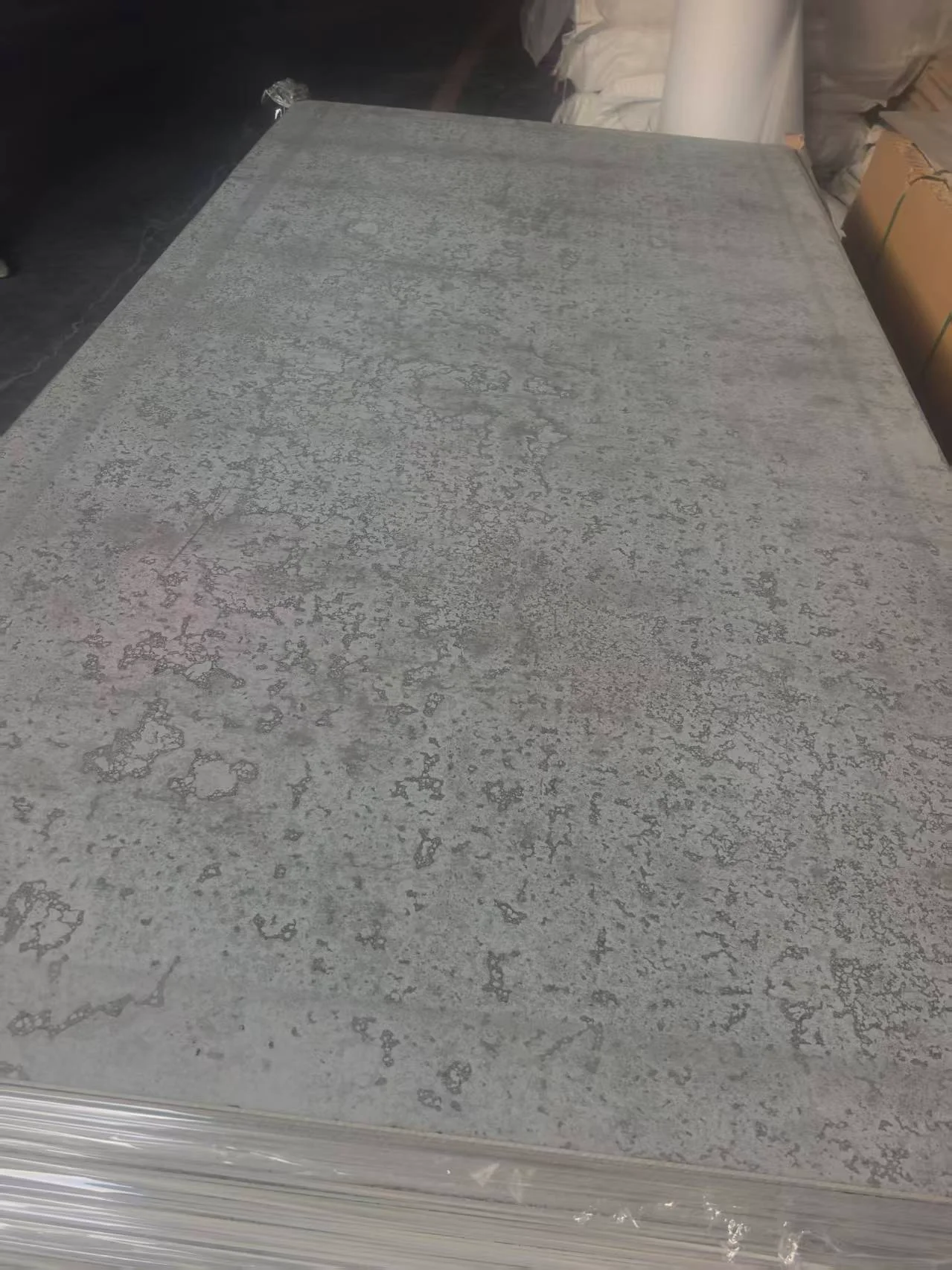
I increasingly see container house projects specify fiber cement board for superior fire safety, weather resistance, and healthy living environments in converted shipping containers.
Understanding container suitability enables optimal material selection for container housing projects requiring enhanced performance and livability.
Container Application Areas
| Application Area | Suitability | Performance Benefit | Installation Method | Value Proposition |
|---|---|---|---|---|
| Interior partitions | Excellent | Fire safety + acoustics | Steel frame mounting | Space optimization |
| Exterior cladding | Ideal | Weather protection | Ventilated facade system | Durability enhancement |
| Ceiling systems | Very good | Insulation + aesthetics | Suspended ceiling | Comfort improvement |
| Floor underlayment | Good | Moisture protection | Direct installation | Performance foundation |
Diverse application areas demonstrate fiber cement's versatility in container house systems.
Fire Safety Advantages
| Fire Characteristic | Container Requirement | Fiber Cement Performance | Safety Benefit | Code Compliance |
|---|---|---|---|---|
| Flame spread rating | Class A required | Zero flame spread | Maximum protection | Exceeds requirements |
| Smoke development | Minimal generation | Low smoke production | Enhanced safety | Superior performance |
| Structural integrity | Fire resistance | Maintains strength | Continued protection | Professional standard |
| Non-combustibility | Complete protection | 100% non-combustible | Ultimate safety | Premium compliance |
Superior fire safety characteristics provide essential protection for container housing applications.
Weather Resistance Performance
| Weather Factor | Container Challenge | Fiber Cement Solution | Durability Benefit | Long-term Value |
|---|---|---|---|---|
| UV exposure | Metal heat absorption | Excellent UV stability | Color retention | Reduced maintenance |
| Moisture cycling | Condensation issues | Low water absorption | Dimensional stability | Structural integrity |
| Temperature extremes | Thermal expansion | Stable performance | Consistent function | Reliable operation |
| Corrosive environments | Metal degradation | Corrosion resistance | Extended service life | Investment protection |
Weather resistance ensures reliable long-term performance in challenging container environments.
Structural Integration
| Structural Aspect | Container Framework | Integration Method | Performance Assurance | Design Flexibility |
|---|---|---|---|---|
| Load compatibility | Steel frame system | Engineered attachment | Safe load transfer | Design optimization |
| Thermal movement | Metal expansion | Flexible connections | Movement accommodation | System reliability |
| Connection methods | Various mounting | Multiple fastening options | Secure attachment | Installation flexibility |
| Dimensional coordination | Standard modules | Precise sizing | Perfect fit | Efficiency optimization |
Structural integration ensures safe and reliable attachment to container frameworks.
Installation Efficiency
| Installation Factor | Traditional Methods | Fiber Cement Advantage | Efficiency Gain | Project Benefit |
|---|---|---|---|---|
| Processing ease | Difficult cutting | Easy cutting/drilling | Fast fabrication | Reduced labor |
| Weight handling | Heavy materials | Lightweight panels | Easy handling | Safety improvement |
| Fastening methods | Limited options | Multiple fastening | Installation flexibility | Technique optimization |
| Surface preparation | Extensive prep | Minimal preparation | Quick installation | Time savings |
Installation efficiency reduces project timeline and labor costs for container conversions.
Health and Environment
| Health Factor | Container Concern | Fiber Cement Benefit | Indoor Quality | Resident Well-being |
|---|---|---|---|---|
| Air quality | Off-gassing materials | Low emission | Clean indoor air | Health protection |
| Moisture management | Condensation problems | Moisture regulation | Humidity control | Comfort enhancement |
| Chemical sensitivity | Toxic materials | Non-toxic composition | Safe environment | Peace of mind |
| Acoustic comfort | Metal reverberation | Sound absorption | Noise reduction | Living comfort |
Health and environmental benefits create comfortable, safe living environments in container houses.
Insulation System Integration
| Insulation Aspect | System Requirement | Integration Method | Performance Enhancement | Energy Efficiency |
|---|---|---|---|---|
| Thermal bridging | Minimize heat loss | Thermal break design | Insulation continuity | Energy savings |
| Vapor control | Moisture management | Vapor barrier systems | Condensation prevention | Building protection |
| Air sealing | Draft elimination | Sealed construction | Air tightness | Comfort assurance |
| Acoustic insulation | Sound control | Composite systems | Noise reduction | Privacy enhancement |
Insulation integration optimizes container thermal and acoustic performance for comfortable living.
Container Modification Flexibility
| Modification Type | Design Flexibility | Implementation Ease | Aesthetic Options | Functional Enhancement |
|---|---|---|---|---|
| Window openings | Precise cutting | Easy modification | Design freedom | Natural lighting |
| Door installations | Structural adaptation | Straightforward process | Style variety | Access optimization |
| Utility penetrations | System integration | Simple drilling | Clean installation | Functionality improvement |
| Interior layouts | Space division | Flexible partitioning | Layout options | Space optimization |
Modification flexibility enables creative container house designs and functional optimization.
Cost-Benefit Analysis
| Cost Factor | Initial Investment | Long-term Value | ROI Timeline | Value Justification |
|---|---|---|---|---|
| Material cost | Moderate premium | Superior durability | 3-5 years | Quality investment |
| Installation cost | Efficient process | Labor savings | Immediate | Process efficiency |
| Maintenance cost | Minimal requirements | Significant savings | Ongoing | Operational efficiency |
| Energy cost | Insulation benefits | Reduced consumption | Continuous | Utility savings |
Cost-benefit analysis demonstrates superior long-term value despite moderate initial investment.
Why Container Suitability Matters
| Basic Container Conversion | Professional Fiber Cement Systems |
|---|---|
| Standard material limitations | High-performance capabilities |
| Basic functionality | Enhanced living quality |
| Limited durability | Long-term reliability |
Container suitability ensures optimal performance and livability in shipping container conversions.
The Industry Shift Behind Container Questions
| Traditional Container Conversion | Advanced Building Systems |
|---|---|
| Basic material applications | Engineered performance solutions |
| Limited performance expectations | High-quality living standards |
| Simple conversion approaches | Comprehensive building systems |
I increasingly see container house projects implement fiber cement board systems that provide superior fire safety, weather resistance, and living quality for optimal container-to-housing conversions and sustainable modular building solutions.
Can Fiber Cement Board Be Used For Partition Walls In Steel Structures?
Fiber cement board is excellently suited for steel structure partition walls, offering thermal expansion compatibility, diverse connection methods (screws, clips, adhesive), appropriate load capacity, and dry construction advantages, enabling efficient partition installation with superior fire resistance and dimensional stability. Steel structure compatibility ensures reliable partition performance and installation efficiency.
TRUSUS steel partition insight: fiber cement board steel structure partitions require understanding structural compatibility, connection systems, thermal movement accommodation, and installation techniques for optimal partition performance and building integration.
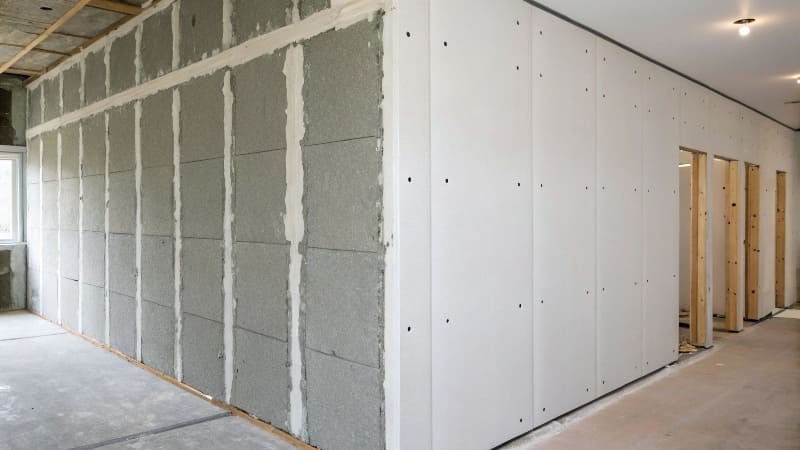
I increasingly see steel building projects specify fiber cement partitions for superior fire protection, structural compatibility, and efficient dry construction methods.
Understanding steel compatibility enables optimal partition design and installation for steel frame building systems.
Steel Structure Compatibility
| Compatibility Factor | Steel Framework | Fiber Cement Response | System Advantage | Performance Assurance |
|---|---|---|---|---|
| Thermal expansion | Metal movement | Compatible coefficient | Coordinated movement | Crack prevention |
| Load transfer | Frame loading | Appropriate capacity | Safe load distribution | Structural integrity |
| Connection methods | Various mounting | Multiple options | Installation flexibility | Reliable attachment |
| Dimensional tolerance | Steel precision | Precise manufacturing | Perfect fit | Quality installation |
Structural compatibility ensures reliable integration with steel building frameworks and systems.
Connection System Options
| Connection Type | Application Method | Load Capacity | Installation Speed | System Reliability |
|---|---|---|---|---|
| Self-drilling screws | Direct fastening | High strength | Fast installation | Excellent reliability |
| Mechanical clips | Clip mounting | Moderate load | Rapid assembly | Good performance |
| Adhesive bonding | Chemical bonding | Distributed load | Clean installation | Specialized applications |
| Hybrid systems | Combined methods | Maximum strength | Optimized process | Superior performance |
Multiple connection options provide installation flexibility and optimal attachment for diverse applications.
Framing System Integration
| Framing Type | Steel Configuration | Optimal Board Thickness | Spacing Requirements | Performance Characteristics |
|---|---|---|---|---|
| Light gauge steel | C-channel framing | 6-12mm | 400-600mm centers | Residential/commercial |
| Heavy steel frame | Structural sections | 9-15mm | 600-900mm centers | Industrial applications |
| Curtain wall | Aluminum/steel | 6-9mm | Panel dimensions | Exterior applications |
| Modular systems | Prefab frames | 8-12mm | System specifications | Standardized construction |
Framing integration ensures optimal board selection and spacing for specific steel structure types.
Partition Performance Characteristics
| Performance Aspect | Steel Structure Requirement | Fiber Cement Delivery | System Benefit | Application Value |
|---|---|---|---|---|
| Fire resistance | High-performance rating | A1 non-combustible | Superior protection | Safety assurance |
| Sound insulation | Acoustic control | Good transmission loss | Noise reduction | Privacy enhancement |
| Dimensional stability | Minimal movement | Low expansion coefficient | Stable partitions | Long-term reliability |
| Impact resistance | Durability requirement | High impact strength | Damage resistance | Maintenance reduction |
Performance characteristics meet steel building requirements for safety, comfort, and durability.
Installation Process Optimization
| Installation Phase | Process Requirement | Fiber Cement Advantage | Efficiency Benefit | Quality Assurance |
|---|---|---|---|---|
| Frame preparation | Steel framework | Compatible mounting | Straightforward prep | System readiness |
| Board positioning | Precise placement | Lightweight handling | Easy positioning | Installation accuracy |
| Fastening sequence | Systematic attachment | Multiple methods | Flexible process | Secure installation |
| Joint treatment | Seamless finish | Compatible materials | Professional finish | Aesthetic quality |
Optimized installation processes ensure efficient partition construction and professional results.
Thermal Movement Management
| Movement Factor | Steel Behavior | Fiber Cement Accommodation | Joint Design | Performance Assurance |
|---|---|---|---|---|
| Temperature cycling | Metal expansion | Compatible movement | Flexible joints | Movement accommodation |
| Seasonal variation | Dimensional changes | Stable response | Expansion joints | Long-term stability |
| Structural deflection | Frame movement | Flexible connections | Articulated joints | System reliability |
| Settlement effects | Building movement | Accommodating design | Resilient systems | Damage prevention |
Thermal movement management prevents cracking and ensures long-term partition integrity.
Fire Performance Integration
| Fire Aspect | Steel Vulnerability | Fiber Cement Protection | System Enhancement | Safety Benefit |
|---|---|---|---|---|
| Structural protection | Steel heating | Fire barrier | Temperature reduction | Structural preservation |
| Compartmentalization | Fire spread | Complete barrier | Containment enhancement | Life safety |
| Smoke control | Toxic gas spread | Low smoke generation | Visibility maintenance | Evacuation safety |
| Emergency egress | Access maintenance | Structural stability | Safe evacuation | Code compliance |
Fire performance integration provides comprehensive protection for steel structure buildings.
Quality Control Systems
| Quality Factor | Control Method | Performance Standard | Verification Process | Assurance Level |
|---|---|---|---|---|
| Installation accuracy | Dimensional check | ±3mm tolerance | Measurement verification | Professional standard |
| Connection integrity | Fastener inspection | Manufacturer spec | Torque verification | Structural reliability |
| Joint quality | Visual assessment | Seamless finish | Quality inspection | Aesthetic standard |
| System performance | Comprehensive review | Code compliance | Professional evaluation | Complete assurance |
Quality control systems ensure professional installation standards and optimal partition performance.
Why Steel Compatibility Matters
| Basic Partition Installation | Professional Steel Integration |
|---|---|
| Generic attachment methods | Engineered connection systems |
| Standard material selection | Optimized compatibility matching |
| Basic installation practices | Systematic integration approaches |
Steel compatibility ensures optimal partition performance and reliable long-term service in steel buildings.
The Industry Shift Behind Steel Questions
| Traditional Partition Methods | Advanced Steel Integration |
|---|---|
| Basic material applications | Engineered compatibility systems |
| Standard installation practices | Optimized integration techniques |
| Limited performance expectations | Comprehensive system solutions |
I increasingly see steel structure projects implement fiber cement partition systems that provide superior compatibility, fire protection, and installation efficiency for optimal building performance and occupant safety.
What Thickness Fiber Cement Board For Prefab Wall Panels?
Prefab wall panel fiber cement thickness selection depends on structural requirements and performance needs: 6-8mm for non-load-bearing partitions, 9-12mm for standard exterior panels, 12-15mm for structural applications, and 18-20mm for high-performance facades, balancing structural capacity, weight, and cost optimization. Thickness optimization ensures optimal prefab panel performance and manufacturing efficiency.
TRUSUS prefab thickness insight: prefab wall panel thickness selection involves analyzing structural loads, performance requirements, manufacturing constraints, and installation considerations for optimal prefabricated building system performance and cost-effectiveness.
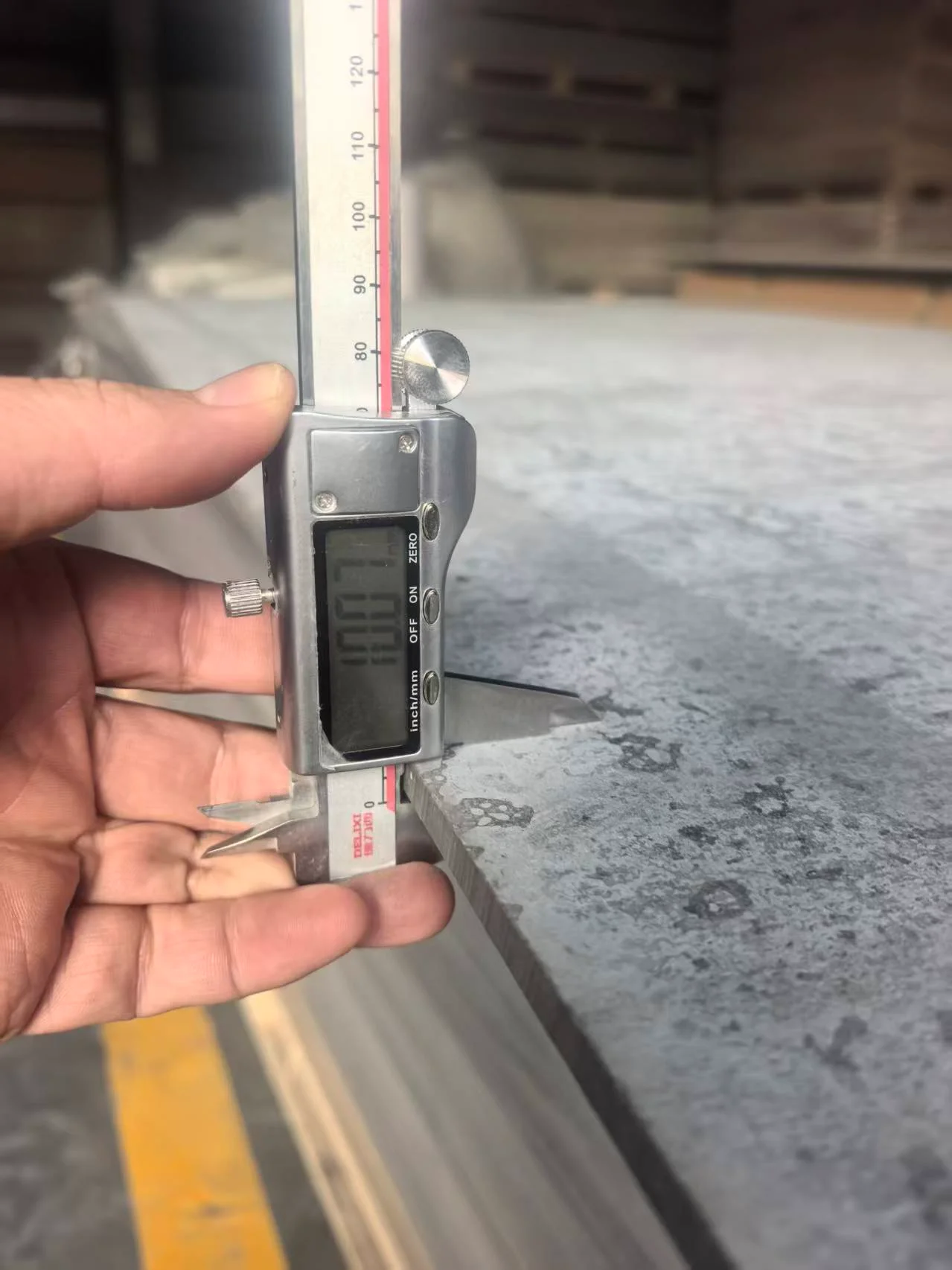
I increasingly see prefab manufacturers optimize fiber cement thickness based on comprehensive engineering analysis and performance requirements for specific applications.
Understanding thickness selection enables optimal prefab panel design and manufacturing efficiency for diverse building applications.
Structural Load Requirements
| Load Category | Thickness Range | Structural Capacity | Application Suitability | Design Considerations |
|---|---|---|---|---|
| Non-structural partitions | 6-8mm | Self-weight only | Interior divisions | Minimum thickness |
| Standard exterior | 9-12mm | Wind loads | Residential/commercial | Balanced performance |
| Structural panels | 12-15mm | Combined loads | Load-bearing walls | Enhanced capacity |
| High-performance | 18-20mm | Maximum loads | Specialized applications | Premium performance |
Structural requirements determine minimum thickness for safe and reliable prefab panel performance.
Performance Optimization Matrix
| Performance Factor | 6-8mm Performance | 9-12mm Performance | 12-15mm Performance | 18-20mm Performance |
|---|---|---|---|---|
| Fire resistance | Good (60-90min) | Excellent (90-120min) | Superior (120-180min) | Maximum (180+min) |
| Impact resistance | Moderate | Good | Excellent | Maximum |
| Acoustic performance | Basic | Good | Excellent | Superior |
| Thermal mass | Low | Moderate | Good | High |
Performance optimization enables selection based on specific building requirements and quality standards.
Manufacturing Efficiency Analysis
| Manufacturing Factor | Thin Panels (6-8mm) | Medium Panels (9-12mm) | Thick Panels (12-15mm) | Heavy Panels (18-20mm) |
|---|---|---|---|---|
| Production speed | Fastest | Fast | Moderate | Slower |
| Handling ease | Easy | Moderate | More difficult | Challenging |
| Transport efficiency | Maximum | Good | Moderate | Limited |
| Installation speed | Fastest | Fast | Moderate | Slower |
Manufacturing considerations affect production efficiency, logistics, and installation requirements.
Cost-Performance Balance
| Thickness Category | Material Cost | Performance Value | Economic Efficiency | Application Optimization |
|---|---|---|---|---|
| 6-8mm | Baseline | Basic | High efficiency | Cost-sensitive projects |
| 9-12mm | +25-40% | Good performance | Balanced value | Standard applications |
| 12-15mm | +50-75% | High performance | Premium value | Performance-critical |
| 18-20mm | +100-150% | Maximum performance | Specialized value | Exceptional requirements |
Cost-performance analysis enables optimal thickness selection balancing performance needs with budget constraints.
Prefab System Integration
| System Component | Integration Requirement | Thickness Impact | Performance Contribution | System Optimization |
|---|---|---|---|---|
| Frame compatibility | Structural matching | Load transfer | System stability | Engineering coordination |
| Insulation integration | Thermal continuity | Assembly thickness | Energy performance | Building performance |
| Weather barrier | Environmental seal | Joint design | Weather protection | Durability assurance |
| Finish systems | Surface preparation | Substrate quality | Aesthetic quality | Value enhancement |
System integration ensures optimal prefab panel performance within complete building assemblies.
Transportation and Handling
| Logistics Factor | Thin Panels | Medium Panels | Thick Panels | Heavy Panels |
|---|---|---|---|---|
| Weight per panel | Light | Moderate | Heavy | Very heavy |
| Transport capacity | Maximum units | Good capacity | Reduced capacity | Limited capacity |
| Handling equipment | Standard | Standard | Enhanced | Specialized |
| Installation crew | Standard | Standard | Experienced | Specialized |
Logistics considerations affect project planning, equipment requirements, and labor specifications.
Application-Specific Selection
| Building Type | Recommended Thickness | Performance Priority | Cost Consideration | Selection Rationale |
|---|---|---|---|---|
| Residential housing | 9-12mm | Comfort + durability | Cost efficiency | Balanced performance |
| Commercial buildings | 12-15mm | Fire + performance | Performance value | Safety requirements |
| Industrial facilities | 12-18mm | Durability + safety | Long-term value | Harsh environments |
| High-rise buildings | 15-20mm | Maximum performance | Premium investment | Exceptional requirements |
Application-specific selection optimizes thickness for building type and performance requirements.
Quality Control Standards
| Quality Aspect | Thickness Tolerance | Performance Verification | Manufacturing Control | Acceptance Criteria |
|---|---|---|---|---|
| Dimensional accuracy | ±0.5mm | Measurement verification | Process control | Specification compliance |
| Surface quality | Thickness-dependent | Visual inspection | Quality systems | Aesthetic standards |
| Structural integrity | Load testing | Performance verification | Engineering validation | Safety assurance |
| System compatibility | Interface matching | Assembly testing | Integration verification | System performance |
Quality control ensures consistent prefab panel performance and manufacturing reliability.
Future Technology Trends
| Technology Development | Impact on Thickness | Performance Enhancement | Market Opportunity | Innovation Direction |
|---|---|---|---|---|
| Advanced fiber systems | Reduced thickness | Enhanced performance | Efficiency improvement | Material optimization |
| Hybrid composites | Optimized thickness | Superior properties | Premium markets | Technology leadership |
| Smart manufacturing | Precision control | Consistent quality | Cost reduction | Process innovation |
| Sustainable materials | Eco-optimization | Environmental benefit | Green markets | Sustainability focus |
Technology trends enable thickness optimization and performance enhancement for future prefab systems.
Why Thickness Optimization Matters
| Generic Thickness Selection | Optimized Thickness Engineering |
|---|---|
| Standard specification | Performance-based selection |
| Cost-only consideration | Value optimization approach |
| Basic requirements | Comprehensive analysis |
Thickness optimization ensures ideal performance-cost balance for specific prefab applications and requirements.
The Industry Shift Behind Thickness Questions
| Traditional Panel Manufacturing | Advanced Thickness Engineering |
|---|---|
| Standard thickness applications | Load-specific optimization |
| Basic material selection | Performance-engineered systems |
| Generic manufacturing | Customized production systems |
I increasingly see prefab manufacturers implement engineering-based thickness selection that optimizes fiber cement panel performance through comprehensive structural analysis, performance requirements, and cost-effectiveness for superior prefabricated building systems.
Can Fiber Cement Board Be Used For Prefab And Modular Buildings?
Fiber cement board is exceptionally suitable for prefab and modular buildings, offering standardized production compatibility, modular design flexibility, rapid dry installation, integrated building systems, and recyclable sustainability, making it ideal for factory-manufactured construction and modular assembly applications. Prefab applications benefit from fiber cement's manufacturing precision and system integration capabilities.
TRUSUS prefab modular insight: fiber cement board prefab and modular applications require understanding manufacturing systems, modular design principles, assembly techniques, and quality control for optimal factory-built construction and sustainable building solutions.
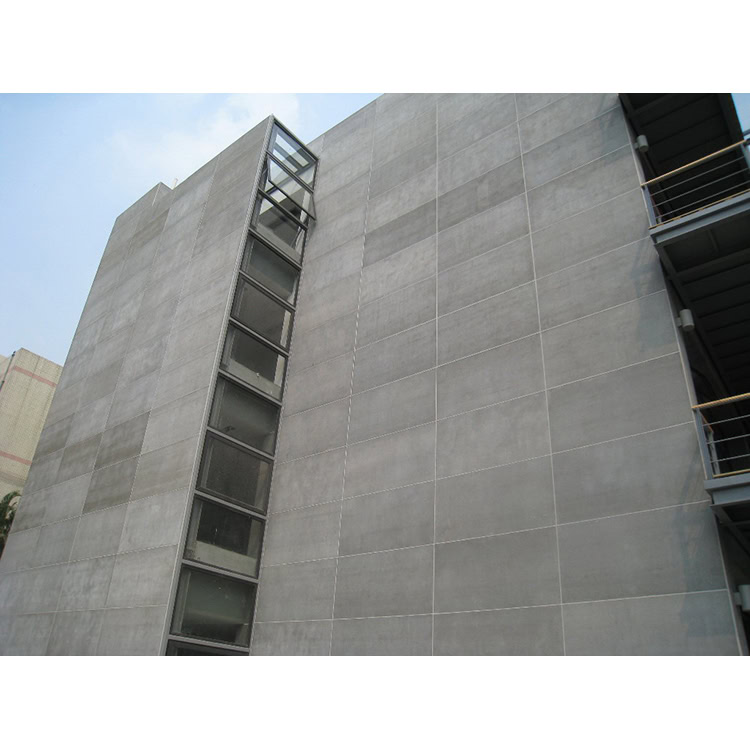
I increasingly see prefab and modular manufacturers specify fiber cement board for superior quality control, installation efficiency, and sustainable building performance.
Understanding prefab suitability enables optimal material selection for factory-manufactured and modular construction systems.
Prefab Manufacturing Advantages
| Manufacturing Factor | Traditional Construction | Prefab Advantage | Quality Enhancement | Efficiency Gain |
|---|---|---|---|---|
| Quality control | Site-dependent | Factory precision | Consistent quality | Defect reduction |
| Production speed | Weather-dependent | Controlled environment | Predictable schedule | Time savings |
| Material waste | Site waste | Optimized cutting | Waste reduction | Cost efficiency |
| Skill requirements | Variable expertise | Specialized workforce | Professional quality | Consistency assurance |
Prefab manufacturing provides superior quality control and production efficiency for fiber cement applications.
Modular Design Integration
| Modular Aspect | Design Requirement | Fiber Cement Solution | System Benefit | Construction Advantage |
|---|---|---|---|---|
| Standardized dimensions | Precise sizing | Accurate manufacturing | Perfect fit | Assembly efficiency |
| Modular coordination | Component matching | System compatibility | Seamless integration | Construction speed |
| Connection systems | Reliable joining | Multiple fastening | Secure assembly | Structural integrity |
| Quality consistency | Uniform performance | Factory production | Predictable quality | Professional results |
Modular design integration enables efficient assembly and superior building system performance.
Factory Production Benefits
| Production Benefit | Manufacturing Advantage | Quality Impact | Cost Efficiency | Market Value |
|---|---|---|---|---|
| Controlled environment | Weather independence | Consistent quality | Reduced delays | Reliable delivery |
| Specialized equipment | Precision manufacturing | Enhanced accuracy | Process efficiency | Premium quality |
| Quality systems | Systematic control | Defect prevention | Waste reduction | Value optimization |
| Skilled workforce | Professional expertise | Superior craftsmanship | Productivity increase | Quality assurance |
Factory production delivers superior quality and efficiency compared to traditional site construction.
Assembly Efficiency Systems
| Assembly Factor | Traditional Method | Prefab Advantage | Time Savings | Quality Improvement |
|---|---|---|---|---|
| Component preparation | Site cutting | Pre-fabricated | 60-80% reduction | Precision improvement |
| Installation sequence | Variable process | Systematic assembly | 40-60% faster | Consistency enhancement |
| Quality control | Inspection challenges | Factory verification | Immediate correction | Defect elimination |
| Weather independence | Site delays | Controlled assembly | Schedule reliability | Consistent progress |
Assembly efficiency systems significantly reduce construction time and improve quality outcomes.
Sustainable Construction Benefits
| Sustainability Factor | Environmental Impact | Resource Efficiency | Lifecycle Benefit | Future Value |
|---|---|---|---|---|
| Material optimization | Waste reduction | Efficient use | Resource conservation | Environmental stewardship |
| Energy efficiency | Thermal performance | Reduced consumption | Operating savings | Lifecycle value |
| Recyclability | End-of-life value | Material recovery | Circular economy | Sustainability compliance |
| Carbon footprint | Emission reduction | Manufacturing efficiency | Climate benefit | Environmental responsibility |
Sustainable construction benefits align with green building requirements and environmental responsibility.
System Integration Capabilities
| Integration Aspect | System Component | Integration Method | Performance Enhancement | Value Addition |
|---|---|---|---|---|
| Structural systems | Load-bearing elements | Engineered connection | Structural integrity | Safety assurance |
| Thermal envelope | Insulation integration | Continuous barrier | Energy efficiency | Comfort optimization |
| Weather protection | Building envelope | Sealed systems | Durability enhancement | Maintenance reduction |
| Finish systems | Aesthetic components | Integrated design | Visual quality | Value enhancement |
System integration enables comprehensive building performance and aesthetic quality optimization.
Quality Control Protocols
| Quality Aspect | Control Method | Verification Process | Standard Achievement | Professional Assurance |
|---|---|---|---|---|
| Dimensional accuracy | Precision measurement | Statistical control | ±2mm tolerance | Manufacturing precision |
| Material properties | Testing protocols | Performance verification | Specification compliance | Quality assurance |
| System compatibility | Interface testing | Assembly verification | Perfect fit | Integration success |
| Finish quality | Visual inspection | Aesthetic standards | Professional appearance | Market acceptance |
Quality control protocols ensure consistent performance and professional results in prefab applications.
Market Applications
| Application Sector | Market Opportunity | Performance Requirements | Fiber Cement Advantage | Business Value |
|---|---|---|---|---|
| Residential housing | Mass housing | Cost + quality | Efficient production | Market competitiveness |
| Commercial buildings | Office/retail | Performance + speed | System integration | Project efficiency |
| Educational facilities | Schools/universities | Safety + durability | Fire resistance | Long-term value |
| Healthcare facilities | Hospitals/clinics | Health + performance | Non-toxic materials | Patient safety |
Market applications demonstrate fiber cement's versatility and value in diverse prefab sectors.
Technology Innovation
| Innovation Area | Technology Development | Performance Impact | Market Advantage | Future Opportunity |
|---|---|---|---|---|
| Digital manufacturing | Automated production | Precision enhancement | Cost reduction | Competitive advantage |
| Smart systems | Integrated technology | Performance monitoring | Value addition | Market differentiation |
| Sustainable materials | Eco-friendly formulations | Environmental benefit | Green compliance | Sustainability leadership |
| Modular optimization | System advancement | Efficiency improvement | Market expansion | Growth opportunity |
Technology innovation drives continuous improvement and market leadership in prefab applications.
Why Prefab Suitability Matters
| Traditional Construction | Advanced Prefab Systems |
|---|---|
| Site-dependent quality | Factory-controlled quality |
| Weather-affected schedule | Predictable production |
| Variable craftsmanship | Consistent professional results |
Prefab suitability ensures superior quality, efficiency, and sustainability in modern construction methods.
The Industry Shift Behind Prefab Questions
| Traditional Building Methods | Modern Prefab Systems |
|---|---|
| Site-based construction | Factory manufacturing |
| Craft-dependent quality | System-assured quality |
| Limited efficiency | Optimized production |
I increasingly see prefab and modular manufacturers implement fiber cement board systems that provide superior manufacturing precision, assembly efficiency, and sustainable building performance for optimal factory-built construction and modular building solutions.
Conclusion
At TRUSUS, I see fiber cement applications expanding from traditional construction toward industrialized building systems including container house conversions, steel structure integration, prefab panel optimization, and modular building assembly for advanced construction efficiency and performance. Success requires treating fiber cement as an integrated manufacturing system demanding systematic analysis of structural compatibility, production optimization, assembly techniques, and quality control for superior industrialized construction outcomes and sustainable building solutions.
