



Is Fiber Cement Board Safe For Dog Kennels?
Fiber cement board is generally safe for dog kennels when properly installed, sealed, and maintained. Its non‑combustible and moisture‑resistant properties make it suitable for animal spaces, but surface treatment and dust control are critical for long‑term safety.
TRUSUS material insight: in animal environments, safety means more than durability. It also means biological compatibility and easy maintenance.
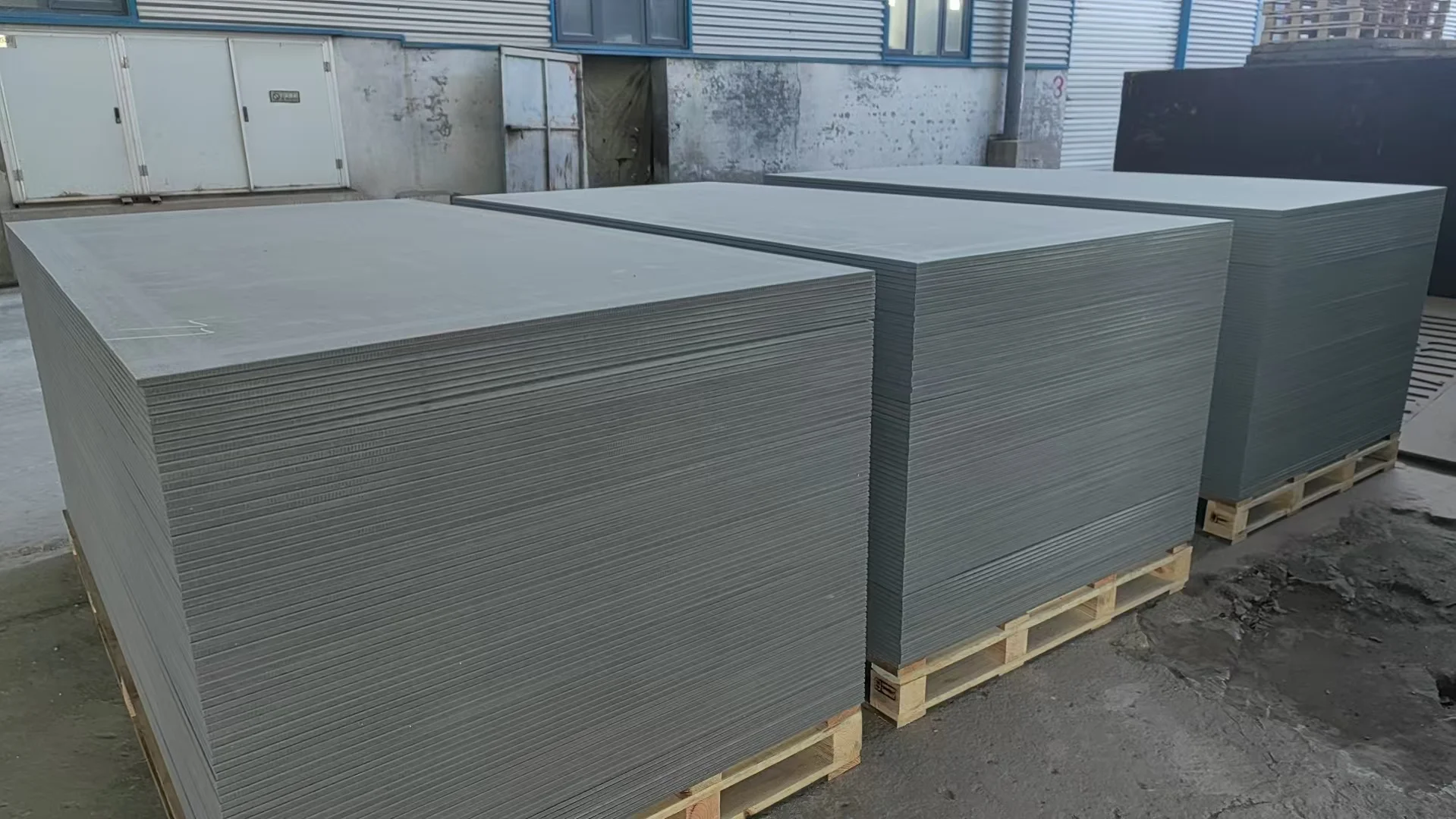
I have noticed a major change in how customers evaluate fiber cement board applications.
In the past, most questions focused on:
- Strength
- Fire resistance
- Water resistance
Now more clients ask whether the material is suitable for living environments shared with animals.
That shift changes how we define “safe.”
In animal spaces, a material should not only resist damage. It should also avoid disturbing the animal’s health, comfort, and daily behavior.
Key Safety Factors For Kennel Applications
| Factor | Why It Matters |
|---|---|
| Low VOC emissions | Supports air quality |
| Surface smoothness | Easier cleaning |
| Edge sealing | Reduces dust exposure |
| Moisture resistance | Prevents microbial growth |
Fiber cement itself is chemically stable and does not normally release harmful gases.
But untreated cut edges may produce dust particles during installation or damage. That is why proper sealing and finishing are essential in kennels and animal shelters.
I believe animal facilities are pushing building materials into a new category. Materials are no longer only part of the building structure. They are becoming part of the biological environment itself.
Can Cement Board Withstand Animal Waste Corrosion?
Cement board can resist moderate exposure to animal waste, but long‑term contact with urine, ammonia, and organic acids may gradually damage untreated surfaces. Dense finishes and regular cleaning greatly improve durability.
TRUSUS corrosion insight: biological corrosion behaves differently from industrial chemical corrosion.
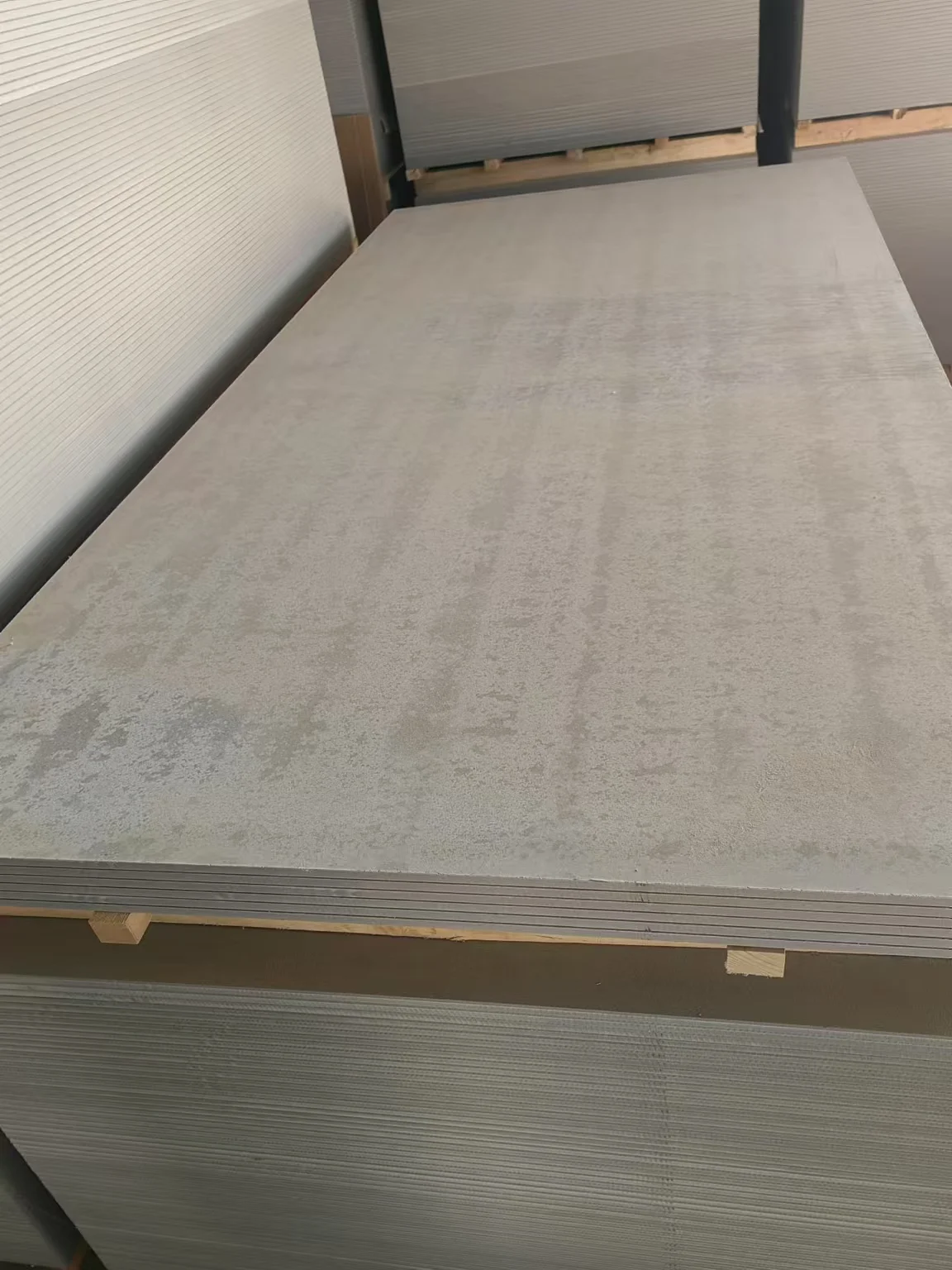
Common Corrosion Sources In Animal Spaces
| Source | Potential Effect |
|---|---|
| Urine ammonia | Surface degradation |
| Organic acids | Gradual erosion |
| Constant moisture | Mold growth risk |
| Waste residue | Odor and bacteria buildup |
Many people think corrosion only means strong chemicals attacking a material surface.
But in animal spaces, corrosion is usually slower and more biological in nature.
Animal waste creates a continuous cycle of:
- Moisture exposure
- Organic acid activity
- Ammonia accumulation
- Microbial growth
Fiber cement board has an alkaline base that offers some resistance to weak acids.
Still, over time, rough untreated surfaces can become more porous and harder to clean.
Once that happens, bacteria and odor compounds can accumulate more easily.
In my experience, surface density often matters more than board thickness in these applications.
A smoother and sealed surface can dramatically improve:
- Hygiene
- Cleaning efficiency
- Odor control
- Long‑term appearance
That is why modern animal facility design increasingly focuses on surface engineering instead of only structural strength.
Best Thickness For Fiber Cement Board In Stables?
For most stable and livestock applications, fiber cement boards between 12 mm and 16 mm provide a good balance of strength, impact resistance, and environmental stability. The ideal thickness depends on animal size, impact risk, and climate conditions.
TRUSUS design insight: thickness in animal spaces affects comfort as much as structural performance.
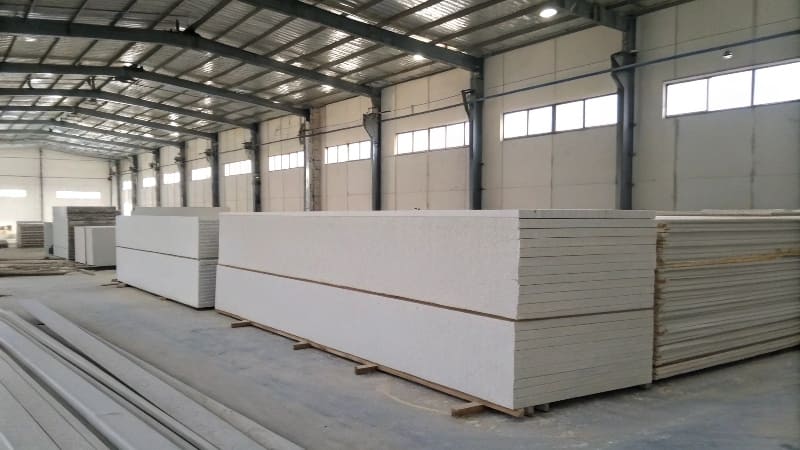
Recommended Thickness Guide
| Application | Suggested Thickness |
|---|---|
| Dog kennels | 8–12 mm |
| Horse stables | 12–16 mm |
| Livestock facilities | 12–18 mm |
In traditional construction, board thickness mainly relates to load capacity and structural span.
But in animal environments, the logic becomes much broader.
Thickness also influences:
- Thermal stability
- Acoustic behavior
- Impact absorption
- Environmental comfort
Thicker boards store heat more effectively, which helps reduce temperature fluctuations inside stables.
They can also absorb impact energy better when animals strike walls or partitions.
This can reduce stress reactions and improve durability.
However, extremely thick boards also increase thermal mass.
In some climates, that may slow heating and cooling cycles too much.
So selecting thickness becomes a balance between structural performance and environmental adaptability.
I believe this reflects a larger industry change.
Building materials are no longer evaluated only as engineering products. They are increasingly evaluated as environmental control systems.
Does Fiber Cement Board Absorb Pet Odors?
Fiber cement board does not strongly absorb pet odors by itself, but rough or unsealed surfaces can trap organic residue that later produces smells. Proper sealing and cleaning are the key factors in odor control.
TRUSUS surface insight: odor problems are usually maintenance and surface structure issues, not core material failures.
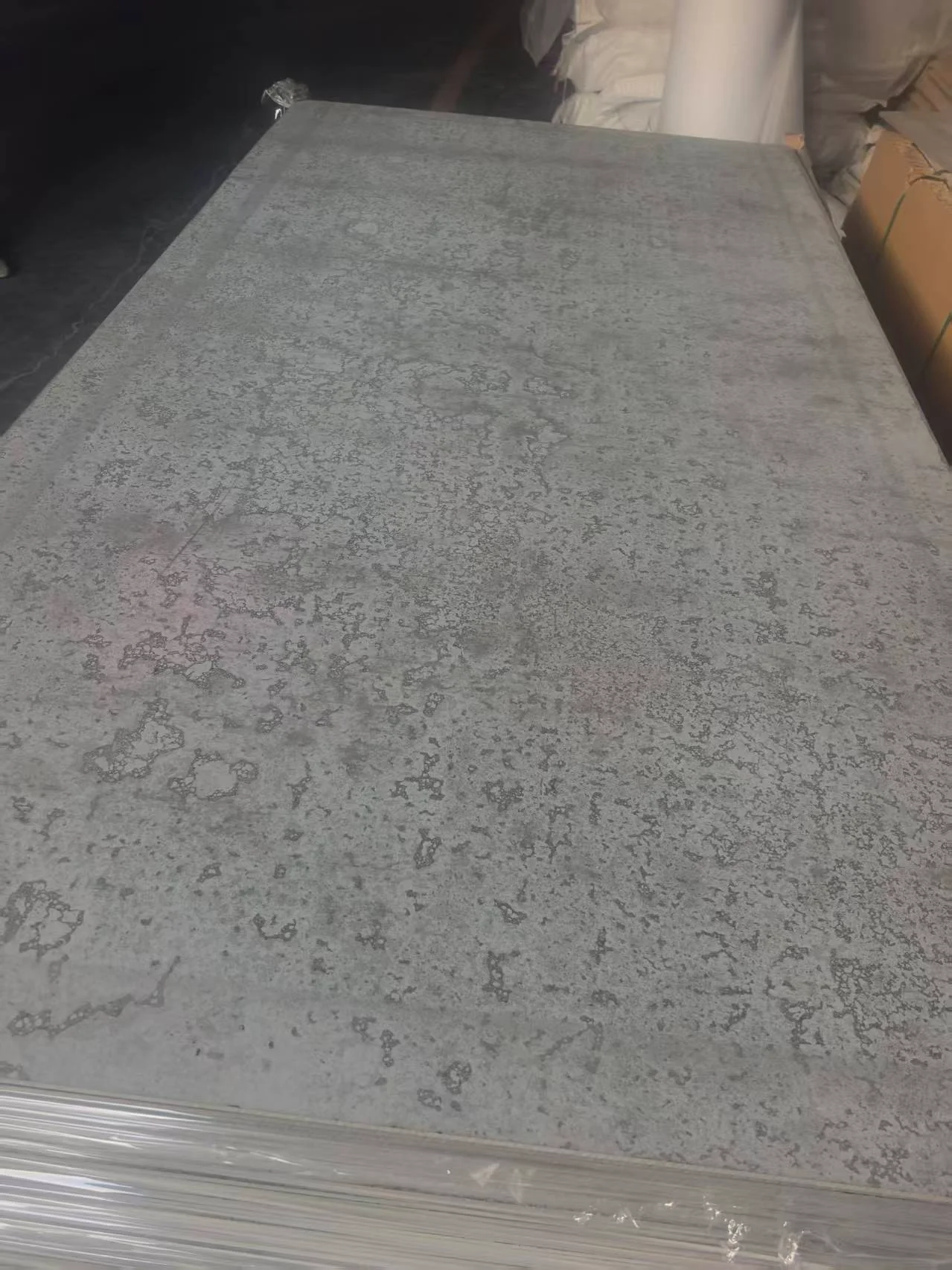
Odor Control Factors
| Factor | Impact On Odor |
|---|---|
| Surface roughness | Increases residue retention |
| Sealed coating | Improves cleanability |
| Moisture control | Reduces bacterial growth |
| Cleaning frequency | Prevents odor buildup |
I often hear customers ask whether cement board “absorbs smell.”
In reality, standard fiber cement board has relatively low gas absorption ability.
The bigger issue is microscopic surface texture.
If organic material remains trapped inside tiny surface depressions, microorganisms begin breaking it down over time.
That process creates persistent odors.
The solution is not simply choosing a different material.
The solution is selecting products with:
- Dense surfaces
- Protective coatings
- Proper edge treatment
- Good maintenance compatibility
This is why the industry is moving toward application‑specific product systems.
Animal environments require different priorities than ordinary residential walls.
As manufacturers, we increasingly design products not only for buildings, but for the living conditions inside those buildings.
Conclusion
At TRUSUS, I see fiber cement board evolving from a basic construction material into a biological environment interface. In animal spaces, true performance depends on hygiene, comfort, cleanability, and long‑term environmental compatibility working together as one complete system.