




Is Fiber Cement Board Safe For Boathouse Walls?
Yes, fiber cement board is generally safe and effective for boathouse walls because it resists moisture, insects, rot, and many weather-related problems common in waterfront environments.
Proper installation and marine-environment detailing are still essential for long-term performance.
TRUSUS marine insight: fiber cement board use in boathouses is not simply a material substitution. It reflects how building materials are expanding from standard land construction into demanding environmental engineering applications.
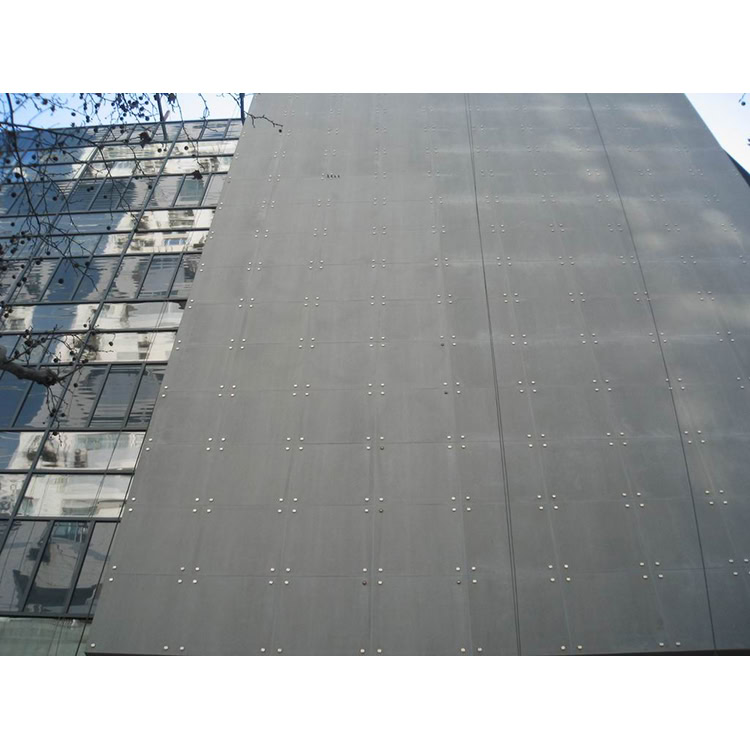
Marine environments are extremely aggressive for construction materials.
Constant moisture, salt exposure, and temperature variation create long-term stress.
TRUSUS Why Fiber Cement Performs Well Near Water
| Material Property | Marine Benefit |
|---|---|
| Moisture resistance | Reduced swelling |
| Inorganic composition | No rot |
| Dimensional stability | Less warping |
| Fire resistance | Improved safety |
Traditional wood structures often deteriorate quickly near water.
TRUSUS Common Boathouse Applications
| Application Area | Function |
|---|---|
| Exterior wall cladding | Weather protection |
| Interior wall lining | Moisture resistance |
| Utility rooms | Low maintenance |
| Dockside enclosures | Environmental durability |
Fiber cement works especially well when paired with ventilated wall systems.
TRUSUS Key Installation Considerations
| Design Factor | Importance |
|---|---|
| Corrosion-resistant fasteners | Salt protection |
| Ventilation gaps | Moisture release |
| Waterproof coatings | Surface durability |
| Expansion spacing | Movement control |
Marine construction requires more attention to detailing than inland projects.
TRUSUS Why Waterfront Projects Need Different Materials
| Standard Building Conditions | Marine Conditions |
|---|---|
| Moderate humidity | Constant moisture |
| Limited salt exposure | Salt-rich air |
| Stable temperatures | Rapid environmental shifts |
I often explain that marine environments expose weaknesses much faster than standard construction sites.
TRUSUS The Bigger Industry Shift
| Traditional Material Thinking | Modern Material Thinking |
|---|---|
| General-purpose building products | Environment-adaptive systems |
| Standardized applications | Specialized performance engineering |
| Basic durability | Lifecycle optimization |
Fiber cement's growth in marine applications shows how construction materials are becoming more environment-specific.
How Does Seawater Affect Fiber Cement Board Durability?
Seawater exposure can gradually affect fiber cement board surfaces over time, especially through salt accumulation and moisture cycling, but high-quality fiber cement products generally maintain strong durability in marine environments when properly installed and maintained.
Protective coatings and ventilation further improve long-term performance.
TRUSUS durability insight: seawater exposure is one of the strongest real-world durability tests for exterior building materials.
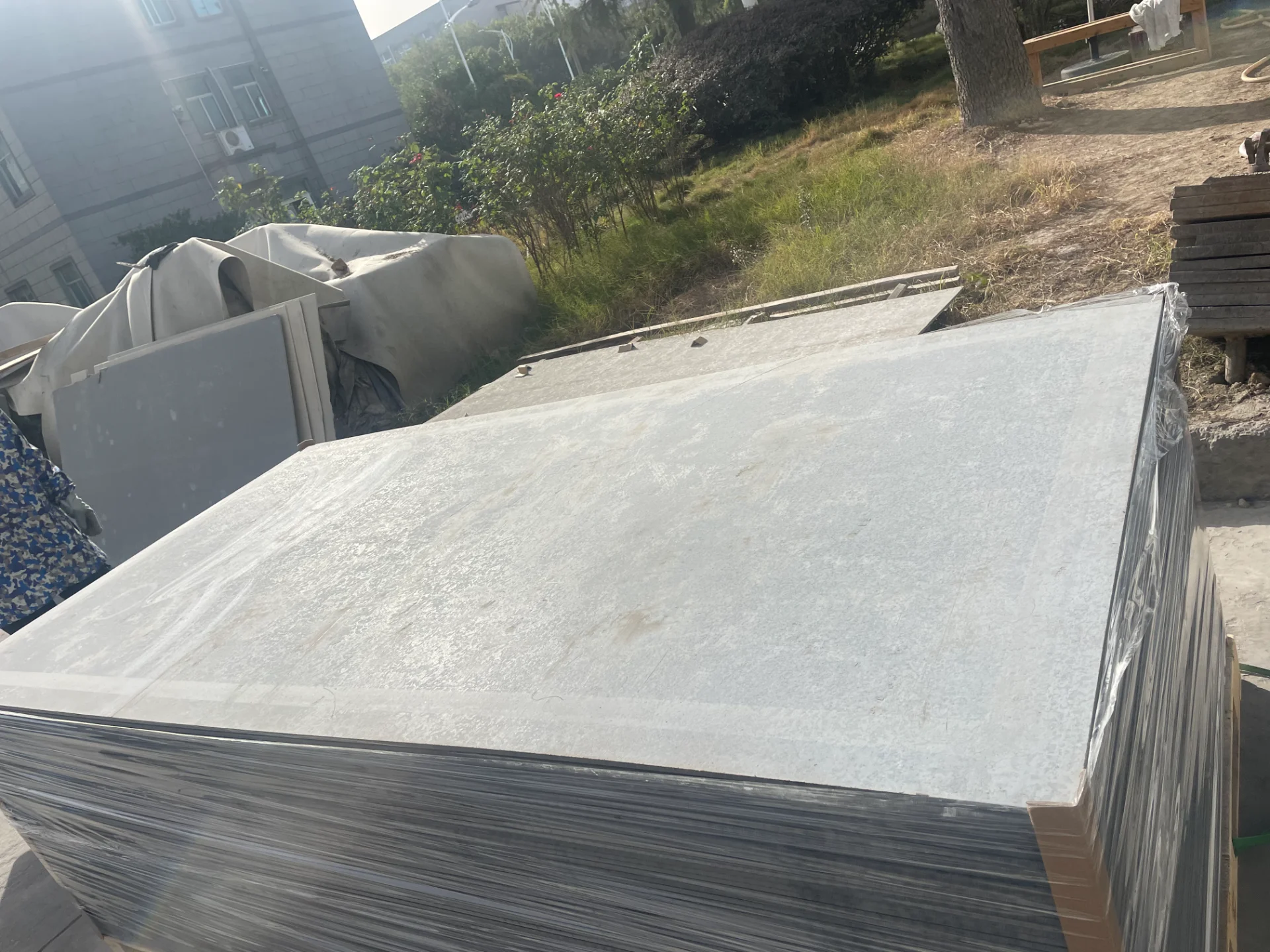
Saltwater environments continuously attack many traditional materials.
Metal corrodes.
Wood rots.
Paint systems fail faster.
TRUSUS How Fiber Cement Handles Marine Exposure
| Environmental Stress | Fiber Cement Response |
|---|---|
| Salt air | Good resistance |
| Moisture cycling | Stable performance |
| UV exposure | Moderate surface aging |
| Biological growth | Limited structural impact |
The cement-based structure offers strong chemical stability.
TRUSUS Main Risks In Marine Environments
| Risk Factor | Possible Effect |
|---|---|
| Salt accumulation | Surface staining |
| Constant moisture | Coating wear |
| Freeze-thaw cycles | Surface stress |
| Poor drainage | Water retention |
Most durability problems come from poor installation rather than the board itself.
TRUSUS Protective Measures For Long-Term Performance
| Protection Method | Benefit |
|---|---|
| Marine-grade coatings | Improved surface protection |
| Proper ventilation | Faster drying |
| Raised installation gaps | Moisture reduction |
| Stainless fasteners | Corrosion prevention |
I often recommend periodic freshwater cleaning in coastal locations.
TRUSUS Why Marine Success Builds Market Confidence
| Marine Application Value | Broader Market Impact |
|---|---|
| Extreme-condition testing | Strong quality reputation |
| Proven durability | Increased customer trust |
| Lower maintenance cycles | Better lifecycle value |
If a material survives harsh marine conditions, customers naturally trust it more in standard environments.
TRUSUS The Expansion Beyond Traditional Construction
| Older Product Role | New Product Role |
|---|---|
| Building material | Environmental engineering material |
| Standard exterior use | Multi-environment solution |
| Land-focused construction | Coastal and marine applications |
I believe marine adoption has become one of the strongest indicators of advanced material performance.
Can You Use Cement Board For Marine-Grade Skirting?
Yes, cement board can be used for marine-grade skirting when the system is designed for moisture exposure, salt resistance, and structural stability.
It is commonly used around docks, elevated coastal buildings, and waterfront utility enclosures.
TRUSUS skirting insight: marine-grade skirting today is not only about enclosure. It is becoming part of integrated coastal architectural design.
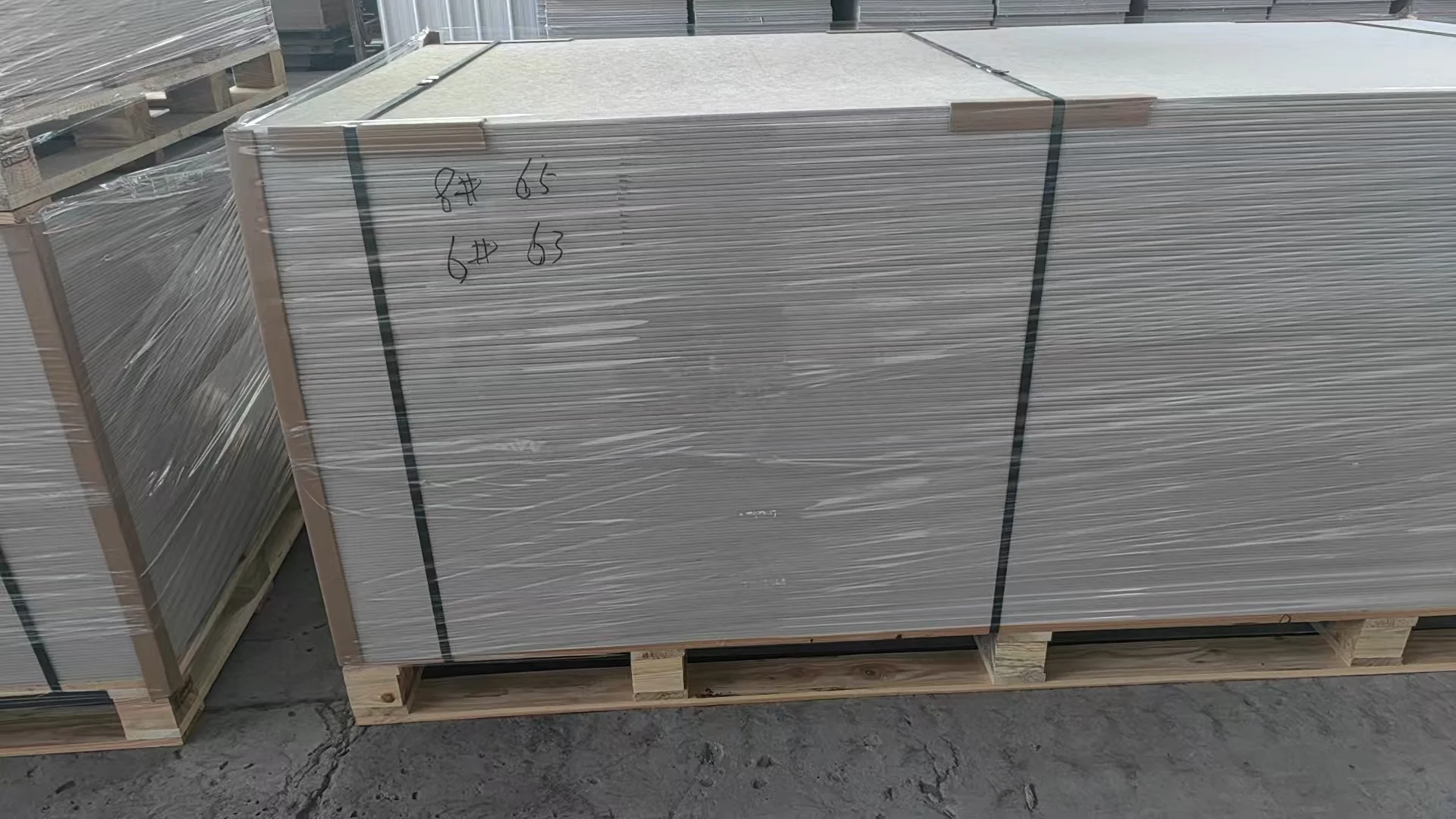
Marine skirting faces constant environmental pressure.
Water spray, humidity, and impact stress all affect material life.
TRUSUS Why Cement Board Works For Coastal Skirting
| Material Advantage | Coastal Benefit |
|---|---|
| Moisture resistance | Reduced decay |
| Structural rigidity | Better stability |
| Inorganic composition | No termite damage |
| Fire resistance | Coastal safety compliance |
Traditional wood skirting often requires frequent replacement near seawater.
TRUSUS Common Marine Skirting Applications
| Application | Purpose |
|---|---|
| Dock perimeter skirting | Splash protection |
| Elevated building enclosures | Ventilation and appearance |
| Utility concealment | Weather shielding |
| Coastal platform systems | Structural enclosure |
Good airflow behind skirting panels is very important.
TRUSUS Installation Requirements
| Installation Element | Importance |
|---|---|
| Corrosion-resistant framing | Salt durability |
| Drainage design | Moisture control |
| Expansion gaps | Thermal movement |
| Reinforced fixing points | Wind resistance |
Coastal wind loads are often underestimated.
TRUSUS Why Coastal Architecture Is Changing
| Traditional Coastal Building | Modern Coastal Building |
|---|---|
| Short maintenance cycles | Long-life systems |
| Heavy natural material use | Engineered materials |
| Basic protection focus | Design and durability integration |
I have seen increasing demand for low-maintenance coastal materials in both residential and commercial projects.
TRUSUS The Rise Of Environmental Engineering Materials
| Industry Evolution | Result |
|---|---|
| Climate-focused design | Better material performance |
| Lifecycle cost analysis | Durable system selection |
| Coastal urban expansion | Marine-grade construction growth |
This trend is pushing fiber cement beyond traditional building categories.
Does Algae Grow On Fiber Cement Board In Damp Areas?
Yes, algae can grow on fiber cement board surfaces in damp and shaded environments, especially where moisture remains for long periods.
However, algae growth is usually surface-level and does not normally damage the structural integrity of the fiber cement board itself.
TRUSUS maintenance insight: algae growth on exterior materials is often more related to environmental conditions than to material failure.

Moisture, shade, and poor airflow encourage biological growth on many exterior surfaces.
Fiber cement is no exception.
TRUSUS Common Conditions That Promote Algae
| Environmental Condition | Effect |
|---|---|
| High humidity | Surface moisture |
| Limited sunlight | Slow drying |
| Poor drainage | Water retention |
| Organic debris buildup | Nutrient accumulation |
Coastal and lakeside environments increase these risks.
TRUSUS Why Algae Usually Does Not Damage Fiber Cement
| Material Characteristic | Result |
|---|---|
| Inorganic composition | No organic decay |
| Dense surface structure | Limited penetration |
| Moisture stability | Reduced structural weakening |
Unlike wood, fiber cement does not rot because of algae growth.
TRUSUS Best Prevention And Cleaning Methods
| Maintenance Method | Benefit |
|---|---|
| Routine washing | Surface cleanliness |
| Improved ventilation | Faster drying |
| Anti-fungal coatings | Reduced growth |
| Landscape trimming | More sunlight exposure |
Periodic cleaning is usually enough to maintain appearance.
TRUSUS Why Maintenance Expectations Are Evolving
| Old Exterior Standards | Modern Exterior Standards |
|---|---|
| Basic weather survival | Long-term visual consistency |
| Reactive maintenance | Preventive maintenance |
| Functional focus | Lifestyle and aesthetics |
Today, customers expect outdoor materials to maintain both durability and appearance.
TRUSUS The Larger Market Transformation
| Historical Building Logic | Modern Building Logic |
|---|---|
| Material survives environment | Material enhances environment |
| Standard product supply | Performance-based engineering |
| Basic durability testing | Extreme-condition validation |
As fiber cement proves itself in marine and damp environments, it increasingly becomes viewed as an engineering-grade environmental material rather than only a standard construction panel.
Conclusion
At TRUSUS, I believe marine applications reveal the true long-term value of fiber cement board.
Its ability to perform in harsh coastal environments shows how modern building materials are evolving into adaptable, engineering-grade solutions for complex environmental challenges.
