



Is Fiber Cement Board Safe For Balcony Flooring?
Yes, fiber cement board is safe for balcony flooring when installed with proper structural support, waterproofing, and outdoor-rated framing. It resists moisture, insects, and fire better than many wood-based materials.
TRUSUS outdoor insight: balcony safety depends on system design, not board alone.
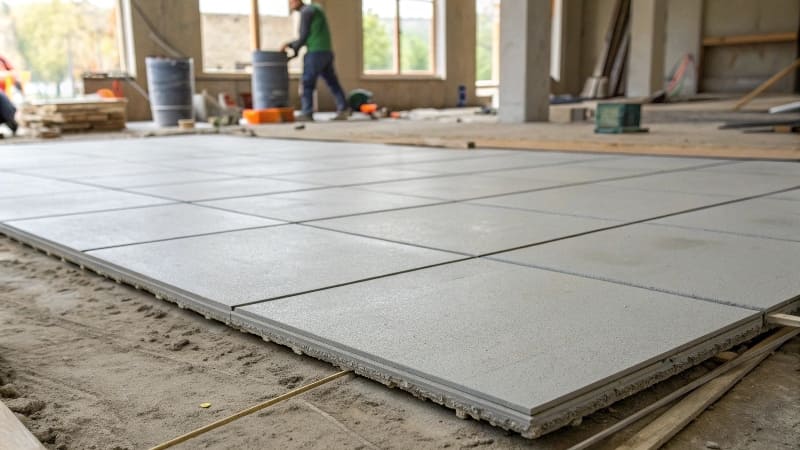
I have seen more architects use fiber cement boards in semi‑outdoor living spaces because they stay dimensionally stable during seasonal weather changes. Still, safe balcony flooring requires correct joist spacing, drainage slope, and expansion allowance. The board works best as part of a coordinated outdoor platform system.
Can Fiber Cement Board Support Heavy Outdoor Furniture?
Yes, fiber cement board can support heavy outdoor furniture if the substructure is engineered correctly. Load capacity depends more on framing and support spacing than panel thickness alone.
TRUSUS structural insight: long‑term stability matters more than one‑time strength.
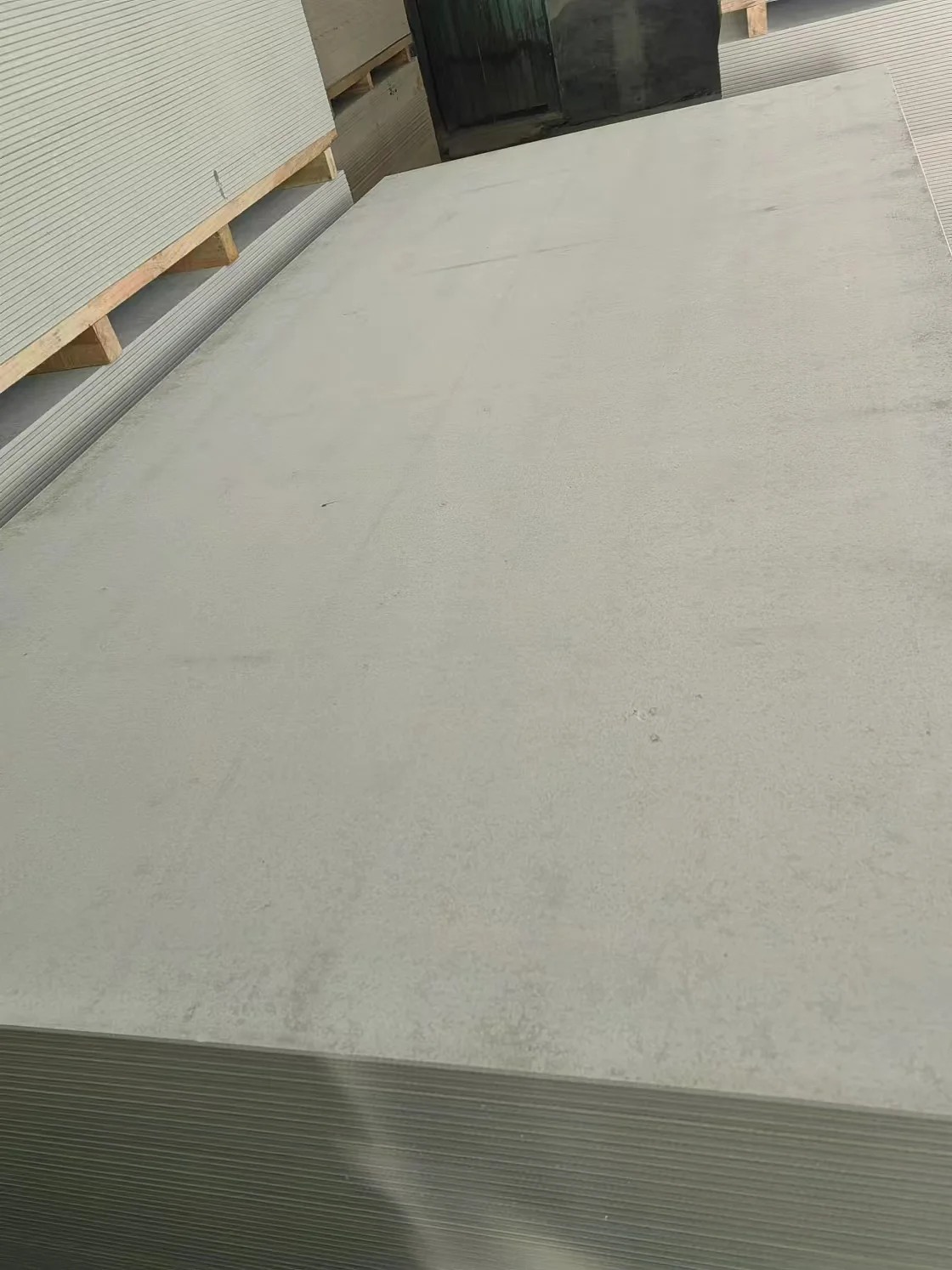
Outdoor Load Support Table
| Component | Function | Impact On Strength |
|---|---|---|
| Fiber cement board density | Surface rigidity | Reduces flexing |
| Joist spacing | Structural distribution | Prevents sagging |
| Fastener system | Load transfer | Improves stability |
| Waterproof layer | Moisture protection | Extends service life |
| Expansion gap | Thermal movement control | Prevents cracking |
On one rooftop project, the furniture itself was not the problem. Poor framing alignment caused stress concentration near joints. After redesigning support spacing, the surface remained stable for years.
Heavy outdoor use tests the entire platform system, not only the visible layer.
Best Waterproof Sealant For Fiber Cement Board Decks?
The best waterproof sealants for fiber cement board decks are polyurethane, hybrid polymer, or high‑quality silicone sealants designed for exterior movement joints. They stay flexible under heat and moisture cycles.
TRUSUS sealing insight: outdoor durability begins at the joints.
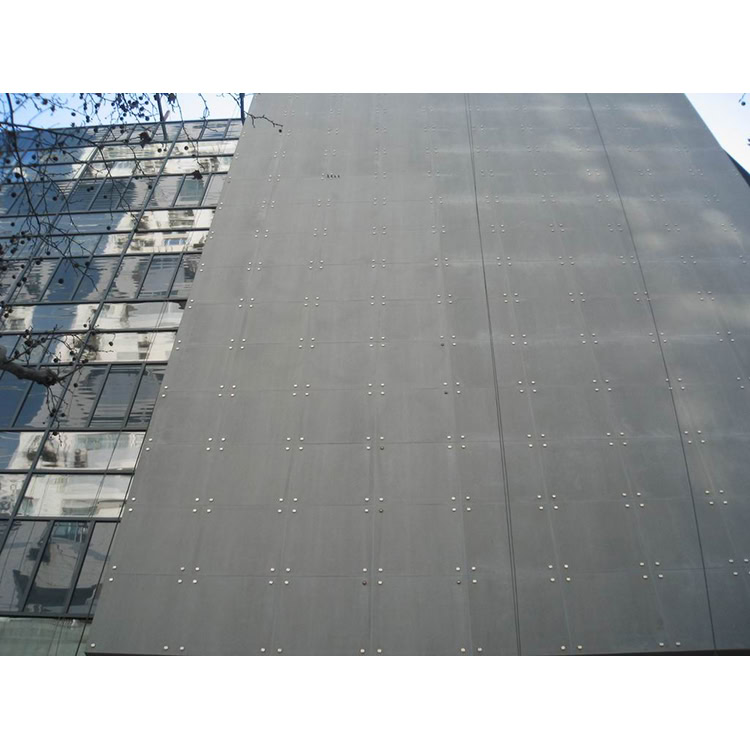
Exterior Sealant Comparison
| Sealant Type | Flexibility | UV Resistance | Best Use |
|---|---|---|---|
| Polyurethane | High | Good | Heavy outdoor decks |
| Hybrid polymer | Very high | Excellent | Long‑term movement joints |
| Exterior silicone | Medium | Excellent | Wet exposure zones |
| Acrylic caulk | Low | Moderate | Temporary sealing only |
Many outdoor failures happen around seams, not across board surfaces. That changed how I think about product development. Today, compatibility between board edges, coatings, and sealants matters as much as compressive strength.
A durable deck is really a durable interface system.
Does Cement Board Get Too Hot In Summer Sun?
Fiber cement board can become warm under direct sunlight, but surface temperature depends heavily on color, coating, texture, and airflow. Light finishes absorb far less heat than dark surfaces.
TRUSUS climate insight: modern building materials must manage comfort, not only durability.
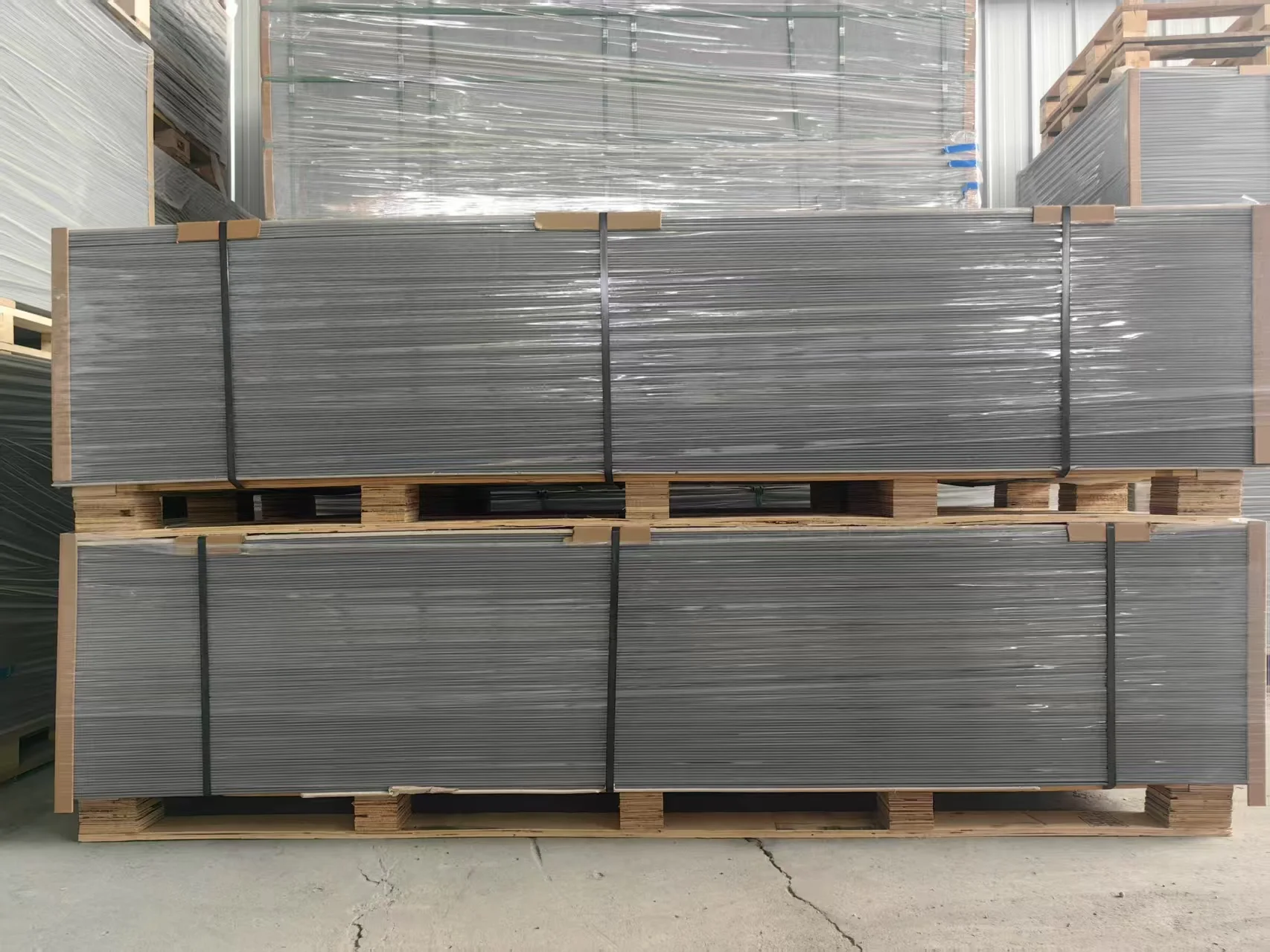
Heat Performance Factors
| Factor | Effect On Surface Heat | Recommendation |
|---|---|---|
| Dark color coating | High heat absorption | Avoid for exposed decks |
| Light mineral finish | Reflects sunlight | Best for hot climates |
| Smooth dense surface | Stores heat longer | Combine with ventilation |
| Raised deck airflow | Reduces retained heat | Improve comfort |
I noticed during summer product testing that pale mineral coatings stayed noticeably cooler by afternoon compared with dark textured finishes. This shows how outdoor comfort is becoming part of material engineering.
The next generation of cement boards will not only resist weather. They will help shape outdoor climate experience itself.
Conclusion
At TRUSUS, I see fiber cement board evolving beyond hidden construction layers. Balconies, decks, and outdoor living spaces now demand materials that combine strength, waterproof coordination, climate comfort, and long‑term environmental performance as one integrated system.