




Is Fiber Cement Board Recyclable?
Yes, fiber cement board is recyclable. It can be crushed, reprocessed, and reused in new building materials such as cement aggregates or road base, minimizing construction waste and resource loss.
TRUSUS sustainability insight: strength lasts longer when it returns to the cycle.
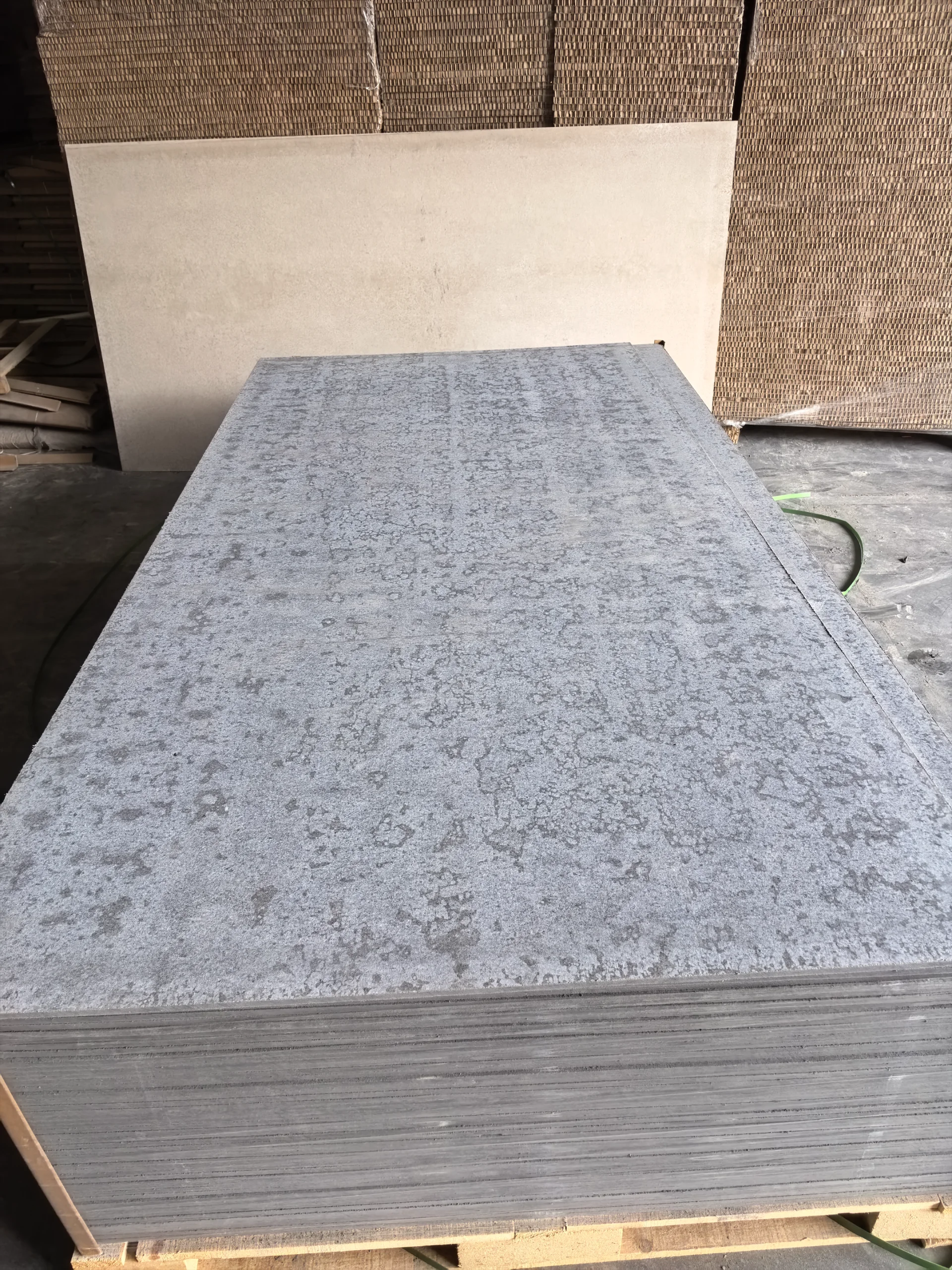
Though recycling requires professional processing, ongoing innovations in mechanical separation and low-carbon curing help make fiber cement part of the building material reuse chain.
Is Fiber Cement Board Eco-Friendly?
Fiber cement board is considered eco-friendly when produced with low-carbon cement, recycled fibers, and energy-efficient manufacturing methods. Its long life and minimal maintenance reduce environmental impact over time.
green insight: sustainability is built from how materials are made, not just how long they last.
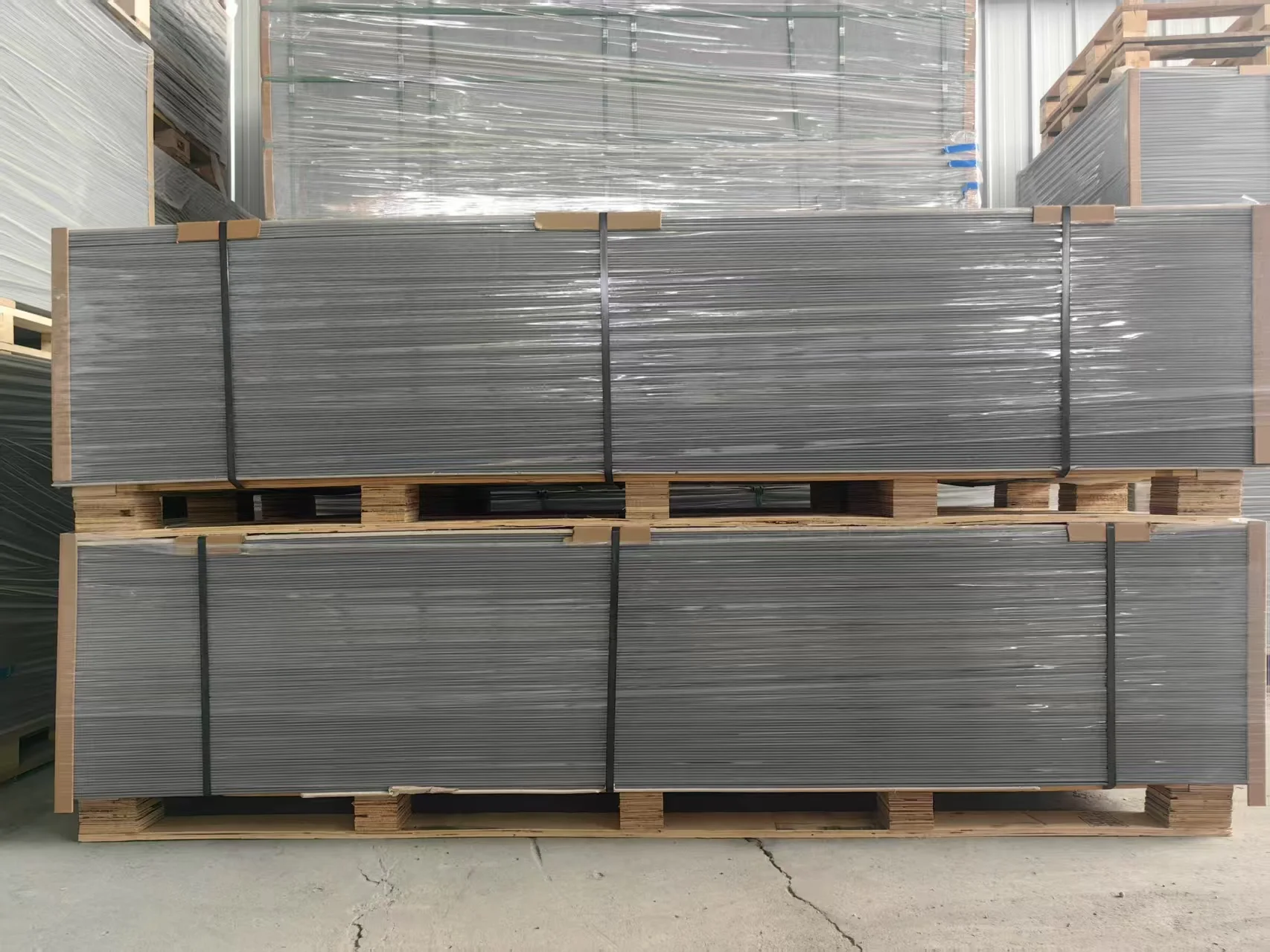
Eco-Performance Overview
| Feature | Description | Impact |
|---|---|---|
| Raw Materials | Cement, cellulose, sand, recycled fibers | Reduces virgin resource demand |
| Energy Efficiency | Low-temperature curing process | Cuts production emissions |
| Longevity | Over 50 years lifespan | Fewer replacements needed |
| Waste Recovery | Recyclable after demolition | Promotes circular economy |
By extending durability and enabling reuse, fiber cement supports sustainable construction without sacrificing toughness or design performance.
Does Fiber Cement Siding Increase Home Value?
Yes, fiber cement siding increases home value. Its durability, fire resistance, and low maintenance make properties more desirable to buyers and appraisers alike.
value insight: sustainability adds beauty, but also equity.
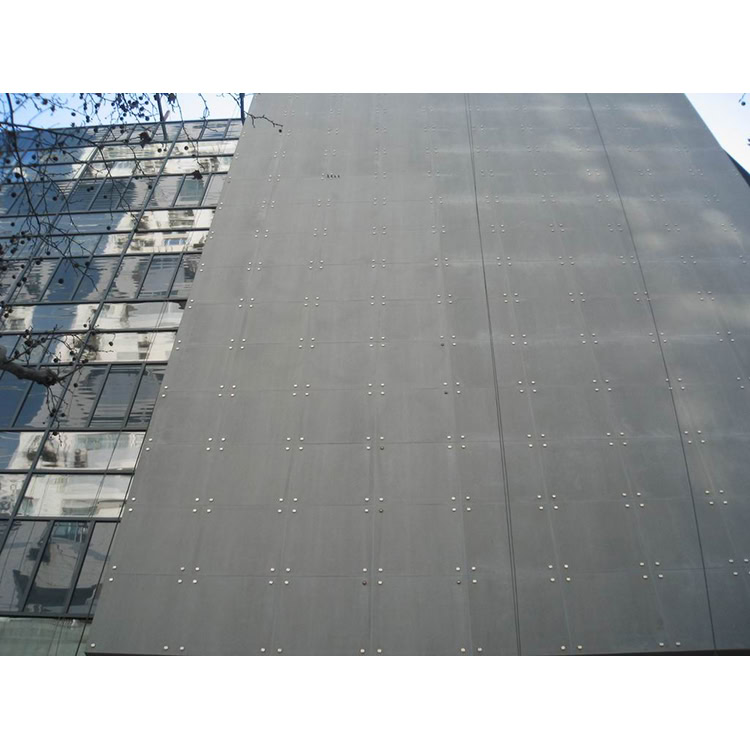
Property Value Factors
| Factor | Description | Result |
|---|---|---|
| Durability | Withstands moisture, pests, and fire | Lower long-term maintenance |
| Aesthetic Range | Smooth, wood-grain, or modern panels | Higher design appeal |
| Energy Efficiency | Works well with insulated systems | Better home performance rating |
| Market Perception | Seen as premium cladding | Boosts resale value |
In markets prioritizing sustainable design and minimal upkeep, cement siding consistently tests among top remodel returns for investment, blending modern appearance with enduring performance.
What Are Common Cement Board Problems?
Common issues include cracking, joint separation, moisture absorption from poor installation, and paint peeling when surfaces are unsealed or improperly ventilated.
maintenance insight: most problems are not material failures—they’re system warnings.
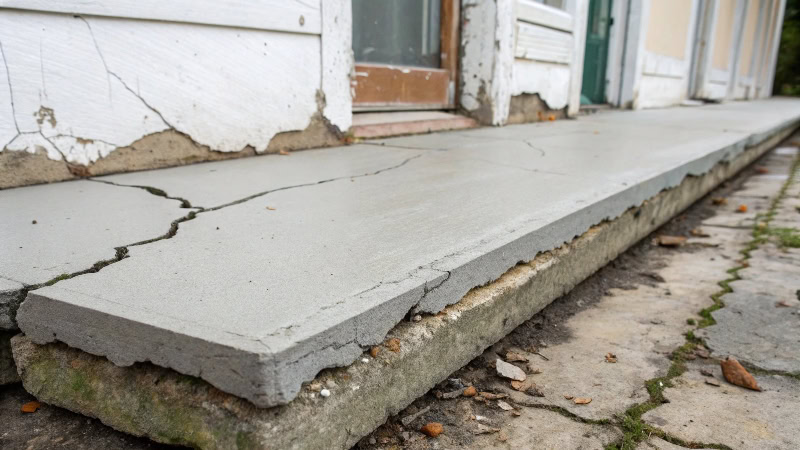
Problem and Solution Table
| Problem | Cause | Solution |
|---|---|---|
| Surface Cracks | Uneven framing or impact | Reinforce joints, use flexible sealant |
| Edge Delamination | Excess water during installation | Ensure dry conditions |
| Joint Gaps | No expansion allowance | Use backer rod and sealant |
| Paint Failure | Surface not primed | Apply breathable primer coating |
| Fastener Corrosion | Metal exposure to moisture | Use stainless or galvanized screws |
Proper installation and maintenance extend lifespan well beyond its standard expectation. Cement board performs best as part of a coordinated wall system, not as an isolated material.
Conclusion
Fiber cement board marks a shift from simple durability to sustainable value. At TRUSUS, I see every panel not just as a wall covering, but as part of a future-ready construction cycle where every layer counts toward lasting performance and environmental balance.
