




Is Fiber Cement Board Recyclable?
Yes, fiber cement board can be recycled. Although not all recycling facilities accept it, the board can be crushed and reused as aggregate or fill in new construction products. This keeps material from ending up in landfills.
TRUSUS sustainability insight: durability means nothing without renewability.
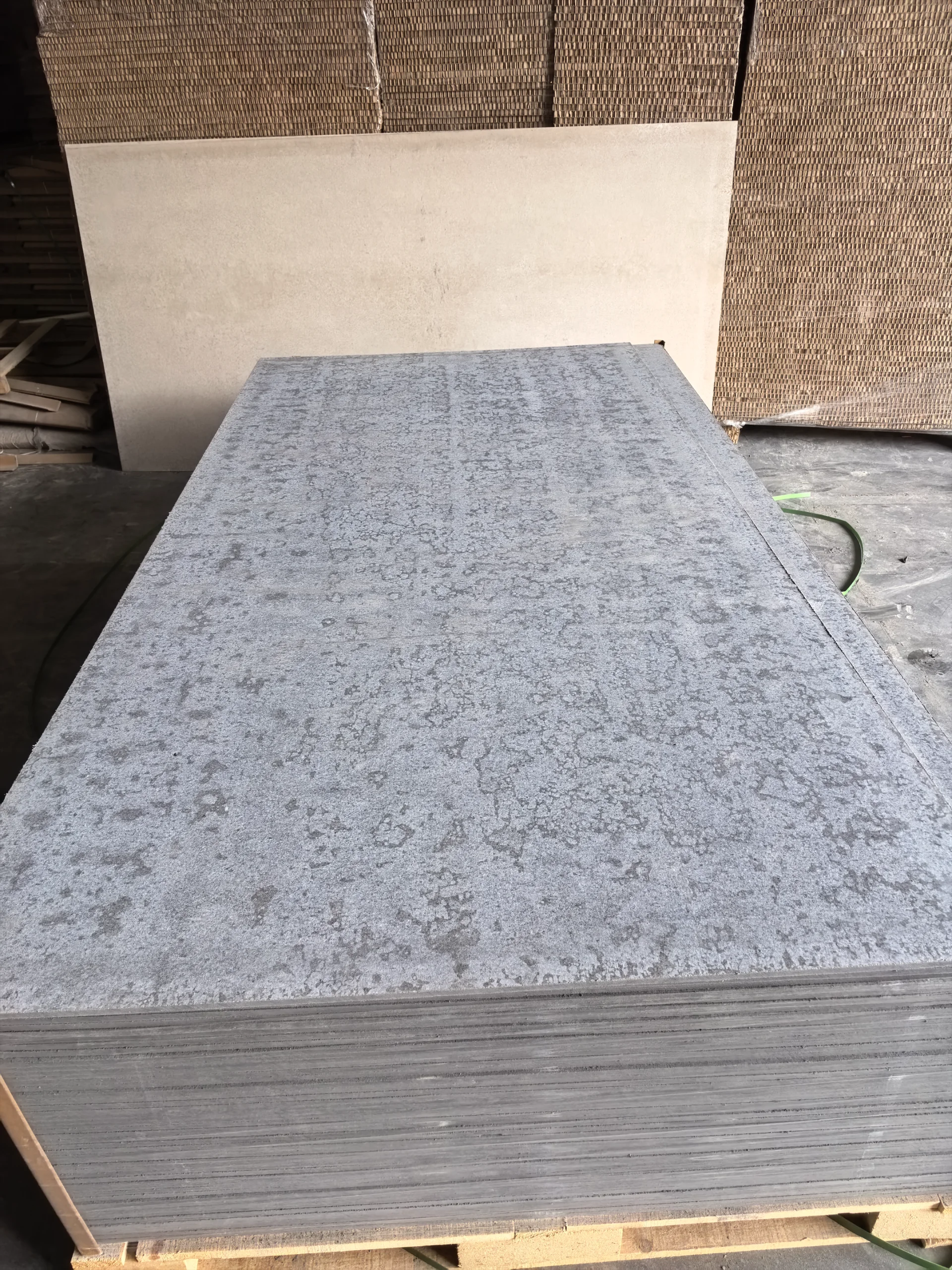
When properly sorted, fiber cement waste can enter reuse cycles as mineral fillers or reprocessed fiber composites, showing its potential as a truly circular building material.
Can Cement Board Be Reused?
Yes, cement board can be reused if it remains intact after removal. You can cut, edge-seal, and refit panels for renovations or modular builds. The board’s rigidity and stability make it suitable for partial reuse.
reuse insight: reuse is not about saving cost—it’s about extending life.
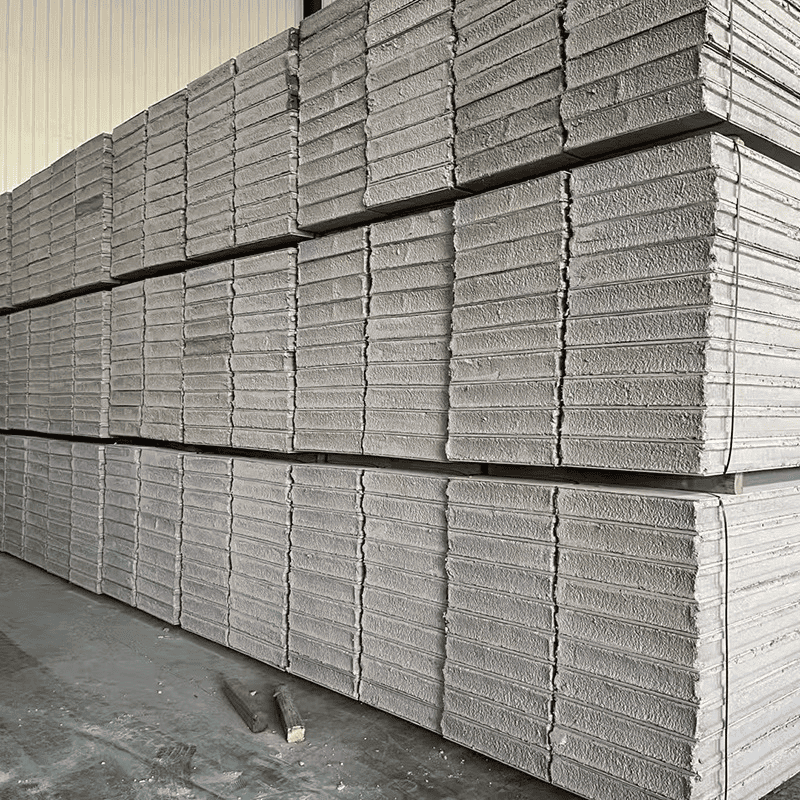
Cement Board Reuse Guidelines
| Condition | Reuse Possibility | Treatment Required | Notes |
|---|---|---|---|
| Unbroken panels | High | Clean edges and reseal | Ideal for new partitions |
| Slight cracks | Moderate | Reinforce or patch | Use for non-load areas |
| Warped or moist boards | Low | Dry and flatten if possible | Limited reuse potential |
| Painted or coated surfaces | Variable | Light sanding | Avoid contaminant coatings |
With care during dismantling and inspection, reused cement board can play a valuable role in renovation projects.
What’s the Difference Between Cement Board and Backer Board?
Cement board and backer board serve similar purposes but differ in composition and application. Cement board uses cement and reinforcing fibers for structural strength, while backer board focuses on water resistance for tile or bathroom installations.
material insight: every board has its role—strength versus protection is not competition, but cooperation.
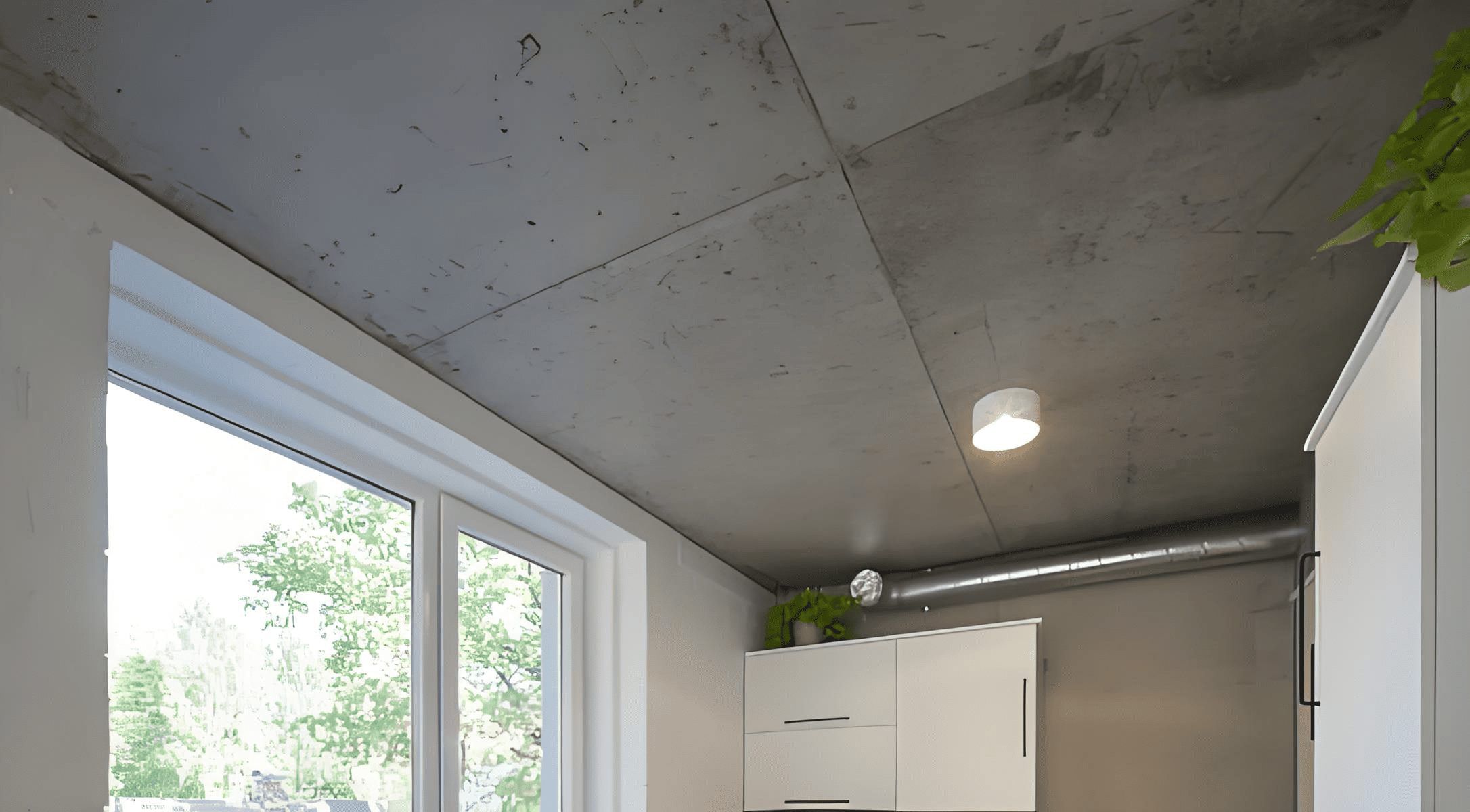
Comparison Chart
| Feature | Cement Board | Backer Board |
|---|---|---|
| Composition | Cement + fiber reinforcement | Gypsum, glass mat, or cement blend |
| Main Use | Exterior cladding, flooring base | Bathrooms, kitchens, interior tiles |
| Strength | High structural rigidity | Moderate, mostly protective |
| Moisture Resistance | Excellent | Excellent under thinset or waterproof layers |
| Finishing Versatility | Paint, render, tile, siding | Primarily tile or adhesive use |
| Recyclability | Partial | Limited depending on composition |
Together, they form a layered system that handles both structural support and surface protection.
Is Fiber Cement Siding Good or Bad?
Fiber cement siding is very good when installed and maintained properly. It resists fire, moisture, and pests, lasts decades, and is now partially recyclable. The only downside is its weight and labor cost.
performance insight: strength with maintenance beats lightness with compromise.
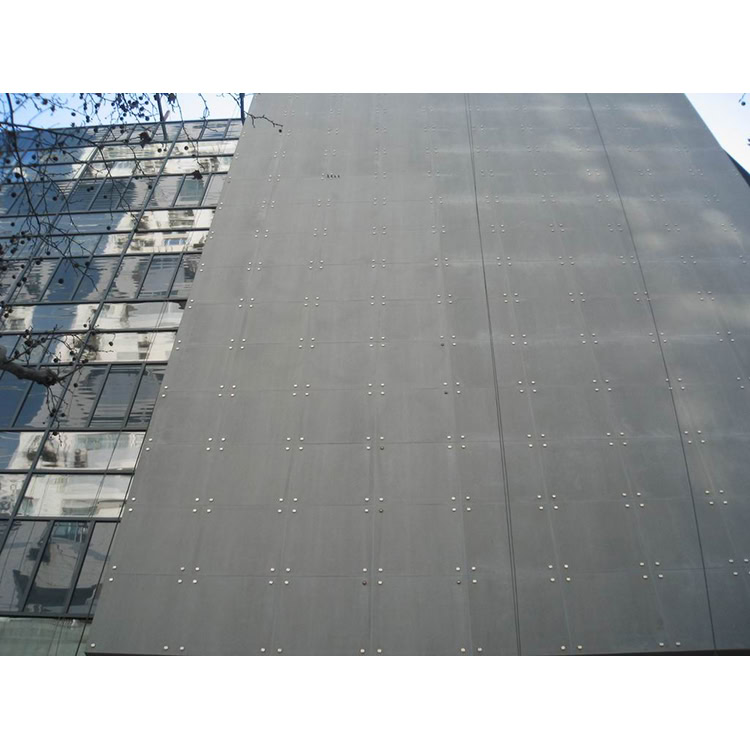
Pros and Cons Breakdown
| Aspect | Good | Bad |
|---|---|---|
| Durability | 30–50 year lifespan | Heavy to handle |
| Fire Resistance | Non-combustible | Requires special cutting tools |
| Maintenance | Low | Repainting every 10–15 years |
| Sustainability | Recyclable components | Not fully closed-loop yet |
| Aesthetic | Realistic texture options | Harder DIY installation |
In the balance of life cycle, fiber cement siding stands out as one of the most resilient and sustainable cladding materials available today.
Conclusion
From TRUSUS’s perspective, fiber cement board is changing from protection material to regenerative resource. Reuse, recycling, and functional separation prove that resilience is not just about surviving time—it’s about serving again in the next design.
