



Is Fiber Cement Board Quieter Than Aluminum Siding During Rain?
Yes, fiber cement board is usually quieter than aluminum siding during rain because its dense structure absorbs and dampens sound better than lightweight metal panels.
Rain impact noise on fiber cement can be significantly lower than on aluminum surfaces.
TRUSUS material insight: customers today are no longer selecting cladding materials based only on appearance or price. They increasingly evaluate comfort, acoustic performance, and long-term living experience.
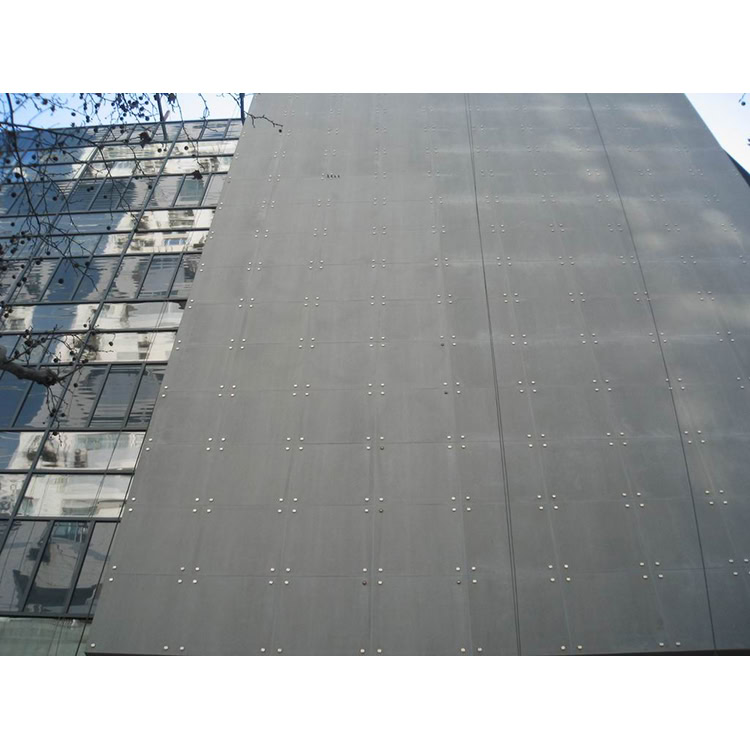
I increasingly see architects and homeowners asking about acoustic comfort before making façade material decisions.
This reflects a broader shift toward performance-driven material selection.
Why Fiber Cement Is Quieter
| Material Property | Acoustic Effect |
|---|---|
| Higher density | Better sound absorption |
| Composite structure | Reduced vibration |
| Greater mass | Lower rain impact resonance |
Material composition affects rain noise performance.
Why Aluminum Siding Sounds Louder
| Metal Panel Characteristic | Result During Rain |
|---|---|
| Thin lightweight panels | Increased vibration |
| Hollow installation cavities | Echo amplification |
| Fast sound transmission | Sharper rain noise |
Metal surfaces tend to reflect impact sound more strongly.
Why Acoustic Comfort Matters More Today
| Traditional Building Priorities | Modern Building Priorities |
|---|---|
| Basic weather protection | Occupant comfort optimization |
| Cost-driven material choice | Experience-driven material choice |
| Visual appearance focus | Multi-performance evaluation |
Comfort has become part of building value.
Comparing Acoustic Performance
| Material Type | Typical Rain Noise Experience |
|---|---|
| Fiber cement board | Softer and more muted |
| Aluminum siding | Sharper and louder |
| Insulated metal systems | Improved but still reflective |
System design also affects acoustic performance.
Why Material Comparisons Are Increasing
| Earlier Material Selection Method | Modern Material Evaluation Method |
|---|---|
| Experience-based decisions | Data-supported comparisons |
| Single-performance focus | Full performance balancing |
| Product category loyalty | Application-specific optimization |
Customers increasingly compare materials across categories.
The Industry Shift Behind This Trend
| Traditional Building Material Sales | Modern Performance Consulting |
|---|---|
| Product promotion focus | Comparative performance analysis |
| Standard material recommendations | Customized selection support |
| Price competition | Value-performance competition |
I increasingly believe future building material suppliers will compete through technical guidance as much as manufacturing capability.
How Does The Fire Rating Of Cement Board Compare To Metal?
Fiber cement board generally provides better fire resistance performance than standard metal cladding systems because it is non-combustible and offers lower heat transfer during fire exposure.
Most fiber cement boards achieve Class A non-combustible fire ratings.
TRUSUS fire safety insight: modern building projects increasingly evaluate not only whether a material burns, but also how it behaves during extreme heat exposure.
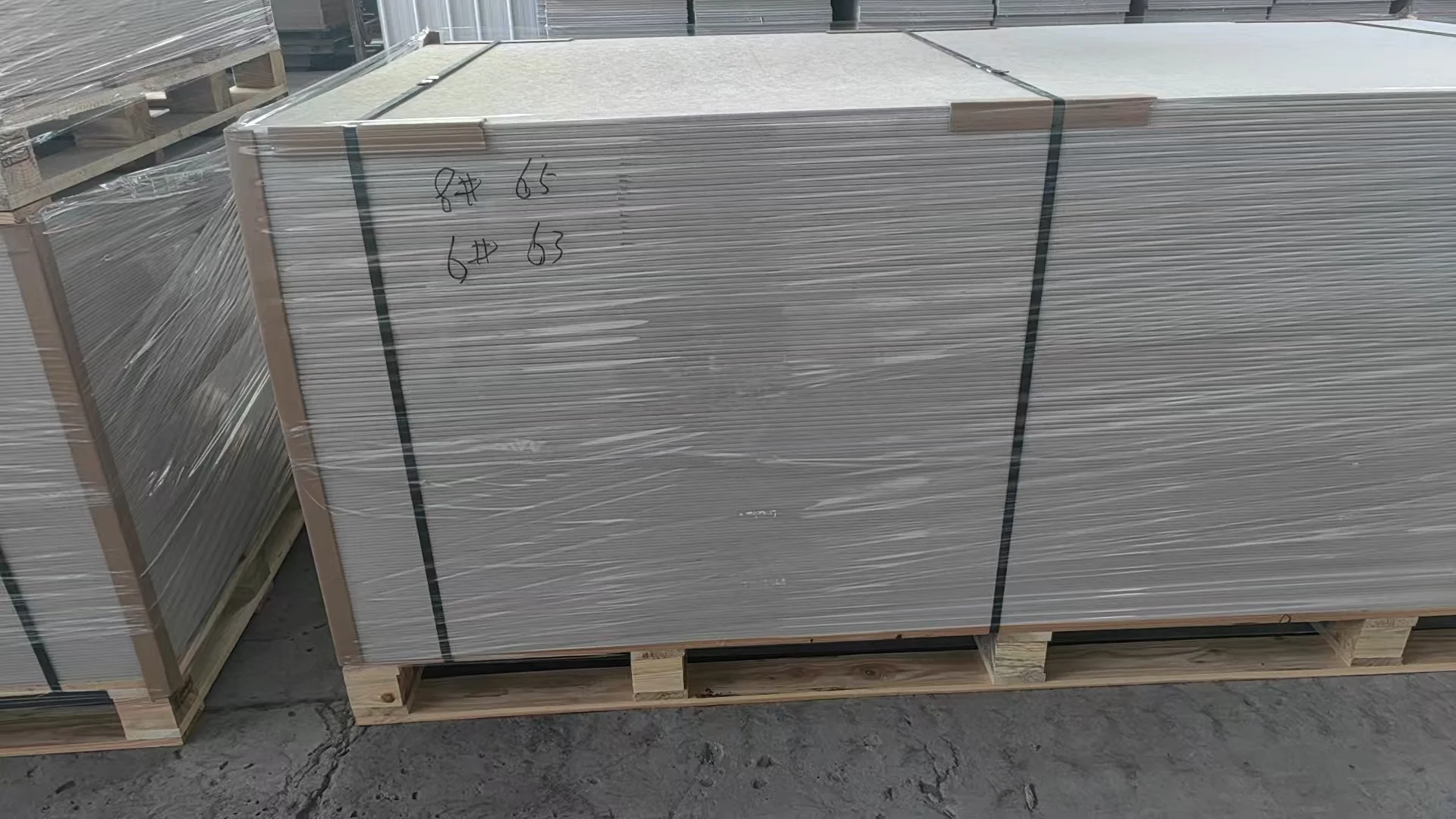
Many customers assume metal automatically performs better in fire because it does not burn easily.
In reality, heat transfer behavior is equally important.
Fire Performance Of Fiber Cement Board
| Property | Fire Safety Benefit |
|---|---|
| Non-combustible composition | No flame spread contribution |
| Low thermal conductivity | Better heat insulation |
| Structural stability under heat | Longer protection duration |
Fiber cement slows heat transmission.
Fire Behavior Of Metal Panels
| Metal Material Characteristic | Fire Limitation |
|---|---|
| High thermal conductivity | Rapid heat transfer |
| Surface temperature increase | Faster heat spread |
| Structural expansion under heat | Possible deformation |
Metal systems may require additional insulation layers.
Why Fire Ratings Matter In Modern Construction
| Building Requirement | Fire Safety Importance |
|---|---|
| Public buildings | Occupant protection |
| High-rise structures | Fire compartment control |
| Industrial facilities | Equipment protection |
Fire-resistant materials reduce risk exposure.
Comparing Typical Fire Resistance Performance
| Material Type | Typical Fire Rating Performance |
|---|---|
| Fiber cement board | Class A non-combustible |
| Standard aluminum panel | Non-combustible but high heat transfer |
| Steel systems | Strong structure but conductive |
Complete wall system design remains important.
Why Customers Now Ask More Fire Questions
| Earlier Material Discussions | Modern Safety Discussions |
|---|---|
| Surface appearance focus | Fire engineering evaluation |
| Basic specification review | Compliance verification |
| Cost-first decision making | Risk-aware material planning |
Safety awareness is becoming more technical.
The Market Transformation Behind Fire Performance Focus
| Traditional Material Marketing | Modern Technical Material Consulting |
|---|---|
| Product branding emphasis | Certified performance analysis |
| General sales presentations | Application-based recommendations |
| Competitive pricing focus | Lifecycle safety value focus |
I increasingly see fire performance becoming one of the most influential decision factors in commercial projects.
Does Fiber Cement Board Dent Easily Compared To Steel?
Yes, fiber cement board can crack or chip under heavy impact more easily than steel because it is more rigid and less flexible.
Steel typically absorbs impact through deformation, while fiber cement tends to resist compression but has lower impact flexibility.
TRUSUS durability insight: material strength and impact resistance are not always the same thing. Different materials fail in different ways under stress.
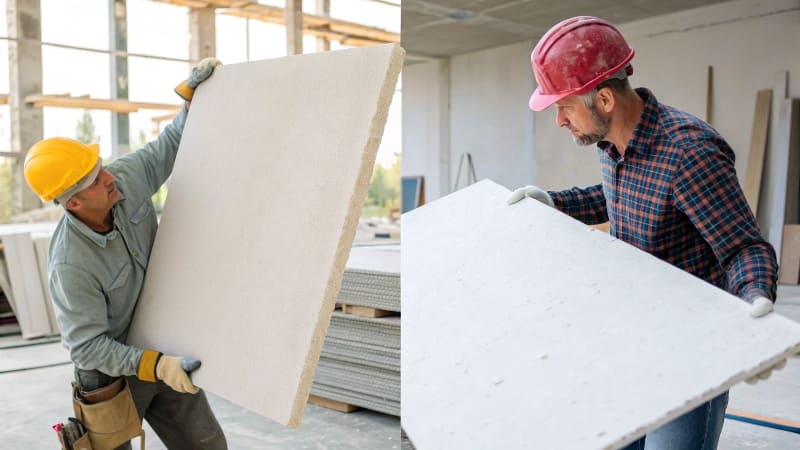
I increasingly see customers comparing real-world durability instead of relying only on laboratory strength values.
Practical performance matters more in demanding environments.
How Fiber Cement Reacts To Impact
| Material Behavior | Result |
|---|---|
| High rigidity | Strong surface hardness |
| Lower flexibility | Risk of cracking under sharp impact |
| Dense composition | Good compression resistance |
Fiber cement performs differently from metals.
Why Steel Handles Impact Better
| Steel Characteristic | Impact Performance Benefit |
|---|---|
| Elastic deformation | Absorbs force without cracking |
| Higher ductility | Better energy distribution |
| Structural flexibility | Improved dent resistance |
Steel often bends before failing.
Why Application Environment Matters
| Environment Type | Better Material Option |
|---|---|
| High-impact industrial zones | Steel |
| Decorative façade systems | Fiber cement |
| Low-maintenance architectural walls | Fiber cement |
Material suitability depends on usage conditions.
Comparing Damage Behavior
| Material Type | Typical Damage Mode |
|---|---|
| Fiber cement board | Chipping or cracking |
| Steel panel | Denting or bending |
Different failure modes affect repair strategies.
Why Performance-Based Selection Is Growing
| Earlier Material Selection Habits | Modern Engineering Selection Methods |
|---|---|
| Single-property comparisons | Multi-condition performance analysis |
| Visual evaluation focus | Functional lifecycle evaluation |
| Product familiarity decisions | Data-supported specification planning |
Customers increasingly seek balanced material analysis.
The Industry Shift Behind Material Comparisons
| Traditional Building Material Market | Performance-Driven Material Consulting Market |
|---|---|
| Product category competition | Engineering performance competition |
| Standard marketing claims | Measurable technical comparisons |
| Generic recommendations | Application-specific solutions |
I increasingly believe future material suppliers must function as technical advisors rather than simple product sellers.
Is Fiber Cement Board Or Metal Better For Coastal Corrosion?
Fiber cement board generally performs better than standard metal cladding in coastal corrosion environments because it is less vulnerable to salt-induced oxidation and surface corrosion.
However, high-grade stainless steel and specialized coated metals can outperform fiber cement in certain marine applications.
TRUSUS coastal durability insight: coastal building performance depends heavily on long-term environmental resistance, not only initial appearance.
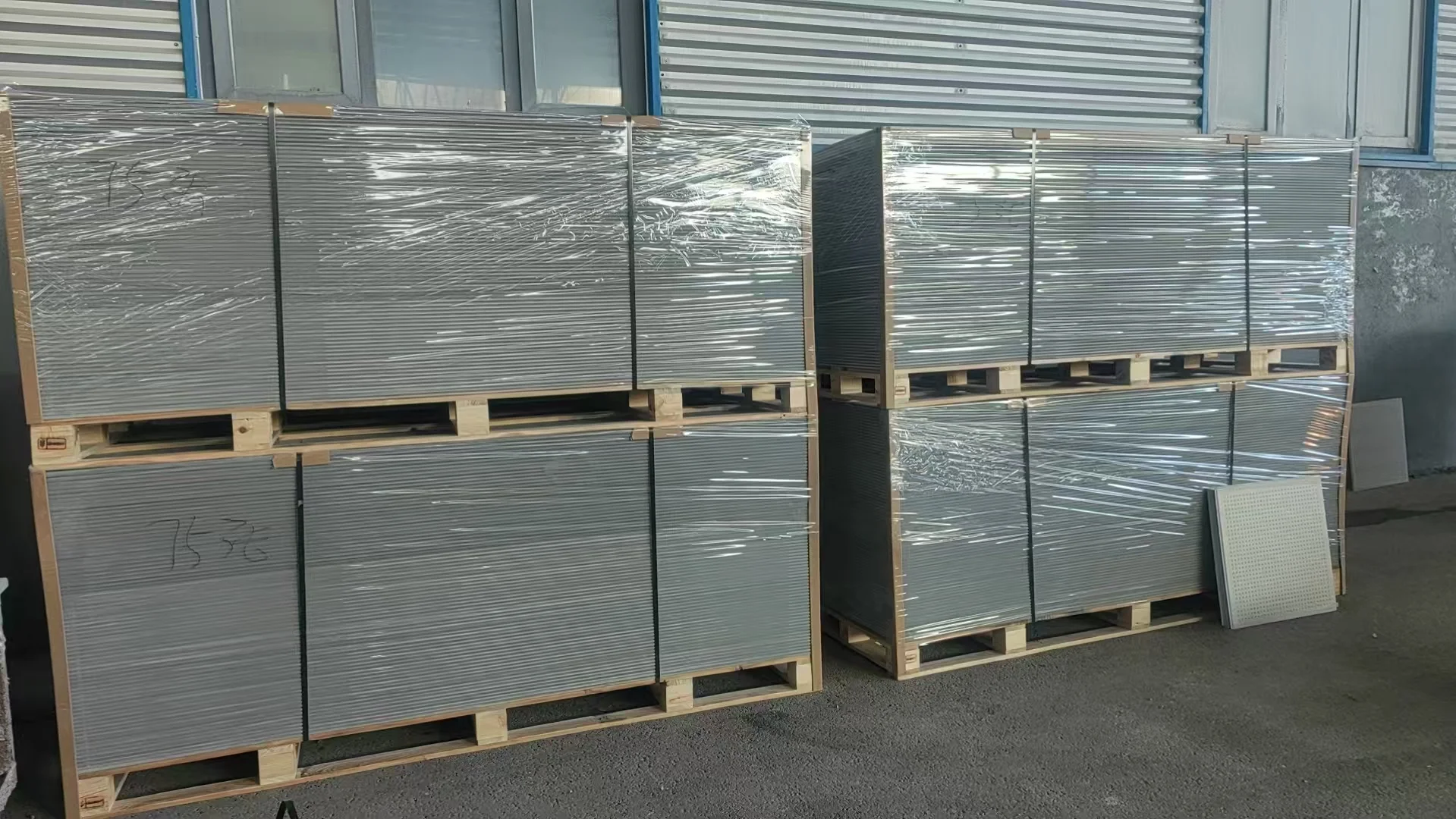
I increasingly see coastal projects focusing on lifecycle durability instead of short-term installation cost.
Salt exposure changes material priorities.
Why Coastal Environments Are Difficult
| Coastal Exposure Factor | Material Risk |
|---|---|
| Salt spray | Accelerated corrosion |
| High humidity | Surface degradation |
| Wind-driven moisture | Continuous exposure stress |
Marine environments create constant material pressure.
Why Fiber Cement Performs Well Near The Coast
| Fiber Cement Property | Coastal Benefit |
|---|---|
| Non-metallic composition | No rust formation |
| Dense cement matrix | Moisture resistance |
| Stable dimensional behavior | Reduced expansion issues |
Fiber cement resists many corrosion mechanisms.
Why Standard Metals Face Challenges
| Metal Material Issue | Coastal Impact |
|---|---|
| Surface coating damage | Corrosion initiation |
| Salt accumulation | Accelerated oxidation |
| Galvanic reactions | Localized deterioration |
Protective coatings become critical.
Comparing Coastal Material Performance
| Material Type | Coastal Durability Level |
|---|---|
| Fiber cement board | Very good |
| Standard steel panels | Moderate without protection |
| Stainless steel systems | Excellent but expensive |
Material selection depends on budget and exposure level.
Why Long-Term Maintenance Is Becoming More Important
| Earlier Purchasing Priorities | Modern Lifecycle Priorities |
|---|---|
| Initial material cost | Total ownership cost |
| Installation speed | Long-term maintenance reduction |
| Basic weather resistance | Environmental durability optimization |
Durability increasingly drives project economics.
The Industry Evolution Behind Coastal Material Selection
| Traditional Material Sales | Advanced Performance Consulting |
|---|---|
| Product-only recommendations | Environmental suitability analysis |
| Generic specification advice | Climate-based engineering support |
| Initial purchase focus | Lifecycle performance planning |
I increasingly see technical consulting becoming central to modern material selection.
Conclusion
At TRUSUS, I see building material selection evolving from simple product comparison into comprehensive performance evaluation.
Future market leadership will depend on technical analysis, application-specific guidance, lifecycle performance understanding, and the ability to help customers balance acoustics, fire safety, durability, corrosion resistance, and long-term building value.