




Is Fiber Cement Board Naturally Termite-Proof Without Chemical Treatment?
Fiber cement board is naturally termite-proof without chemical treatment due to its inorganic cement matrix that encapsulates cellulose fibers in an alkaline environment with pH 12-13, making the material nutritionally unavailable and physically impenetrable to termites, while providing no moisture or food sources that attract these pests.
Alkaline cement matrix creates hostile environment for termites with pH levels 12-13 that damage insect digestive systems preventing successful feeding. Encapsulated fibers within dense cement structure remain inaccessible to termite mandibles eliminating nutritional value. Moisture control through low porosity prevents humid conditions that attract termite colonies. Physical hardness exceeds termite chewing capability making structural penetration impossible. Chemical stability eliminates organic volatiles that signal food sources to foraging insects.
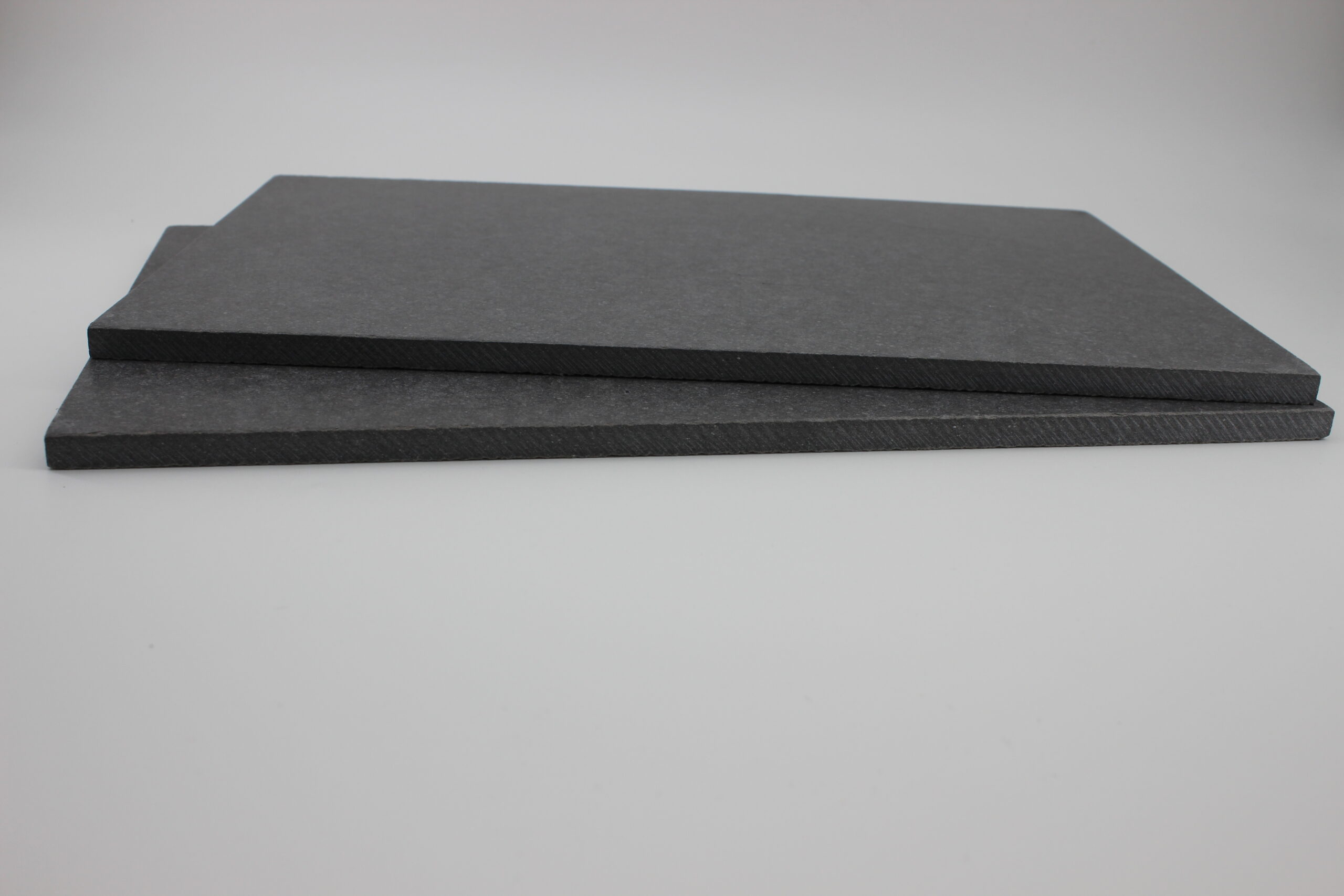
From my extensive experience manufacturing fiber cement products, I've observed that natural termite resistance comes from the material's fundamental chemistry rather than applied treatments.
Do Wood-Eating Ants in Guyana Attack the Cellulose Fibers in Cement Boards?
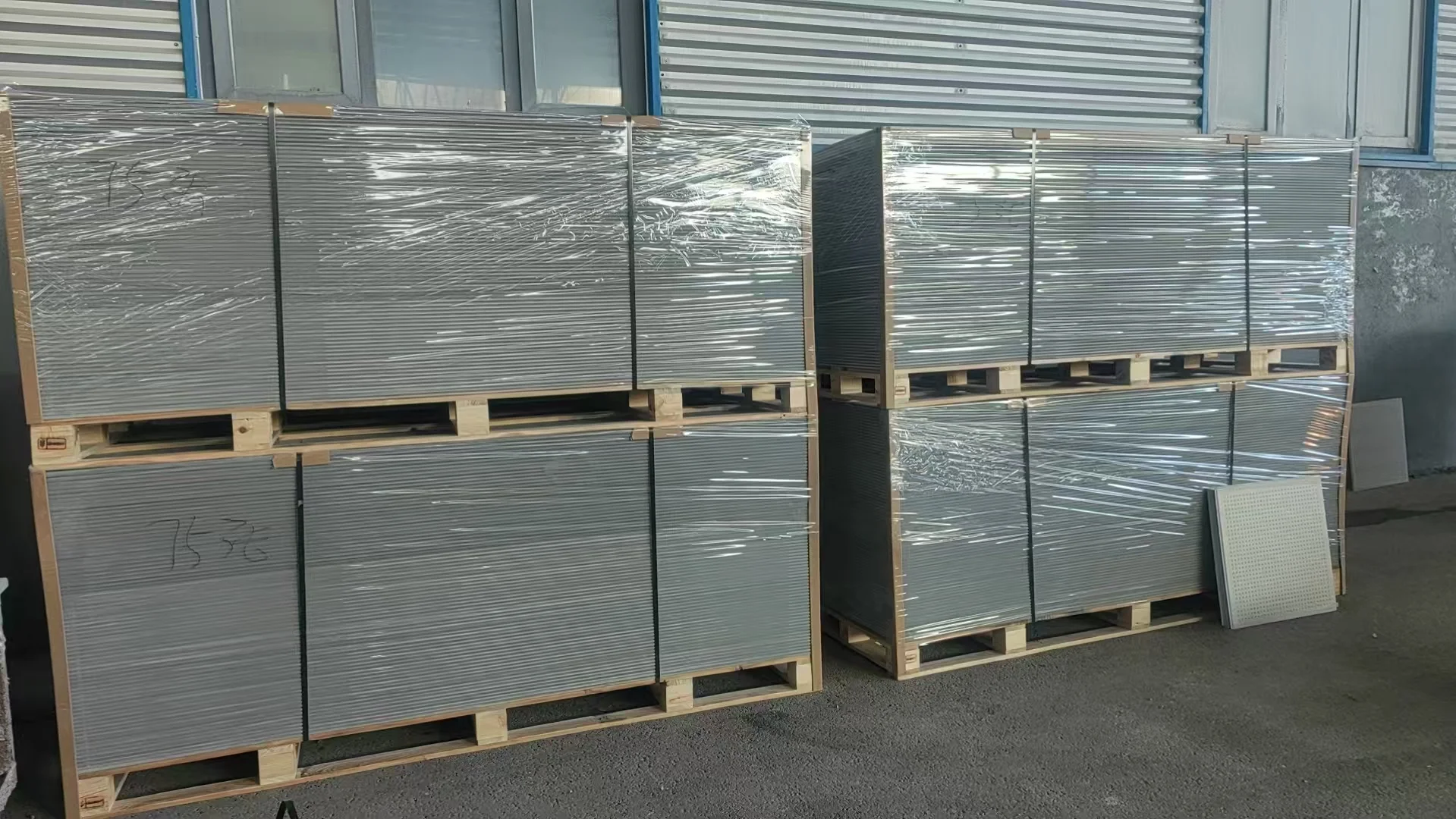
Wood-eating ants in Guyana do not successfully attack cellulose fibers in cement boards because the fibers are completely encased in cement matrix, creating an impenetrable barrier that prevents access, while the high alkalinity and lack of moisture make the material unsuitable for ant colonies and digestion.
Cement encasement creates physical barrier protecting cellulose fibers from ant access through impenetrable mineral matrix. Alkaline environment with pH 12-13 proves toxic to ant digestive enzymes preventing successful fiber breakdown. Moisture absence eliminates humidity conditions required for ant colony establishment and fiber softening. Hardness levels exceed ant mandible strength making material penetration impossible. Lack of volatiles prevents chemical attraction that guides foraging ants to potential food sources.
Ant Species Analysis
Different Guyanese wood-eating ant species show varying interaction with cement boards.
| Ant Species | Attack Capability | Cement Board Impact | Natural Habitat | Risk Level |
|---|---|---|---|---|
| Carpenter Ants | High on wood | None on cement board | Dead wood structures | Low |
| Leaf-Cutter Ants | Vegetation only | No interest | Living plant material | None |
| Fire Ants | Opportunistic | Surface investigation only | Soil/wood interface | Very Low |
| Army Ants | Predatory | No interaction | Mobile colonies | None |
| Acrobat Ants | Wood boring | Cannot penetrate cement | Soft wood preferred | Low |
Carpenter ants represent the highest potential threat but cannot penetrate cement matrix.
Fiber Protection Mechanisms
Multiple mechanisms protect cellulose fibers within cement board structure.
| Protection Mechanism | Effectiveness | Duration | Environmental Factor | Maintenance Required |
|---|---|---|---|---|
| Cement Encasement | Excellent | Permanent | All conditions | None |
| Alkaline Environment | Excellent | Material lifetime | pH stability | None |
| Physical Hardness | Very Good | Permanent | Impact resistance | None |
| Moisture Control | Good | Long-term | Humidity dependent | Periodic inspection |
| Chemical Inertness | Excellent | Permanent | All environments | None |
Cement encasement provides the most reliable long-term fiber protection.
Environmental Factors
Tropical conditions in Guyana affect ant behavior around cement boards.
| Environmental Factor | Impact on Ants | Cement Board Response | Long-term Effect | Management Strategy |
|---|---|---|---|---|
| High Humidity | Increases activity | Maintains stability | Neutral | Ventilation control |
| Temperature Cycles | Affects foraging | Dimensional stability | Positive | None required |
| Rainfall | Drives shelter seeking | Water shedding | Positive | Proper drainage |
| Vegetation Contact | Provides ant pathways | Surface cleaning | Maintenance | Vegetation management |
| Soil Contact | Colony proximity | Ground clearance | Important | Elevation design |
Vegetation management reduces ant pathway opportunities to building surfaces.
Fiber Cement vs. Greenheart Wood: Which is More Pest-Resistant?
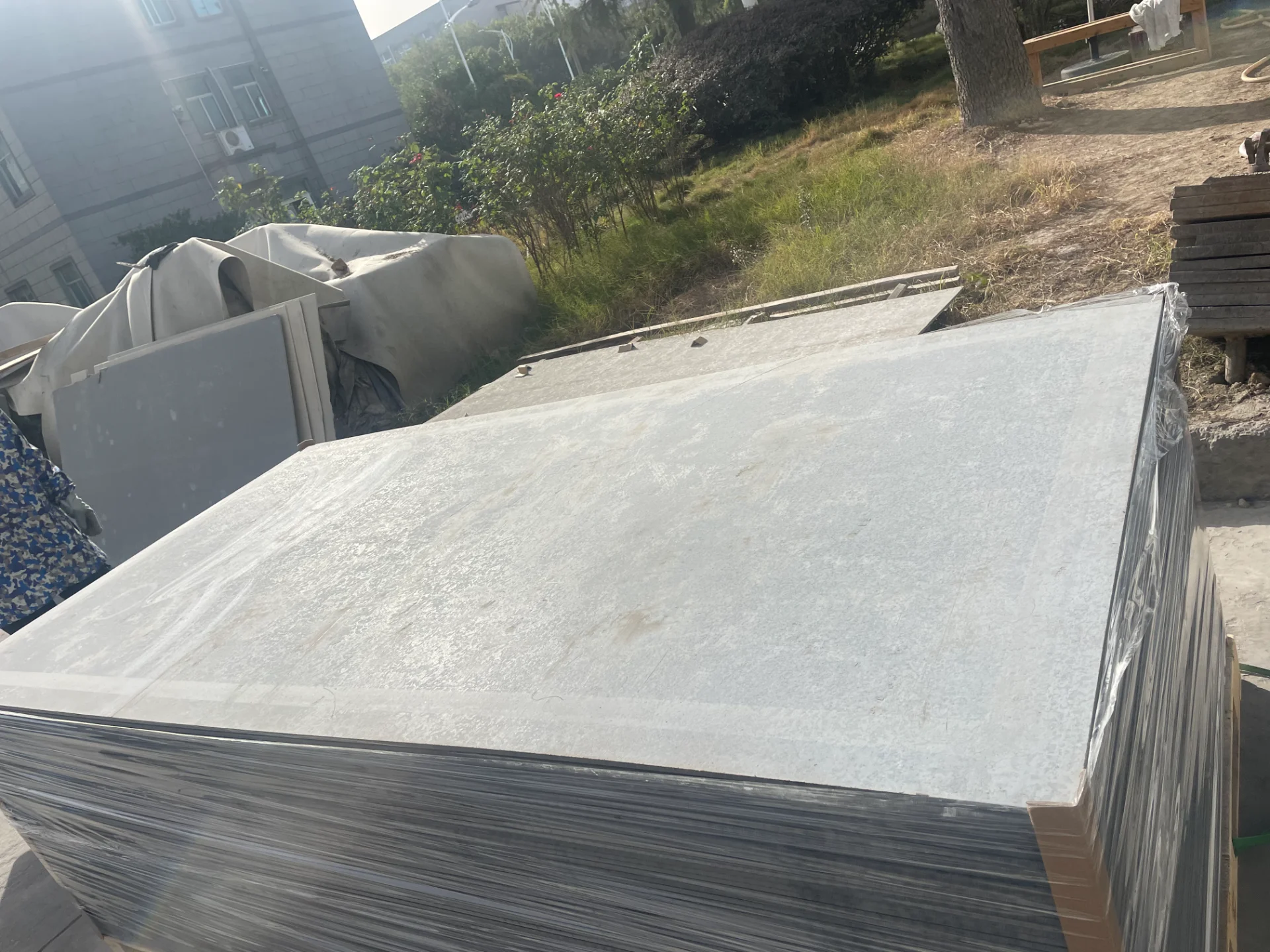
Fiber cement demonstrates superior pest resistance compared to Greenheart wood through complete immunity to termites, ants, and boring insects, while Greenheart wood, despite its natural density and toxins, remains vulnerable to prolonged moisture exposure, specific boring insects, and degradation over time requiring periodic treatment.
Fiber cement immunity provides 100% protection from all wood-destroying insects through inorganic composition eliminating nutritional attraction. Greenheart limitations include vulnerability to marine borers, moisture-related softening, and gradual toxin leaching reducing long-term effectiveness. Maintenance requirements differ significantly with cement boards needing no pest treatments while Greenheart requires periodic inspection and possible retreatment. Environmental performance shows cement boards maintaining consistent protection while wood performance varies with exposure conditions. Cost analysis favors fiber cement for long-term applications despite higher initial investment.
Performance Comparison
Comprehensive comparison of pest resistance characteristics between materials.
| Resistance Factor | Fiber Cement | Greenheart Wood | Advantage | Durability |
|---|---|---|---|---|
| Termite Resistance | Complete immunity | Very good initially | Fiber Cement | Permanent vs. 15-20 years |
| Carpenter Ant Resistance | Complete immunity | Good when dry | Fiber Cement | Permanent vs. moisture-dependent |
| Marine Borer Resistance | Complete immunity | Poor | Fiber Cement | Permanent vs. immediate failure |
| Moisture Degradation | None | Significant | Fiber Cement | Stable vs. progressive |
| Chemical Treatment | Unnecessary | Eventually required | Fiber Cement | Never vs. periodic |
Fiber cement provides superior pest resistance across all categories.
Long-term Performance
Extended exposure reveals significant differences in pest resistance maintenance.
| Time Period | Fiber Cement Performance | Greenheart Performance | Maintenance Required | Replacement Risk |
|---|---|---|---|---|
| 0-5 Years | Excellent | Excellent | None vs. None | None |
| 5-10 Years | Excellent | Very Good | None vs. Inspection | Low |
| 10-15 Years | Excellent | Good | None vs. Treatment | Moderate |
| 15-20 Years | Excellent | Fair | None vs. Replacement consideration | High |
| 20+ Years | Excellent | Poor | None vs. Replacement required | Very High |
Fiber cement maintains consistent performance while Greenheart degrades over time.
Cost Analysis
Total cost of ownership including pest protection over building lifetime.
| Cost Component | Fiber Cement | Greenheart Wood | 20-Year Difference | Economic Advantage |
|---|---|---|---|---|
| Initial Material | Higher | Baseline | +30-40% | Initial disadvantage |
| Installation | Standard | Standard | Neutral | None |
| Pest Treatment | None | Periodic | -100% | Significant savings |
| Inspection Costs | Minimal | Regular | -80% | Ongoing savings |
| Replacement | None | Partial/complete | -100% | Major savings |
| Total Lifecycle | Lower | Higher | -20-30% | Long-term advantage |
Fiber cement provides superior economic value over building lifetime.
Can Rodents Chew Through Fiber Cement Exterior Walls?
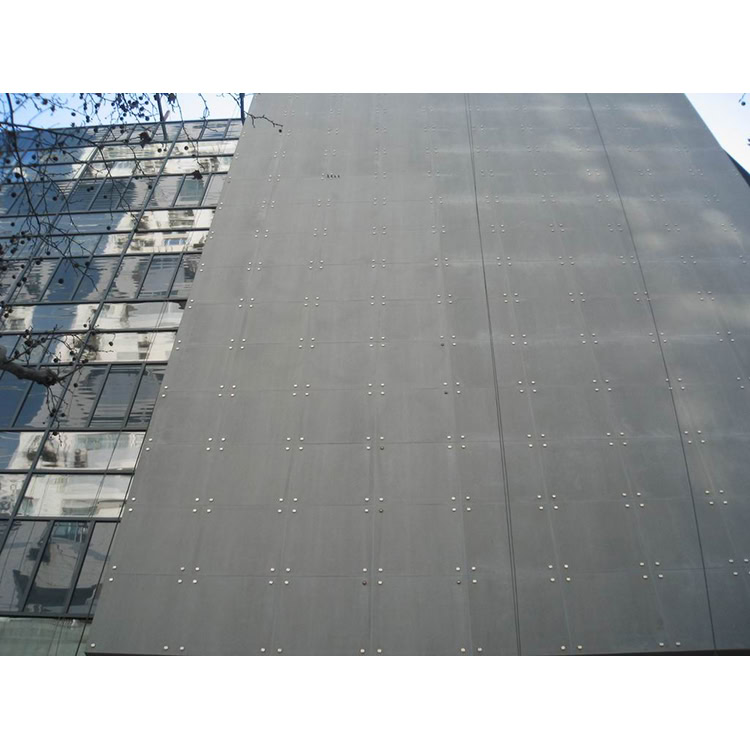
Rodents cannot successfully chew through fiber cement exterior walls due to the material's hardness rating of 4-5 on Mohs scale, abrasive mineral content that damages rodent teeth, and dense inorganic structure that provides no nutritional incentive, making it an effective barrier against rats, mice, and other gnawing pests.
Material hardness at 4-5 Mohs scale exceeds rodent tooth strength preventing effective gnawing and causing rapid tooth wear. Abrasive minerals including silica and cement particles create uncomfortable chewing experience that discourages persistent attempts. Lack of nutrition eliminates incentive for continued gnawing as material provides no caloric reward. Dense structure prevents initial tooth penetration making entry point creation virtually impossible. Wall thickness of 6-12mm provides substantial barrier even if surface damage occurs.
Rodent Species Testing
Different rodent species show varying capabilities against fiber cement walls.
| Rodent Species | Bite Force (PSI) | Chewing Success | Tooth Damage | Persistence Level |
|---|---|---|---|---|
| House Mouse | 12-15 | None | Moderate | Low |
| Norway Rat | 24-28 | Surface scratches only | High | Moderate |
| Roof Rat | 20-24 | Surface scratches only | High | Low |
| Squirrel | 15-20 | None | Moderate | Very Low |
| Guinea Pig | 8-12 | None | Low | None |
Norway rats show highest persistence but cannot achieve wall penetration.
Material Defense Properties
Fiber cement's natural properties create multiple barriers to rodent penetration.
| Defense Property | Mechanism | Effectiveness | Rodent Response | Long-term Reliability |
|---|---|---|---|---|
| Surface Hardness | Tooth deflection | Excellent | Immediate deterrent | Permanent |
| Abrasive Content | Tooth wear | Very Good | Progressive deterrent | Permanent |
| Nutritional Void | No feeding reward | Good | Behavioral deterrent | Permanent |
| Thickness Barrier | Physical depth | Excellent | Penetration prevention | Permanent |
| Mineral Composition | Unpalatable texture | Good | Sensory deterrent | Permanent |
Surface hardness provides the primary defense against rodent attempts.
Comparison with Other Materials
Fiber cement performance versus common building materials for rodent resistance.
| Material | Rodent Resistance | Penetration Time | Damage Pattern | Replacement Frequency |
|---|---|---|---|---|
| Fiber Cement | Excellent | Never | Surface scratches only | Never |
| Standard Drywall | Poor | 15-30 minutes | Complete penetration | Frequent |
| Plywood | Fair | 2-6 hours | Holes and tunnels | Occasional |
| Brick/Block | Very Good | Rare/mortar joints | Joint exploitation | Rare |
| Steel Sheet | Excellent | Never | None | Never |
| Aluminum | Good | Rare/thin gauges | Edge damage | Rare |
Fiber cement performs comparably to steel at significantly lower cost.
Installation Considerations
Proper installation maximizes rodent resistance effectiveness.
| Installation Detail | Standard Practice | Rodent-Resistant Approach | Vulnerability Reduction | Cost Impact |
|---|---|---|---|---|
| Joint Sealing | Basic caulking | Rodent-proof sealant | High | +10% |
| Base Flashing | Standard height | Extended height | Moderate | +5% |
| Penetration Sealing | Standard fitting | Tight sealing | High | +15% |
| Corner Treatment | Overlapped joints | Sealed corners | Moderate | +5% |
| Foundation Connection | Standard attachment | Continuous barrier | High | +10% |
Joint sealing and penetration management are critical for comprehensive protection.
Conclusion
Fiber cement board is naturally termite-proof without chemical treatment due to alkaline cement matrix with pH 12-13 that encapsulates cellulose fibers making them inaccessible and nutritionally unavailable to termites. Wood-eating ants in Guyana cannot attack cellulose fibers in cement boards because cement encasement creates impenetrable barriers while high alkalinity proves toxic to ant digestive systems. Fiber cement demonstrates superior pest resistance compared to Greenheart wood through complete immunity to all wood-destroying insects while Greenheart remains vulnerable to moisture exposure and specific boring insects requiring periodic treatment. Rodents cannot chew through fiber cement walls due to material hardness of 4-5 Mohs scale, abrasive mineral content that damages teeth, and dense inorganic structure providing no nutritional incentive. Success with tropical pest resistance requires understanding that fiber cement's immunity comes from fundamental material chemistry rather than applied treatments, cement encasement provides permanent protection that doesn't degrade over time, long-term economics favor fiber cement despite higher initial costs, and proper installation with sealed joints maximizes comprehensive pest protection, making fiber cement an ideal choice for pest-prone tropical environments where chemical treatments are environmentally undesirable and maintenance access is limited.
