



Is Fiber Cement Board Ideal For Modular Office Pods?
Fiber cement board is well suited for modular office pods because it offers fire resistance, dimensional stability, durability, and good surface versatility.
Its performance becomes stronger when combined with lightweight framing, acoustic insulation, and modular installation systems.
TRUSUS office pod insight: fiber cement board is no longer only a wall material. It is becoming part of flexible workspace system design.
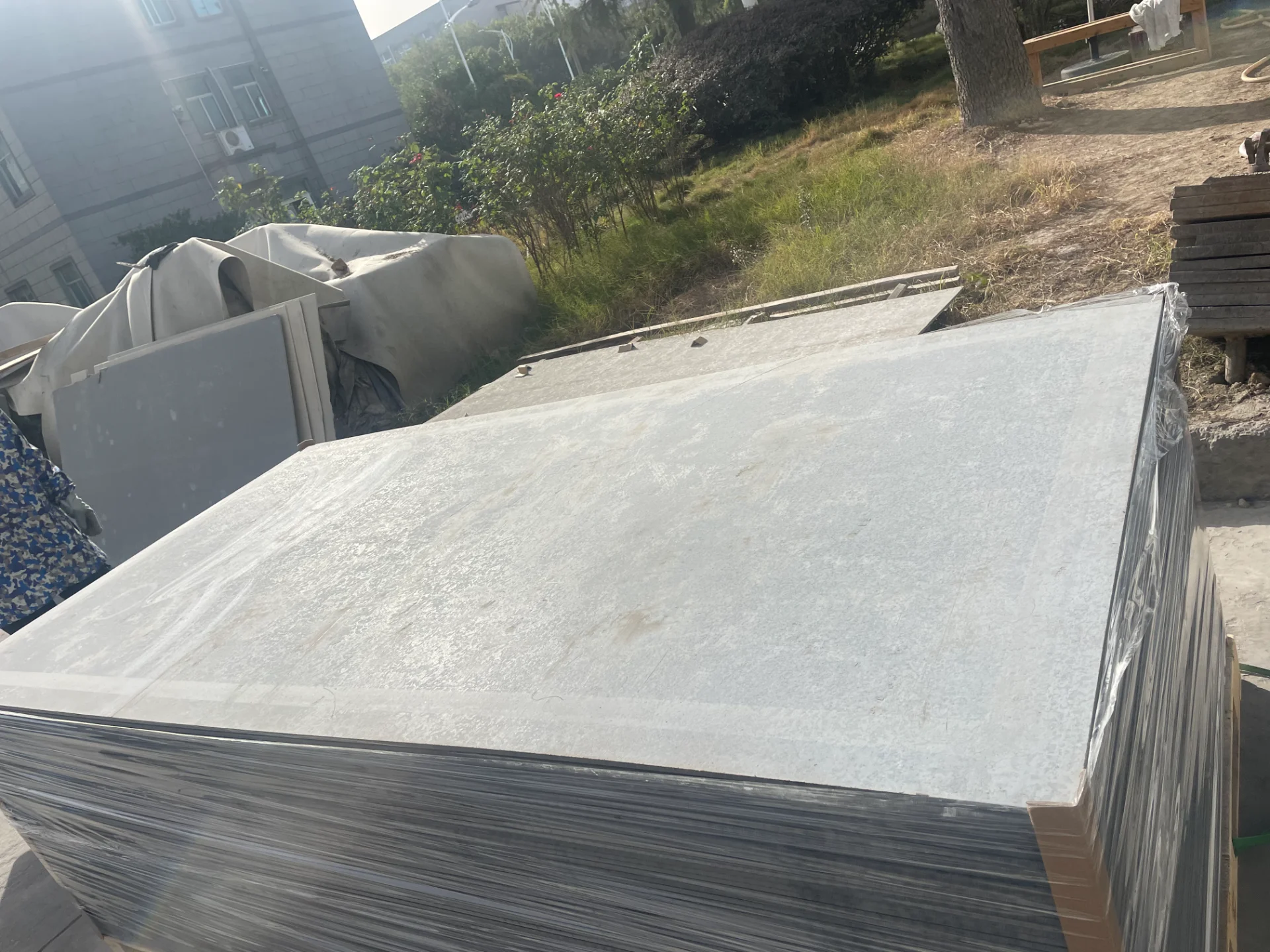
Modern office spaces demand more than simple partitions.
They require adaptable environments that balance privacy, mobility, durability, and appearance.
Why Fiber Cement Board Fits Modular Offices
| Material Property | Office Pod Benefit |
|---|---|
| Fire resistance | Improved safety |
| Dimensional stability | Reduced deformation |
| Moisture resistance | Longer service life |
| Smooth surface | Design flexibility |
These features make the material practical for repeated office use.
Key Design Considerations
| Design Factor | Importance |
|---|---|
| Weight control | Easier installation |
| Acoustic performance | User comfort |
| Surface finish compatibility | Workspace aesthetics |
| Fast assembly systems | Modular flexibility |
Office pod performance depends on the complete system, not only the board itself.
Why Durability Matters In Office Pods
| Workspace Condition | Material Requirement |
|---|---|
| Frequent relocation | Structural reliability |
| High daily usage | Surface durability |
| Shared office traffic | Impact resistance |
Fiber cement board performs well under repeated use conditions.
Common Limitations To Manage
| Potential Challenge | Recommended Solution |
|---|---|
| Higher weight than drywall | Lightweight framing |
| Hard cutting process | Pre-fabrication planning |
| Sound reflection | Acoustic treatment layers |
System optimization improves final workspace comfort.
Why Modular Offices Are Changing Material Demand
| Traditional Office Construction | Modern Modular Workspace |
|---|---|
| Permanent fixed layouts | Flexible space systems |
| Heavy construction cycles | Fast deployment |
| Single-purpose rooms | Multi-use environments |
This shift is changing how building materials are evaluated.
The Industry Transition Behind Office Pods
| Traditional Material Supplier | Modern Space Solution Provider |
|---|---|
| Sell standard boards | Support integrated workspace systems |
| Focus on specifications | Focus on user experience |
| Product-centered thinking | Space-centered thinking |
I believe modular offices are pushing the building materials industry toward a more service-oriented future.
How To Reduce Weight In Cement Board Office Partitions?
The weight of cement board office partitions can be reduced by using lightweight fiber cement formulations, thinner panels, hollow framing systems, lightweight fillers, and optimized structural designs.
Careful engineering is important to maintain strength and acoustic performance.
TRUSUS lightweight design insight: reducing partition weight is not only about using less material. It is about balancing strength, installation speed, and long-term performance.
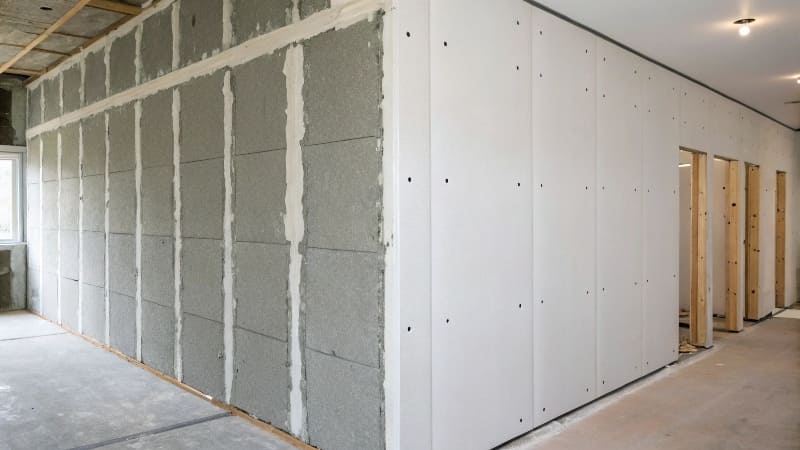
Weight reduction has become increasingly important in modular office construction.
Lighter systems improve transportation, installation, and flexibility.
Common Weight Reduction Methods
| Method | Main Benefit |
|---|---|
| Lightweight board formulations | Lower material density |
| Thin-panel systems | Reduced dead load |
| Hollow steel framing | Structural efficiency |
| Composite core systems | Weight optimization |
Each method affects performance differently.
Lightweight Fillers Used In Cement Boards
| Filler Type | Function |
|---|---|
| Perlite | Density reduction |
| Expanded vermiculite | Thermal efficiency |
| Lightweight fibers | Reinforcement support |
Material balance is critical during formulation.
Structural Design Strategies
| Design Strategy | Result |
|---|---|
| Modular framing grids | Better load distribution |
| Reinforced connection points | Stability improvement |
| Hybrid panel systems | Reduced overall mass |
Good engineering often reduces weight more effectively than simply thinning the board.
Risks Of Excessive Weight Reduction
| Over-Optimization Risk | Possible Problem |
|---|---|
| Reduced density | Lower impact resistance |
| Thin surfaces | Faster wear |
| Weak framing | Vibration issues |
Weight reduction always involves trade-offs.
Why Lightweight Systems Matter Today
| Traditional Interior Construction | Modern Modular Interiors |
|---|---|
| Permanent installations | Relocatable structures |
| Labor-intensive assembly | Fast modular deployment |
| Heavy material systems | Mobility-focused design |
Modern offices increasingly value adaptability.
The Bigger Industry Evolution
| Older Building Material Logic | Emerging Workspace Logic |
|---|---|
| Maximum strength priority | Balanced performance priority |
| Fixed construction mindset | Flexible occupancy mindset |
| Material-centered design | User-centered design |
I have noticed clients now ask more about installation efficiency and space flexibility than simple material thickness.
Does Fiber Cement Board Block Private Conversation Noise?
Fiber cement board can help block private conversation noise because of its density and mass, especially when combined with insulation, double-wall systems, and acoustic sealing methods.
However, fiber cement board alone is not a complete soundproofing solution.
TRUSUS acoustic insight: sound privacy in office pods depends on system design more than on any single material.
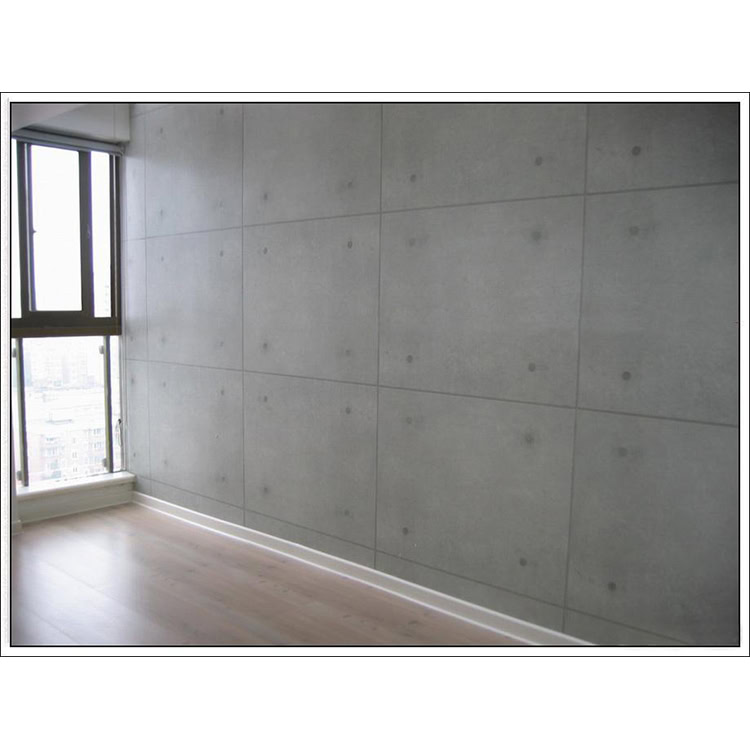
Modern office environments require a balance between openness and privacy.
Acoustic comfort has become one of the most important workspace design factors.
How Fiber Cement Board Helps Sound Isolation
| Material Characteristic | Acoustic Effect |
|---|---|
| High density | Sound transmission reduction |
| Rigid structure | Vibration resistance |
| Surface mass | Better speech blocking |
Denser materials generally block airborne noise more effectively.
Additional Layers Needed For Better Privacy
| Acoustic Component | Function |
|---|---|
| Mineral wool insulation | Sound absorption |
| Double-layer boards | Increased mass |
| Acoustic sealants | Gap reduction |
| Decoupled framing | Vibration isolation |
Small gaps can significantly reduce acoustic performance.
Difference Between Sound Blocking And Sound Absorption
| Acoustic Function | Purpose |
|---|---|
| Sound blocking | Prevent sound transfer |
| Sound absorption | Reduce echo inside spaces |
Fiber cement board mainly improves sound blocking.
Common Acoustic Weak Points
| Weak Area | Acoustic Problem |
|---|---|
| Door gaps | Speech leakage |
| Ventilation openings | Noise transfer |
| Thin framing | Structural vibration |
Office pod acoustics require full-system coordination.
Why Acoustic Privacy Matters More Today
| Traditional Office Design | Modern Flexible Workspace |
|---|---|
| Open-plan collaboration | Hybrid privacy needs |
| Large shared rooms | Individual focus spaces |
| Low acoustic expectations | High concentration demands |
Remote meetings and phone calls increased the need for private spaces.
The Industry Shift Behind Acoustic Demand
| Traditional Building Materials | Modern Workspace Systems |
|---|---|
| Structural functionality | Human experience optimization |
| Basic partitioning | Cognitive comfort design |
| Generic applications | Specialized acoustic environments |
I believe acoustic performance will become one of the defining standards for future modular office products.
Can You Use Magnetic Paint On Fiber Cement Board Pods?
Yes, magnetic paint can be used on fiber cement board office pods if the surface is properly prepared and primed.
The board’s stable and rigid surface usually provides good paint adhesion and long-term durability.
TRUSUS surface system insight: office pod surfaces are evolving from passive finishes into interactive workspace tools.
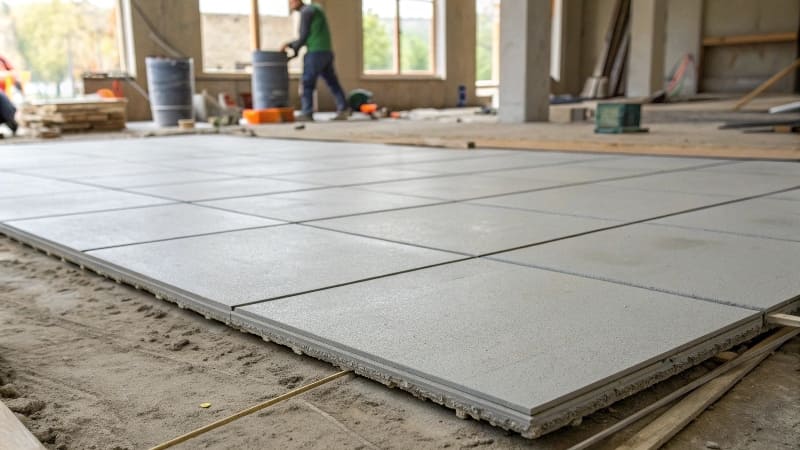
Modern office pods are expected to support collaboration and flexibility.
Wall surfaces are becoming functional workspace elements.
Why Fiber Cement Board Works With Magnetic Paint
| Board Characteristic | Benefit |
|---|---|
| Stable surface | Consistent coating adhesion |
| Moisture resistance | Reduced paint failure |
| Hard surface | Better durability |
Proper surface preparation remains important.
Recommended Surface Preparation Steps
| Preparation Step | Purpose |
|---|---|
| Surface cleaning | Dust removal |
| Primer application | Improved bonding |
| Smooth sanding | Uniform coating |
| Multiple magnetic layers | Stronger magnetic effect |
Magnetic paint usually needs several coats.
Common Functional Office Pod Coatings
| Coating Type | Workspace Benefit |
|---|---|
| Magnetic paint | Flexible display surfaces |
| Writable coatings | Collaboration support |
| Acoustic coatings | Noise reduction |
| Antimicrobial finishes | Hygiene improvement |
Office walls are becoming multifunctional systems.
Design Considerations For Magnetic Surfaces
| Design Concern | Recommendation |
|---|---|
| Magnetic strength | Use stronger magnets |
| Surface finish quality | Apply smooth topcoat |
| Long-term wear | Durable sealing layer |
High-use office surfaces require maintenance planning.
Why Interactive Surfaces Matter In Modern Offices
| Older Office Environments | Modern Hybrid Workspaces |
|---|---|
| Static walls | Dynamic collaboration surfaces |
| Fixed communication tools | Flexible visual systems |
| Passive interiors | Interactive environments |
Workspace design increasingly supports communication behavior.
The Broader Industry Transformation
| Traditional Cement Board Applications | Emerging Workspace Applications |
|---|---|
| Basic wall systems | Smart office integration |
| Functional construction materials | Experience-driven environments |
| Structural products | Space interaction platforms |
I see building materials gradually becoming part of digital and collaborative workplace ecosystems.
Conclusion
At TRUSUS, I believe fiber cement board is evolving far beyond traditional construction use.
In modular office spaces, it is becoming part of integrated workspace design that combines durability, acoustics, flexibility, and interactive user experience.