




Is fiber cement board good for ceilings?
Moisture, mold, and fire safety worries can make choosing a ceiling material stressful. The wrong choice can cost you double in repair and maintenance fees.
Fiber cement board is great for ceilings in wet, high-humidity, or fire-prone spaces because it is moisture resistant, fireproof, and very durable. However, it’s not ideal for every ceiling project.
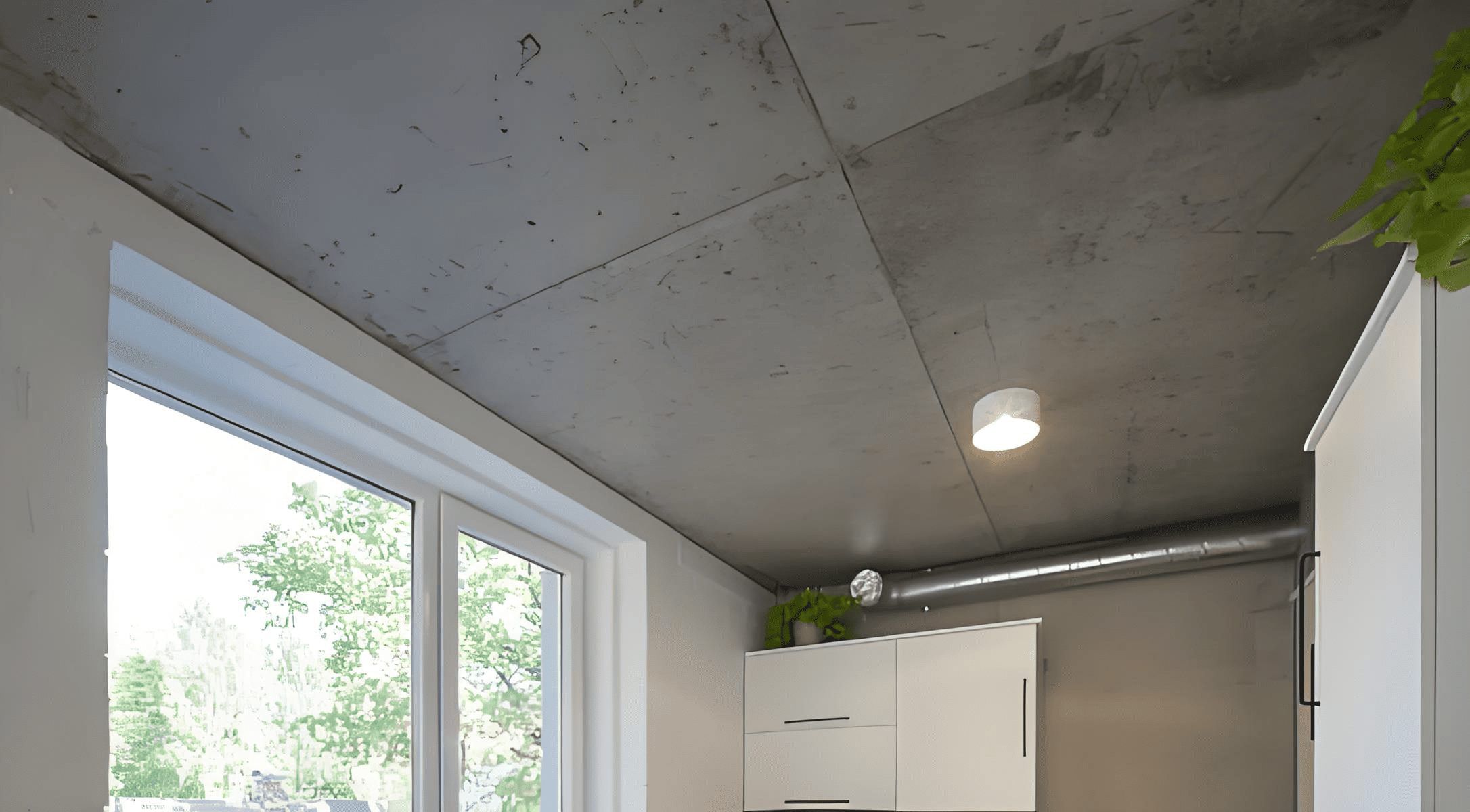
If you are thinking about using fiber cement board for ceilings, the answer is not a simple yes or no. I’ve used it for projects like poolside pavilions and bathroom ceilings, where the benefits outweighed the drawbacks. But when clients insist on using it across an entire house, I warn them about its higher costs, heavy weight, and longer installation times.
What is fiber cement board used for?
Water and dampness can weaken most ceiling or wall boards. Fire hazards can also destroy them faster than expected.
Fiber cement board is used for exterior walls, wet-area interior walls, ceilings in humid spaces, and areas where high fire resistance is needed.
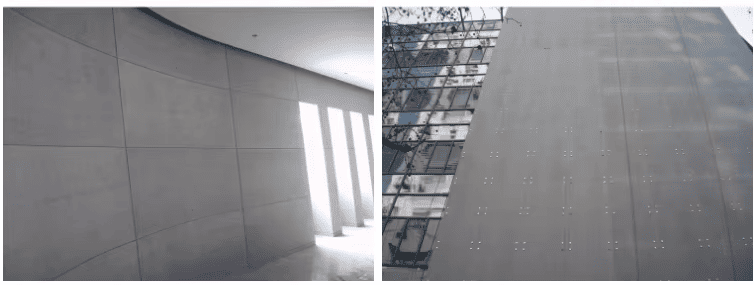
I first saw fiber cement board used in commercial kitchens and industrial units. Later, I began recommending it to homeowners for exterior cladding in coastal regions. It works well for patio ceilings, poolside structures, and covered balconies. In bathrooms and kitchens, it can replace gypsum board to prevent sagging or mold. Its durability also makes it a good choice for fire-rated walls in apartments. Unlike delicate materials, fiber cement withstands constant exposure to steam, sunlight, and salty coastal air without rotting or being eaten by termites.
| Common Application | Reason for Choice |
|---|---|
| Exterior wall cladding | Weatherproof, fire-safe |
| Bathroom walls/ceilings | Moisture resistant, moldproof |
| Kitchen splash zones | Fire and heat resistant |
| Patio or balcony ceilings | Handles humidity, sunlight well |
| Fire-rated partition walls | Meets fire safety regulations |
What is the difference between fiber cement board and gypsum board?
Many people confuse fiber cement board with gypsum board because both are flat panels for walls and ceilings.
Fiber cement board is cement-based, heavier, moisture- and fire-resistant. Gypsum board is lighter, cheaper, and easier to work with but less durable in wet conditions.
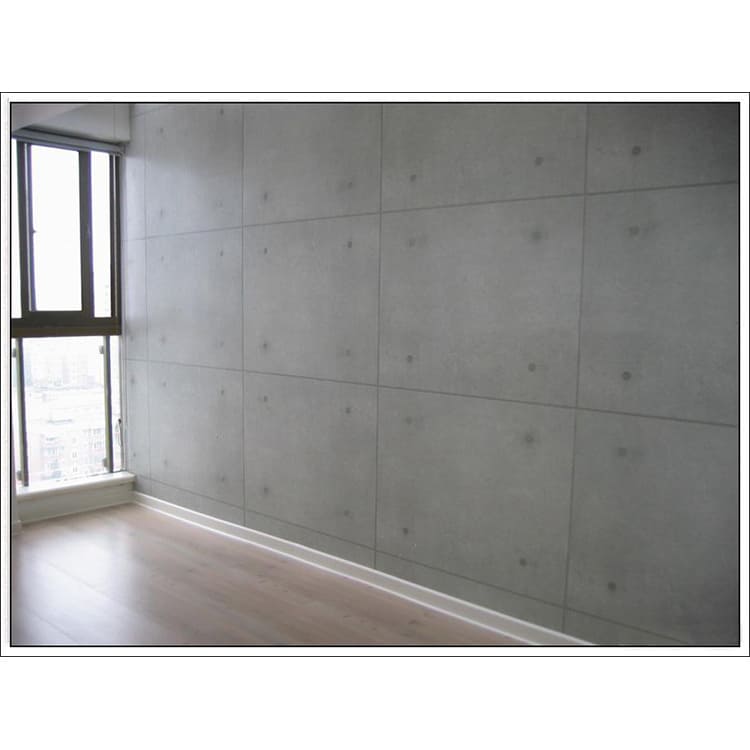
Gypsum board has a gypsum core covered with paper. It is perfect for dry indoor environments. Fiber cement has cement mixed with cellulose fibers, making it much stronger and denser. I learned early in my career that weight is a key difference: fiber cement can weigh two to three times more than gypsum. This changes installation planning — you need stronger framing and more manpower. While gypsum is easy to cut with a knife, fiber cement demands power tools with carbide or diamond blades. On the flip side, fiber cement handles moisture and fire far better.
| Feature | Fiber Cement Board | Gypsum Board |
|---|---|---|
| Weight | Heavy | Light |
| Moisture Resistance | Excellent | Poor |
| Fire Resistance | High | Moderate |
| Ease of Installation | Difficult | Easy |
| Cost | Higher | Lower |
What are the disadvantages of cement board ceilings?
Cost overruns can ruin a renovation budget. Heavy materials can strain ceiling frames and cause delays.
Fiber cement ceilings are heavier, cost more to install, require special tools, and can be harder to finish smoothly compared to gypsum ceilings.
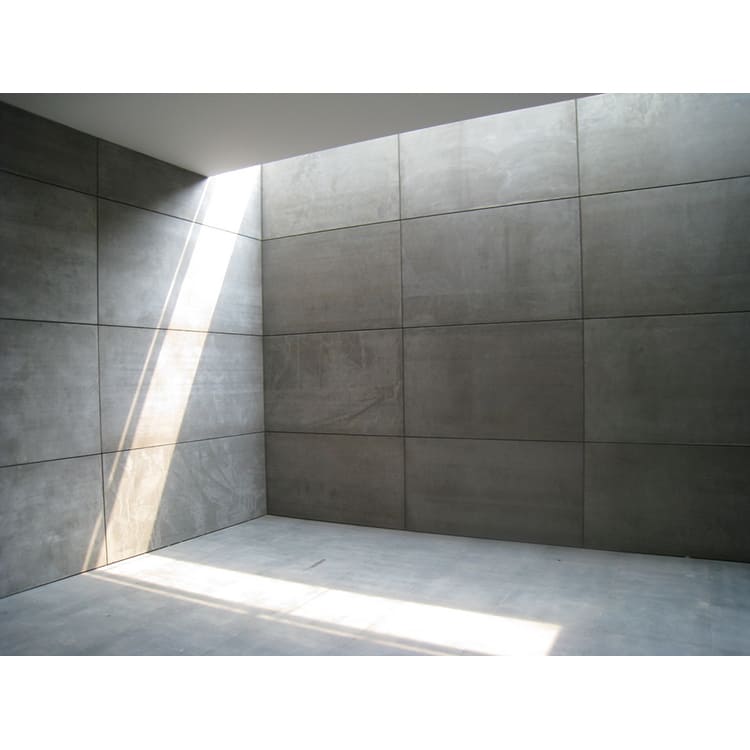
I remember a beachfront villa project where the owner insisted on fiber cement ceilings throughout. The materials performed flawlessly against the salty, humid air. But the project cost went 40% over budget, and the finish work took twice as long. Fiber cement's weight required stronger framing and longer installation schedules. Cutting it generated very fine dust, needing extra safety gear for workers. Smooth finishes required more sanding and coating layers. Nail or screw work had to be done carefully, since edges could crack if handled roughly. These factors mean fiber cement is best reserved for areas where its durability is absolutely necessary, not as a universal ceiling solution.
| Disadvantage | Impact on Project |
|---|---|
| Heavy Weight | Extra framing support needed |
| Higher Cost | 30–50% more than gypsum |
| Hard to Cut | Special tools required |
| Finish Difficulty | Extra coatings/sanding needed |
| Edge Cracking | Careful fastening required |
Conclusion
Fiber cement board ceilings are excellent for moisture- and fire-prone spaces but can cost and weigh too much for general indoor use.
