




Is Fiber Cement Board Fire-Resistant?
Yes, fiber cement boards are naturally fire-resistant.
Their composition of cement, silica, and cellulose fibers provides excellent non-combustible performance and high dimensional stability under heat.
TRUSUS safety insight: fire protection starts at the material level, but becomes real through the system.
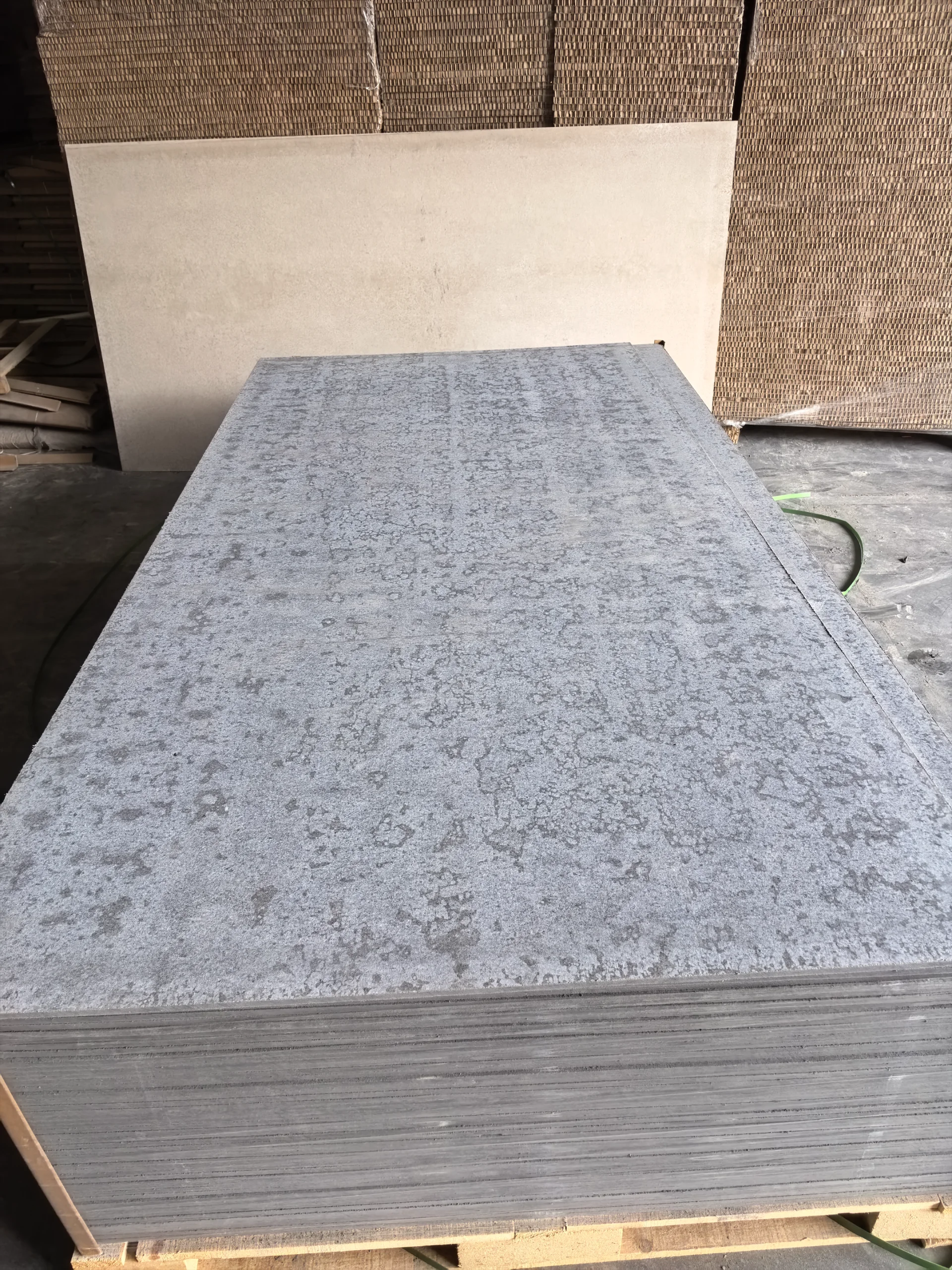
Fiber cement boards do not burn, emit low smoke, and resist flame spread, making them one of the most stable fire-safe materials in modern building envelopes.
Fire Resistance Basics
| Property | Fiber Cement Board | Typical Wood Board | Gypsum Board |
|---|---|---|---|
| Combustibility | Non‑combustible | Combustible | Non‑combustible |
| Fire Rating Classification | Up to A1 | Unrated | A1 to A2 |
| Smoke Release | Very low | High | Very low |
| Best Application | External façades, fire-rated walls | Interior décor only | Interior partitions |
In any application, fiber cement boards act as a core component in fire-rated systems rather than an isolated protective layer.
Are Fibre Cement Boards A1 Fire Rated?
Most high-quality fiber cement boards achieve an A1 non-combustible rating under EN 13501-1.
This means they do not contribute to fire at any stage of its development.
TRUSUS standard insight: A1 is not just a label—it’s the result of composition integrity and correct installation.
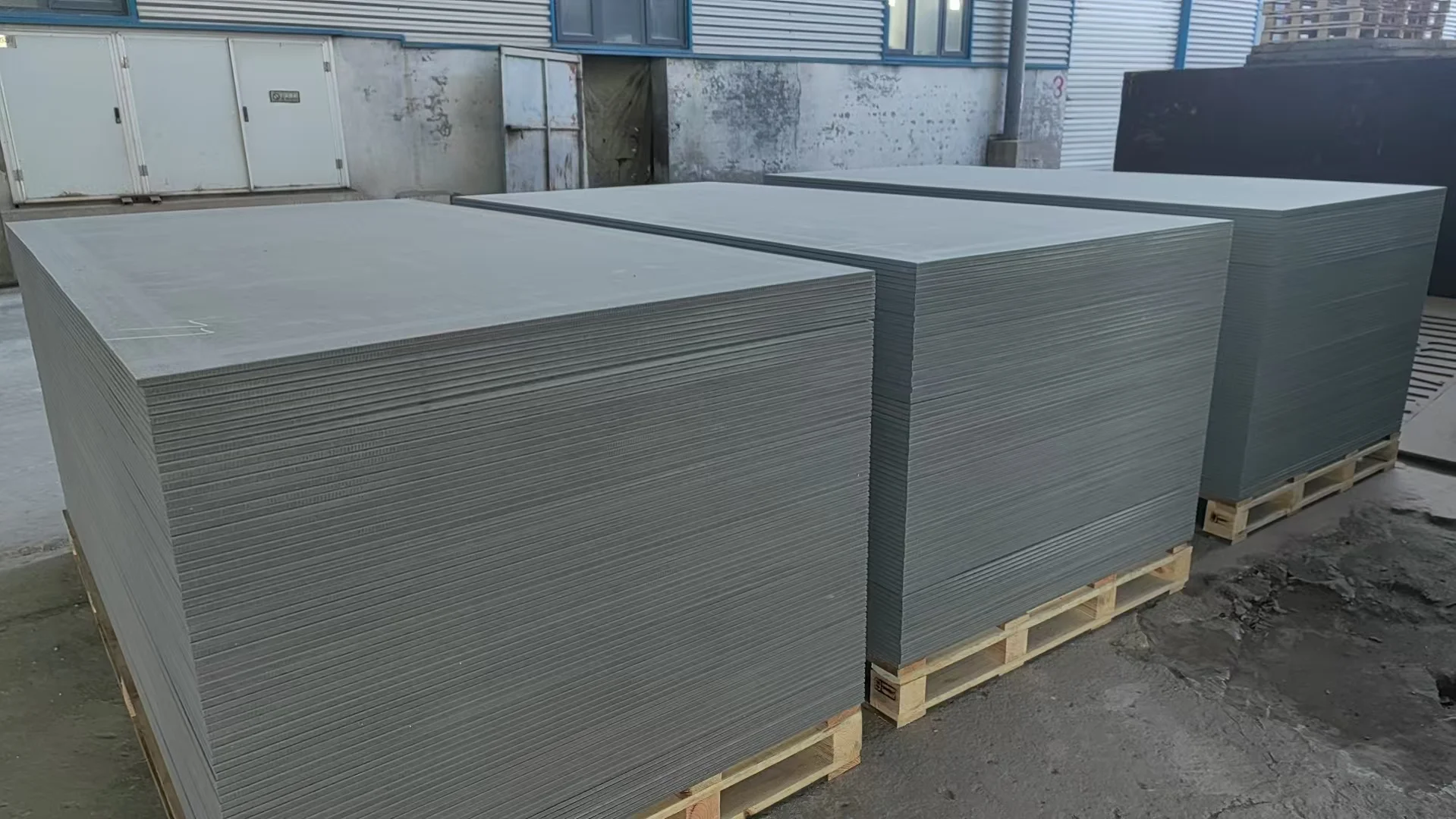
A1 Fire Rating Reference
| Test Standard | Rating Level | Criteria Description | Meaning |
|---|---|---|---|
| EN 13501‑1 | A1 | No contribution to fire | Fully non‑combustible |
| ASTM E84 | Class A | Flame spread index ≤25 | Excellent resistance |
| ISO 1182 | Non‑combustible | No flame or glow >20s | Global acceptance |
Even with the highest fire rating, performance depends on correct framing, joint sealing, and insulation combinations.
Is Fibre Board Fire Rated?
Not all fibre boards are the same.
Wood-based fibre boards (like MDF or hardboard) are combustible, while fibre cement boards are not.
Their fire performance differs because of composition.
TRUSUS material insight: “fiber board” is a family name—its fire safety depends on what makes it.
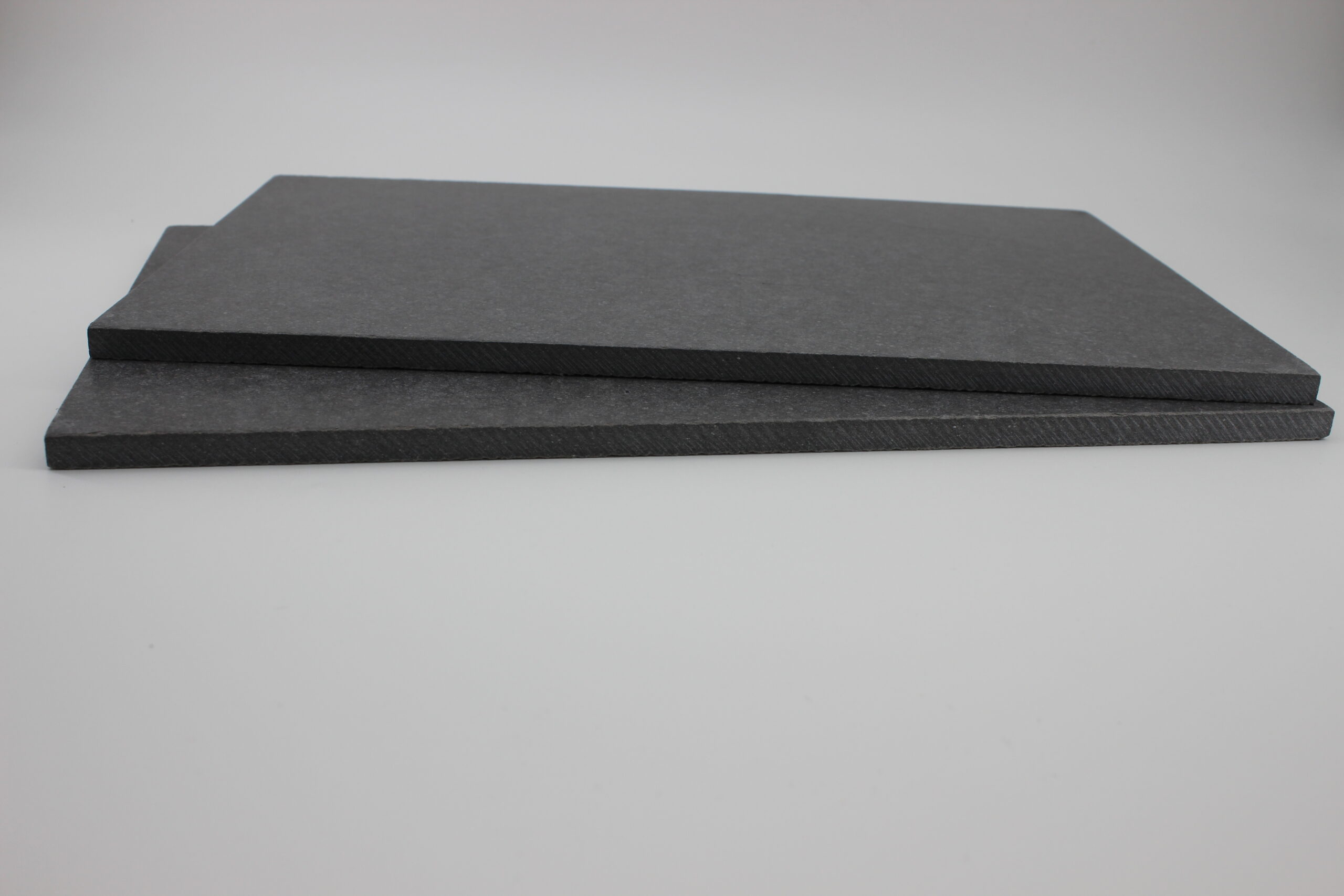
Fibre Board Classification
| Type | Main Composition | Fire Behavior | Typical Use |
|---|---|---|---|
| Fiber Cement Board | Cement + cellulose fiber | Non‑combustible | External/internal partitions |
| Gypsum Fiber Board | Gypsum + paper fiber | Non‑combustible | Interior systems |
| MDF / HDF | Wood fiber + resin | Combustible | Furniture, decoration |
| Mineral Fiber Board | Silica + wool fiber | Non‑combustible | Ceilings |
Understanding this distinction prevents safety misjudgment during design and specification stages.
Is All Cement Board Fire Rated?
Most cement boards are fire-rated by nature, but their certified level varies by brand and thickness.
Performance depends on density, formulation, and how they’re used in wall or ceiling assemblies.
TRUSUS design insight: a board alone protects little—the system protects much.
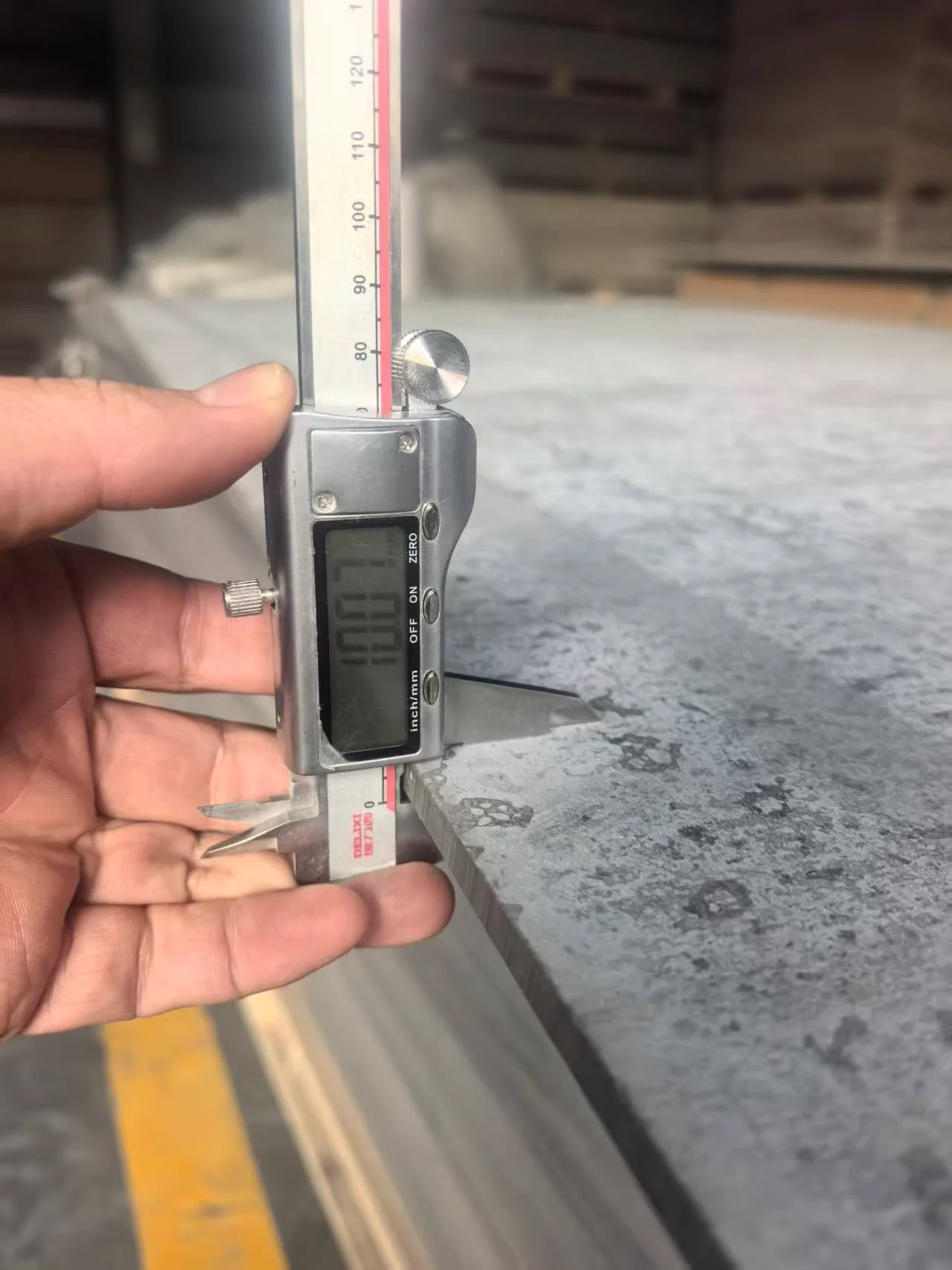
Cement Board Fire Rating Guide
| Type | Composition | Fire Rating Level | Ideal Use |
|---|---|---|---|
| Fiber Cement Board | Cement + cellulose + silica | A1 | Wall, façade, ceiling |
| Calcium Silicate Board | Cement + sand + glass fiber | A1 | Industrial, tunnels |
| Standard Cement Board | Cement + fillers | A2 | General construction |
| Lightweight Cement Board | Foamed core | B1/B2 | Non-critical interior |
Even an A1 board loses effectiveness if poorly jointed or installed with combustible framing materials. Fire safety is a system performance, not a single score.
Conclusion
At TRUSUS, I believe the true value of fiber cement boards lies not only in their A1 rating, but in how they enable integrated fire-safe systems.
Fire resistance is not just a test—it’s trust built into every wall.
