




Is Fiber Cement Board Eco-Friendly?
Many question fiber cement board environmental impact, but eco-friendliness involves lifecycle sustainability rather than just material composition. Fiber cement board eco-friendliness encompasses manufacturing processes, durability benefits, recyclability potential, and long-term resource conservation that determine overall environmental performance beyond initial material sourcing considerations.
Fiber cement board is eco-friendly through long service life reducing replacement frequency, recyclable materials including cement and cellulose fibers, low maintenance requirements conserving resources, and modern manufacturing processes eliminating harmful asbestos while using sustainable fiber reinforcement for enhanced environmental performance.
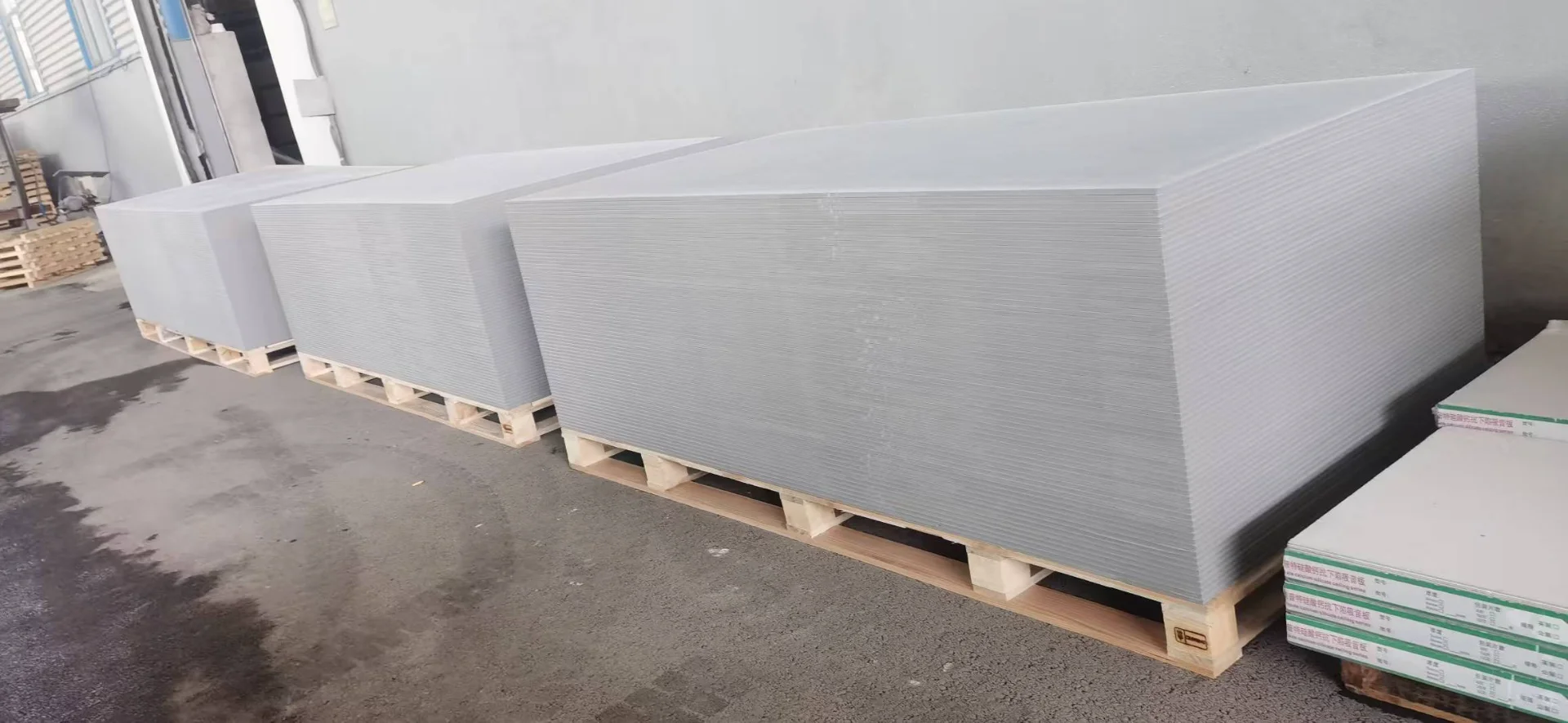
Through years of fiber cement manufacturing and sustainability analysis, I learned that environmental performance extends beyond material composition to include durability, maintenance reduction, and lifecycle resource conservation where fiber cement board excels through longevity and minimal environmental impact during service life.
What is the Most Eco-Friendly Fiber?
Understanding eco-friendly fiber options helps optimize environmental performance in fiber cement applications. Eco-friendly fiber selection involves renewable sources, processing methods, and performance characteristics that affect both manufacturing sustainability and long-term material performance while balancing environmental goals with technical requirements.
The most eco-friendly fibers for cement board include cellulose from recycled paper and wood waste, natural hemp fibers from renewable crops, and PVA synthetic fibers designed for recyclability, with cellulose offering best combination of performance, availability, and environmental benefits through waste stream utilization and biodegradability.
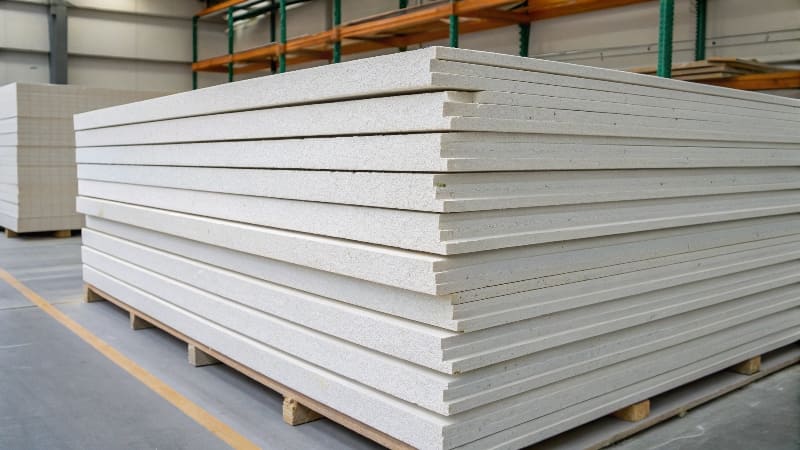
Comprehensive Eco-Friendly Fiber Analysis and Selection Criteria
Eco-friendly fiber selection requires evaluating renewable sourcing, processing impacts, performance characteristics, and end-of-life considerations for optimal environmental outcomes. During my experience working with fiber cement formulations and sustainability initiatives, I learned that fiber choice significantly impacts both manufacturing sustainability and long-term product performance while requiring balance between environmental goals and technical requirements.
Cellulose fibers provide excellent eco-friendliness through recycled paper and wood waste utilization while offering superior reinforcement properties and biodegradability at end-of-life making them preferred choice for sustainable construction.
Hemp fibers represent renewable crop-based reinforcement with rapid growth cycles and minimal processing requirements while providing good tensile strength and natural resistance to degradation in alkaline cement environments.
PVA synthetic fibers offer recyclability advantages through controlled composition and processing while providing consistent performance characteristics though requiring energy-intensive manufacturing compared to natural alternatives.
Recycled content maximization uses post-consumer waste streams reducing virgin material demand while maintaining performance standards through careful fiber selection and processing optimization.
Processing impact evaluation includes energy requirements, chemical usage, and waste generation during fiber preparation while selecting methods that minimize environmental footprint throughout production.
Performance optimization ensures eco-friendly fibers meet technical requirements for strength, durability, and workability while avoiding compromise in structural performance or service life.
Regional availability affects environmental impact through transportation requirements while local fiber sources reduce carbon footprint and support regional economies.
Biodegradability considerations address end-of-life disposal options while natural fibers provide composting potential though cement matrix may limit practical biodegradation benefits.
Carbon footprint analysis includes fiber production, transportation, and processing energy while optimizing selection for lowest overall environmental impact throughout product lifecycle.
Innovation development focuses on emerging sustainable fiber technologies including agricultural waste utilization and bio-based synthetic alternatives for future environmental improvements.
| Fiber Type | Eco-Friendliness Rating | Performance Level | Sustainability Benefits |
|---|---|---|---|
| Cellulose Fibers | Excellent | High performance | Waste utilization |
| Recycled paper | Outstanding | Good reinforcement | Post-consumer content |
| Wood waste | Very good | Excellent strength | Forest waste reduction |
| Natural Plant Fibers | Very good | Good performance | Renewable resources |
| Hemp fibers | Excellent | Moderate strength | Rapid crop growth |
| Flax fibers | Good | Variable performance | Agricultural integration |
| Synthetic Eco-Fibers | Good | Excellent performance | Recyclable design |
| PVA fibers | Moderate | High strength | Controlled composition |
| Bio-based synthetics | Emerging | Variable | Renewable feedstock |
| Recycled Synthetics | Good | High performance | Waste stream reduction |
| Reclaimed PET | Moderate | Good properties | Plastic waste utilization |
| Recycled polypropylene | Fair | Adequate strength | Industrial waste use |
What is the Most Common Problem with Fiber Cement Siding?
Understanding fiber cement siding issues helps prevent installation problems and ensure long-term performance. Fiber cement siding problems involve installation errors, moisture management, and maintenance requirements that affect durability while proper installation techniques and material selection prevent most common issues.
The most common problem with fiber cement siding is cracking due to improper installation including inadequate fastening, insufficient expansion joints, and poor moisture management, though proper installation techniques, appropriate fastener selection, and regular maintenance prevent most issues while ensuring long-term performance and appearance.
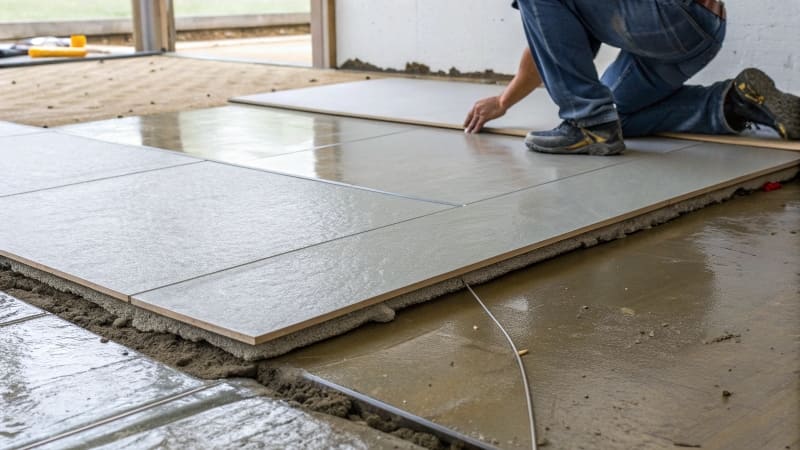
Detailed Problem Analysis and Prevention Strategies
Fiber cement siding problems typically result from installation errors rather than material defects while understanding common issues enables prevention through proper techniques and maintenance practices. During my experience working with fiber cement applications and troubleshooting, I learned that most problems are avoidable through proper installation procedures and regular maintenance while material quality continues improving through manufacturing advances.
Cracking represents the most frequent issue resulting from improper fastening, inadequate expansion joints, or building movement while proper installation techniques and joint design prevent most cracking problems.
Moisture infiltration occurs through inadequate sealing, improper flashing, or joint failure while comprehensive moisture management including proper caulking and drainage prevents water intrusion issues.
Fastener problems include corrosion, over-driving, or inadequate penetration causing loosening or staining while using appropriate corrosion-resistant fasteners and proper installation techniques ensure long-term attachment.
Coating failure involves paint or finish degradation through inadequate surface preparation or inappropriate coating selection while proper surface treatment and quality coatings provide extended service life.
Installation gaps result from poor workmanship or inadequate planning while proper layout and skilled installation ensure appropriate spacing and alignment for professional appearance.
Thermal movement accommodation requires expansion joints and flexible connections while rigid installation without movement provisions leads to stress cracking and joint failure.
Edge damage occurs during handling or installation while careful material handling and proper cutting techniques prevent chipping and edge deterioration.
Maintenance neglect allows minor issues to develop into major problems while regular inspection and prompt attention to maintenance needs ensure continued performance.
Color fading affects appearance through UV exposure and weathering while quality coatings and proper color selection minimize fading issues over time.
Professional installation ensures proper techniques and quality control while inexperienced installation often leads to performance problems and warranty issues.
| Problem Category | Common Causes | Prevention Methods | Repair Solutions |
|---|---|---|---|
| Cracking Issues | Installation errors | Proper techniques | Crack repair |
| Fastener placement | Over-driving screws | Correct fastening | Fastener adjustment |
| Expansion joints | Inadequate provision | Movement accommodation | Joint installation |
| Moisture Problems | Sealing failures | Comprehensive sealing | Caulking repair |
| Flashing issues | Poor installation | Professional flashing | Flashing replacement |
| Drainage problems | Design inadequacy | Proper drainage | System improvement |
| Fastener Issues | Wrong fastener type | Appropriate selection | Fastener replacement |
| Corrosion problems | Non-resistant materials | Stainless steel use | Stain treatment |
| Penetration depth | Installation error | Proper training | Fastener adjustment |
| Coating Problems | Surface preparation | Proper prep work | Surface refinishing |
| Wrong coating type | Inappropriate selection | Compatible coatings | Coating replacement |
| Application errors | Poor technique | Professional application | Complete refinishing |
What Happens if Fibre Cement Board Gets Wet?
Understanding fiber cement board water exposure effects helps evaluate performance and durability expectations. Fiber cement board moisture response involves dimensional stability, structural integrity, and long-term performance that determine suitability for wet environments while requiring appropriate installation and protection measures.
Fiber cement board maintains structural integrity when wet due to inorganic cement matrix and synthetic fiber reinforcement, showing minimal dimensional change and no degradation, though prolonged saturation may cause temporary surface texture changes that resolve upon drying while proper installation includes moisture barriers for optimal performance.
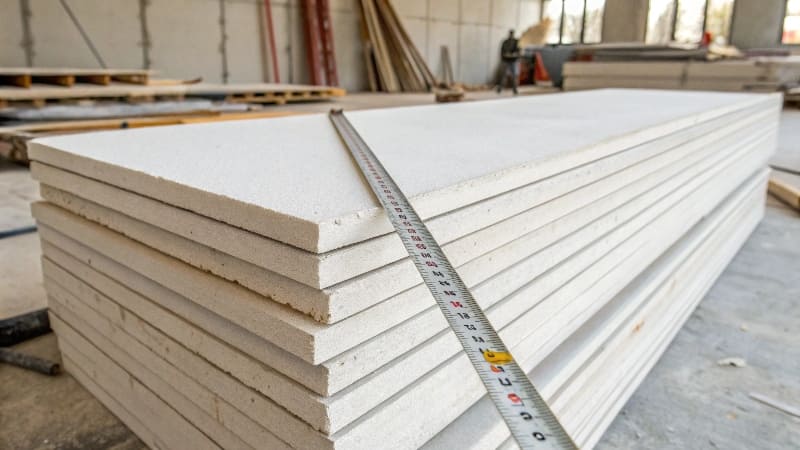
Comprehensive Moisture Performance Analysis and Water Management
Fiber cement board moisture performance demonstrates superior water resistance through inorganic composition and engineered fiber reinforcement systems. During my experience working with fiber cement applications and moisture exposure testing, I learned that proper understanding of water resistance characteristics enables confident material selection while ensuring appropriate installation practices for various moisture conditions.
Structural integrity remains intact during water exposure with fiber cement board maintaining strength and dimensional stability while avoiding swelling, warping, or delamination common in organic materials.
Dimensional stability shows minimal expansion or contraction under moisture exposure while maintaining flat surfaces and joint integrity better than wood-based alternatives in wet conditions.
Surface effects may include temporary darkening or texture changes during saturation while returning to original appearance upon drying without permanent degradation or performance loss.
Drying characteristics allow efficient moisture release through natural evaporation while fiber cement board returns to original properties and appearance without residual effects.
Mold resistance provides advantages in humid environments through inorganic composition that doesn't support biological growth while maintaining healthy indoor air quality.
Installation considerations include proper vapor barriers, flashing, and drainage systems that optimize performance while preventing moisture accumulation behind panels in wall assemblies.
Freeze-thaw resistance demonstrates excellent performance through repeated temperature cycling in wet conditions while maintaining structural integrity better than many alternative materials.
Long-term durability includes sustained performance through extended moisture exposure without degradation while providing reliable service in challenging environmental conditions.
Coating compatibility allows application of protective finishes that enhance moisture resistance while maintaining breathability for optimal moisture management.
System design integration with building envelope components ensures comprehensive moisture management while optimizing fiber cement board performance in various applications.
| Moisture Condition | Material Response | Performance Level | Recommended Applications |
|---|---|---|---|
| Light Moisture Exposure | Excellent stability | No degradation | Interior applications |
| High humidity | Minimal effects | Stable performance | Bathroom backing |
| Occasional splash | Quick recovery | Full integrity | Kitchen areas |
| Moderate Water Contact | Good performance | Maintained strength | Exterior applications |
| Rain exposure | Surface wetting only | Structural stability | Siding applications |
| Condensation | Rapid drying | No damage | Basement walls |
| Heavy Water Exposure | Acceptable performance | Some surface effects | Marine environments |
| Direct spray | Temporary changes | Structural integrity | Pool areas |
| Flooding conditions | Assessment required | Generally stable | Below-grade applications |
| Extreme Conditions | Professional evaluation | Variable response | Specialized applications |
| Continuous immersion | Not recommended | Potential issues | Underwater use |
| Aggressive chemicals | Material dependent | Specialized products | Industrial environments |
Conclusion
Fiber cement board is eco-friendly through long service life, recyclable materials, and sustainable fiber options with cellulose from recycled content being most environmentally beneficial, common problems include cracking from improper installation though proper techniques prevent most issues, and fiber cement board maintains excellent performance when wet through inorganic composition and dimensional stability while requiring appropriate installation practices for optimal moisture management.
