




Is Cement Siding Non‑Porous?
Cement siding is not completely non‑porous, but its pores are tightly controlled through manufacturing design. High‑density fiber cement technology makes it resistant to water absorption while still breathable.
TRUSUS material insight: water resistance isn’t zero absorption—it’s managed absorption.
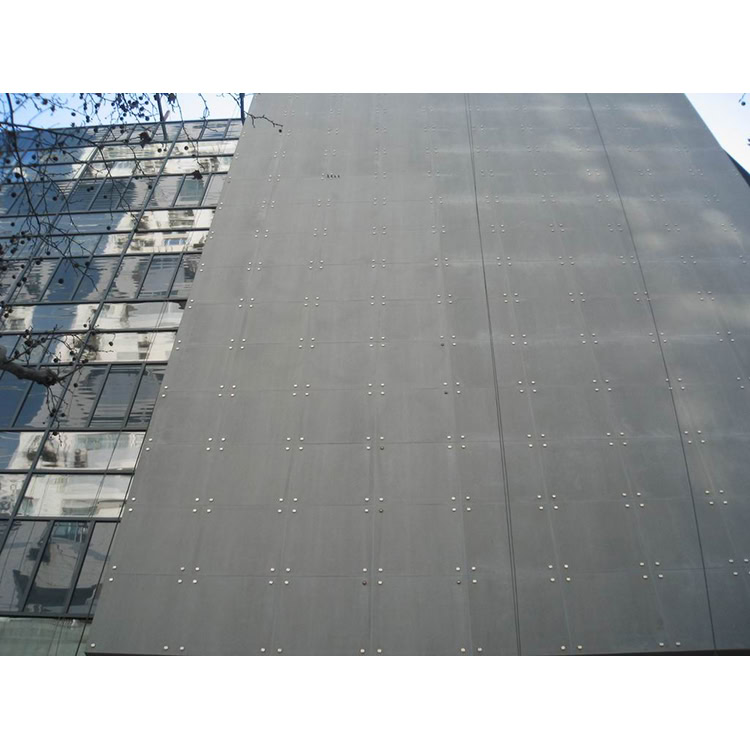
Its micro‑structure contains fine capillary pores that let moisture enter briefly and leave without structural harm. This balance keeps the board dimensionally stable across humidity and temperature changes.
Cement Siding Porosity Table
| Property | Standard Concrete | Fiber Cement Board | Effect on Performance |
|---|---|---|---|
| Pore Density | High, uneven | Low, controlled | Stable dimensional response |
| Water Absorption | 8–12% | 3–6% | Limited surface wetting |
| Vapor Exchange | Minimal | Moderate | Balances indoor humidity |
| Surface Protection | None | Sealed coating or primer | Deflects direct rain impact |
Fiber cement siding therefore acts as a managed system—it breathes but doesn’t leak.
Are Cement Boards Porous?
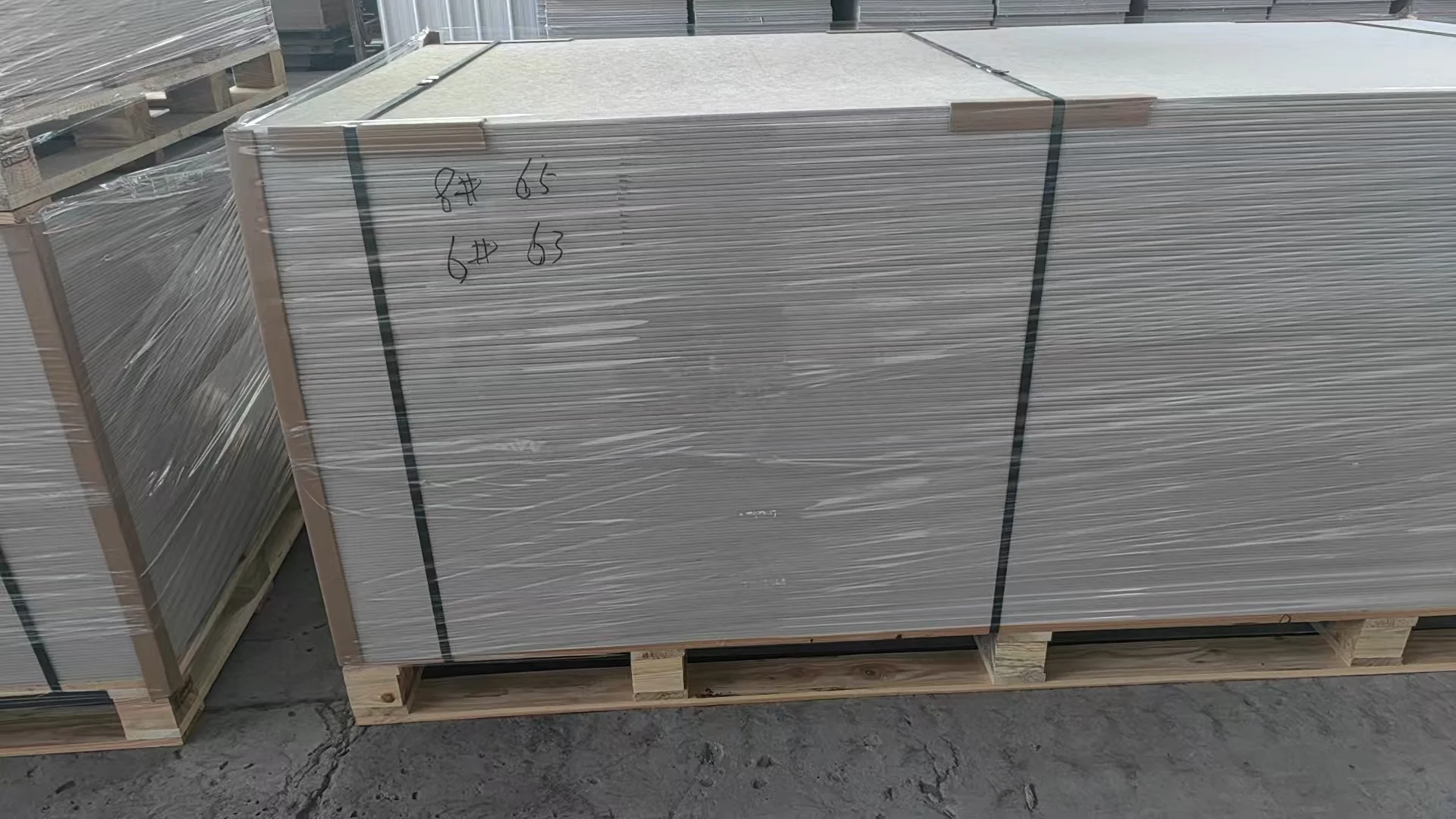
Yes, cement boards contain microscopic pores within their structure. They are designed to keep water diffusion slow and surface drying fast, preventing deterioration or surface efflorescence.
TRUSUS production insight: pores are part of intelligence, not defects—they form the board’s adaptive system against moisture.
Porosity Understanding
| Material Type | Approximate Porosity | Engineering Feature |
|---|---|---|
| Standard Cement Board | 8–10% | Open capillary network |
| Fiber‑Reinforced Cement Board | 4–6% | Mixed cellulose fiber sealing |
| Autoclaved Cement Board | 3–5% | Closed pore hardening |
| Surface‑Primed Board | 2–3% | Hydrophobic coating layer |
Porosity doesn’t mean weakness. It defines how a wall material interacts with air and moisture, ensuring structural safety through controlled water behavior.
How to Know If a Wall Is Porous?
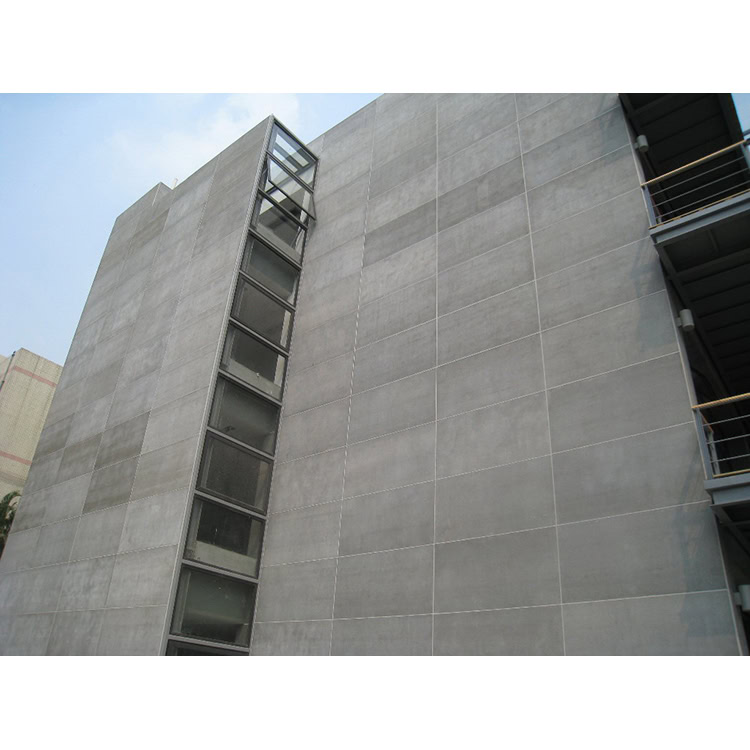
You can test if a wall is porous by spraying a small amount of water and observing absorption. If water darkens the surface or vanishes quickly, the material has active pores; if it stays on top, it’s sealed or treated.
TRUSUS field insight: the best wall doesn’t fear water—it knows how to manage it.
Quick Porosity Test Guide
| Step | Method | Result Interpretation |
|---|---|---|
| 1 | Clean a small dry area | Ensure surface clarity |
| 2 | Spray or drop water | Observe wetting pattern |
| 3 | Wait 30 seconds | Check color and absorption |
| 4 | Lightly touch surface | If damp, wall has higher porosity |
| 5 | Repeat with sealed board | Compare resistance level |
Porous walls breathe, which helps regulate interior humidity. Non‑porous surfaces rely on coatings and sealers for moisture control instead.
Does Cement Siding Absorb Water?
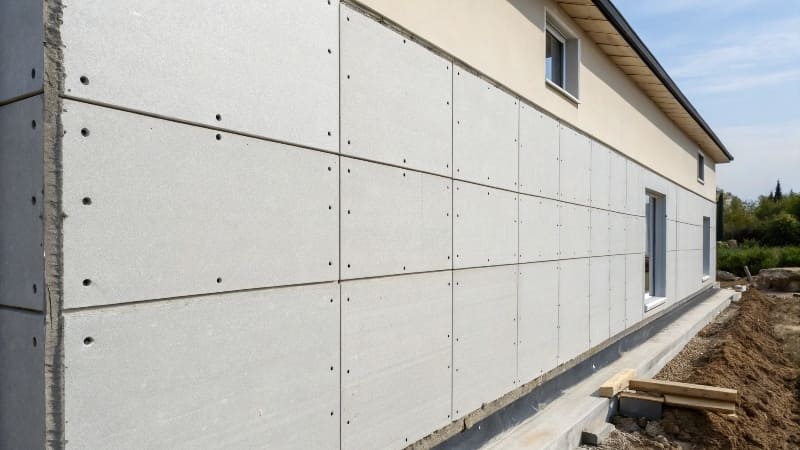
Cement siding absorbs a very small amount of water, typically around 3–6%, depending on density and finish. The absorption happens mainly at surface pores but quickly reverses through evaporation or drainage.
TRUSUS durability insight: water is a visitor, not a resident—good design ensures it never stays long.
Water Absorption Comparison
| Siding Material | Water Absorption (%) | Performance Impact | Maintenance Need |
|---|---|---|---|
| Vinyl | 0% | Fully non‑porous | Minimal |
| Wood | 10–20% | Swelling, color change | Frequent repaint |
| Fiber Cement | 3–6% | Minor temporary moisture | Low maintenance |
| Metal | 0% | No absorption | Potential corrosion from surface oxidation |
Its engineered balance between porosity and density prevents swelling, delamination, and paint failure even under heavy rainfall or humid conditions.
Conclusion
At TRUSUS, I believe cement siding’s strength lies in its smart material design. It doesn’t fight water—it manages it, balancing durability, breathability, and lasting beauty across every climate.
