




Is Cement Sheeting Asbestos?
Modern cement sheeting is not asbestos and uses safe synthetic fibers, but historical cement sheets manufactured before 1980-1990 may contain asbestos requiring professional identification.
Contemporary cement sheets use cellulose, PVA, or glass fibers as reinforcement materials providing identical structural performance without health risks. Asbestos-containing cement sheets were phased out globally between 1980-1990 with complete prohibition in most developed countries by 2000. Modern manufacturing processes employ high-pressure steam curing and advanced fiber technology ensuring superior durability and safety compliance. Visual identification requires professional testing as appearance similarities between asbestos and non-asbestos products make field identification unreliable. All new cement sheet products manufactured after 2000 carry certification guaranteeing asbestos-free composition.
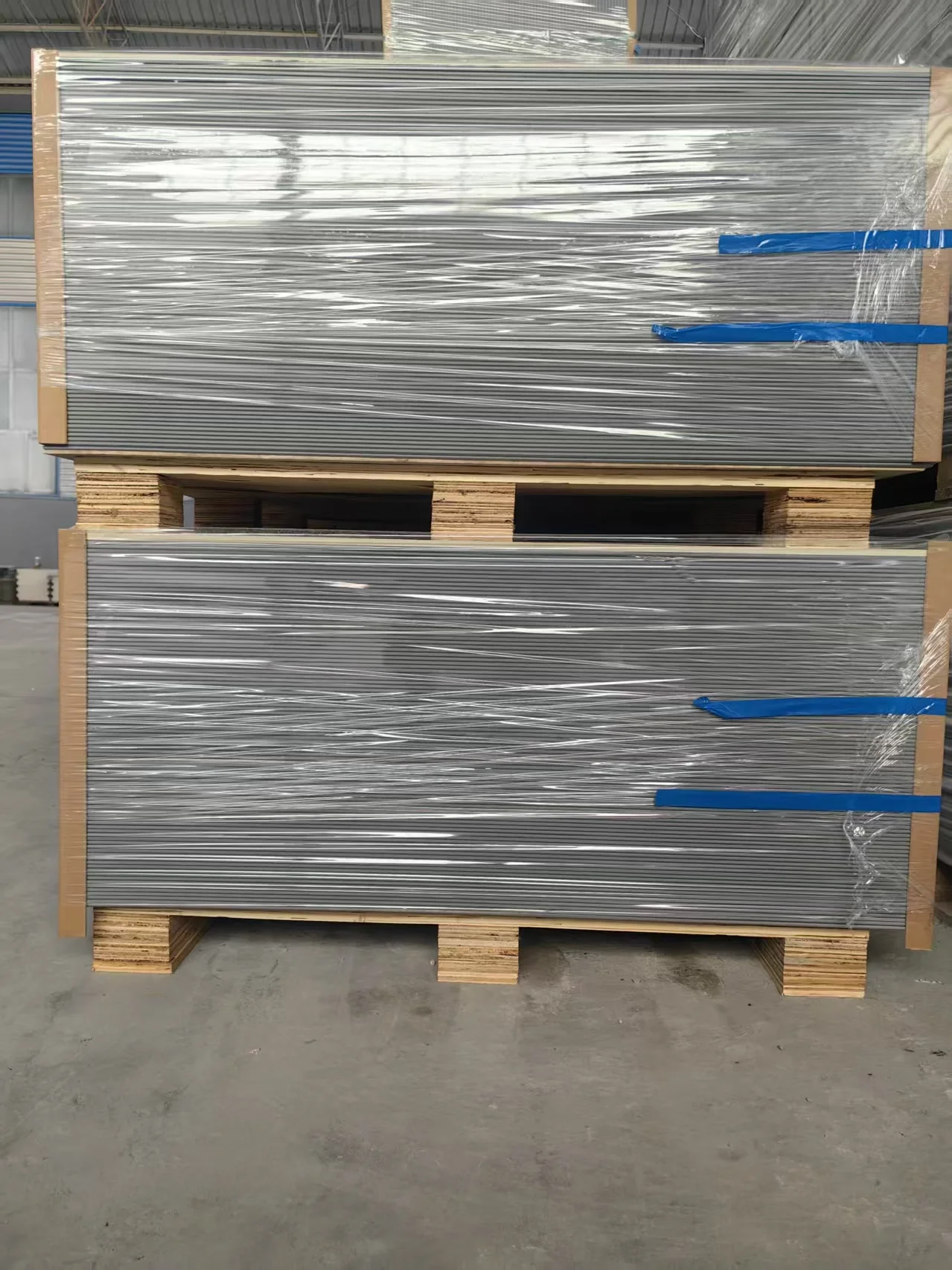
From my extensive experience in cement sheet manufacturing, I've witnessed the complete industry transformation from asbestos-containing materials to advanced synthetic fiber systems, with modern products offering superior performance while eliminating all health risks associated with legacy materials.
Is Cement Board the Same as Asbestos?
Cement board and asbestos are completely different materials, with modern cement board using safe synthetic fibers while asbestos refers to hazardous natural mineral fibers.
Cement board contains portland cement, silica sand, and synthetic reinforcing fibers creating structural building material for walls and flooring. Asbestos consists of naturally occurring silicate minerals with microscopic fibers causing serious respiratory diseases when disturbed. Modern cement boards use cellulose, PVA, glass, or synthetic polymer fibers providing equivalent strength without health hazards. Manufacturing processes differ completely with cement board requiring high-pressure curing while asbestos products used simple compression molding. Regulatory compliance ensures all contemporary cement board products meet strict safety standards with third-party certification.
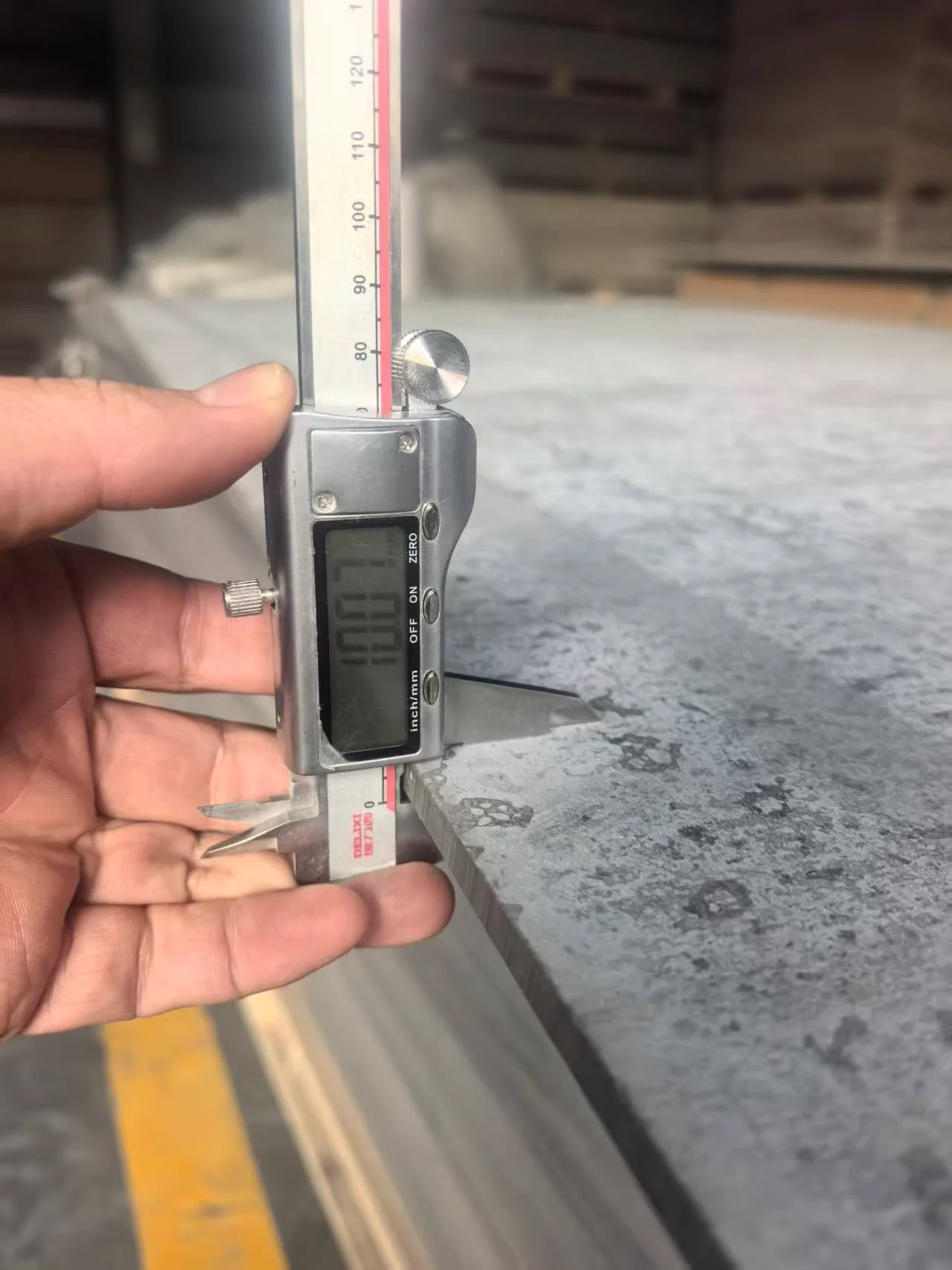
Material Composition Analysis
Modern cement board and asbestos materials differ fundamentally in composition and safety profiles.
| Material Component | Modern Cement Board | Asbestos-Containing Materials | Safety Profile | Health Impact |
|---|---|---|---|---|
| Primary Binder | Portland cement | Portland cement | Safe | None |
| Reinforcement Fibers | Cellulose/PVA/Glass | Chrysotile/Amosite/Crocidolite | Safe vs Hazardous | None vs Severe |
| Silica Content | Crystalline sand | Various silicates | Controlled | Variable risk |
| Manufacturing Process | Steam curing | Compression molding | Advanced safety | Minimal protection |
| Regulatory Status | Approved worldwide | Banned/restricted | Compliant | Prohibited |
Reinforcement fiber differences represent the critical safety distinction between materials.
Performance Characteristics
Modern cement board achieves superior performance compared to historical asbestos materials.
| Performance Factor | Modern Cement Board | Asbestos Materials | Improvement Factor | Technical Advantage |
|---|---|---|---|---|
| Tensile Strength | 4-8 MPa | 3-6 MPa | 15-30% higher | Advanced fibers |
| Flexural Strength | 8-15 MPa | 6-12 MPa | 20-25% higher | Fiber optimization |
| Impact Resistance | Excellent | Good | Significant | Synthetic toughness |
| Weather Resistance | Superior | Variable | Major improvement | Enhanced durability |
| Fire Performance | Class A rating | Variable | Consistent | Engineered safety |
Modern cement board consistently outperforms asbestos materials across all performance metrics.
Safety and Regulatory Framework
Comprehensive safety measures distinguish modern cement board from legacy asbestos materials.
| Safety Aspect | Modern Standards | Asbestos Era | Regulatory Change | Current Requirements |
|---|---|---|---|---|
| Material Testing | Mandatory certification | Limited oversight | Comprehensive | Third-party validation |
| Manufacturing Safety | Enclosed processes | Open handling | Complete transformation | Worker protection |
| Installation Guidelines | Standard practices | Special precautions | Simplified | Normal procedures |
| Disposal Requirements | Regular waste streams | Hazardous protocols | Normalized | Standard disposal |
| Building Codes | Unrestricted use | Increasing restrictions | Full acceptance | Code compliance |
Mandatory certification systems ensure complete safety verification for modern cement board products.
When Did They Stop Using Asbestos in Cement Sheets?
Asbestos use in cement sheets was phased out between 1980-1990 in most developed countries with complete prohibition by 2000-2003 globally.
United States banned asbestos in cement products effective 1989 with EPA regulations prohibiting manufacture and import. European Union implemented comprehensive asbestos ban by 2005 while Australia completed phase-out by 2003. Canada prohibited asbestos-containing building materials in 1990 with full enforcement by 1995. Manufacturing transition period allowed inventory depletion extending actual market availability until 1990-1995 in some regions. Developing countries continued production until 2000-2010 with WHO recommendations accelerating global elimination.
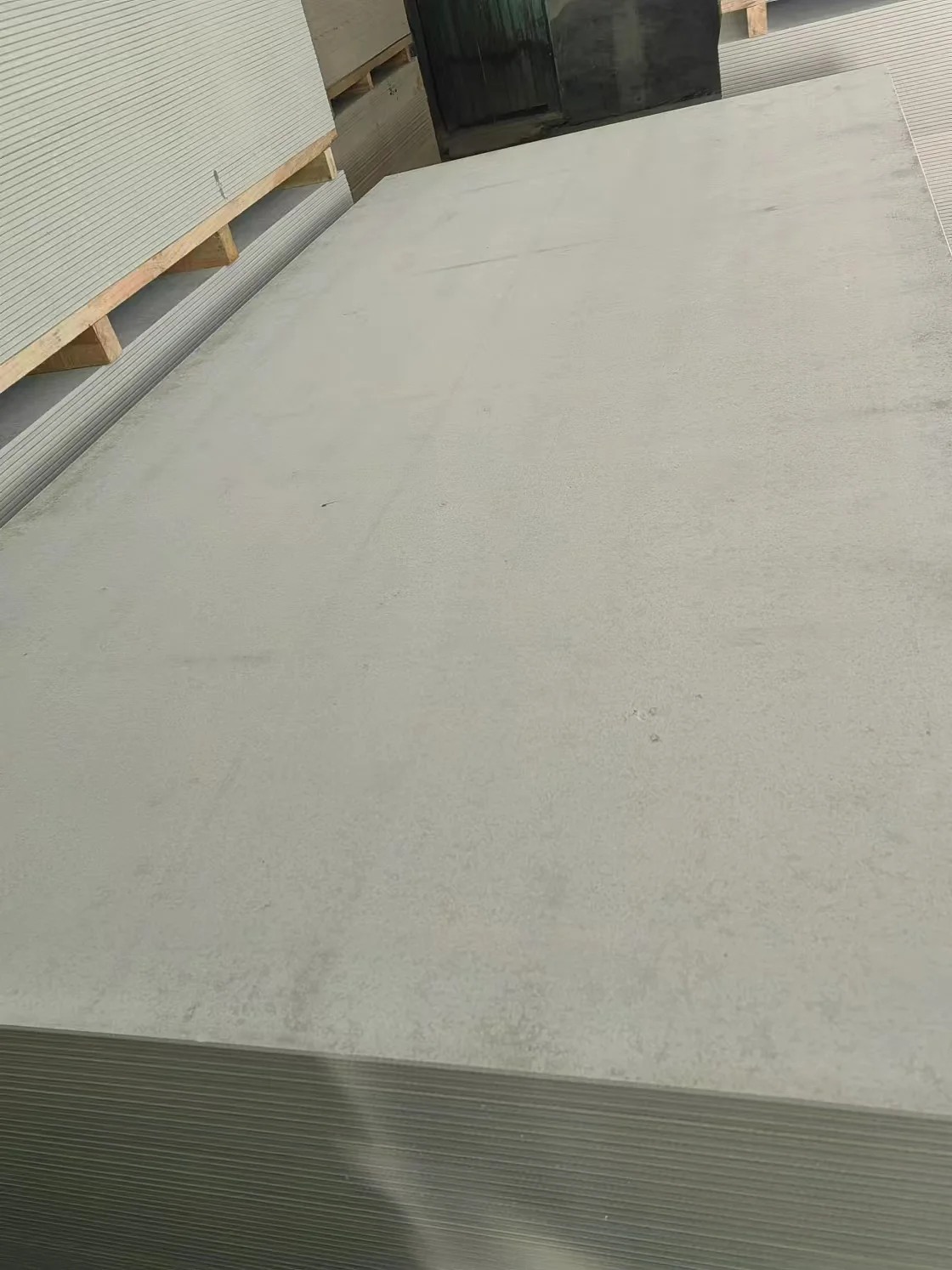
Regional Phase-Out Timeline
Different regions implemented asbestos prohibitions at varying timelines based on regulatory frameworks.
| Region/Country | Initial Restrictions | Complete Ban | Enforcement Date | Compliance Level |
|---|---|---|---|---|
| United States | 1973-1989 | 1989 | 1990 | Strict enforcement |
| European Union | 1985-1999 | 2005 | 2005 | Uniform compliance |
| Australia | 1980-1990 | 2003 | 2003 | Complete prohibition |
| Canada | 1985-1990 | 1990 | 1995 | Federal oversight |
| Japan | 1995-2004 | 2006 | 2006 | Phased implementation |
United States led early asbestos regulation with comprehensive federal prohibition.
Industry Transition Challenges
The shift from asbestos to synthetic fibers required significant industrial adaptation.
| Transition Factor | Timeline | Industry Impact | Cost Implication | Technical Challenge |
|---|---|---|---|---|
| Research & Development | 1975-1985 | Major investment | High R&D costs | Fiber alternatives |
| Manufacturing Retooling | 1980-1990 | Equipment replacement | Significant capital | Process adaptation |
| Market Education | 1985-1995 | Consumer awareness | Marketing costs | Trust rebuilding |
| Regulatory Compliance | 1989-2000 | Legal requirements | Compliance costs | Documentation |
| Global Harmonization | 1990-2010 | International coordination | Variable costs | Standards alignment |
Research and development phases required the longest timeline for successful asbestos alternatives.
Legacy Material Identification
Determining asbestos presence in existing cement sheets requires understanding historical patterns.
| Installation Period | Asbestos Probability | Identification Methods | Testing Requirements | Safety Protocols |
|---|---|---|---|---|
| Pre-1980 | Very High (>90%) | Professional testing | Mandatory lab analysis | Full precautions |
| 1980-1990 | Moderate (30-60%) | Professional assessment | Recommended testing | Precautionary measures |
| 1990-2000 | Low (<10%) | Visual inspection | Optional verification | Standard safety |
| Post-2000 | None (0%) | Manufacturer certification | Documentation review | Normal handling |
Pre-1980 installations require mandatory professional testing for asbestos content determination.
How to Tell the Difference Between Asbestos and Fibre Cement Fencing?
Distinguishing asbestos from fiber cement fencing requires professional testing as visual identification alone cannot reliably differentiate between materials.
Installation date provides primary indicator with pre-1990 fencing likely containing asbestos while post-2000 installations guaranteed asbestos-free. Professional laboratory testing through accredited facilities provides definitive identification using polarized light microscopy. Visual characteristics including surface texture, edge details, and weathering patterns offer preliminary assessment but require expert interpretation. Manufacturer markings and product documentation when available provide reliable verification of material composition and safety status. Disturbing suspected materials without professional assessment creates significant health risks requiring immediate expert consultation.
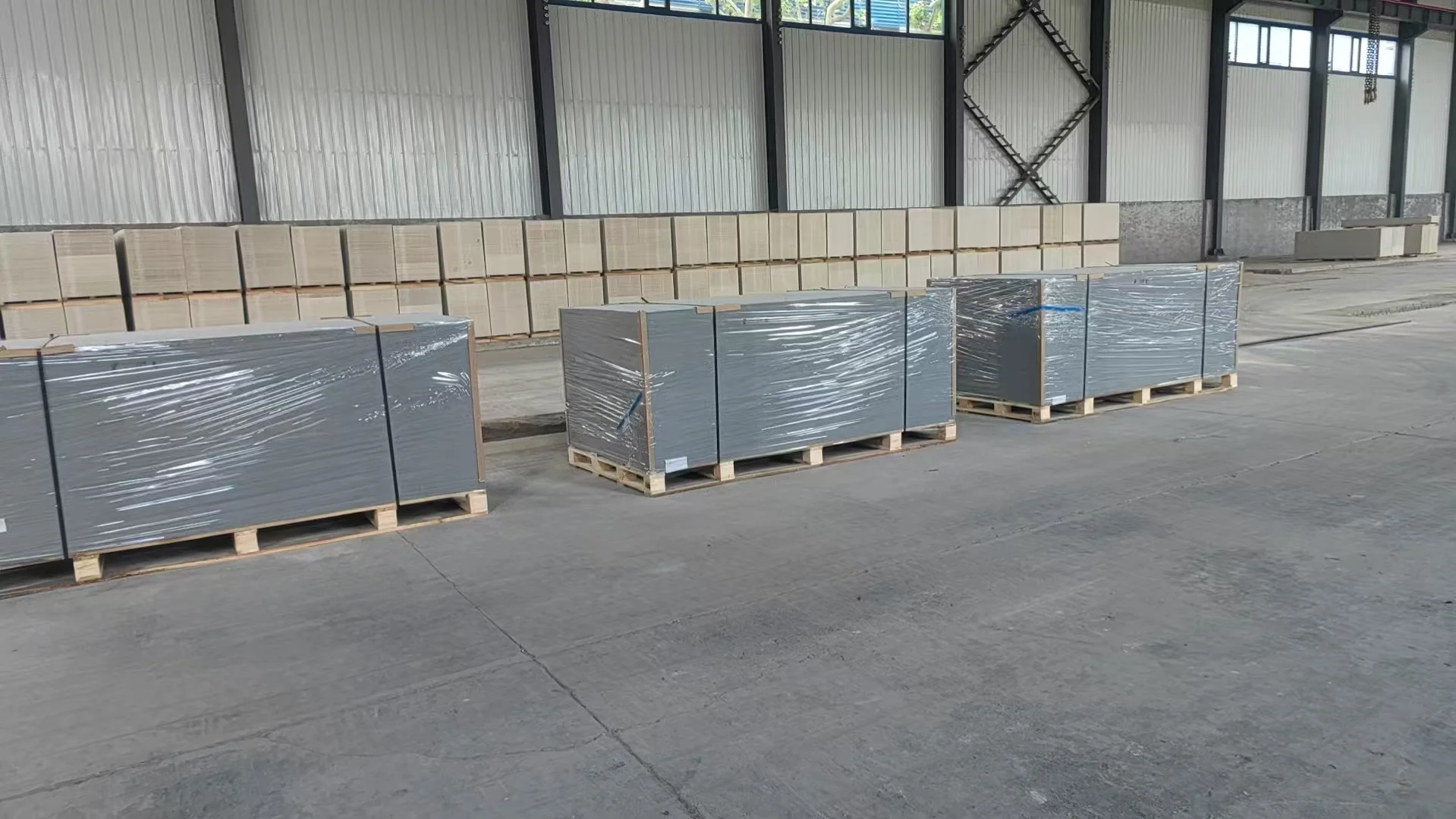
Age-Based Assessment Criteria
Installation timeline provides the most reliable initial assessment for asbestos probability.
| Installation Era | Asbestos Likelihood | Assessment Approach | Testing Priority | Safety Measures |
|---|---|---|---|---|
| Pre-1985 | Very High (85-95%) | Assume asbestos | Mandatory testing | Full protection |
| 1985-1995 | Moderate (40-70%) | Professional evaluation | Highly recommended | Precautionary |
| 1995-2005 | Low (5-15%) | Documentation review | Optional | Standard safety |
| Post-2005 | Minimal (<1%) | Manufacturer verification | Unnecessary | Normal handling |
Pre-1985 installations require treating as asbestos-containing until proven otherwise.
Visual Identification Characteristics
Certain visual cues may suggest material type but cannot provide definitive identification.
| Visual Characteristic | Asbestos Cement | Modern Fiber Cement | Reliability Factor | Professional Verification |
|---|---|---|---|---|
| Surface Texture | Smoother finish | Slightly textured | Low | Required |
| Edge Profile | Sharp, clean cuts | Refined molding | Low | Required |
| Color Variations | Limited palette | Diverse options | Medium | Recommended |
| Weathering Pattern | Uniform fading | Varied response | Low | Required |
| Manufacturer Marks | Limited/absent | Clear branding | High | Confirmatory |
Manufacturer markings provide the most reliable visual identification when present.
Professional Testing Protocols
Proper asbestos identification requires following established testing procedures.
| Testing Phase | Procedure | Timeline | Cost Range | Accuracy Level |
|---|---|---|---|---|
| Sample Collection | Certified technician | 1-2 hours | $200-400 | Critical procedure |
| Laboratory Analysis | PLM/TEM microscopy | 3-7 days | $150-300 | >99% accurate |
| Report Generation | Certified documentation | 1-2 days | Included | Legal standard |
| Follow-up Consultation | Expert interpretation | As needed | $100-200/hour | Professional guidance |
Laboratory analysis using polarized light microscopy provides definitive asbestos identification.
Safety Protocols During Assessment
Proper safety measures protect against asbestos exposure during material evaluation.
| Safety Measure | Implementation | Equipment Required | Cost Factor | Protection Level |
|---|---|---|---|---|
| Area Isolation | Plastic sheeting | Basic materials | Low | Essential |
| Personal Protection | Respirators, suits | Specialized PPE | Moderate | Critical |
| Wet Methods | Water spray systems | Spray bottles | Low | Dust suppression |
| Waste Containment | Sealed containers | Hazmat bags | Low | Contamination control |
| Air Monitoring | Professional equipment | Specialized meters | High | Exposure verification |
Personal protection equipment represents the most critical safety investment during assessment.
Regulatory Compliance Requirements
Asbestos identification and handling must comply with established regulatory frameworks.
| Compliance Area | Requirement Level | Oversight Agency | Penalty Range | Compliance Timeline |
|---|---|---|---|---|
| Testing Standards | Mandatory | EPA/OSHA | $1,000-50,000 | Immediate |
| Worker Protection | Strict protocols | OSHA | $5,000-100,000 | During work |
| Waste Disposal | Hazmat procedures | EPA/State | $10,000-250,000 | Ongoing |
| Documentation | Complete records | Multiple agencies | $1,000-25,000 | Permanent |
| Public Notification | Community disclosure | Local/State | Variable | As required |
EPA and OSHA regulations establish the primary compliance framework for asbestos management.
Conclusion
Modern cement sheeting is not asbestos and uses safe synthetic fibers including cellulose, PVA, or glass while historical cement sheets manufactured before 1980-1990 may contain asbestos requiring professional identification. Cement board and asbestos are completely different materials with modern cement board using portland cement and synthetic reinforcing fibers while asbestos consists of hazardous natural mineral fibers causing respiratory diseases. Asbestos use in cement sheets was phased out between 1980-1990 in developed countries with United States banning asbestos in cement products in 1989 and complete global prohibition by 2000-2003. Distinguishing asbestos from fiber cement fencing requires professional testing as visual identification cannot reliably differentiate materials with installation date providing primary indicator and pre-1990 fencing likely containing asbestos while post-2000 installations guaranteed asbestos-free. Success with cement sheet safety depends on understanding that modern products are completely asbestos-free with superior performance, while legacy materials require professional assessment and proper safety protocols, with definitive identification only possible through accredited laboratory testing using polarized light microscopy.
