




Is Cement Board Wood?
When customers ask me, "Is cement board wood?", they're usually confused by products labeled as "wood cement board" or "fiber cement board."
Cement board is not wood—it's a composite material made primarily from Portland cement with wood fibers or cellulose added for reinforcement. The wood content provides flexibility and workability, but cement remains the primary structural component.
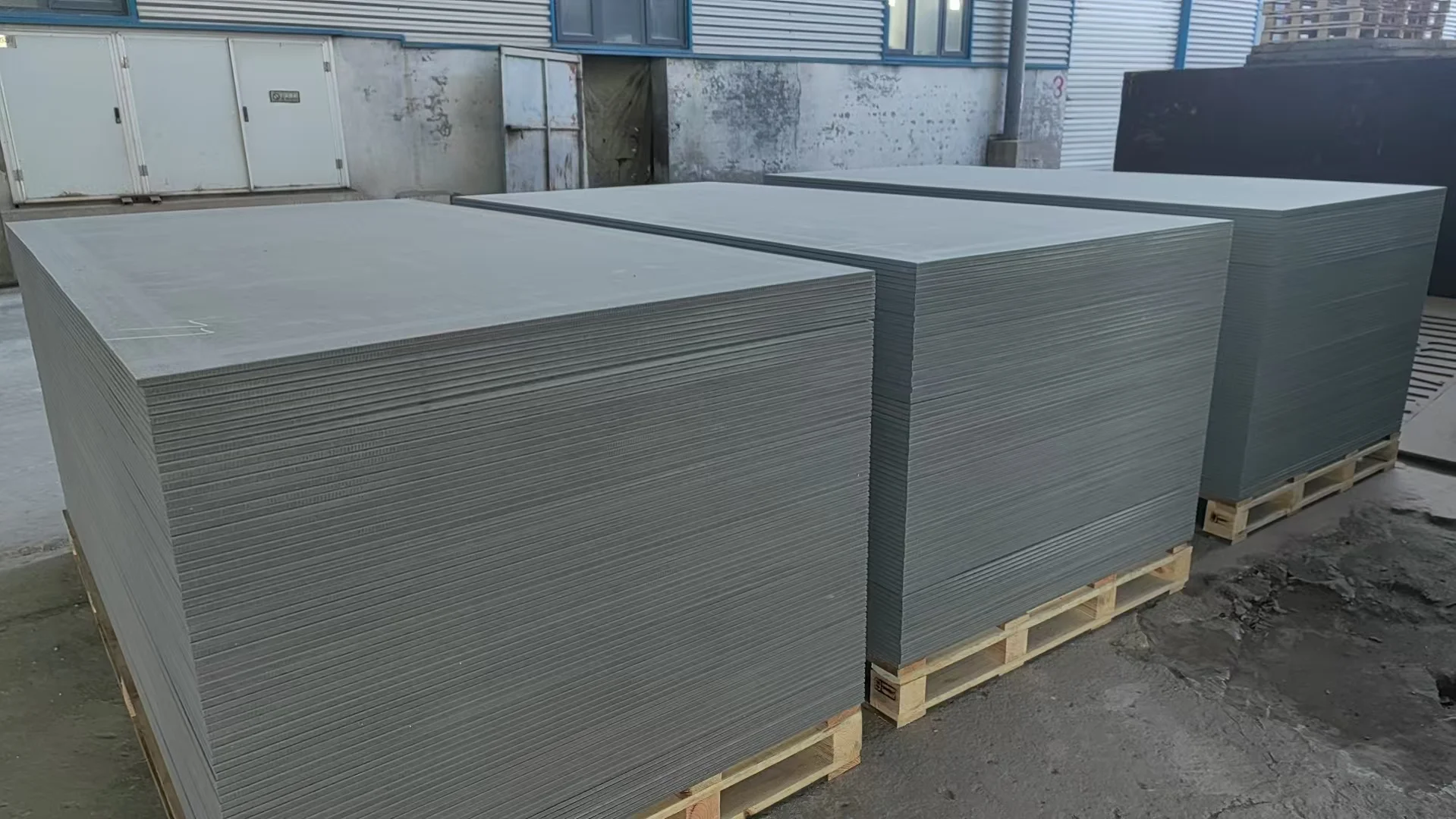
From years of manufacturing experience, I've learned that this confusion stems from marketing terms and the material's appearance—it combines properties of both materials but functions as an engineered cement product, not wood.
What Is Wood Cement Board?
Understanding wood cement board's composition clarifies its unique position in building materials.
Wood cement board is a composite building material combining Portland cement (60-70%), wood fibers or chips (20-30%), and additives for enhanced performance. The wood component provides tensile strength and workability while cement provides compression strength and durability.
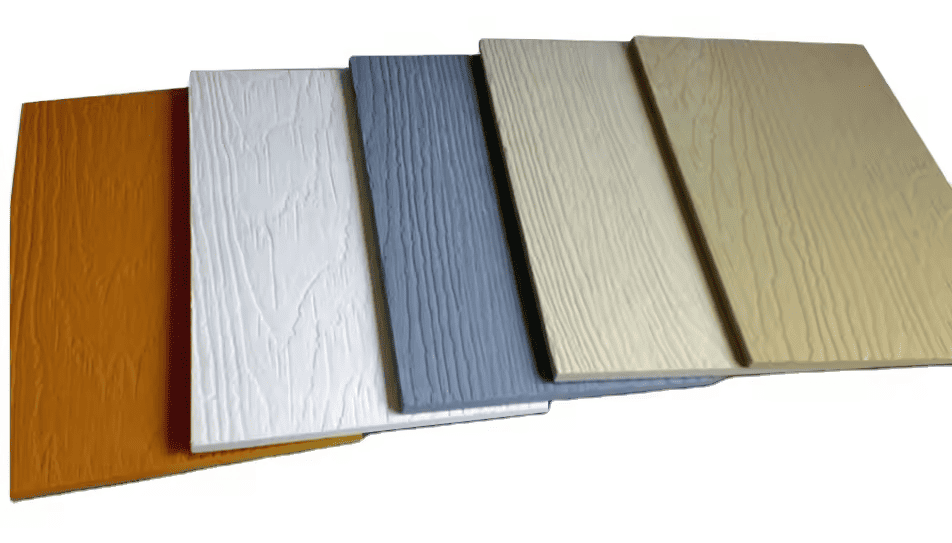
Wood Cement Board Composition
Through analyzing different formulations, the balance between components determines the final product characteristics.
| Component | Percentage | Function | Material Source |
|---|---|---|---|
| Portland Cement | 60-70% | Primary binder, compression strength | Limestone and clay |
| Wood Fibers/Chips | 20-30% | Tensile reinforcement, workability | Recycled wood, sawdust |
| Silica Sand | 5-10% | Filler, dimensional stability | Natural sand |
| Chemical Additives | 2-5% | Accelerators, water resistance | Various polymers |
| Water | Variable | Hydration catalyst | Treated water |
The mineralization process chemically bonds wood fibers with cement, creating a material that's neither traditional wood nor standard cement but something entirely new.
What Is Wood Cement Used For?
Wood cement board serves specific applications where traditional materials fall short.
Wood cement is used for exterior siding, underlayment, tile backing, and structural sheathing where moisture resistance, fire safety, and dimensional stability are required. It bridges the gap between wood's workability and cement's durability.

Primary Application Categories
From field installations and customer feedback, certain applications consistently show superior performance with wood cement board.
| Application | Why Wood Cement Works | Performance Benefit | Installation Note |
|---|---|---|---|
| Exterior Siding | Weather resistance + workability | No rot, paintable, stable | Requires proper fastening |
| Tile Underlayment | Moisture + structural stability | No deflection, water-resistant | Must seal edges |
| Fire-Rated Assemblies | Non-combustible + workable | Meets fire codes, cuts easily | Use appropriate screws |
| High-Moisture Areas | Water resistance + stability | No swelling or warping | Seal all penetrations |
| Impact Resistance | Cement hardness + fiber toughness | Resists dents and punctures | Pre-drill for fasteners |
Hybrid performance is the key advantage—combining the best properties of both base materials while minimizing their individual weaknesses.
What Are the Disadvantages of Cement Board?
Every material has limitations that affect application decisions and installation requirements.
Cement board disadvantages include weight, cutting difficulty, dust generation, cost, and potential cracking if improperly installed. These factors require careful consideration during planning and installation phases.

Major Disadvantage Categories
Through troubleshooting installations and customer complaints, certain issues consistently create problems with cement board applications.
| Disadvantage | Impact on Project | Mitigation Strategy | Cost Factor |
|---|---|---|---|
| Weight | Structural load, handling difficulty | Reinforce framing, use proper fasteners | +15-25% framing cost |
| Cutting Difficulty | Slow installation, tool wear | Carbide blades, proper technique | +30% blade replacement |
| Dust Generation | Health concerns, cleanup | Wet cutting, proper ventilation | Safety equipment required |
| Brittleness | Cracking from impact/movement | Proper spacing, flexible fastening | Potential replacement costs |
| Higher Cost | Material expense vs alternatives | Value engineering, performance benefits | 2-3x cost of drywall |
| Moisture Sensitivity | Edge swelling if unsealed | Complete sealing system | Waterproofing material costs |
Proper installation techniques can address most disadvantages, but require additional training, tools, and time compared to traditional materials.
Conclusion
Cement board is not wood—it's a composite material combining cement's durability with wood fiber reinforcement for enhanced performance. Wood cement board uses 20-30% wood fibers within a cement matrix to create a material suitable for exterior siding, tile backing, and moisture-resistant applications. While wood cement offers unique advantages like fire resistance and dimensional stability, it has significant disadvantages including weight, cutting difficulty, and higher costs that require careful project planning. Understanding these limitations ensures successful applications and prevents common installation problems that can compromise performance and increase project costs.
