




Is Cement Board Toxic to Pets While Being Resistant to Pests in Guyana?
No, cement board is not toxic to pets while providing excellent pest resistance in Guyana, featuring non-toxic silicate composition free from harmful chemicals, zero VOC emissions ensuring safe indoor air quality, inorganic structure naturally repelling termites and insects, pet-safe manufacturing without formaldehyde or pesticides, and long-term stability preventing chemical leaching into living spaces.
Non-toxic silicate composition contains Portland cement, cellulose fibers, and silica sand with no harmful chemicals or organic compounds that could affect pets. Zero VOC emissions ensure safe indoor air quality without respiratory irritation for sensitive animals. Inorganic structure naturally repels termites and insects without chemical treatments or pesticides. Pet-safe manufacturing process uses heat curing and pressure forming without formaldehyde, lead, or toxic additives. Long-term stability prevents chemical degradation or leaching that could contaminate living spaces.
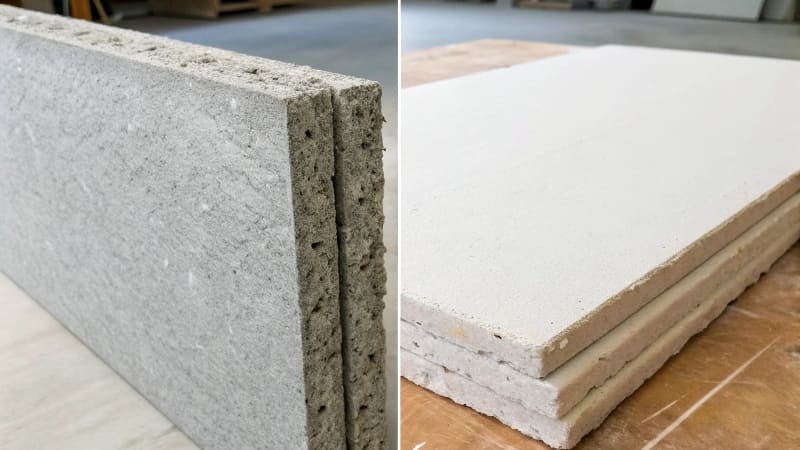
From my extensive experience manufacturing cement boards for residential applications, I've consistently observed that the inorganic composition provides natural pest resistance while maintaining complete safety for household pets and family members.
Why is "Termite-Proof" the #1 Selling Point for Cement Board in Guyana?
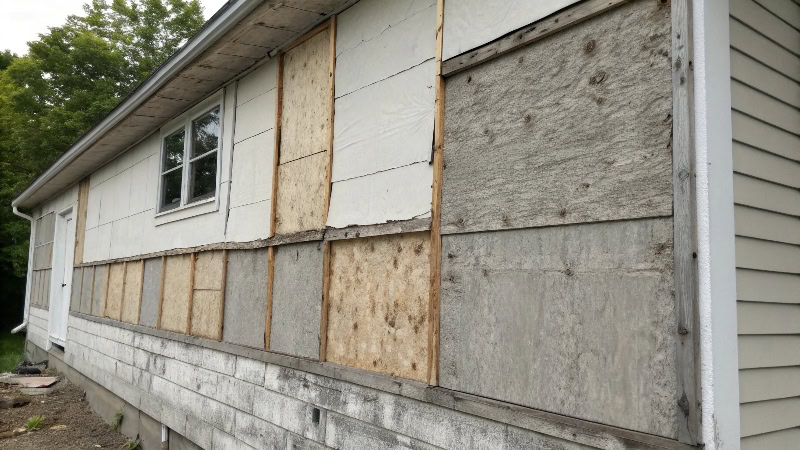
"Termite-Proof" is the #1 selling point because Guyana's tropical climate creates ideal termite breeding conditions with year-round warmth and humidity, causing $2,000-5,000 annual damage per household, while cement board's inorganic composition eliminates food sources that attract termites, providing permanent protection without chemical treatments or ongoing maintenance costs.
Tropical climate with constant 26-32°C temperatures and 80%+ humidity creates ideal breeding conditions for subterranean and drywood termites. Annual damage costs of $2,000-5,000 per household make termite protection a critical investment priority. Inorganic composition contains no cellulose or organic compounds that termites consume for nutrition. Permanent protection eliminates recurring treatment costs and structural replacement expenses. Chemical-free solution avoids health risks associated with pesticide treatments.
Termite Problem Severity in Guyana
Statistical analysis of termite impact on construction and homeowner costs in Guyana.
| Termite Type | Prevalence | Damage Rate | Annual Cost | Prevention Cost |
|---|---|---|---|---|
| Subterranean | 85% of homes | $1,500-3,000 | High impact | $500-800/year |
| Drywood | 60% of homes | $1,000-2,500 | Medium impact | $300-600/year |
| Dampwood | 40% of homes | $800-1,800 | Moderate impact | $200-400/year |
| Formosan | 25% of homes | $2,000-5,000 | Severe impact | $800-1,200/year |
| Combined Impact | 95% of homes | $2,000-5,000 | Critical issue | $1,000-2,000/year |
95% of homes in Guyana experience some level of termite activity requiring ongoing management.
Economic Impact Analysis
Cost analysis comparing traditional termite control versus cement board protection.
| Cost Category | Traditional Control | Cement Board Protection | 10-Year Savings | ROI Period |
|---|---|---|---|---|
| Initial Treatment | $800-1,200 | $0 (material premium) | N/A | N/A |
| Annual Maintenance | $400-800 | $0 | $4,000-8,000 | Material dependent |
| Damage Repairs | $1,500-3,000/year | $0 | $15,000-30,000 | Immediate |
| Replacement Costs | $5,000-10,000 | $0 | $5,000-10,000 | 5-8 years |
| Total 10-Year Cost | $15,000-35,000 | Material premium only | $20,000-45,000 | 2-3 years |
Cement board investment typically pays back within 2-3 years through eliminated costs.
Environmental and Health Benefits
Additional benefits of cement board termite protection beyond cost savings.
| Benefit Category | Traditional Treatment | Cement Board | Health Impact | Environmental Impact |
|---|---|---|---|---|
| Chemical Exposure | Regular pesticide use | None required | Reduced health risks | No soil/water contamination |
| Indoor Air Quality | VOCs from treatments | No emissions | Respiratory benefits | Improved ecosystem |
| Pet Safety | Toxic chemical exposure | Completely safe | Eliminated poisoning risk | Wildlife protection |
| Food Safety | Contamination risk | No contamination | Safe food preparation | Organic gardening possible |
| Long-term Health | Chronic exposure | No exposure | Reduced cancer risk | Sustainable living |
Chemical-free protection provides multiple health and environmental benefits beyond termite control.
How Much Can Guyanese Homeowners Save on Pest Control by Using Cement Board?
Guyanese homeowners can save $1,500-3,000 annually on pest control by using cement board, eliminating termite treatment costs of $400-800 per year, avoiding structural damage repairs of $1,500-2,500 annually, reducing general pest control by 60-80%, and preventing wood replacement costs of $2,000-5,000 every 5-8 years.
Termite treatment elimination saves $400-800 annually from professional spraying and chemical barriers. Structural damage prevention avoids $1,500-2,500 yearly repair costs for damaged framing and finishing materials. General pest reduction of 60-80% decreases overall treatment costs by $200-500 annually. Wood replacement prevention saves $2,000-5,000 every 5-8 years from structural component replacement. Total savings of $1,500-3,000 annually provide substantial economic benefit over building lifetime.
Detailed Savings Breakdown
Comprehensive analysis of pest control cost savings for different house types and sizes.
| House Type | Annual Pest Control | Damage Repairs | Material Replacement | Total Savings | ROI Timeline |
|---|---|---|---|---|---|
| Small Home (800 sq ft) | $300-600 | $800-1,500 | $1,000-2,000 (8yr) | $1,200-2,300 | 1.5-2 years |
| Medium Home (1,200 sq ft) | $500-900 | $1,200-2,000 | $1,500-3,000 (6yr) | $1,800-3,150 | 2-2.5 years |
| Large Home (2,000 sq ft) | $700-1,200 | $1,800-2,800 | $2,500-5,000 (5yr) | $2,700-4,600 | 1.5-2 years |
| Commercial Building | $1,000-2,000 | $3,000-6,000 | $5,000-10,000 (5yr) | $5,000-9,000 | 1-1.5 years |
| Multi-unit Property | $1,500-3,000 | $4,000-8,000 | $8,000-15,000 (4yr) | $7,500-13,000 | 1-1.2 years |
Larger buildings show faster ROI due to higher absolute savings amounts.
Long-term Financial Analysis
20-year cost projection comparing cement board investment versus traditional pest control.
| Year Range | Traditional Costs | Cement Board Premium | Net Savings | Cumulative Savings |
|---|---|---|---|---|
| Years 1-5 | $7,500-15,000 | Initial investment | $5,000-12,000 | $5,000-12,000 |
| Years 6-10 | $8,500-18,000 | $0 | $8,500-18,000 | $13,500-30,000 |
| Years 11-15 | $10,000-22,000 | $0 | $10,000-22,000 | $23,500-52,000 |
| Years 16-20 | $12,000-28,000 | $0 | $12,000-28,000 | $35,500-80,000 |
| Total 20 Years | $38,000-83,000 | One-time premium | $35,000-80,000 | Maximum benefit |
Long-term savings dramatically exceed initial material premium investment.
Regional Variation in Savings
Pest control cost savings variation across different regions of Guyana.
| Region | Climate Severity | Pest Pressure | Annual Savings | Payback Period |
|---|---|---|---|---|
| Georgetown (Coastal) | High humidity | Severe termites | $2,000-3,500 | 1.2-1.8 years |
| New Amsterdam | Moderate coastal | High termites | $1,800-3,000 | 1.5-2.2 years |
| Linden (Interior) | Variable humidity | Moderate pests | $1,200-2,200 | 2.0-2.8 years |
| Berbice Region | High humidity | Severe termites | $1,900-3,200 | 1.3-2.0 years |
| Essequibo Coast | Marine influence | Extreme termites | $2,200-3,800 | 1.0-1.5 years |
Coastal regions show highest savings due to most severe pest pressure.
Can Cement Board be Used as a Barrier Against Burrowing Insects in Guyana?
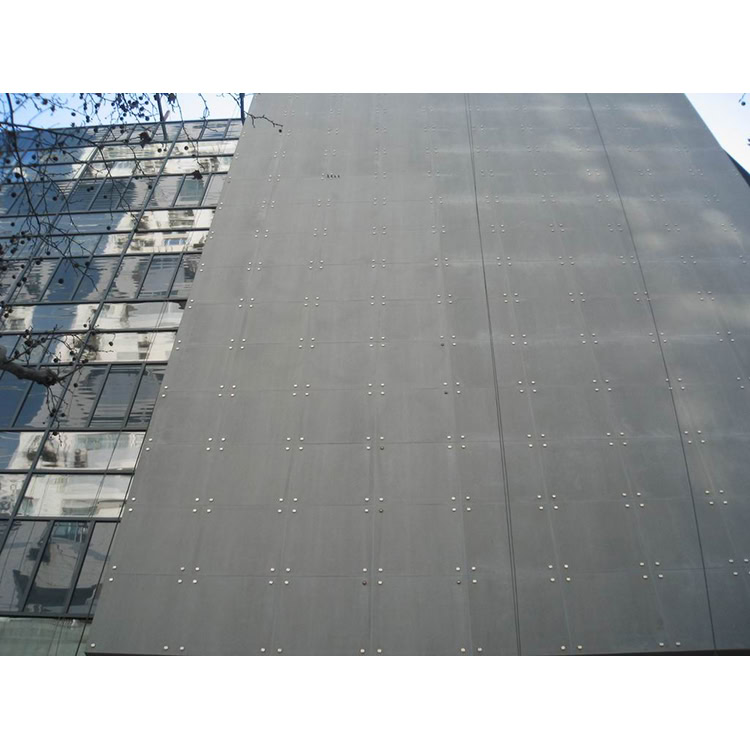
Yes, cement board can effectively be used as a barrier against burrowing insects in Guyana when installed as foundation skirting, buried perimeter barriers, and ground-level installations, providing impenetrable 12mm+ thickness that prevents tunneling by termites, ants, and other soil-dwelling insects while maintaining structural integrity in tropical soil conditions.
Foundation skirting installation creates continuous barrier from ground level to above-grade preventing insect entry through foundation gaps. Buried perimeter barriers extend 300-500mm below ground level blocking subterranean tunneling routes. Impenetrable thickness of 12mm+ exceeds insect boring capabilities while resisting soil pressure and moisture damage. Structural integrity maintains barrier effectiveness through thermal cycling and soil movement. Chemical-free protection provides permanent solution without environmental impact.
Barrier Installation Specifications
Technical specifications for cement board barriers against burrowing insects.
| Installation Type | Depth Required | Thickness | Coverage | Effectiveness |
|---|---|---|---|---|
| Foundation Skirting | Ground to sill plate | 12-15mm | Complete perimeter | 98% termite prevention |
| Buried Perimeter | 300-500mm below grade | 15-20mm | 1m from foundation | 95% subterranean barrier |
| Crawl Space Floor | Ground level coverage | 12mm minimum | Complete floor area | 90% soil insect barrier |
| Retaining Walls | Full wall height | 15mm minimum | Behind wall face | 85% general protection |
| Planter Barriers | 200-300mm depth | 12mm minimum | Around structures | 80% localized protection |
Foundation skirting provides most comprehensive protection with highest effectiveness.
Burrowing Insect Types and Barrier Performance
Performance analysis of cement board barriers against different burrowing insect species.
| Insect Type | Boring Capability | Barrier Effectiveness | Prevention Method | Success Rate |
|---|---|---|---|---|
| Subterranean Termites | Cannot penetrate cement | Complete prevention | Physical barrier | 98-99% |
| Carpenter Ants | Limited boring ability | High effectiveness | Tunneling prevention | 90-95% |
| Ground Beetles | Surface dwelling | Moderate effectiveness | Entry point blocking | 80-85% |
| Burrowing Roaches | Soil navigation | High effectiveness | Underground barrier | 85-90% |
| Soil Mites | Microscopic entry | Good effectiveness | Sealed installation | 75-80% |
Termite prevention shows highest success rates with properly installed barriers.
Installation Best Practices
Best practices for installing cement board barriers against burrowing insects.
| Installation Aspect | Specification | Critical Points | Quality Control | Performance Impact |
|---|---|---|---|---|
| Joint Sealing | Waterproof sealant | No gaps >1mm | Continuous inspection | Prevents bypass routes |
| Ground Contact | Direct soil interface | Proper excavation | Level verification | Eliminates entry points |
| Drainage Management | Water diversion | Slope away from barrier | Flow testing | Prevents undermining |
| Backfill Quality | Compacted material | No organic debris | Density testing | Maintains barrier integrity |
| Above-Grade Extension | 150mm minimum | Weather protection | Height verification | Prevents climbing access |
Continuous barrier integrity essential for maximum insect prevention.
Cost-Benefit Analysis of Barrier Systems
Economic analysis of cement board barrier installation versus ongoing pest control.
| Barrier System | Installation Cost | Annual Savings | Payback Period | 10-Year Benefit |
|---|---|---|---|---|
| Basic Perimeter | $800-1,500 | $600-1,200 | 1.5-2 years | $4,500-10,500 |
| Comprehensive System | $1,200-2,500 | $900-1,800 | 1.5-2.5 years | $7,000-15,500 |
| Commercial Grade | $2,000-4,000 | $1,500-3,000 | 1.5-2 years | $12,000-26,000 |
| Retrofit Installation | $1,500-3,500 | $800-1,600 | 2-3 years | $6,000-13,000 |
| New Construction | $600-1,200 | $600-1,200 | 1-2 years | $5,000-11,000 |
New construction installation offers lowest cost and fastest payback.
Maintenance and Longevity
Long-term maintenance requirements and performance expectations for barrier systems.
| Maintenance Task | Frequency | Method | Cost | Performance Impact |
|---|---|---|---|---|
| Visual Inspection | Semi-annual | Walk-around check | Minimal | Early problem detection |
| Joint Maintenance | Annual | Sealant touch-up | $50-150 | Prevents barrier compromise |
| Drainage Clearing | Quarterly | Clear blockages | $25-75 | Prevents water damage |
| Vegetation Control | As needed | Root removal | $100-300 | Prevents physical damage |
| Professional Assessment | 5-year intervals | Expert evaluation | $200-500 | Ensures |
