



Is Cement Board Stronger than Plywood?
Many assume strength comparison between cement board and plywood involves simple durability measures, but strength characteristics differ significantly. Cement board versus plywood strength involves compressive strength, moisture resistance, and structural applications that require understanding specific performance requirements rather than general strength comparisons.
Cement board is stronger than plywood in compressive strength, moisture resistance, and long-term durability with superior performance in wet environments, but plywood offers better tensile strength and flexibility, making strength comparison dependent on specific application requirements and environmental conditions rather than overall superiority.
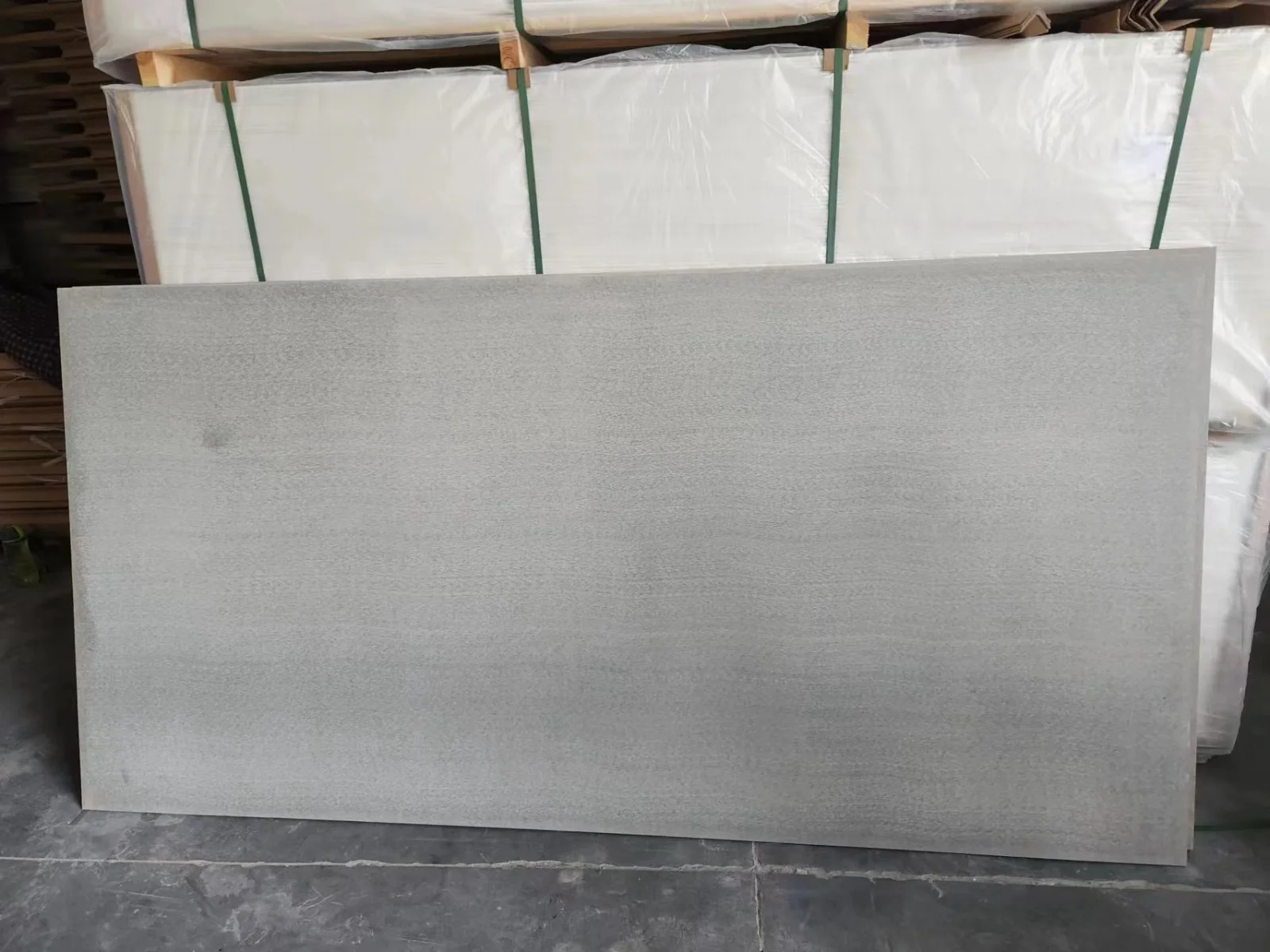
Through years of cement board manufacturing and construction consulting, I learned that strength evaluation requires understanding application-specific requirements where cement board excels in moisture resistance and dimensional stability while plywood provides superior flexibility and workability, making material selection dependent on environmental conditions and structural demands.
How Much Weight Can Cement Board Hold?
Understanding cement board load capacity helps ensure proper application and structural design. Cement board weight capacity involves fastener selection, framing support, and load distribution that affect safe installation while requiring engineering analysis for heavy loads and structural applications.
Cement board can hold 50-75 pounds per square foot when properly fastened to appropriate framing with correct fastener spacing, though actual capacity depends on framing support, fastener type, load distribution, and specific product specifications requiring engineering consultation for heavy installations exceeding standard guidelines.

Detailed Load Capacity Analysis and Fastening Requirements
Cement board load capacity depends on multiple factors including framing support, fastener selection, and load distribution that determine safe weight limits for various applications. During my experience working with cement board installations and structural requirements, I learned that proper load capacity calculation requires understanding system components rather than material properties alone for safe and reliable performance.
Standard capacity ratings show cement board supporting 50-75 pounds per square foot under normal conditions with proper fastening while actual capacity varies based on installation quality and support structure adequacy.
Framing requirements include 16-inch on-center spacing for standard loads with closer spacing needed for heavy applications while ensuring adequate framing member size and structural integrity.
Fastener specifications require corrosion-resistant screws with appropriate length and spacing patterns while using washers for heavy loads to distribute fastening forces across cement board surface.
Load distribution affects capacity through point loads versus distributed loads with heavy fixtures requiring backing boards or blocking while spreading weight across multiple fasteners.
Installation factors influence capacity including proper fastener penetration, framing contact, and joint spacing that ensure structural integrity while preventing fastener failure or board cracking.
Safety factors require derating published capacities for dynamic loads, environmental conditions, and long-term performance while consulting engineers for critical applications exceeding standard guidelines.
Product variations show different cement board types having varying load capacities based on thickness, density, and manufacturing specifications requiring verification of specific product ratings.
Testing standards provide capacity data under controlled conditions while field conditions may reduce performance requiring conservative application of published ratings for safety margins.
Environmental factors affect long-term capacity through moisture exposure, temperature cycling, and chemical exposure that may reduce fastener performance over time.
Professional consultation becomes essential for heavy loads, critical applications, or unusual conditions where standard guidelines may not provide adequate guidance for safe installation.
| Load Category | Capacity Range | Framing Requirements | Fastener Specifications |
|---|---|---|---|
| Light Loads | 15-25 lbs/sq ft | Standard 16" spacing | Standard screws |
| Tile installation | Ceramic/porcelain | 16" on-center framing | 1-5/8" screws, 8" spacing |
| Paint/wallpaper | Decorative finishes | Standard construction | Standard fastening |
| Medium Loads | 25-50 lbs/sq ft | Enhanced support | Longer fasteners |
| Heavy tile | Natural stone | 12" on-center framing | 2" screws, 6" spacing |
| Wainscoting | Wood paneling | Adequate blocking | Appropriate penetration |
| Heavy Loads | 50-75 lbs/sq ft | Reinforced framing | Specialized fasteners |
| Cabinets | Wall-mounted units | Blocking required | Washers, closer spacing |
| Fixtures | Heavy equipment | Engineering review | Load distribution |
| Critical Loads | Over 75 lbs/sq ft | Engineering required | Professional design |
| Structural elements | Load-bearing components | Calculated support | Engineered connections |
| Safety equipment | Life safety systems | Code compliance | Professional installation |
Is Cement Board Ruined If It Gets Wet?
Understanding cement board moisture performance helps evaluate durability and application suitability. Cement board water resistance involves material composition, moisture tolerance, and long-term performance that determine appropriate use in wet environments while requiring proper installation and protection measures.
Cement board is not ruined when it gets wet due to its cement and fiber composition designed for moisture exposure, maintaining structural integrity and dimensional stability when wetted, though prolonged saturation may affect surface texture and require proper drying while wet-area applications benefit from additional waterproofing systems.
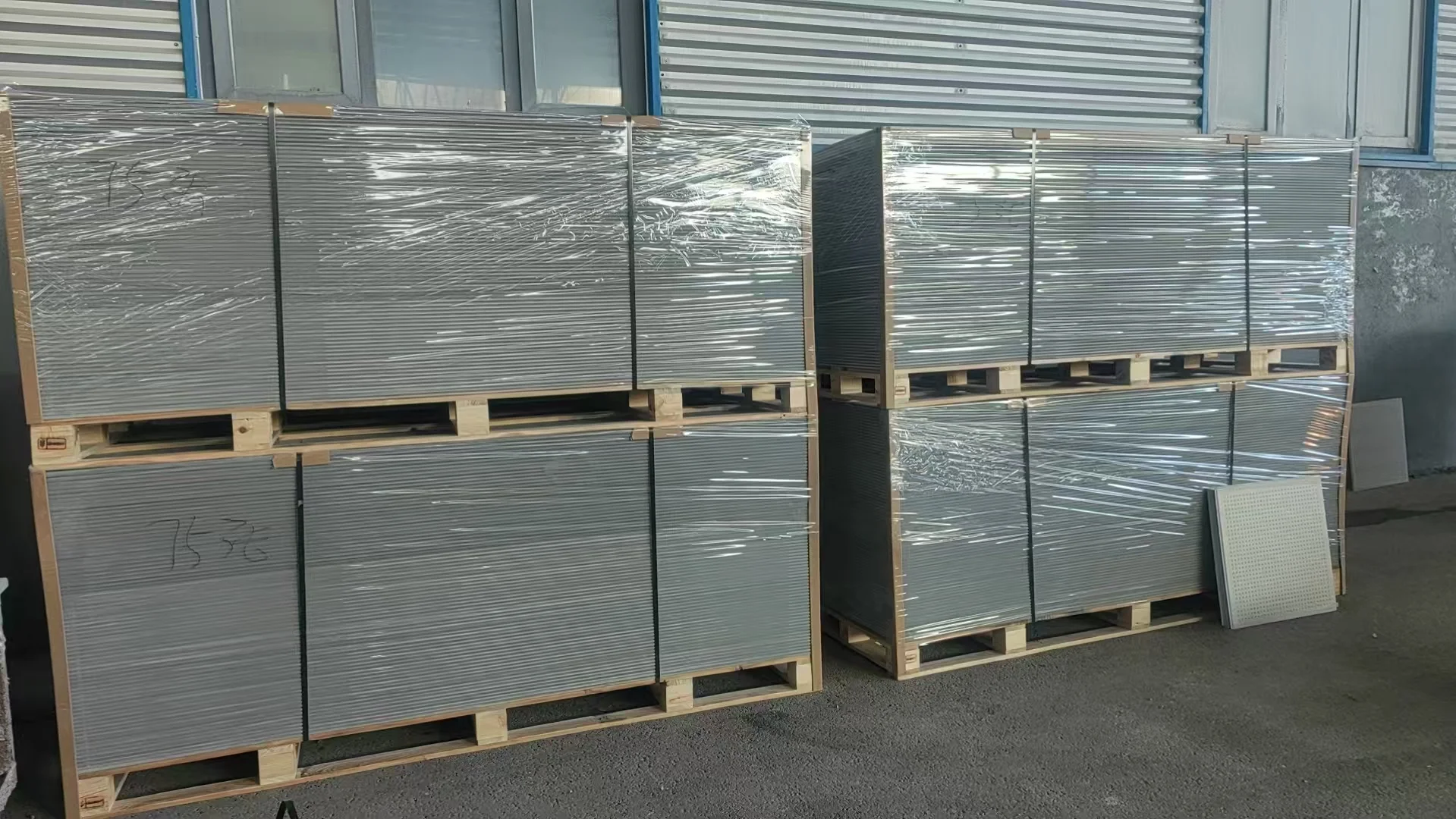
Comprehensive Moisture Performance Analysis and Water Management
Cement board moisture performance represents a key advantage in wet environment applications through inherent water resistance and dimensional stability under moisture exposure. During my experience working with cement board applications and moisture management, I learned that proper understanding of water resistance characteristics enables optimal material selection while ensuring appropriate installation practices for wet environments.
Material composition provides inherent moisture resistance through cement matrix and synthetic fibers that maintain structural integrity when exposed to water while avoiding organic materials that support mold growth.
Dimensional stability under moisture exposure shows minimal expansion or contraction compared to wood-based products while maintaining flat surfaces and joint integrity under wet conditions.
Structural integrity remains intact during water exposure with cement board maintaining strength and fastener holding power while avoiding delamination or deterioration common in other materials.
Surface effects from water exposure may include temporary darkening or texture changes that typically resolve upon drying while not affecting structural performance or long-term durability.
Drying characteristics allow cement board to release absorbed moisture readily through evaporation while returning to original appearance and properties without permanent damage.
Installation considerations in wet areas include proper waterproofing systems, adequate ventilation, and appropriate joint sealing that optimize performance while preventing water accumulation behind panels.
Mold resistance provides advantages in humid environments through inorganic composition that doesn't support mold growth while maintaining healthy indoor air quality in moisture-prone areas.
Freeze-thaw performance shows cement board withstanding temperature cycling in wet conditions while maintaining structural integrity better than many alternative materials.
Long-term durability includes sustained performance through repeated wet-dry cycles without degradation while providing reliable service life in challenging moisture environments.
Application guidelines recommend proper installation techniques and supplementary waterproofing where appropriate while understanding that cement board provides excellent base performance for wet area construction.
| Moisture Condition | Performance Level | Recommended Applications | Protection Requirements |
|---|---|---|---|
| Occasional Splash | Excellent performance | Kitchen backsplashes | Standard installation |
| Light moisture | No degradation | Laundry areas | Proper sealing |
| Temporary wetness | Full recovery | Utility rooms | Adequate ventilation |
| Regular Moisture | Very good performance | Bathroom walls | Waterproofing recommended |
| Daily humidity | Dimensional stability | Shower surrounds | Membrane systems |
| Steam exposure | Structural integrity | Wet rooms | Professional installation |
| Heavy Water Exposure | Good performance | Exterior applications | Enhanced protection |
| Direct spray | Maintained strength | Pool areas | Waterproof coatings |
| Continuous moisture | Managed performance | Foundation walls | Drainage systems |
| Extreme Conditions | Acceptable performance | Marine environments | Specialized systems |
| Salt water | Corrosion resistance | Coastal construction | Protective coatings |
| Freeze-thaw cycles | Structural stability | Cold climates | Proper installation |
Conclusion
Cement board offers superior compressive strength and moisture resistance compared to plywood though with different flexibility characteristics, typical load capacity ranges 50-75 pounds per square foot with proper fastening and framing support, and cement board maintains structural integrity when wet due to its inorganic composition though wet area applications benefit from additional waterproofing systems.