




Is Cement Board Lightweight?
Modern cement board is relatively lightweight, weighing 2-4 pounds per square foot depending on thickness, significantly lighter than concrete or masonry while maintaining excellent strength-to-weight ratios, making it suitable for wall, ceiling, and floor applications without requiring additional structural support.
Fiber cement boards weigh 2-4 lbs/sq ft compared to concrete at 12-15 lbs/sq ft providing excellent strength-to-weight performance. 6mm boards weigh approximately 2.2 lbs/sq ft while 12mm thickness reaches 4.0 lbs/sq ft maintaining structural adequacy. Weight reduction comes from fiber reinforcement allowing thinner cross-sections without strength compromise. Installation benefits include easier handling and reduced structural loading compared to traditional masonry materials. Transportation costs decrease due to lower shipping weights and higher loading densities.
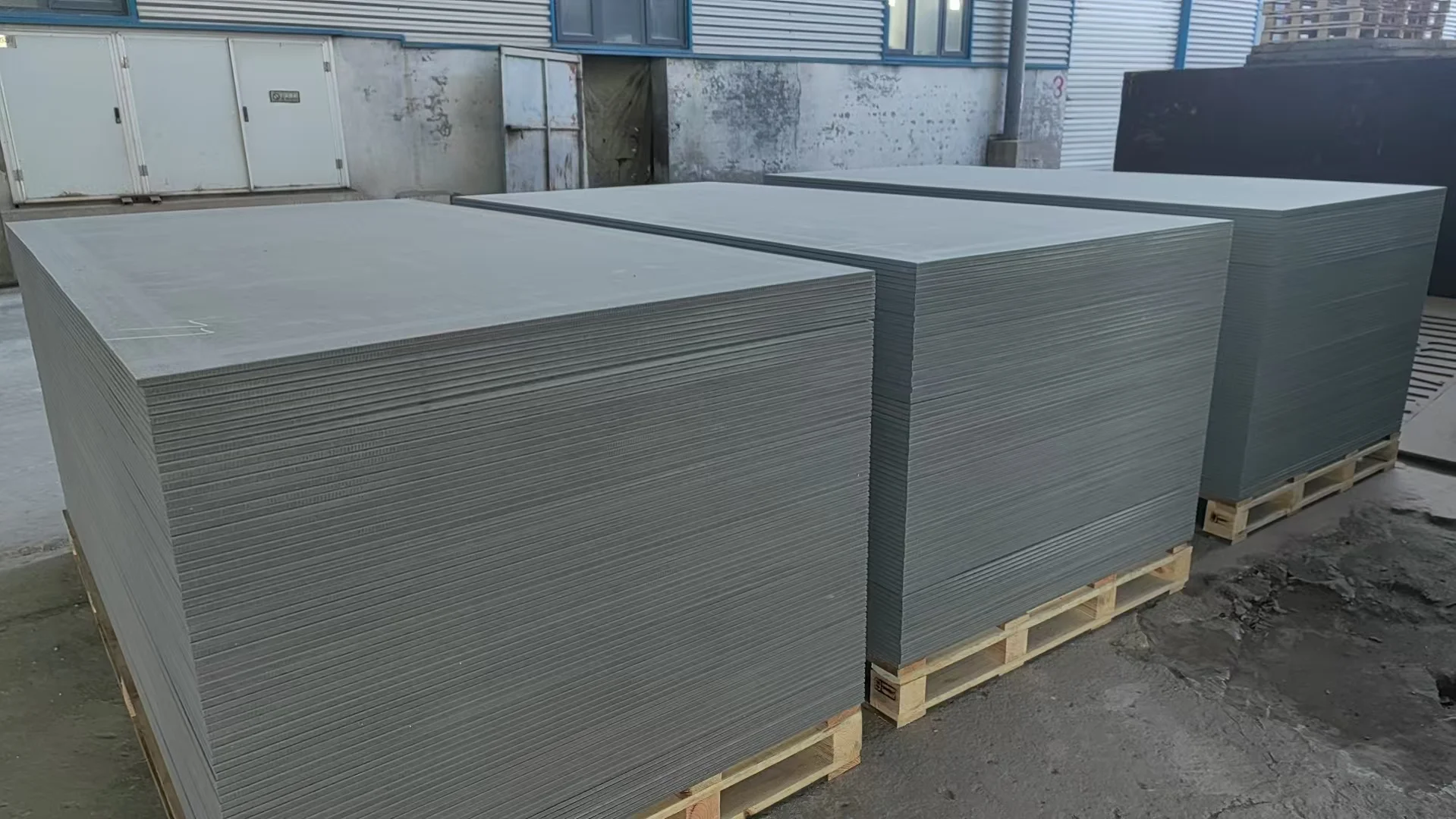
From my extensive experience in cement board manufacturing, I've observed that the lightweight nature of modern cement boards has revolutionized their application possibilities compared to traditional heavy masonry materials.
What Are the Disadvantages of Cement Board?
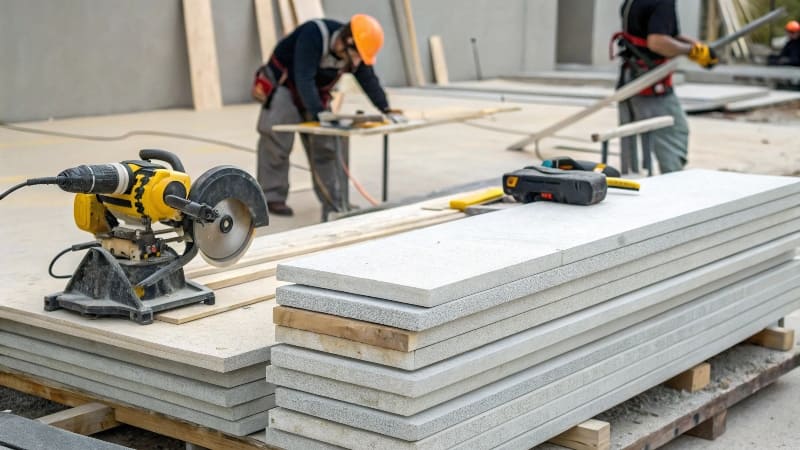
Cement board disadvantages include higher initial cost than drywall, potential dust during cutting, susceptibility to impact damage, limited flexibility for curved applications, and requires special fasteners and tools, though proper installation techniques and system design can mitigate most of these concerns.
Higher material costs range 3-5 times more than standard drywall though lifecycle value often justifies initial investment. Cutting generates silica dust requiring respiratory protection and proper ventilation during installation work. Brittleness causes chipping under impact loads though fiber reinforcement improves damage resistance. Limited flexibility prevents curved applications requiring alternative materials for complex geometries. Special fasteners increase costs and require specific installation knowledge for proper performance.
Cost Analysis Comparison
Understanding cement board costs relative to alternative materials helps project planning.
| Cost Factor | Cement Board | Drywall | Plywood | Impact Assessment | Mitigation Strategy |
|---|---|---|---|---|---|
| Material Cost | $1.50-3.00/sq ft | $0.40-0.80/sq ft | $1.00-2.00/sq ft | Budget impact | Lifecycle analysis |
| Installation Labor | $2.00-4.00/sq ft | $1.50-2.50/sq ft | $1.75-3.00/sq ft | Schedule impact | Skilled contractors |
| Special Tools | $200-500 | Minimal | $100-200 | Initial investment | Tool rental options |
| Fastener Costs | $0.15-0.30/sq ft | $0.05-0.10/sq ft | $0.10-0.20/sq ft | Ongoing expense | Bulk purchasing |
| Lifecycle Value | 30-50 years | 10-20 years | 15-25 years | Long-term benefit | Value engineering |
Lifecycle value analysis often justifies higher initial cement board investment costs.
Installation Challenges
Cement board installation requires specific techniques and safety considerations.
| Installation Issue | Severity Level | Safety Concern | Solution Method | Cost Impact |
|---|---|---|---|---|
| Dust Generation | High | Respiratory hazard | Wet cutting/ventilation | +10-15% labor |
| Weight Handling | Moderate | Back injury risk | Proper lifting techniques | Minimal |
| Cutting Difficulty | Moderate | Tool wear/breakage | Carbide blades | +$50-100/project |
| Fastener Requirements | Low | Installation failure | Correct screw types | +5-10% material |
| Edge Chipping | Moderate | Finish quality | Score-and-snap method | Quality control |
Dust generation represents the most significant health and safety concern during installation.
Performance Limitations
Certain applications highlight cement board performance limitations.
| Limitation Area | Impact Level | Application Affected | Workaround Solution | Alternative Material |
|---|---|---|---|---|
| Flexibility | High | Curved surfaces | Segmented installation | Flexible boards |
| Impact Resistance | Moderate | High-traffic areas | Protective finishes | Impact-resistant grades |
| Thermal Movement | Low | Large installations | Expansion joints | Engineered systems |
| Surface Texture | Low | Smooth finishes | Skim coating | Pre-finished panels |
| Moisture Absorption | Very Low | Wet areas | Proper sealing | Moisture-resistant grades |
Flexibility limitations create the most significant application restrictions for cement board.
How Thin Is Cement Board?
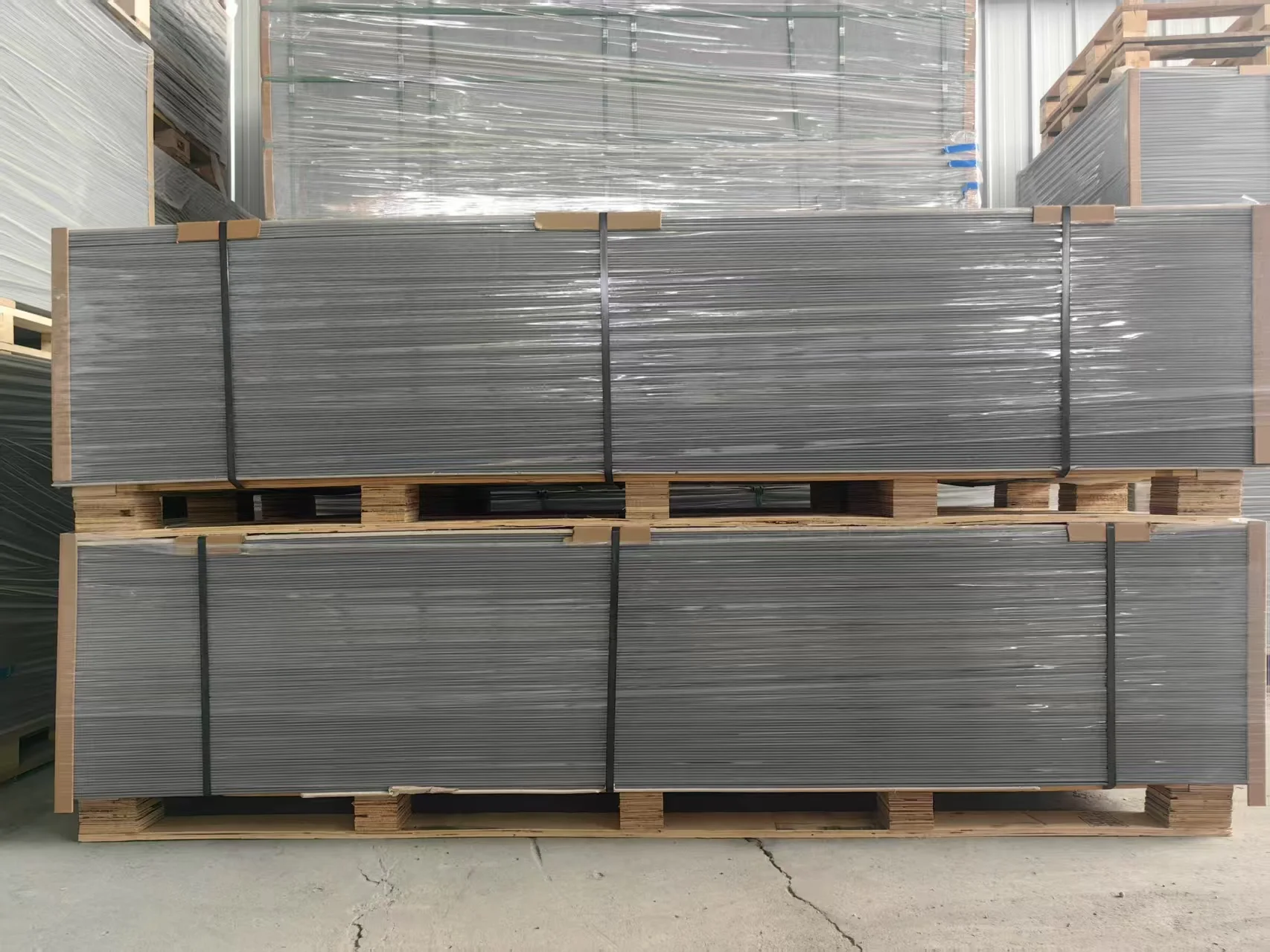
Cement board thickness ranges from 4mm to 25mm (0.16" to 1"), with common thicknesses being 6mm, 9mm, 12mm, and 15mm, allowing selection based on structural requirements, application type, and performance specifications for various building applications.
Standard thicknesses include 6mm for wall sheathing and 9mm for interior partitions providing adequate structural performance. 12mm thickness suits floor underlayment and exterior cladding applications requiring enhanced strength. 15mm and 18mm boards handle high-load conditions like commercial installations. Ultra-thin 4mm panels serve overlay applications where minimal thickness is critical. Custom thicknesses from 20-25mm accommodate specialized structural requirements.
Thickness Application Guide
Different thicknesses suit specific building applications and performance requirements.
| Thickness | Primary Applications | Structural Capability | Installation Method | Performance Benefits |
|---|---|---|---|---|
| 4-6mm | Wall sheathing, overlays | Light duty | Standard fastening | Minimal weight |
| 9mm | Interior partitions | Standard residential | Drywall techniques | Balanced performance |
| 12mm | Floor underlayment | Medium duty | Enhanced fastening | Good durability |
| 15mm | Exterior cladding | Heavy duty | Structural attachment | Weather resistance |
| 18-25mm | Commercial/industrial | Maximum strength | Engineered systems | Specialized performance |
9mm thickness provides optimal balance for most residential interior applications.
Performance vs. Thickness Relationship
Board thickness directly affects structural performance and application suitability.
| Performance Factor | 6mm Rating | 9mm Rating | 12mm Rating | 15mm Rating | Optimization Point |
|---|---|---|---|---|---|
| Flexural Strength | Good | Very Good | Excellent | Superior | Diminishing returns >15mm |
| Impact Resistance | Fair | Good | Very Good | Excellent | Significant improvement 9-12mm |
| Fire Rating | Good | Good | Very Good | Excellent | Marginal gains >12mm |
| Weather Resistance | Good | Good | Very Good | Excellent | Critical at 12mm+ |
| Installation Ease | Excellent | Very Good | Good | Fair | Optimal at 6-9mm |
12mm thickness provides the best performance-to-weight ratio for most applications.
Manufacturing Precision Standards
Modern cement board manufacturing achieves precise thickness control for consistent performance.
| Thickness Range | Tolerance Standard | Quality Control | Application Impact | Manufacturing Method |
|---|---|---|---|---|
| 4-6mm | ±0.5mm | Continuous monitoring | Critical for overlays | Precision pressing |
| 6-9mm | ±0.5mm | Statistical process | Standard applications | Controlled pressure |
| 9-15mm | ±0.7mm | Batch testing | Structural adequacy | Heavy-duty pressing |
| 15-25mm | ±1.0mm | Individual inspection | Specialized uses | Multi-stage forming |
Manufacturing tolerance control ensures consistent performance across thickness ranges.
Can I Use Cement Board for Soundproofing?
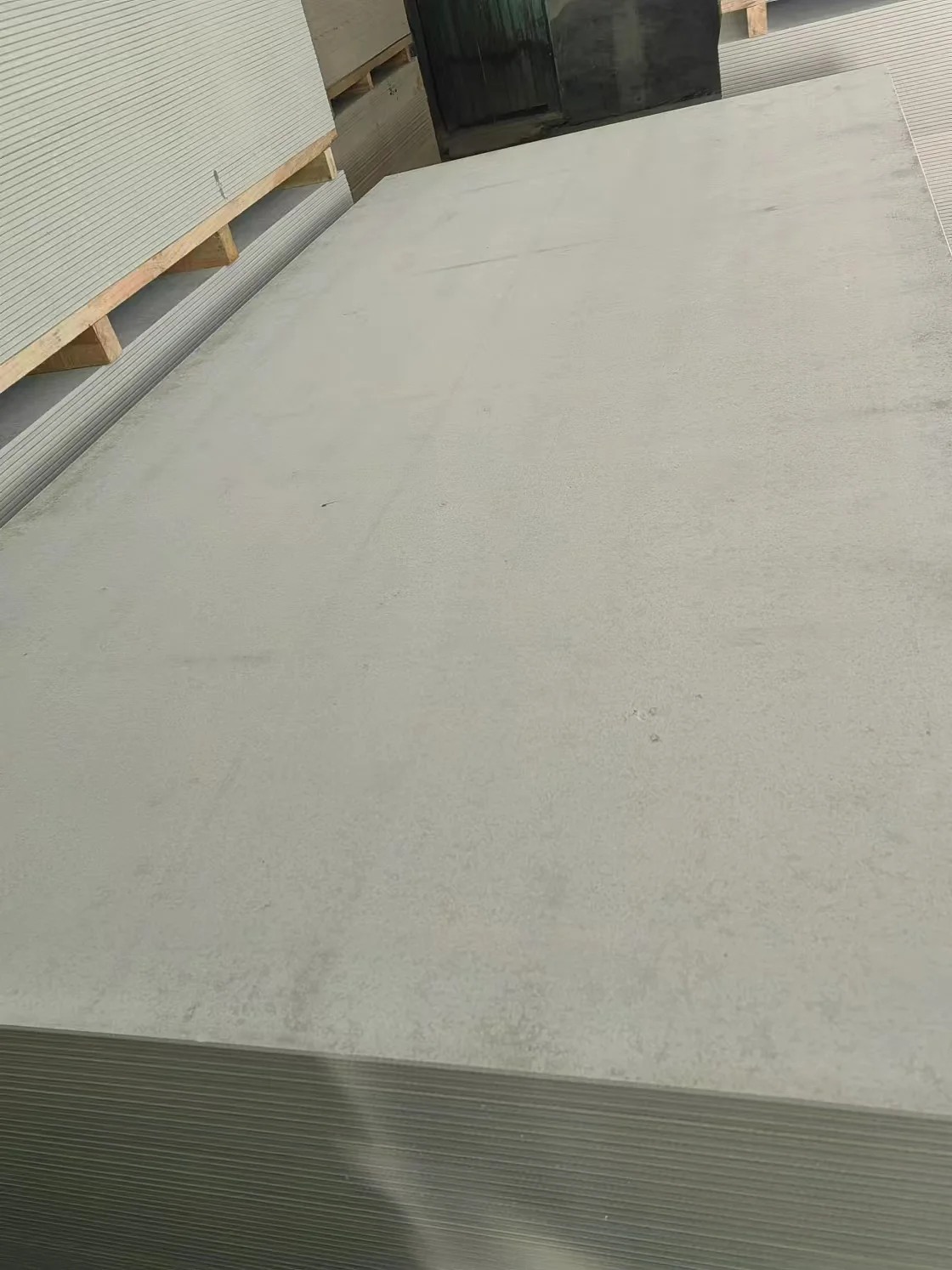
Yes, cement board can contribute to soundproofing when used as part of acoustic wall systems, providing mass for sound blocking, though it requires combination with sound-absorbing materials and proper installation techniques to achieve effective noise reduction ratings of STC 45-55.
Cement board provides mass component for sound transmission class ratings when combined with insulation and acoustic sealants. 12mm boards achieve STC 35-40 as single-layer applications while double-layer systems reach STC 45-50 with proper decoupling. Sound absorption requires fiber insulation between board layers or behind installations. Air sealing becomes critical preventing sound leakage through gaps and joints. Resilient mounting systems reduce vibration transmission improving overall acoustic performance.
Acoustic Performance Analysis
Cement board acoustic performance depends on system design and installation methods.
| System Configuration | STC Rating | Installation Complexity | Cost Range | Performance Level |
|---|---|---|---|---|
| Single Layer | STC 35-40 | Simple | $3-5/sq ft | Basic |
| Double Layer | STC 45-50 | Moderate | $6-9/sq ft | Good |
| Resilient Mount | STC 50-55 | Complex | $8-12/sq ft | Very Good |
| Composite System | STC 55-60 | Professional | $10-15/sq ft | Excellent |
| Specialty Acoustic | STC 60+ | Expert installation | $15-25/sq ft | Superior |
Double-layer systems provide the best balance of performance and cost-effectiveness.
Sound Isolation Principles
Effective soundproofing requires understanding mass, absorption, and decoupling principles.
| Acoustic Principle | Cement Board Role | Supporting Materials | Implementation Method | Effectiveness |
|---|---|---|---|---|
| Mass Barrier | Primary component | None required | Direct installation | Moderate |
| Absorption | Substrate only | Fiberglass/mineral wool | Cavity installation | Good |
| Decoupling | Mass element | Resilient clips/channels | Isolated mounting | Very Good |
| Damping | Structure element | Viscoelastic compounds | Sandwich construction | Excellent |
| Combination Systems | Multiple functions | All components | Integrated design | Superior |
Combination systems utilizing all acoustic principles achieve maximum soundproofing effectiveness.
Installation Considerations for Acoustics
Proper installation techniques are critical for achieving rated acoustic performance.
| Installation Factor | Acoustic Impact | Quality Control | Common Errors | Best Practices |
|---|---|---|---|---|
| Air Sealing | Critical | 100% coverage | Gap leakage | Acoustic caulk |
| Joint Treatment | High | Continuous seals | Poor sealing | Tape/compound systems |
| Fastener Pattern | Moderate | Structural adequacy | Over-fastening | Manufacturer specs |
| Decoupling Details | High | Isolation integrity | Rigid connections | Resilient mounting |
| Penetration Sealing | Critical | Complete sealing | Unsealed openings | Acoustic putty |
Air sealing quality has the most significant impact on actual acoustic performance.
Conclusion
Modern cement board is relatively lightweight at 2-4 lbs/sq ft compared to concrete at 12-15 lbs/sq ft providing excellent strength-to-weight performance making it suitable for various applications without additional structural support. Cement board disadvantages include higher cost than drywall (3-5 times more), dust generation during cutting, impact damage susceptibility, and limited flexibility though proper installation and system design mitigate concerns. Cement board thickness ranges 4-25mm with common sizes 6mm, 9mm, 12mm, 15mm allowing application-specific selection based on structural requirements and performance specifications. Cement board contributes to soundproofing when part of acoustic systems providing mass for sound blocking achieving STC 45-55 ratings when combined with insulation and proper installation techniques. Success with cement board requires understanding that modern manufacturing has addressed traditional weight and handling concerns while expanding functional capabilities through system integration, proper installation techniques, and performance optimization across structural, acoustic, and aesthetic applications in residential, commercial, and specialized building projects.
