




Is Cement Board Impact Resistant?
Cement board demonstrates excellent impact resistance with compressive strength of 15-25 MPa and flexural strength of 4-8 MPa, significantly outperforming drywall while maintaining structural integrity under repeated mechanical stress and high-traffic conditions.
Impact resistance varies by thickness and fiber content with 12mm boards withstanding 40-60 joule impacts without structural failure or penetration. Dense fiber cement formulations provide superior performance compared to lightweight alternatives in high-impact applications. Compressive strength ranges 15-25 MPa while flexural strength reaches 4-8 MPa creating excellent resistance to point loads. Surface hardness prevents denting and gouging under normal use conditions making it ideal for high-traffic commercial spaces.
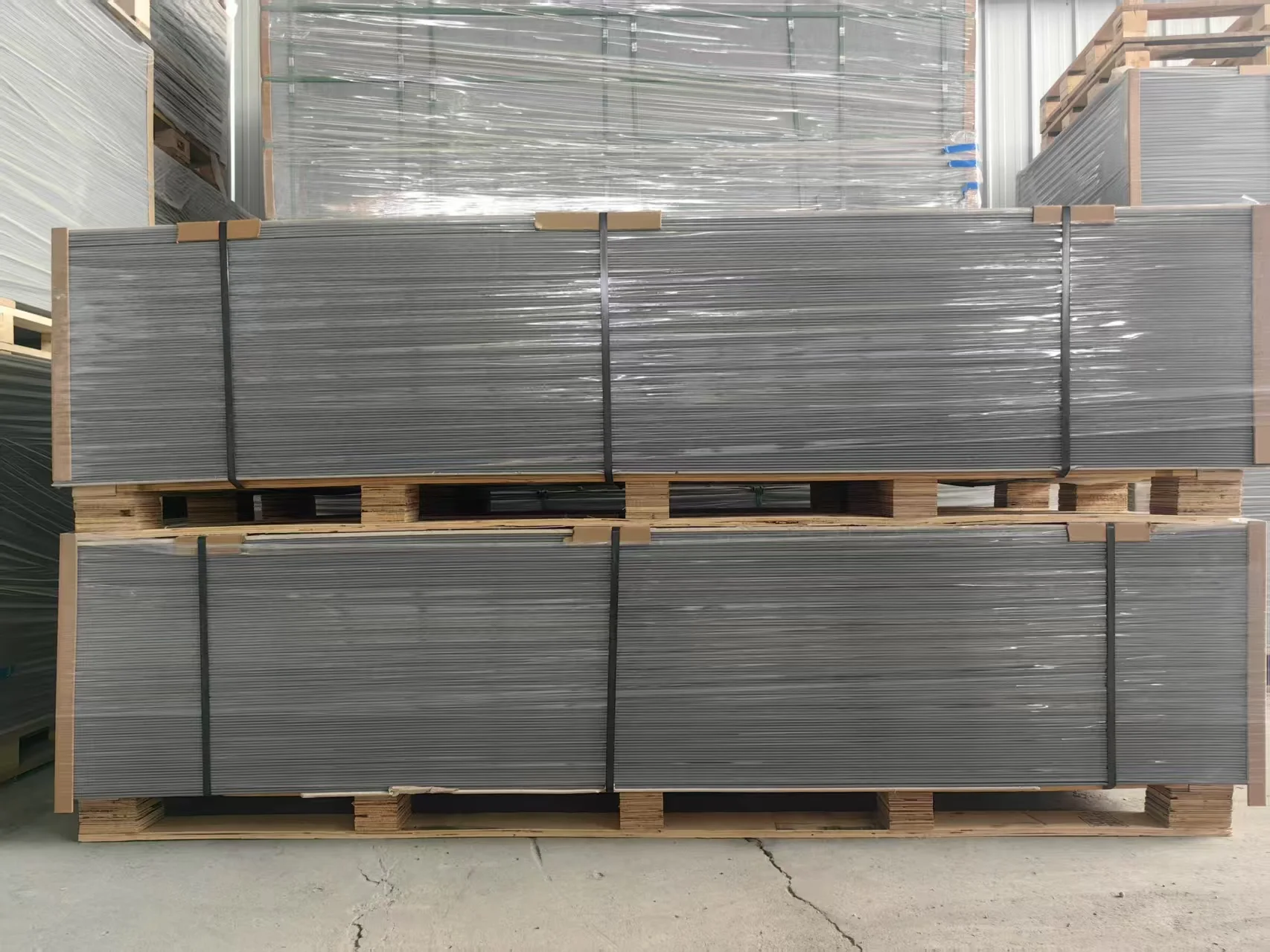
From my extensive experience in cement board manufacturing, I've observed that impact resistance represents one of the most significant performance advantages over traditional wall materials, particularly in commercial and institutional applications where durability is critical.
Is Cement a Resistant Material?
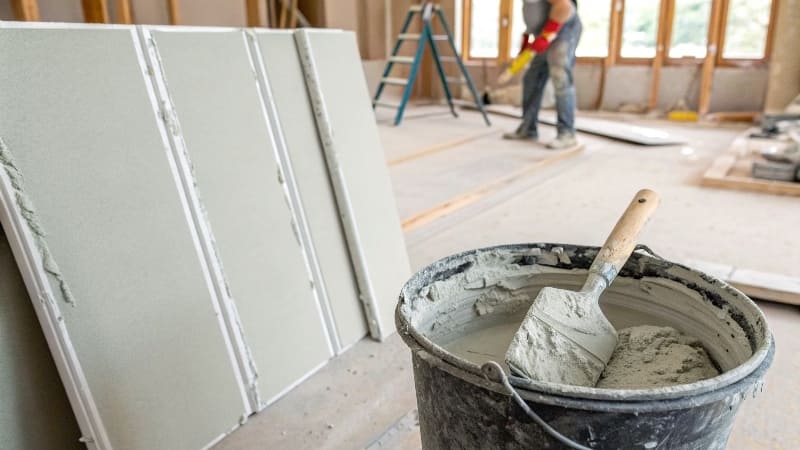
Cement-based materials exhibit exceptional resistance to chemical attack, weathering, fire exposure, and mechanical stress, with Portland cement achieving compressive strengths of 20-50 MPa and maintaining structural integrity for decades under proper conditions.
Chemical resistance includes acid and alkali exposure with pH tolerance ranging 4-12 depending on cement type and additives used. Weather resistance withstands freeze-thaw cycles and UV exposure without degradation over multi-decade service periods. Fire resistance provides non-combustible performance at temperatures exceeding 1000°C with minimal structural changes. Mechanical resistance handles compression and tension loads effectively through crystalline matrix structure and fiber reinforcement systems.
Chemical Resistance Performance
Cement-based materials demonstrate superior chemical resistance across various exposure conditions.
| Chemical Exposure | Resistance Level | pH Range Tolerance | Degradation Rate | Protection Methods |
|---|---|---|---|---|
| Mild Acids | Good | 4.0-6.5 | Minimal surface loss | Protective coatings |
| Strong Acids | Limited | Below 4.0 | Moderate attack | Acid-resistant cement |
| Alkaline Solutions | Excellent | 8.0-12.0 | No degradation | Standard cement |
| Salt Solutions | Good | Variable | Slow penetration | Waterproof membranes |
| Organic Solvents | Excellent | N/A | No reaction | Standard formulation |
Alkaline resistance makes cement ideal for most construction environments and chemical exposures.
Environmental Resistance Factors
Long-term environmental exposure testing reveals excellent durability characteristics.
| Environmental Factor | Resistance Rating | Testing Duration | Performance Change | Mitigation Strategies |
|---|---|---|---|---|
| Freeze-Thaw Cycles | Excellent | 300+ cycles | <5% strength loss | Air entrainment |
| UV Radiation | Good | 20+ years | Surface chalking only | Protective finishes |
| Thermal Cycling | Very good | 1000+ cycles | Minimal movement | Expansion joints |
| Moisture Exposure | Excellent | Continuous | Strength gain | Proper curing |
| Wind-Driven Rain | Good | Severe exposure | Surface erosion | Water repellents |
Freeze-thaw resistance demonstrates cement's excellent performance in harsh climate conditions.
Fire and Heat Resistance
Cement materials provide exceptional performance under high-temperature exposure conditions.
| Temperature Range | Material Response | Structural Impact | Duration Capability | Safety Classification |
|---|---|---|---|---|
| 20-100°C | No change | Full integrity | Indefinite | Non-combustible |
| 100-300°C | Moisture loss | Slight expansion | Hours to days | Fire resistant |
| 300-600°C | Chemical changes | Reduced strength | 2-6 hours | High temperature |
| 600-1000°C | Continued stability | Gradual degradation | 1-4 hours | Refractory grade |
| Above 1000°C | Slow breakdown | Progressive failure | 30-120 minutes | Specialized cement |
Non-combustible classification ensures cement materials do not contribute to fire spread or intensity.
How Durable is Cement Board?
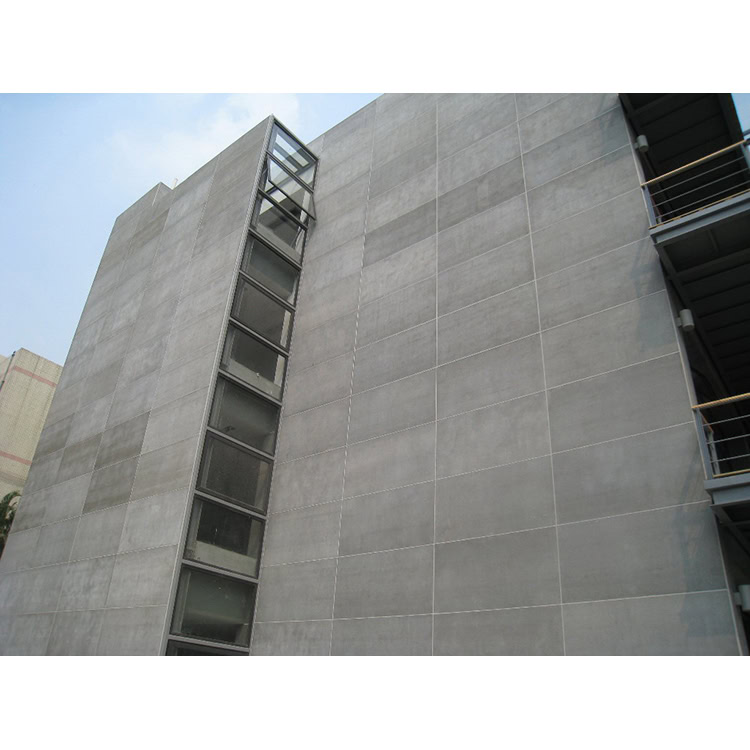
Cement board delivers exceptional durability with 25-50 year service life under normal conditions, maintaining structural integrity and performance through environmental exposure, mechanical stress, and aging while requiring minimal maintenance throughout its lifespan.
Service life expectancy ranges 25-50 years depending on environmental conditions and installation quality. Structural performance remains consistent with less than 10% strength degradation over 20-year exposure periods. Moisture resistance prevents deterioration in high-humidity applications indefinitely without mold or rot development. Dimensional stability eliminates seasonal movement preventing joint failure and fastener loosening. Minimal maintenance requirements include periodic inspection and resealing for optimal long-term performance.
Service Life Factors
Multiple factors influence cement board durability and long-term performance expectations.
| Durability Factor | Impact on Lifespan | Typical Performance | Maintenance Requirements | Failure Indicators |
|---|---|---|---|---|
| Installation Quality | Critical | 25-50 year range | Minimal if proper | Joint problems |
| Environmental Exposure | High | Weather dependent | Periodic inspection | Surface degradation |
| Mechanical Loading | Moderate | Stress level dependent | Load monitoring | Structural cracking |
| Moisture Management | High | Critical for longevity | Seal maintenance | Edge deterioration |
| Chemical Exposure | Variable | Application specific | Protective coatings | Surface attack |
Installation quality represents the most critical factor determining long-term cement board performance.
Performance Degradation Timeline
Systematic performance changes occur predictably over cement board service life.
| Time Period | Expected Performance | Maintenance Needs | Common Issues | Intervention Timing |
|---|---|---|---|---|
| Years 0-5 | Peak performance | Minimal | Settlement cracks | As-needed basis |
| Years 5-15 | Stable performance | Routine inspection | Joint maintenance | Scheduled intervals |
| Years 15-25 | Gradual changes | Increased attention | Seal replacement | Preventive action |
| Years 25-35 | Performance decline | Regular maintenance | Surface treatments | Proactive planning |
| Years 35+ | End of service life | Replacement planning | System renewal | Major renovation |
Years 5-25 represent the optimal performance period requiring minimal maintenance intervention.
Environmental Impact on Durability
Different environmental conditions significantly affect cement board longevity and performance retention.
| Environmental Condition | Durability Impact | Expected Lifespan | Critical Factors | Protection Methods |
|---|---|---|---|---|
| Indoor Dry | Minimal impact | 40-50 years | Temperature stability | Standard installation |
| Indoor Humid | Low impact | 30-40 years | Ventilation quality | Moisture barriers |
| Outdoor Protected | Moderate impact | 25-35 years | Weather exposure | Protective finishes |
| Outdoor Exposed | High impact | 20-30 years | Severe weathering | Enhanced protection |
| Marine Environment | Very high impact | 15-25 years | Salt exposure | Specialized coatings |
Indoor applications provide optimal conditions for maximum cement board service life.
What is the Use of Cement Board?
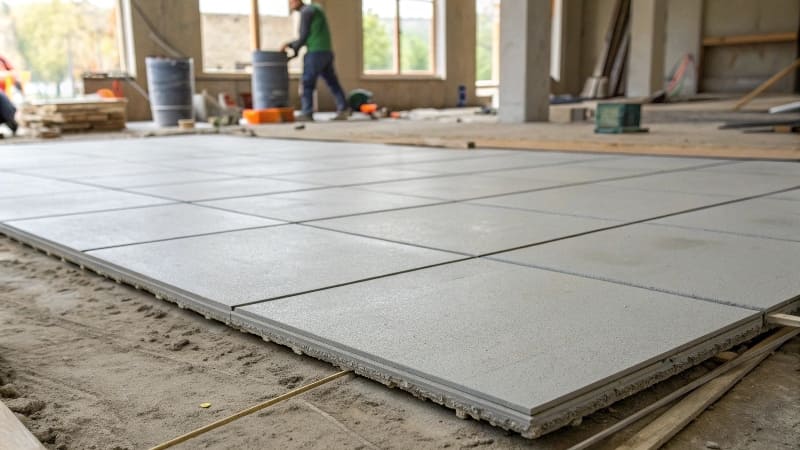
Cement board serves as high-performance substrate for tile installation, fire-rated wall assemblies, exterior sheathing, and moisture-resistant applications, providing superior durability compared to traditional materials in demanding construction environments.
Primary applications include bathroom and kitchen substrates for ceramic tile and natural stone installation. Fire-rated assemblies utilize cement board for 1-4 hour fire resistance ratings in commercial and institutional buildings. Exterior sheathing applications provide weather protection and structural bracing in residential construction. Flooring substrates support heavy tiles and stone materials over wooden subfloors. Industrial applications include cleanrooms and food processing facilities requiring washable, non-porous surfaces.
Residential Applications
Cement board provides superior performance in multiple residential construction applications.
| Application Area | Performance Benefit | Installation Method | Code Requirements | Cost Considerations |
|---|---|---|---|---|
| Bathroom Walls | Moisture immunity | Standard framing | Water resistance | 2-3x drywall cost |
| Kitchen Backsplash | Easy cleaning | Adhesive mounting | Tile substrate | Moderate premium |
| Shower Enclosures | Waterproof substrate | Waterproof membrane | Structural support | Professional install |
| Flooring Substrate | Heavy load support | Screw fastening | Deflection limits | Engineered systems |
| Exterior Siding | Weather resistance | House wrap system | Building codes | Regional variations |
Bathroom applications represent the most common residential use for cement board materials.
Commercial and Industrial Uses
Commercial applications leverage cement board's superior durability and performance characteristics.
| Commercial Application | Key Requirements | Performance Standards | Regulatory Compliance | Market Demand |
|---|---|---|---|---|
| Fire-Rated Walls | 1-4 hour ratings | UL assemblies | Building codes | High growth |
| Food Processing | Sanitary surfaces | FDA requirements | Health regulations | Specialized market |
| Hospital Facilities | Infection control | Cleanability standards | Healthcare codes | Premium applications |
| Educational Buildings | Impact resistance | High durability | Safety requirements | Budget constraints |
| Retail Spaces | Aesthetic flexibility | Design integration | Accessibility codes | Design focused |
Fire-rated applications show strongest growth in commercial cement board markets.
Specialty Installation Methods
Different applications require specific installation techniques and performance considerations.
| Installation Type | Fastening Method | Substrate Requirements | Joint Treatment | Quality Control |
|---|---|---|---|---|
| Wet Area Substrate | Corrosion-resistant screws | Proper framing | Waterproof sealant | Moisture testing |
| Fire-Rated Assembly | Specified fasteners | UL-listed framing | Fire-rated compound | Inspection required |
| Exterior Sheathing | Galvanized fasteners | Structural framing | Weather barriers | Code compliance |
| Heavy Tile Support | Engineered fastening | Reinforced substrate | Flexible sealants | Load calculations |
| High-Traffic Areas | Enhanced attachment | Solid backing | Durable finishes | Performance testing |
Wet area installations require the most stringent quality control and waterproofing measures.
Performance Requirements by Application
Different uses demand specific performance characteristics from cement board systems.
| Application Category | Critical Performance | Testing Standards | Acceptance Criteria | Common Problems |
|---|---|---|---|---|
| Tile Substrate | Dimensional stability | ANSI A118.12 | ±1/8" in 10 feet | Tile cracking |
| Fire Barrier | Fire resistance | ASTM E119 | Hourly ratings | Assembly failure |
| Moisture Barrier | Water resistance | ASTM C1178 | No moisture penetration | Seal failure |
| Structural Sheathing | Shear strength | ICC-ES reports | Engineered values | Fastener pullout |
| Impact Resistance | Abuse resistance | ASTM C1629 | Impact ratings | Surface damage |
Dimensional stability represents the most critical performance requirement for tile substrate applications.
Conclusion
Cement board demonstrates excellent impact resistance with compressive strength of 15-25 MPa and flexural strength of 4-8 MPa while withstanding 40-60 joule impacts without structural failure or penetration making it superior to drywall in high-traffic applications. Cement-based materials exhibit exceptional resistance to chemical attack, weathering, and fire exposure with pH tolerance ranging 4-12 and non-combustible performance at temperatures exceeding 1000°C through crystalline matrix structure and fiber reinforcement. Cement board delivers exceptional durability with 25-50 year service life maintaining structural integrity and consistent performance while requiring minimal maintenance throughout its lifespan and preventing moisture-related deterioration indefinitely. Cement board serves multiple high-performance applications including bathroom substrates, fire-rated assemblies, and exterior sheathing providing superior durability in demanding construction environments with 1-4 hour fire resistance ratings and moisture immunity for tile installations. Success with cement board applications requires understanding that its value extends beyond basic wall covering to represent a comprehensive building durability system, with optimal performance achieved through proper installation techniques, appropriate application selection, and recognition that initial cost premiums are justified by exceptional longevity, minimal maintenance requirements, and superior resistance to impact, moisture, fire, and environmental degradation.
