




Is Cement Board Good for Garage Walls?
Yes, cement board is great for garage walls because it can handle moisture, temperature changes, and impact better than drywall. It resists mold, warping, and fire, making it ideal for heavy-duty environments.
TRUSUS insight: strength comes from stability, not just surface hardness.
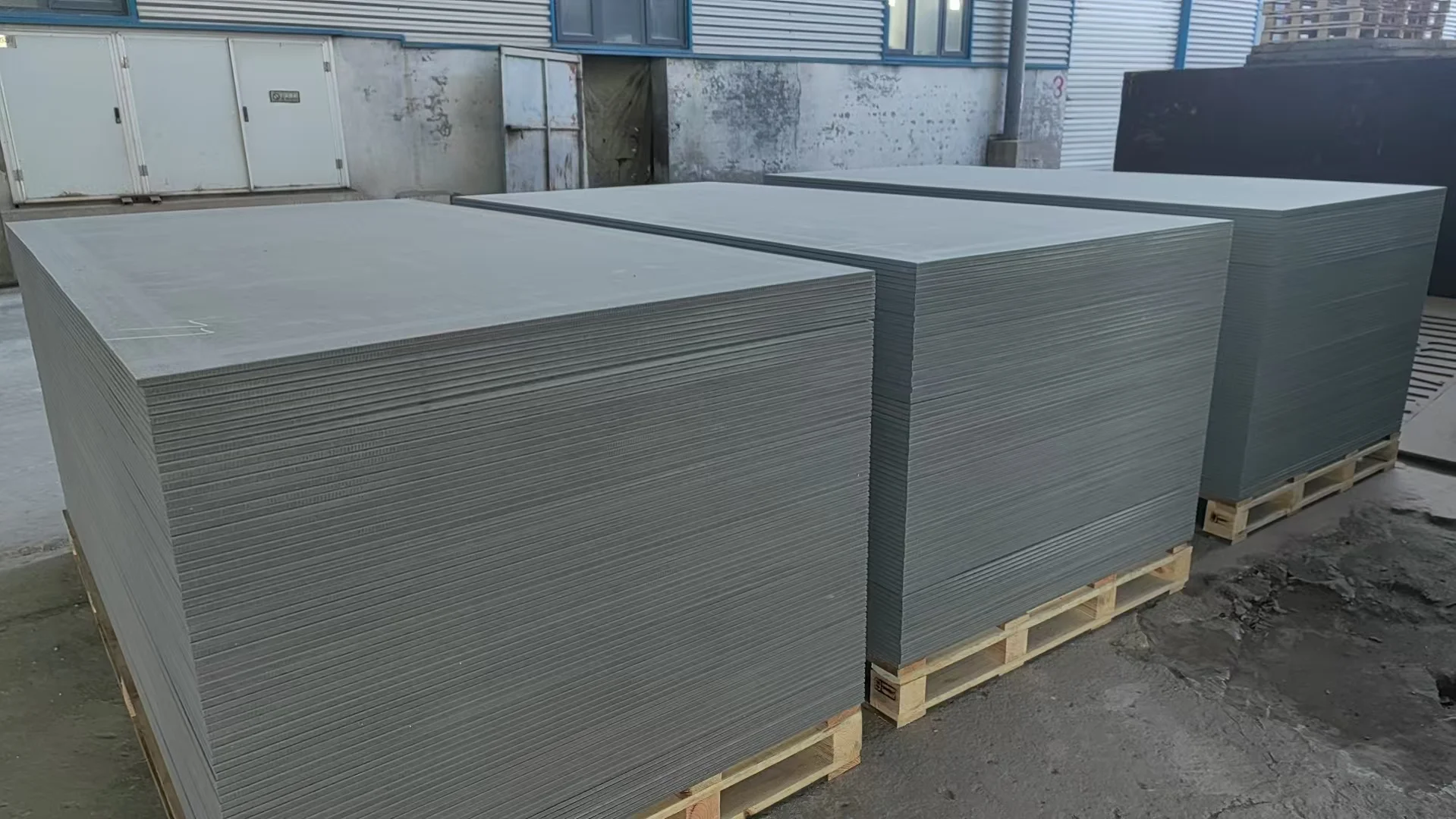
Cement boards provide long-term durability where garages face humidity, hot engines, and chemical vapors. Unlike drywall, they don’t swell or crumble under these conditions.
Is Cement Board Better Than Drywall for Garages?
Cement board is far better than drywall for garages because it’s moisture-proof, impact-resistant, and non-combustible. Drywall absorbs humidity quickly and weakens, while cement board remains structurally stable.
performance insight: garages are harsh—choose materials that fight back.
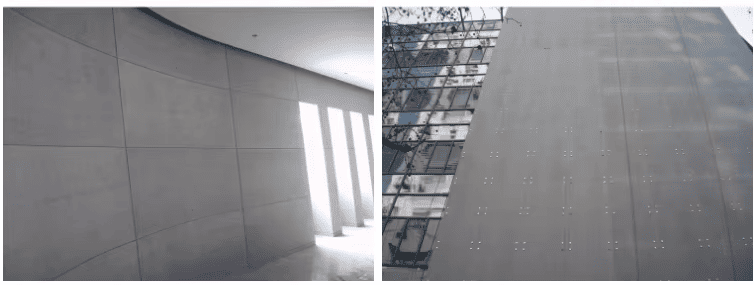
Wall Material Comparison
| Property | Cement Board | Drywall |
|---|---|---|
| Moisture Resistance | Excellent | Poor |
| Impact Strength | High | Moderate |
| Fire Resistance | A-rated non-combustible | Moderately resistant |
| Maintenance | Minimal | Frequent in humid zones |
| Longevity | 10–20 years | 3–7 years |
Application Notes
| Garage Type | Recommended Material | Reason |
|---|---|---|
| Residential | Cement Board | Resistant to chemicals and backups |
| Commercial | Cement Board | Fire-rated and low maintenance |
| Dry storage | Drywall | Acceptable under stable humidity |
Using cement board in garages reduces long-term repair costs and ensures safer, cleaner walls.
What Are the Disadvantages of Cement Board?
Cement board’s main disadvantages include heavier weight, higher installation labor, and increased cutting effort. It needs specialized tools and fasteners compared to drywall.
practicality insight: greater strength asks for careful work.
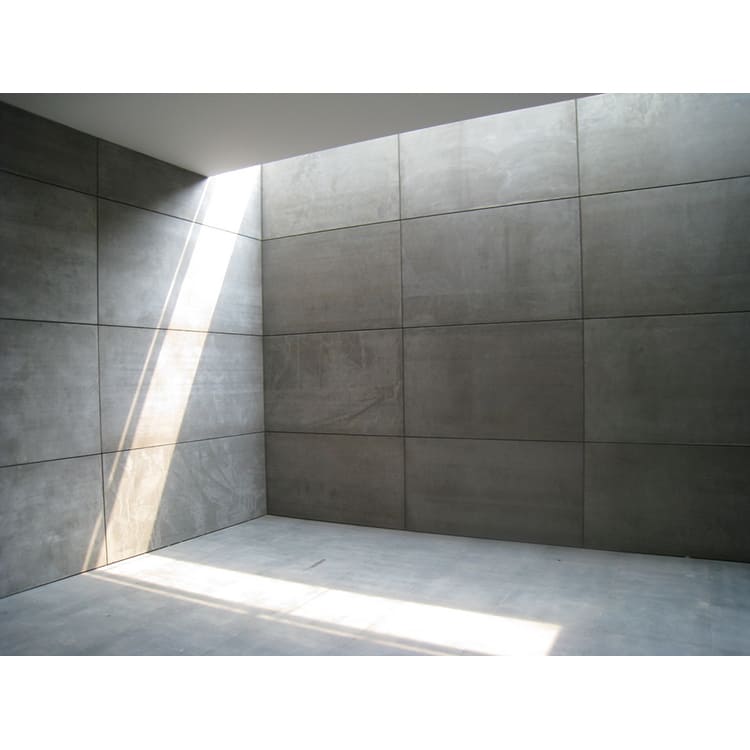
Disadvantage Overview
| Challenge | Description | Possible Solution |
|---|---|---|
| Heavy Weight | Dense structure increases handling load | Use mechanical lifts or two installers |
| Hard to Cut | Requires carbide blade or scoring tools | Pre-cut panels before install |
| Higher Cost | Material price and install time | Offset by reduced maintenance |
| Overkill in Dry Areas | Unnecessary in constant low humidity | Combine with drywall where cost matters |
Decision Table by Usage Context
| Environment | Material Efficiency | Adjustments |
|---|---|---|
| Humid or coastal | Excellent | Use galvanized studs |
| Heated cleanroom | High | Seal edges properly |
| Average home garage | Balanced | Combine board types |
The strength of cement board brings some setup effort, but for garages, the trade-off works in favor of durability.
Is Cement Board More Fire-Resistant Than Drywall?
Yes, cement board is more fire-resistant than drywall. Cement board is completely non-combustible, with an A-class fire rating, while drywall offers only passive resistance through gypsum’s water content.
safety insight: time in fire equals time to protect what matters.
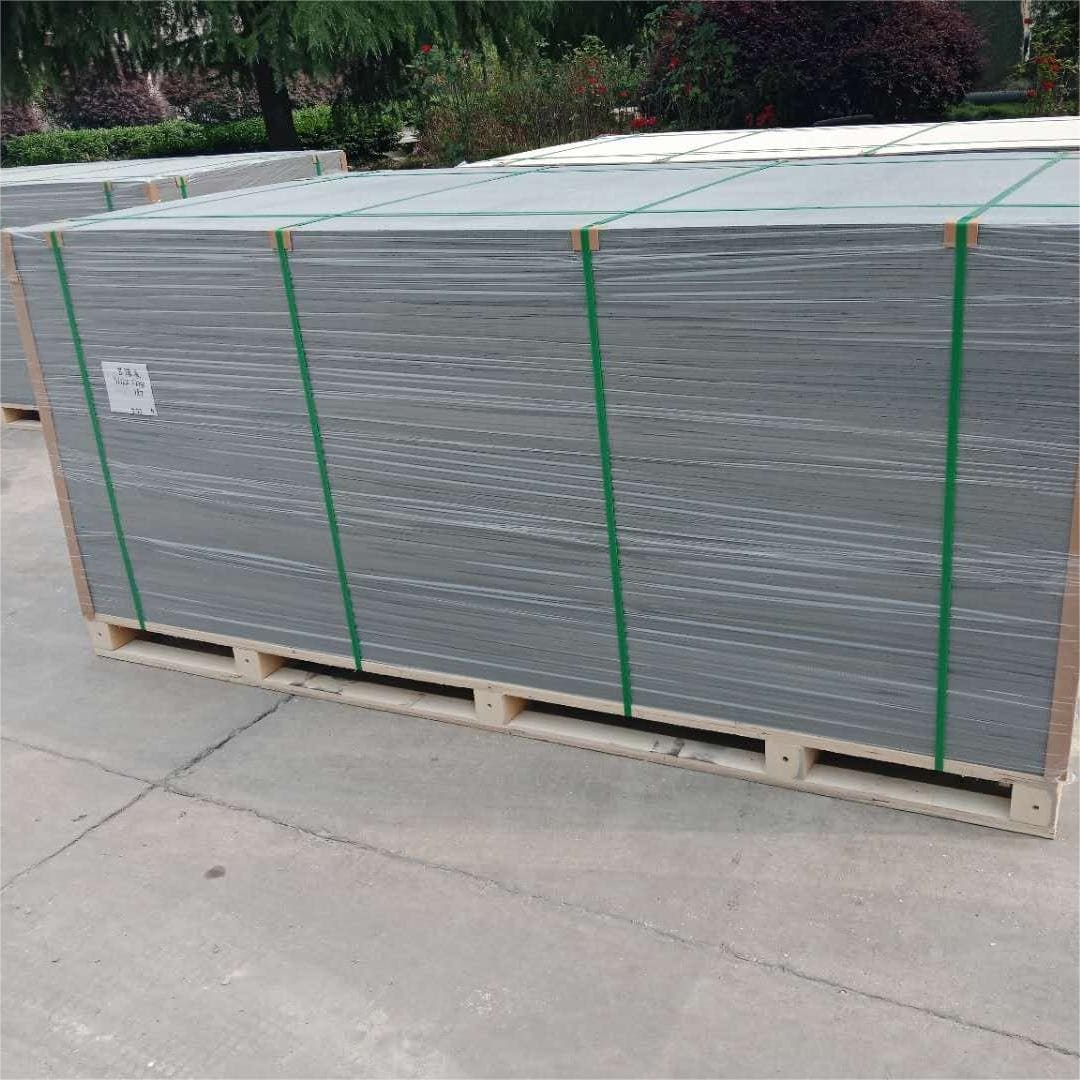
Fire Resistance Comparison
| Property | Cement Board | Drywall |
|---|---|---|
| Composition | Inorganic cement and fiber | Gypsum and paper |
| Combustibility | Non-combustible | Paper burns, core resists heat |
| Temperature Stability | >1500°C | Around 450°C before cracking |
| Smoke Production | None | Slight from paper backing |
| Fire Rating | A-rated | B-rated depending on thickness |
Fire Safety Context
| Application | Best Material | Reason |
|---|---|---|
| Car garages or workshops | Cement Board | High ignition protection |
| Utility rooms | Cement Board | Holds form under heat |
| Interior partitions | Fire-rated drywall | Acceptable under low heat risk |
In fire-prone spaces, cement board provides structural defense and additional escape time—making it the clear safety choice for garage installations.
Conclusion
Cement board turns garages into strong, safe, and durable spaces. Despite higher installation effort, it surpasses drywall in fire resistance, moisture protection, and service life. TRUSUS believes true strength means building walls that protect against water, heat, and time—all at once.
