




Is Cement Board Flexible?
Cement board is known for strength, but modern fiber-cement technology gives it a controlled flexibility. It cannot bend freely like plastic, yet thin fiber cement sheets can form light curves under precise conditions.
TRUSUS insight: modern materials are not only strong—they are smartly flexible.
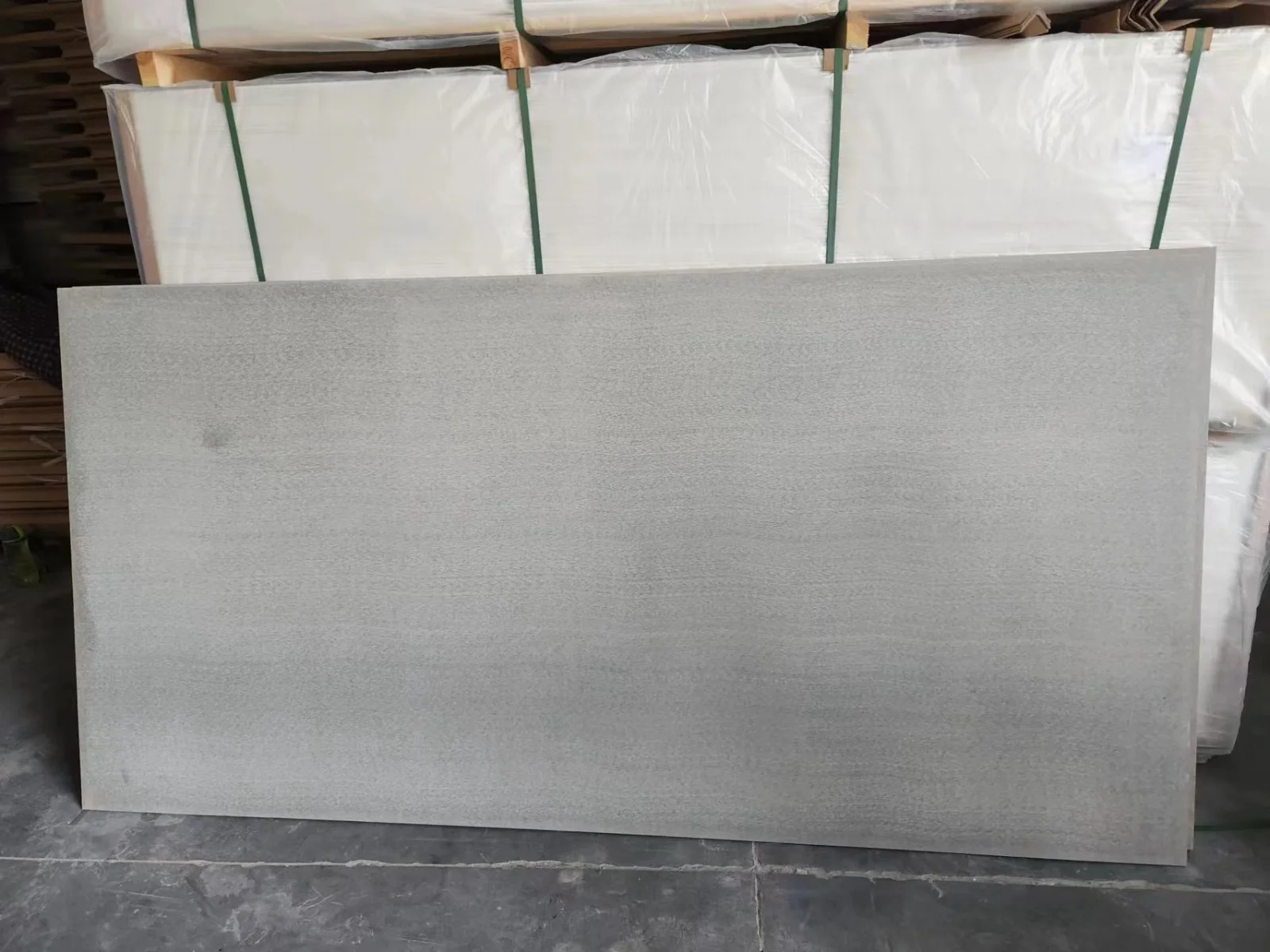
Cement boards under 6 mm thickness can achieve gentle curves with a radius around one meter when moistened and shaped accurately. Flexibility depends on thickness, fiber ratio, and moisture level, turning rigidity into engineered adaptability.
Can Fiber Cement Sheets Be Curved or Bent?
Yes, thin fiber cement sheets can be curved or bent using wet-forming or segmented installation. They can adapt to gentle curves in facades, soffits, and ceiling designs when the right product and process are used.
TRUSUS structural insight: bending doesn’t weaken—it reveals the board’s hidden potential.
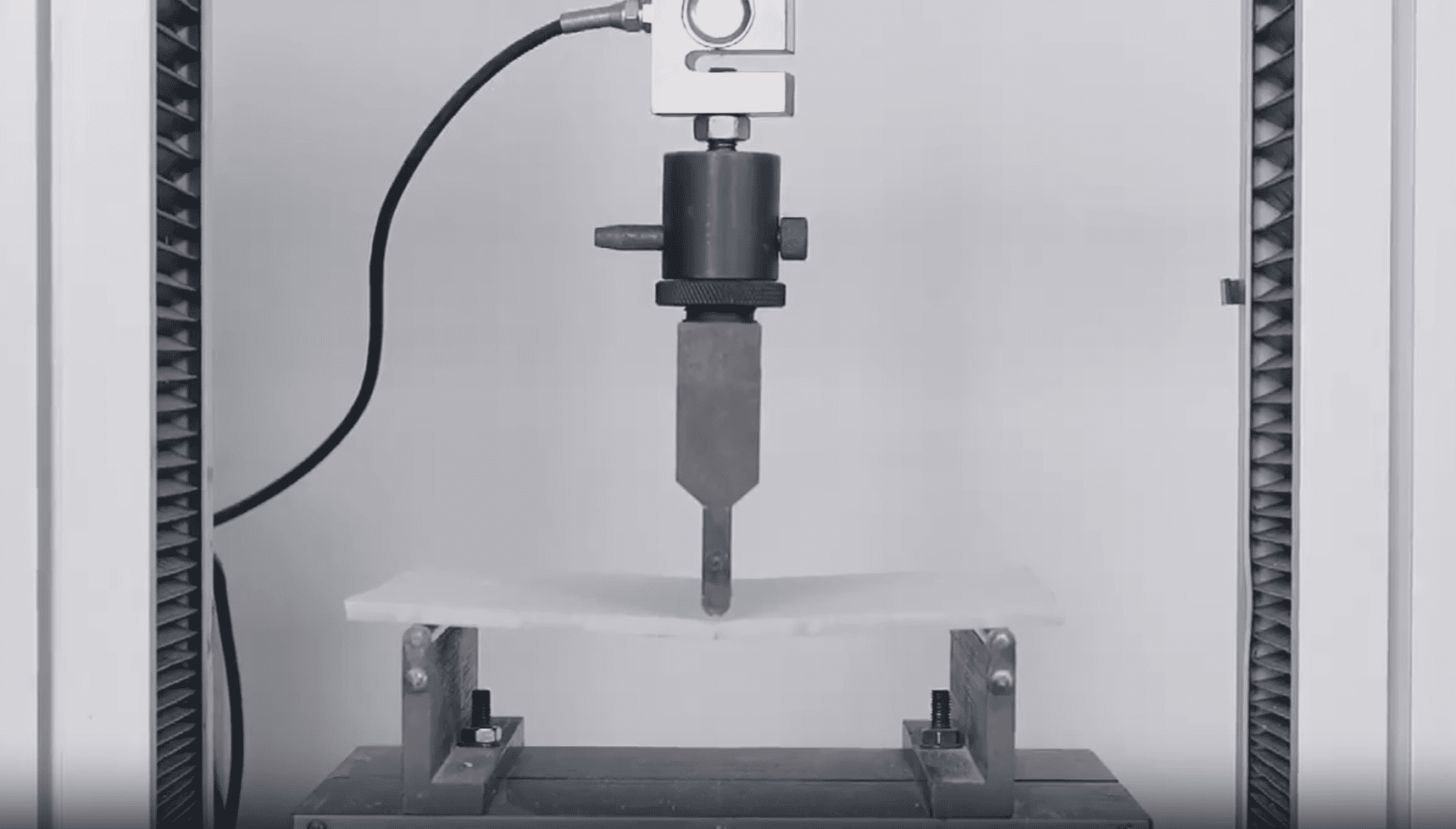
Curvature Guide
| Thickness | Typical Minimum Radius (mm) | Bending Method | Common Use |
|---|---|---|---|
| 4 mm | 600–800 | Wet bending over mold | Ceiling curve |
| 6 mm | 1000–1200 | Pre-wet and frame bias | Wall cladding |
| 8 mm+ | Not ideal for bending | Segmented fixing | Facade panels |
Influencing Factors
| Parameter | Effect on Bend |
|---|---|
| Moisture | Increases elasticity |
| Fiber content | Controls crack resistance |
| Curing time | Prevents structural failure |
When applied correctly, fiber cement can form aesthetic architectural curves while keeping surface integrity and fire performance.
How to Curve a Cement Board?
Curving a cement board is done through controlled hydration and gradual shaping across a formwork. The method depends on thickness and desired curve angle.
process insight: the key is not force—it’s timing and balance.
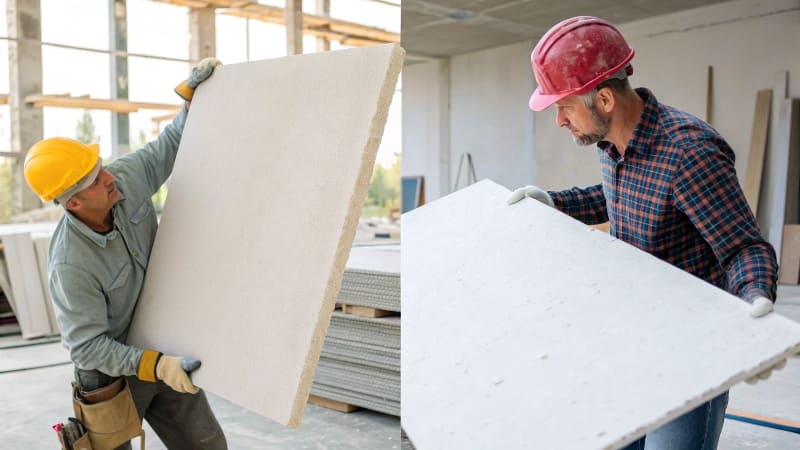
Step-by-Step Technique
| Step | Action | Detail |
|---|---|---|
| 1 | Select proper board thickness | Thinner boards (4–6 mm) preferred |
| 2 | Moisten both sides evenly | Avoid soaking; use damp cloth or sprayer |
| 3 | Place over preset curved mold | Hold shape with gentle, even pressure |
| 4 | Secure temporarily with clamps | Allow 12–24 hrs to dry at room temperature |
| 5 | Fix permanently to frame | Use self-drill screws through pre-drilled holes |
This process helps the board retain the curve once dry, ideal for curved walls, archways, or creative ceilings.
How to Cut Curves in Cement Board?
Curved cuts in cement boards require a steady guide and fine cutting tool, such as a jigsaw with carbide or diamond blade. Cutting should be clean and dust-controlled.
fabrication insight: precision doesn’t mean complexity—it means control at every step.
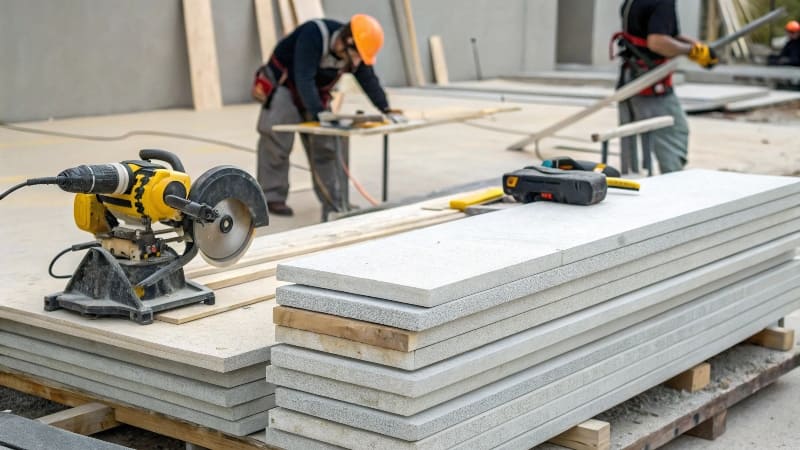
Cutting Procedure
| Step | Description | |
|---|---|---|
| 1 | Mark the curve with a flexible template | Use marker or chalk line |
| 2 | Score along line for surface control | Reduces edge chipping |
| 3 | Cut using jigsaw or grinder | Move slowly, steady pressure |
| 4 | Smooth edges with sandpaper | Avoid sharp edges for clean finish |
| 5 | Reseal cut edge if used outdoors | Use sealing primer or paint |
Safety and Handling
| PPE | Purpose |
|---|---|
| Dust mask | Prevent inhalation |
| Eye protection | Shield from debris |
| Gloves | Grip and handling |
These steps make it possible to achieve organic architectural shapes with accuracy and material protection.
Conclusion
Cement board flexibility isn’t imagination—it’s engineered science. Under controlled methods, it bends, shapes, and performs. At TRUSUS, we see every curve not as a limitation, but as a dialogue between strength and design freedom. When cement learns to bend, architecture begins to breathe.
