




Is Cement Board Brittle?
Cement board isn’t truly brittle—it’s rigid yet reinforced.
Its fiber‑cement composition spreads stress instead of cracking under one point of pressure.
TRUSUS material insight: what feels hard is not fragile—it’s balanced strength.
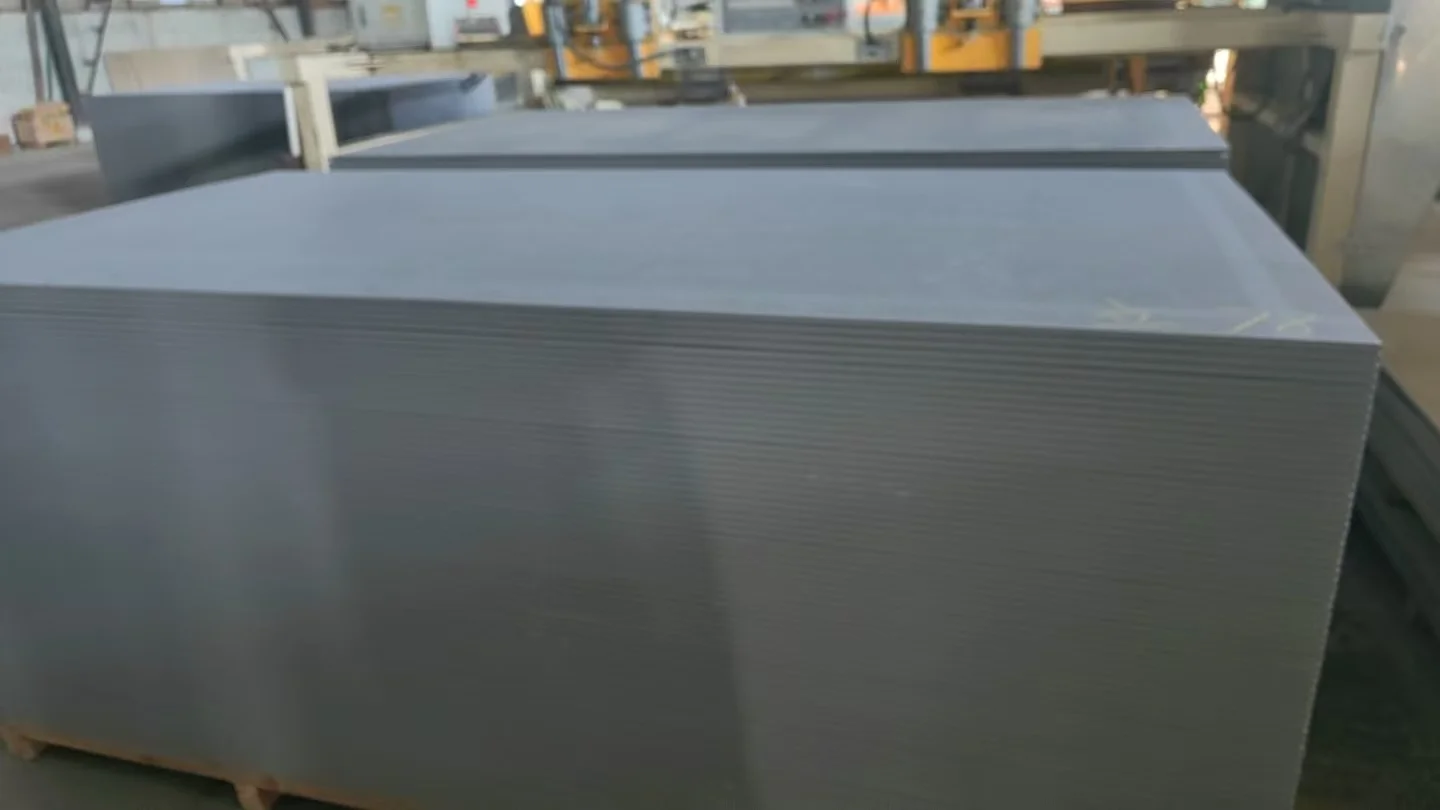
When people call it brittle, they confuse stiffness with weakness.
The board’s construction—cement matrix plus fiber reinforcement—creates controlled rigidity, engineered for clean cuts, firm fastening, and long durability.
Is Fiber Cement Board Hazardous?
Modern fiber cement boards are asbestos‑free and safe for residential and commercial use.
They’re made with organic or synthetic fiber blends instead of legacy asbestos fibers.
TRUSUS safety insight: modern boards keep the strength, not the past.
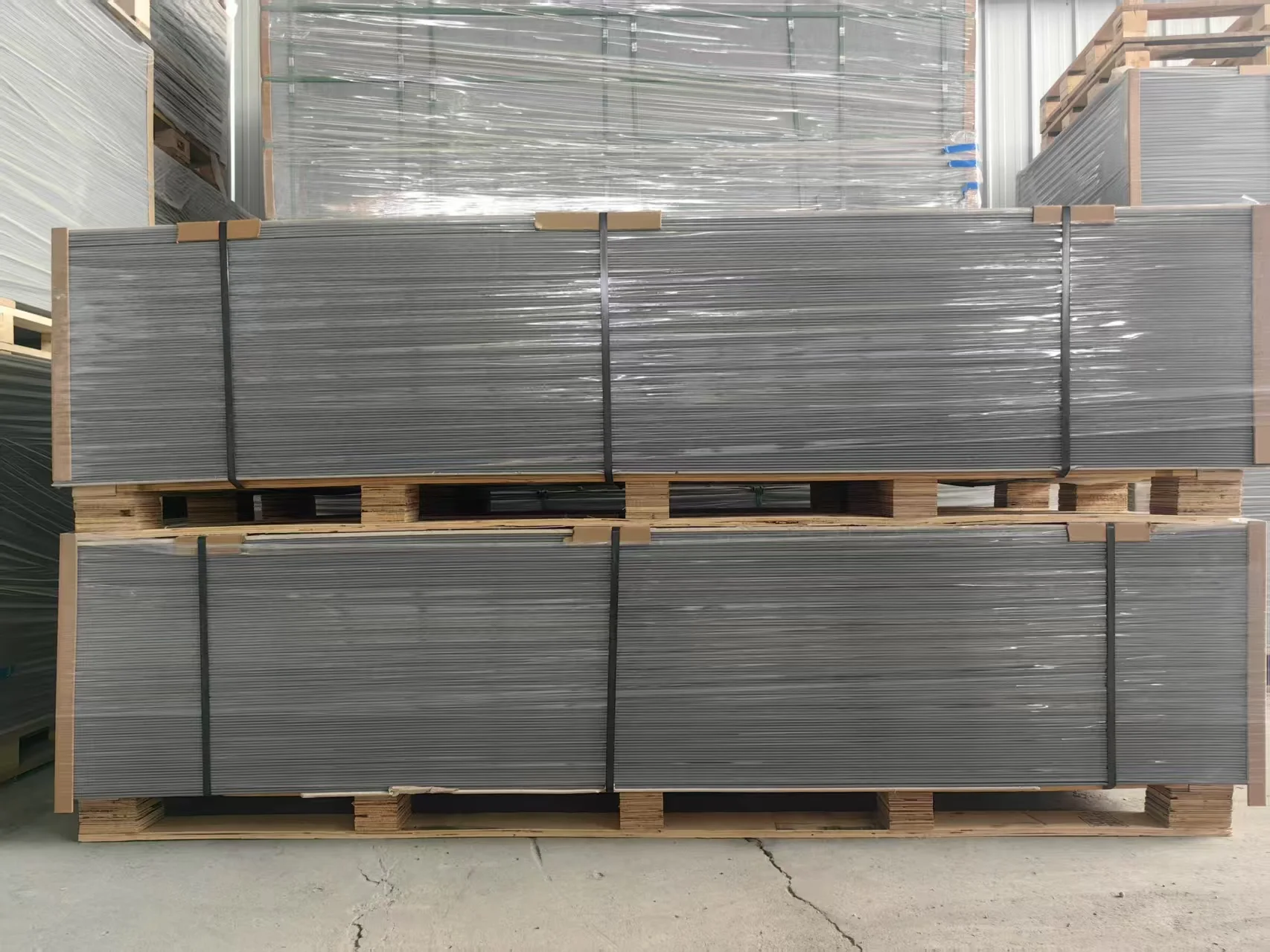
Safety Facts Table
| Property | Status | Explanation |
|---|---|---|
| Asbestos content | None | Fully replaced by cellulose or synthetic fibers |
| Fire resistance | High | Cement base remains stable under heat |
| Moisture resistance | Excellent | Suitable for coastal, humid areas |
| VOC emissions | Very low | Complies with modern green standards |
| Long‑term safety | Tested | Certified across international building codes |
When I started producing boards decades ago, asbestos was already history.
Each batch today meets environmental and occupational safety standards globally.
How Much Does a 4x8 Sheet of Fiber Cement Board Weigh?
A standard 4×8‑foot fiber cement board usually weighs 55 to 75 kilograms depending on thickness.
Its density supports mechanical strength, impact resistance, and fire performance.
TRUSUS handling insight: every kilogram carries decades of stability.
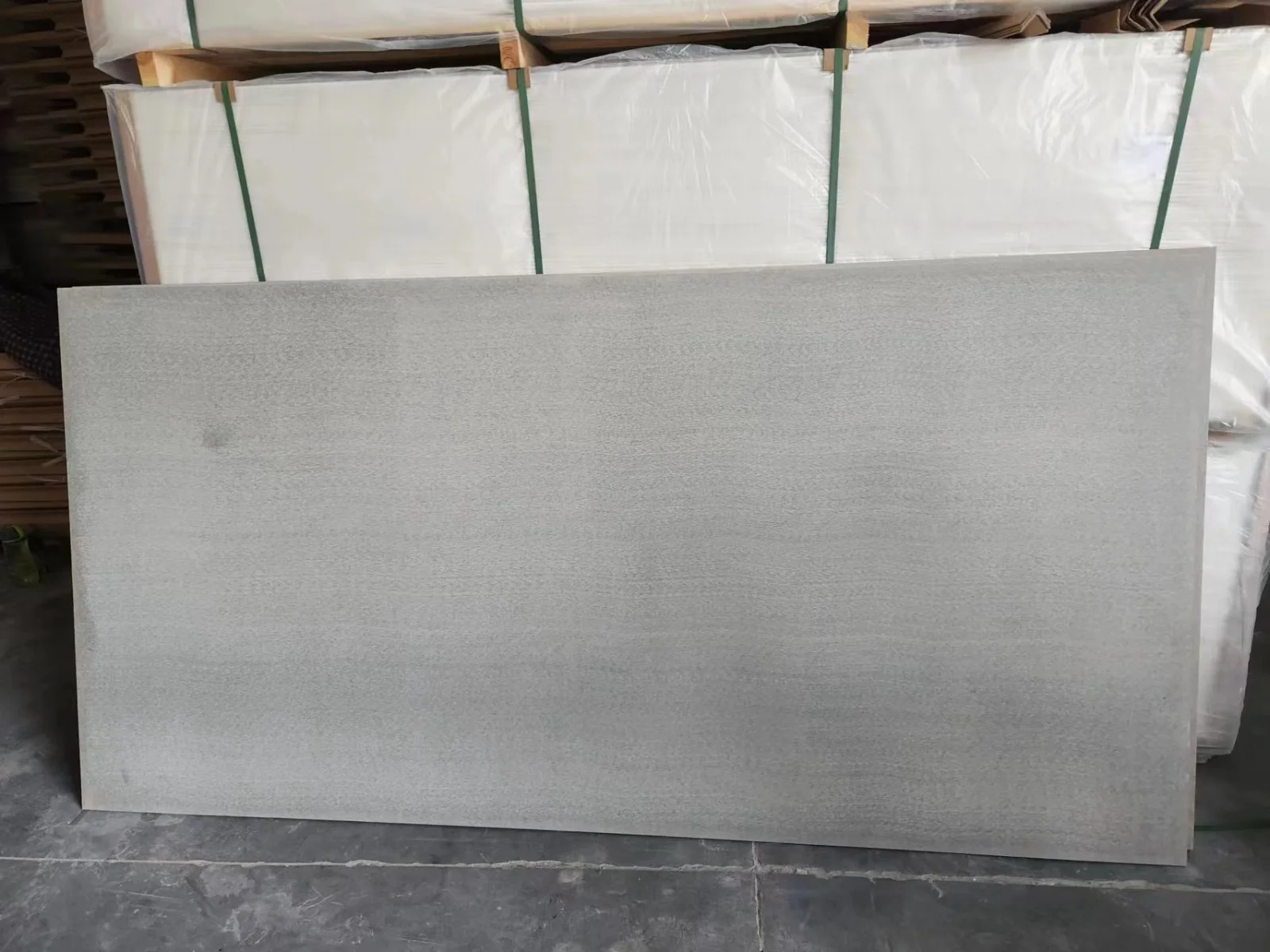
Size and Weight Reference
| Thickness (mm) | Average Weight (kg/Sheet) | Common Use |
|---|---|---|
| 6 mm | 40–45 | Interior wall lining |
| 8 mm | 50–55 | Ceiling, light partition |
| 10 mm | 60–65 | Exterior cladding |
| 12 mm | 70–75 | Facade, wet areas |
| 18 mm | 90+ | Structural sheathing |
Heavy doesn’t mean inefficient.
Through dry construction and lightweight framing, the installation system neutralizes the board’s mass while preserving structural value.
Is Fiber Cement Board Sustainable?
Yes, fiber cement board is sustainable because it lasts long and can be recycled.
Its raw materials—cement, silica, and organic fibers—support circular building practices.
TRUSUS sustainability insight: longevity is the quiet form of environmental performance.
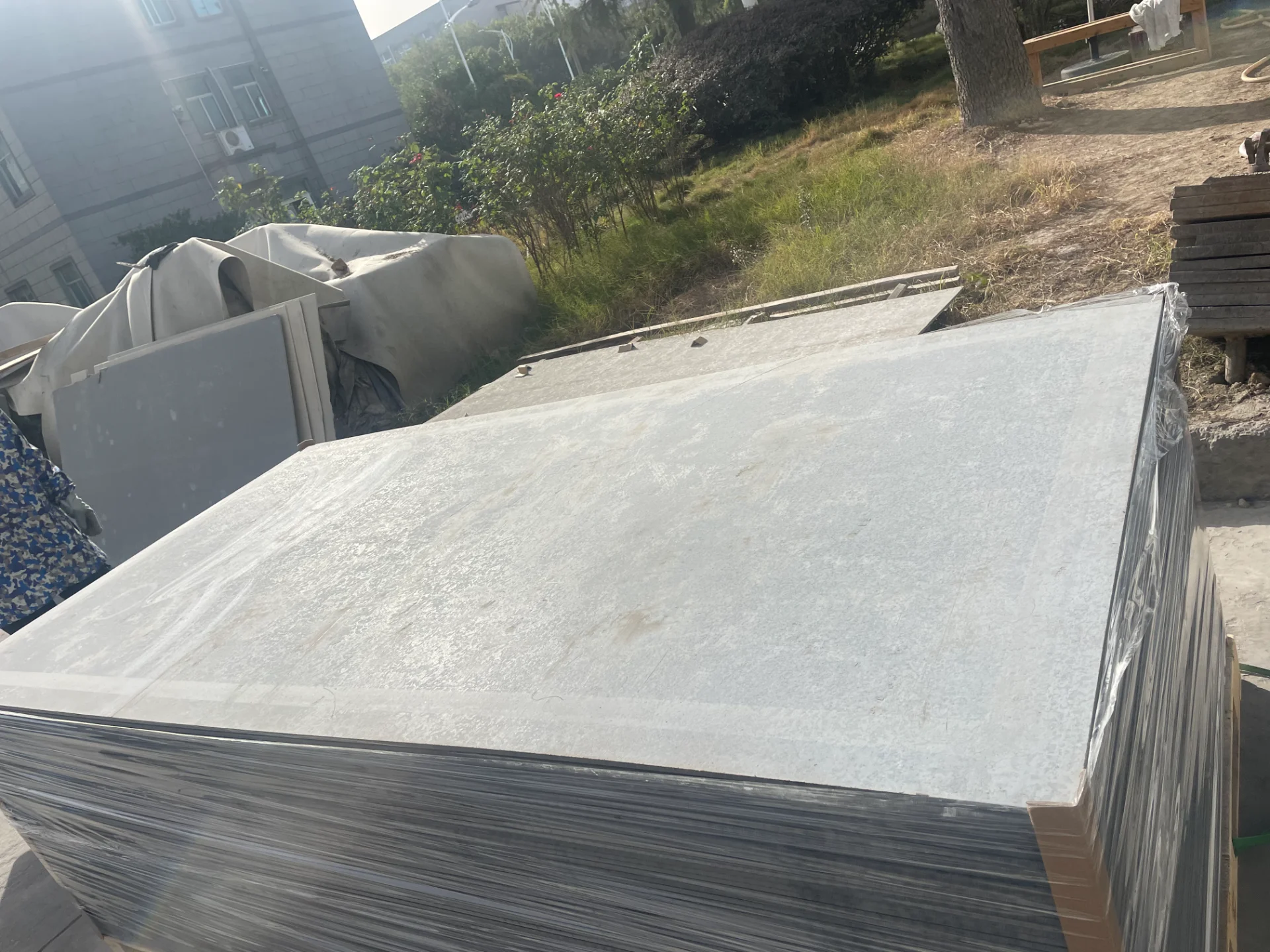
Lifecycle Chart
| Phase | Description | Sustainability Value |
|---|---|---|
| Production | Cement and fiber composite under high pressure | Low waste, long lifespan |
| Usage | Resistant to rot, insects, and water | Reduces maintenance waste |
| Reuse | Panels can be recut and reused | Extends product life cycle |
| Recycling | Crushed for new raw mix | Returns into new boards |
| End‑of‑life | Non‑toxic disposal | No harmful residues |
In my work, sustainability means making materials that stay useful, not fashionable.
Every reused board proves that long‑term thinking beats short‑term savings.
Conclusion
At TRUSUS, I see fiber cement boards not as cold slabs but as living systems—strong, safe, and sustainable.
Their real beauty lies in how well they endure time and change.
