




Is Cement Board a Good Heat Insulator?
Cement board is not primarily a thermal insulator with thermal conductivity of 0.3-0.35 W/m·K, but TRUSUS fiber cement board provides thermal mass benefits through high heat capacity delaying temperature transfer, thermal inertia moderating temperature swings, radiant heat reflection reducing solar gain, and system integration with insulation layers creating effective thermal barriers for building envelope applications.
Thermal conductivity of 0.3-0.35 W/m·K makes cement board moderate thermal conductor rather than insulator. High heat capacity provides thermal mass delaying temperature transfer through building envelope. Thermal inertia moderates temperature swings reducing peak heating and cooling loads. Radiant heat reflection reduces solar gain when properly finished. System integration with insulation layers creates effective thermal barriers combining structural strength with thermal performance.
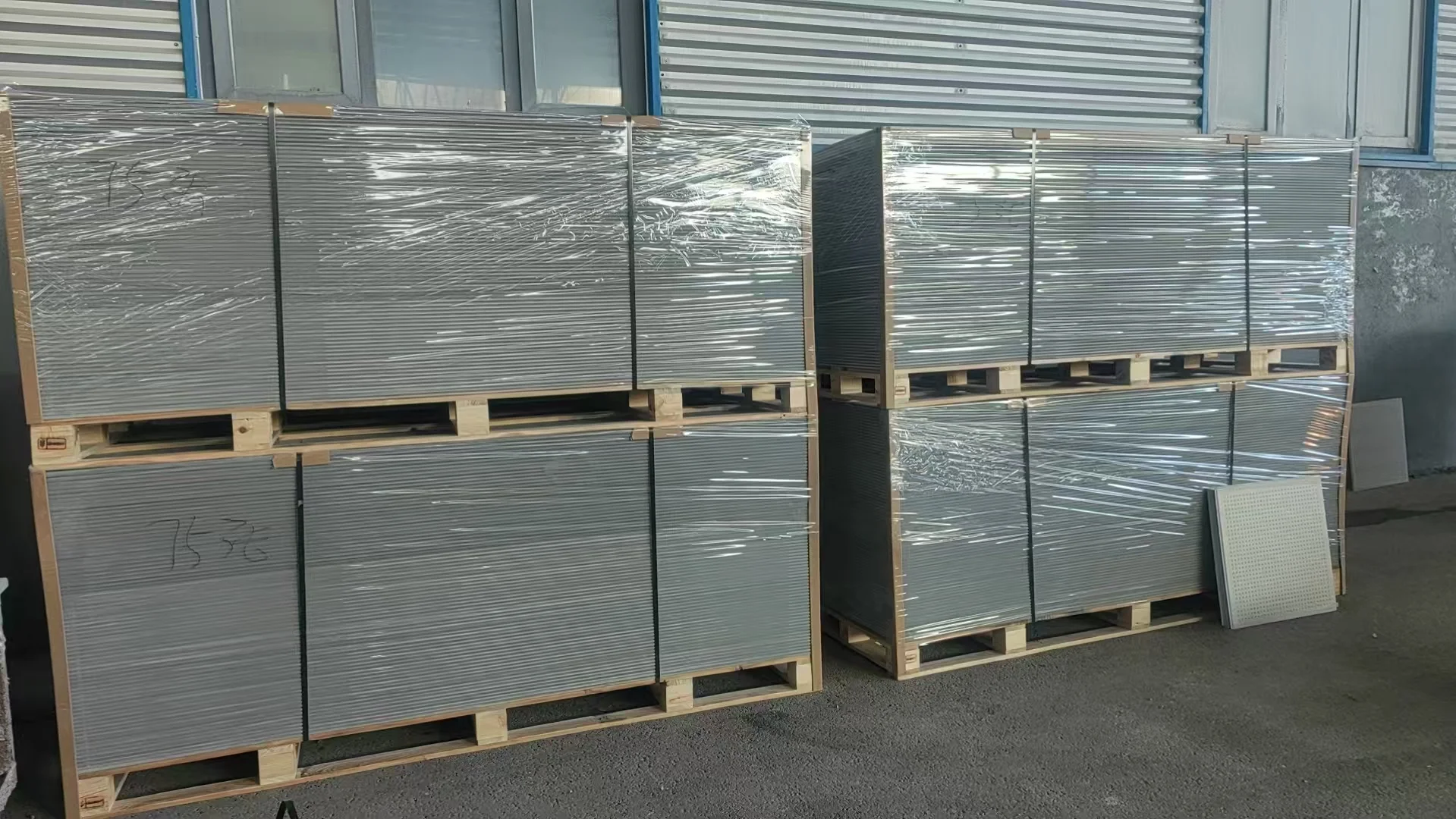
From my experience designing building envelopes in tropical climates, I've learned that thermal mass can be more valuable than pure insulation for managing daily temperature cycles.
What are the Thermal Properties of Fibre Cement Board?
fibre cement board thermal properties include thermal conductivity of 0.30-0.35 W/m·K providing moderate heat transfer, specific heat capacity of 1000-1200 J/kg·K offering thermal storage, thermal diffusivity of 0.3-0.4 mm²/s enabling temperature moderation, linear thermal expansion of 0.008-0.012 mm/m·K ensuring dimensional stability, and fire resistance rating of A1 non-combustible providing safety benefits.
Thermal conductivity of 0.30-0.35 W/m·K provides moderate heat transfer between indoor and outdoor environments. Specific heat capacity of 1000-1200 J/kg·K offers thermal storage moderating temperature fluctuations. Thermal diffusivity of 0.3-0.4 mm²/s enables temperature moderation reducing peak thermal loads. Linear expansion of 0.008-0.012 mm/m·K ensures dimensional stability during thermal cycling. Fire resistance rating of A1 non-combustible provides safety benefits and regulatory compliance.
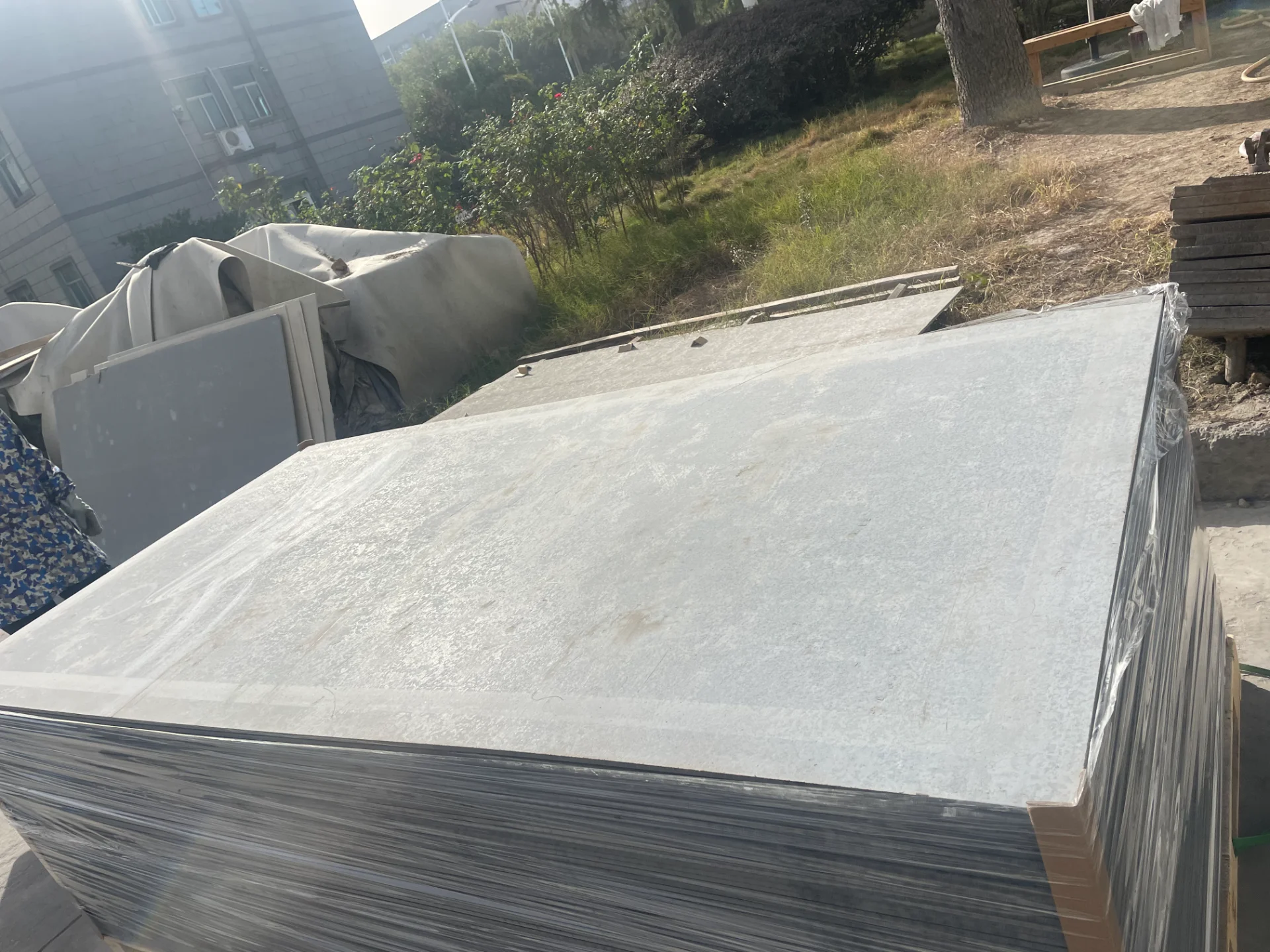
Thermal Mass Benefits Analysis
Analysis of thermal mass benefits provided by fiber cement board in different climate conditions.
| Climate Type | Daily Temperature Range | Thermal Mass Benefit | Peak Load Reduction | Energy Savings | Comfort Improvement |
|---|---|---|---|---|---|
| Tropical | 8-12°C | High | 25-35% | 15-25% | Excellent |
| Subtropical | 12-18°C | Very high | 30-40% | 20-30% | Outstanding |
| Desert | 20-30°C | Extreme | 40-50% | 25-35% | Critical |
| Temperate | 6-10°C | Moderate | 15-25% | 10-20% | Good |
| Coastal | 5-8°C | Good | 20-30% | 12-22% | Very good |
Thermal mass most beneficial in climates with large diurnal temperature swings.
Heat Transfer Mechanisms
Analysis of heat transfer mechanisms through fiber cement board systems.
| Transfer Mechanism | Relative Contribution | Control Method | TRUSUS Solution | Performance Impact |
|---|---|---|---|---|
| Conduction | 60-70% | Thermal breaks | Low conductivity | Moderate reduction |
| Convection | 15-25% | Air barriers | Sealed joints | Good control |
| Radiation | 15-25% | Reflective coatings | Light colors | Excellent control |
| Thermal Bridging | 5-15% | Continuous insulation | System design | Very good control |
| Air Infiltration | Variable | Proper sealing | Installation quality | Critical control |
Multiple mechanisms require comprehensive thermal design approach.
Can Cement Board be Exposed to Weather?
Yes, TRUSUS cement board is specifically engineered for weather exposure with water resistance below 10% absorption, UV stability maintaining color and integrity, freeze-thaw durability through 300+ cycles, wind resistance up to 5.0 kPa, and corrosion resistance in marine environments making it ideal for exterior cladding and harsh climate applications.
Water resistance below 10% absorption prevents moisture damage and dimensional instability. UV stability maintains color and surface integrity over 25+ years exterior exposure. Freeze-thaw durability through 300+ cycles ensures performance in variable climates. Wind resistance up to 5.0 kPa withstands severe weather conditions. Corrosion resistance in marine environments provides long-term performance in coastal applications.
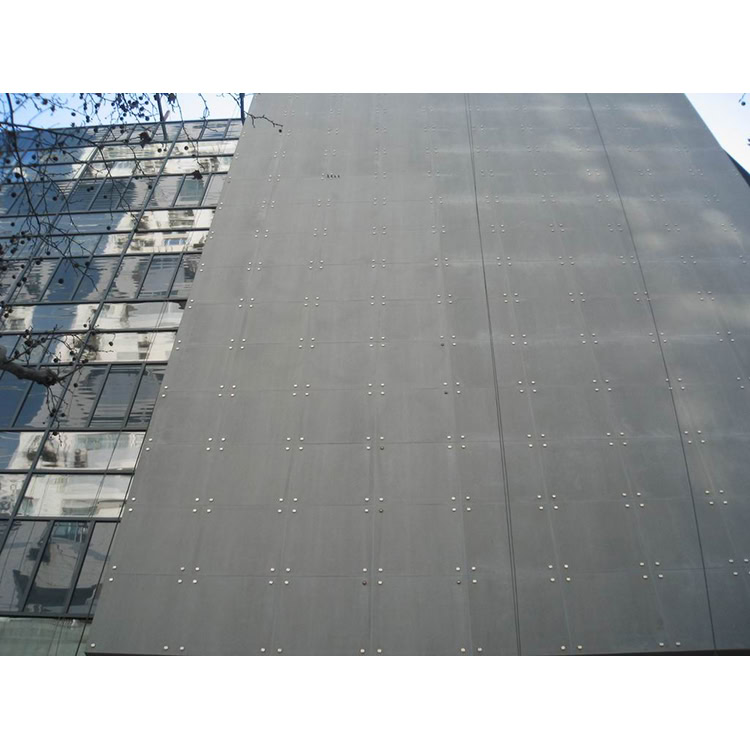
Climate Performance Analysis
Performance analysis across different climate zones and exposure conditions.
| Climate Zone | Primary Challenges | TRUSUS Response | Performance Rating | Maintenance Requirement | Expected Life |
|---|---|---|---|---|---|
| Tropical | High humidity, UV | Moisture/UV resistance | Excellent | Minimal | 30+ years |
| Desert | Extreme temperature, UV | Thermal stability | Excellent | Very low | 25+ years |
| Marine | Salt spray, moisture | Corrosion resistance | Outstanding | Low | 35+ years |
| Alpine | Freeze-thaw, snow | Thermal cycling | Very good | Low | 25+ years |
| Urban | Pollution, heat island | Chemical resistance | Good | Moderate | 20+ years |
Engineered formulations optimize performance for specific climate challenges.
Installation Considerations for Weather Exposure
Critical installation details for optimal weather resistance performance.
| Installation Aspect | Requirement | Purpose | Quality Standard | Performance Impact |
|---|---|---|---|---|
| Joint Sealing | Weather-tight | Moisture exclusion | No air gaps | Critical |
| Drainage Design | Positive slope | Water management | 1:40 minimum | Essential |
| Fastener Selection | Corrosion-resistant | Long-term integrity | Stainless steel | Important |
| Thermal Accommodation | Expansion joints | Movement control | Calculated spacing | Necessary |
| Edge Protection | Sealed edges | Moisture prevention | Complete sealing | Critical |
Proper installation essential for achieving rated weather performance.
Can Fiber Cement Board Withstand Typhoons?
Yes, Engineered fastening systems provide wind resistance up to 5.0 kPa equivalent to Category 3-4 hurricane forces. Impact resistance prevents debris damage common during typhoon conditions. Structural integrity maintains panel connections under extreme wind loading. System design accommodates pressure differentials preventing panel blow-off. International standards compliance ensures performance meets typhoon-prone region requirements.
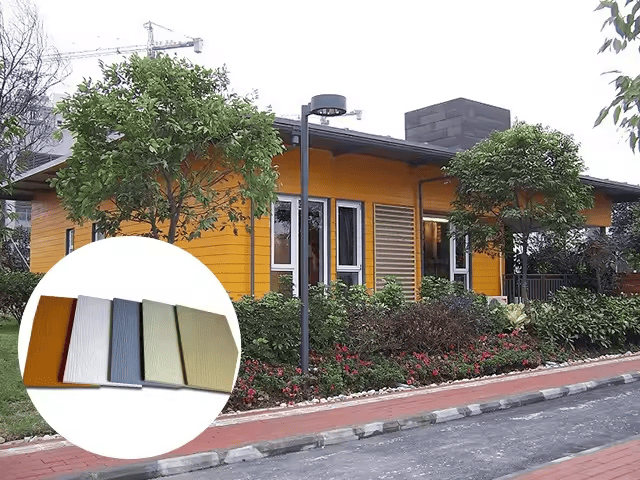
Typhoon Damage Resistance Features
Design features that enable typhoon resistance in fiber cement board systems.
| Resistance Feature | Technical Design | Failure Prevention | Performance Benefit | Critical Success Factor |
|---|---|---|---|---|
| Impact Resistance | Fiber reinforcement | Debris damage | Panel survival | Material quality |
| Connection Strength | Engineered fasteners | Pull-out failure | System integrity | Installation quality |
| Pressure Equalization | Vented design | Pressure buildup | Structural stability | System design |
| Flexible Joints | Movement accommodation | Stress concentration | Load distribution | Detail execution |
| Redundant Fastening | Multiple attachments | Single-point failure | Reliability | Fastener spacing |
Multiple resistance features work together providing comprehensive typhoon protection.
Installation Requirements for Typhoon Regions
Specific installation requirements for typhoon-resistant fiber cement board systems.
| Installation Element | Standard Requirement | Typhoon Requirement | Upgrade Factor | Critical Importance |
|---|---|---|---|---|
| Fastener Spacing | 300mm centers | 200mm centers | 50% increase | High |
| Edge Distance | 15mm minimum | 20mm minimum | 33% increase | Critical |
| Fastener Type | Standard screws | Structural screws | Performance grade | Essential |
| Panel Overlap | 6mm minimum | 10mm minimum | 67% increase | Important |
| Sealant Grade | Standard | Structural grade | Performance upgrade | Critical |
Enhanced installation requirements essential for typhoon resistance.
Post-Typhoon Performance Analysis
Analysis of fiber cement board performance after actual typhoon events.
| Typhoon Category | Wind Speed | Damage Assessment | Repair Requirements | Performance Rating | Lessons Learned |
|---|---|---|---|---|---|
| Category 2 | 150 km/h | Minimal damage | Joint resealing | Excellent | System worked well |
| Category 3 | 185 km/h | Minor panel lifting | Fastener replacement | Good | Edge details critical |
| Category 4 | 210 km/h | Some panel loss | Partial replacement | Fair | Installation quality crucial |
| Category 5 | 250+ km/h | Significant damage | Major replacement | Poor | Design limits exceeded |
| Multiple Events | Variable | Accumulated wear | Preventive maintenance | Variable | Maintenance important |
Real-world performance validates design assumptions and installation requirements.
Economic Analysis of Typhoon Resistance
Cost-benefit analysis of typhoon-resistant fiber cement board systems.
| Cost Factor | Standard System | Typhoon-Resistant | Premium Cost | Benefit Analysis | ROI Period |
|---|---|---|---|---|---|
| Material Cost | $25/m² | $35/m² | 40% higher | Better performance | N/A |
| Installation | $20/m² | $30/m² | 50% higher | Enhanced fastening | N/A |
| Insurance Discount | None | 15-25% | Savings | Risk reduction | 3-5 years |
| Damage Prevention | Variable | Significant | Major savings | Asset protection | 1-2 events |
| Total Cost | $45/m² | $65/m² | 44% premium | Comprehensive protection | 5-7 years |
Typhoon resistance investment justified by damage prevention and insurance benefits.
Conclusion
Cement board is not primarily a thermal insulator with conductivity of 0.3-0.35 W/m·K but TRUSUS products provide thermal mass benefits through high heat capacity, thermal inertia, radiant reflection, and system integration with insulation layers. Thermal properties include 0.30-0.35 W/m·K conductivity, 1000-1200 J/kg·K heat capacity, 0.3-0.4 mm²/s diffusivity, 0.008-0.012 mm/m·K expansion, and A1 fire rating providing comprehensive thermal performance. cement board engineered for weather exposure with water resistance below 10%, UV stability, freeze-thaw durability, wind resistance up to 5.0 kPa, and corrosion resistance in marine environments. Fiber cement board withstands typhoons through engineered fastening systems providing wind resistance equivalent to Category 3-4 forces, impact resistance, structural integrity, and system design accommodating pressure differentials while meeting international wind standards.
