




Is Cement and Concrete the Same Thing?
When customers ask me, "Is cement and concrete the same thing?", they're touching on one of the most common misconceptions in construction materials.
Cement and concrete are not the same—cement is an ingredient, while concrete is the final product. Think of cement as flour and concrete as bread: cement provides the binding power, but concrete combines cement with sand, gravel, and water to create the strong material we build with.
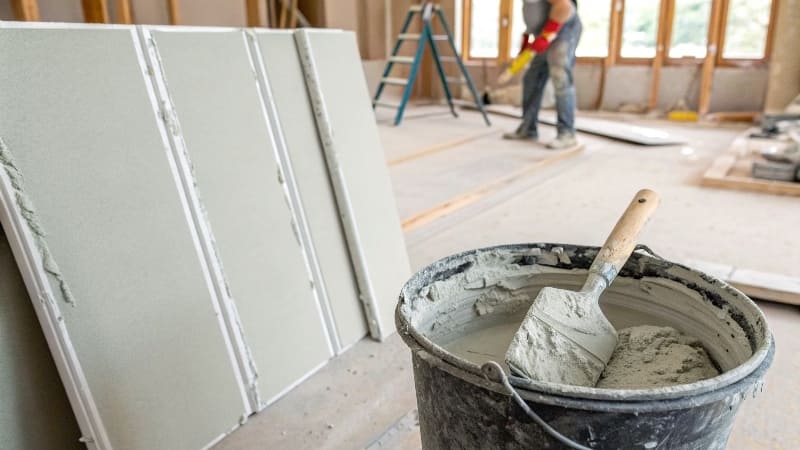
From years of working with contractors and DIY customers, I've learned that understanding this distinction is crucial for choosing the right material for your project and avoiding costly mistakes.
Should I Use Cement or Concrete?
This question reveals a fundamental misunderstanding about how these materials work in construction.
You should use concrete for structural applications like foundations, slabs, and walls, while pure cement is only used for specific applications like mortar, grout, or repair patches. Most building projects require concrete's complete structural system, not just cement's binding properties.
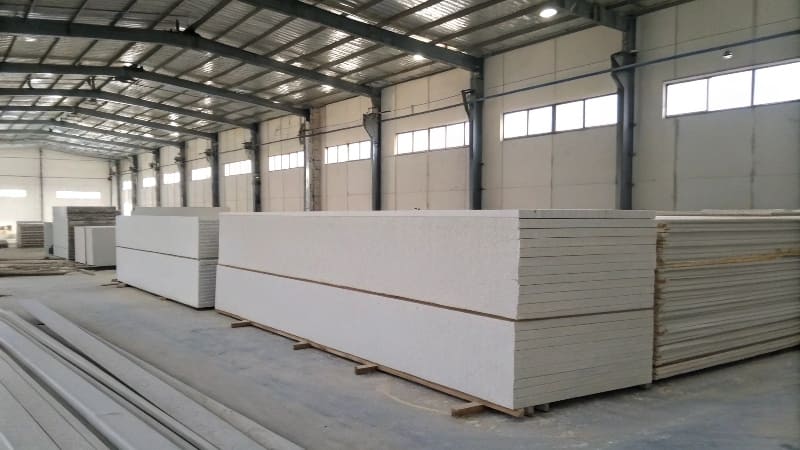
Material Selection Guide
Through analyzing countless project outcomes, certain patterns emerge for when to use each material.
| Application | Recommended Material | Why This Choice | Typical Mix |
|---|---|---|---|
| Foundations | Concrete | Needs aggregate strength | 1:2:3 cement:sand:gravel |
| Sidewalks | Concrete | Requires durability and load bearing | Standard structural mix |
| Mortar Joints | Cement-based mortar | Needs workability, not bulk strength | 1:3 cement:sand |
| Crack Repairs | Cement paste or compound | Precision application needed | Cement + water only |
| Tile Setting | Modified cement mortar | Adhesion and workability priority | Cement + polymers |
| Grout | Cement-based grout | Fills voids, doesn't bear loads | Fine cement + sand |
Load-bearing applications always require concrete's aggregate structure—cement alone lacks the internal framework needed for structural integrity.
Is Cement All Stronger Than Concrete?
This question flips the relationship between these materials in an interesting way that reveals common strength misconceptions.
Cement is not stronger than concrete—in fact, concrete is significantly stronger due to its aggregate structure. Pure cement paste actually shrinks and cracks easily, while concrete's sand and gravel create a stable internal framework that dramatically increases strength.
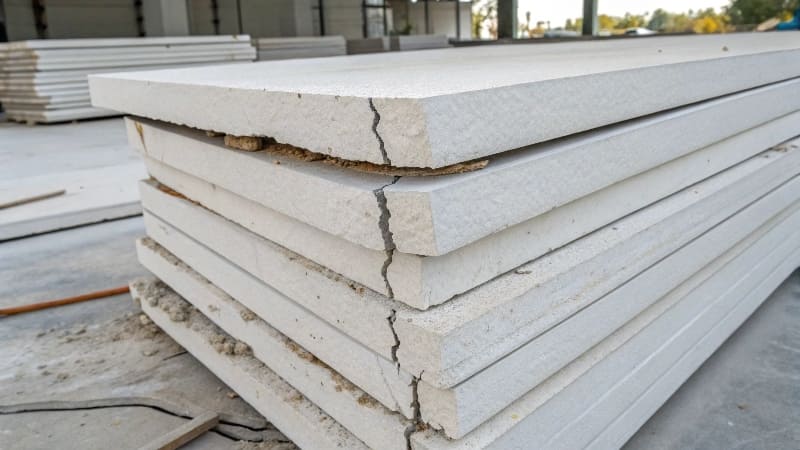
Strength Performance Comparison
Through material testing and field observations, concrete consistently outperforms cement in structural applications.
| Property | Pure Cement Paste | Concrete | Why the Difference |
|---|---|---|---|
| Compressive Strength | 3,000-4,000 PSI | 3,000-8,000+ PSI | Aggregate load transfer |
| Tensile Strength | Very low | Low to moderate | Aggregate interlocking |
| Crack Resistance | Poor (high shrinkage) | Good | Aggregate restrains movement |
| Durability | Fair | Excellent | Reduced cement content ratio |
| Volume Stability | Poor (shrinks significantly) | Good | Aggregate provides stability |
| Cost per Strength | Very expensive | Cost-effective | Aggregate is cheaper than cement |
Concrete's aggregate structure creates internal reinforcement that pure cement cannot match—it's an engineered composite, not just a binding agent.
Can I Use Concrete as Cement?
This question often comes from trying to substitute readily available concrete for more specialized cement applications.
You cannot use concrete as cement because concrete contains aggregates that prevent proper bonding and finishing in cement-specific applications. Concrete's coarse texture and bulk make it unsuitable for mortar work, tile setting, or detailed repairs.
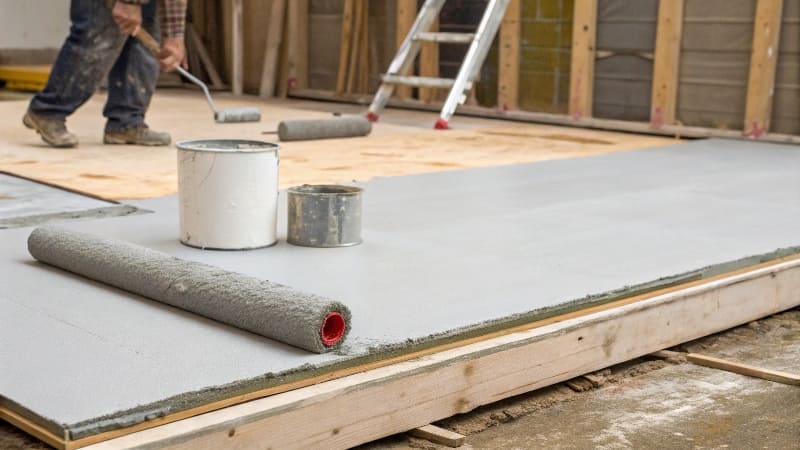
Why Substitution Fails
From troubleshooting failed applications, specific technical reasons consistently cause problems when concrete is misused.
| Application Problem | Technical Issue | Visual Result | Proper Solution |
|---|---|---|---|
| Mortar Joint Work | Aggregate prevents tight joints | Gaps, poor adhesion | Use masonry cement |
| Tile Installation | Cannot achieve thin, even layer | Uneven surface, loose tiles | Use tile adhesive/mortar |
| Crack Repair | Aggregate too large for narrow cracks | Incomplete filling | Use hydraulic cement |
| Smooth Finishes | Aggregate creates rough texture | Unacceptable appearance | Use cement-based compounds |
| Precision Work | Bulk prevents detailed application | Poor fit and finish | Use appropriate cement product |
Aggregate size and workability are the primary factors—concrete's engineered composition serves structural needs, while cement-based products serve finishing and bonding needs.
Conclusion
Cement and concrete are fundamentally different materials—cement is the binding ingredient, while concrete is the complete structural system combining cement, sand, gravel, and water. Most construction projects require concrete's superior strength and durability rather than cement alone. Concrete significantly outperforms pure cement in structural applications due to its aggregate framework. You cannot substitute concrete for cement-specific applications because the aggregate prevents proper bonding and finishing. Understanding these distinctions ensures choosing the right material for each application and avoiding common construction mistakes.
