




How To Store Fiber Cement Board On A Construction Site?
Fiber cement board should be stored flat on a level surface with raised supports, waterproof covering, and proper ventilation. Boards should never sit directly on soil or uneven ground because poor storage can lead to edge damage, moisture exposure, and panel warping.
TRUSUS storage insight: more contractors now understand that material storage directly affects final construction quality and project cost control.
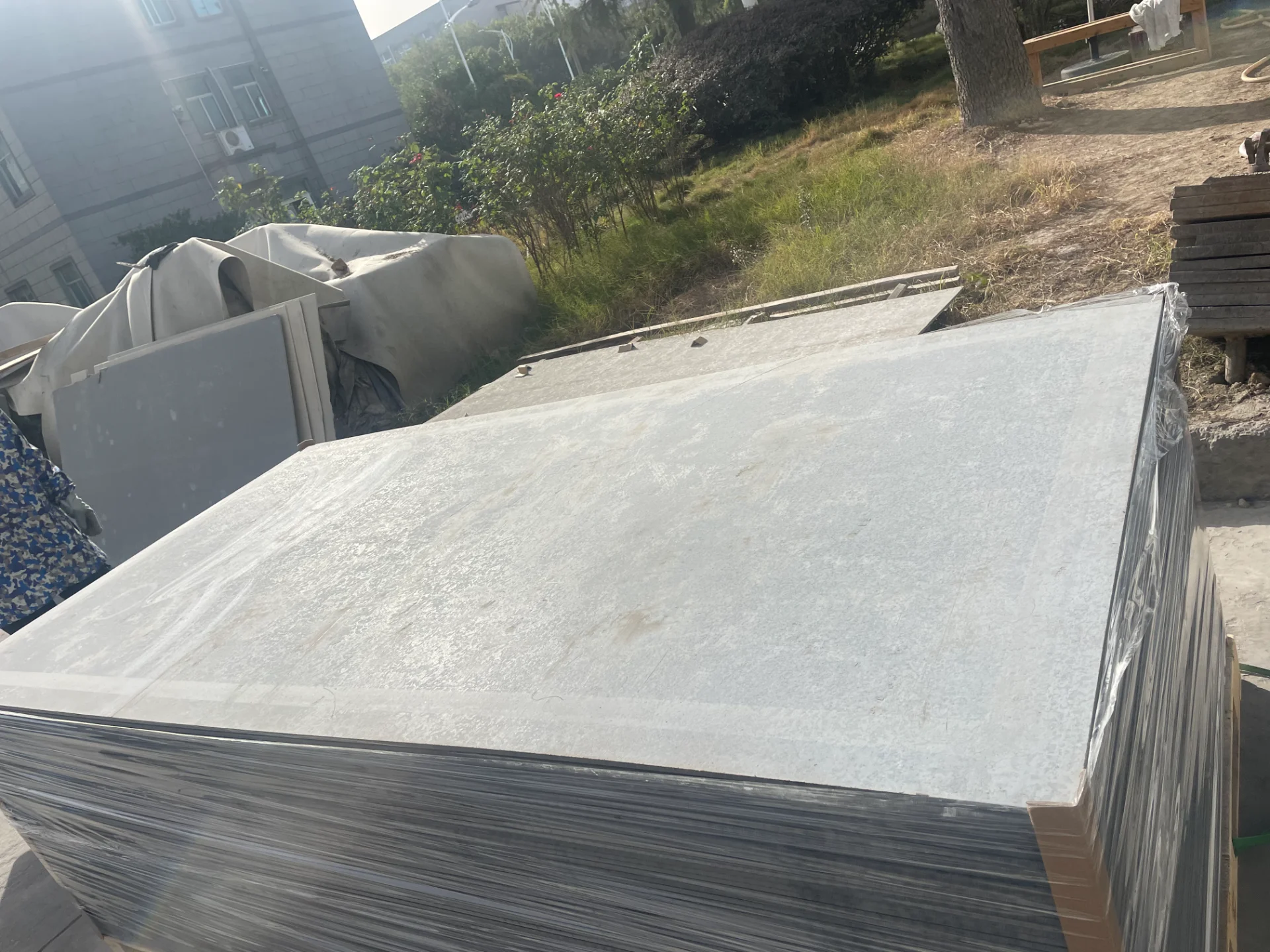
I increasingly see project teams treat building materials as managed assets because modern construction demands tighter quality control and lower material waste.
Storage quality now matters much more than before.
Recommended Site Storage Conditions
| Storage Requirement | Recommendation |
|---|---|
| Ground condition | Flat and stable |
| Distance from ground | Minimum 200 mm |
| Covering method | Waterproof sheet with side ventilation |
Dry and stable conditions improve board protection.
Recommended Support System
| Support Element | Suggested Standard |
|---|---|
| Timber support size | Minimum 40×60 mm |
| Support spacing | Every 600–800 mm |
| Support alignment | Same horizontal level |
Uniform support reduces stress deformation.
Common Site Storage Mistakes
| Mistake | Result |
|---|---|
| Direct ground contact | Moisture absorption |
| Uneven support spacing | Panel warping |
| Fully sealed covering | Condensation buildup |
Improper storage increases damage risk.
Why Ventilation Is Important
| Ventilation Benefit | Effect |
|---|---|
| Moisture release | Better dimensional stability |
| Reduced condensation | Lower mold risk |
| Temperature balance | Less expansion stress |
Airflow helps maintain panel condition.
Why Storage Management Is Becoming Critical
| Traditional Material Handling | Modern Construction Management |
|---|---|
| Basic material stacking | Controlled storage systems |
| Reactive damage handling | Preventive protection planning |
| Low tracking visibility | Full lifecycle material management |
Construction projects increasingly rely on process control.
The Industry Shift Behind Storage Questions
| Traditional Building Material Supply | Modern Engineering Quality Support |
|---|---|
| Product delivery focus | Material protection support |
| Transaction-based relationships | Long-term project collaboration |
| Basic installation guidance | Full-site management consultation |
I increasingly believe storage consulting will become an important value-added service in the building materials industry.
Can Fiber Cement Board Be Left Out In The Rain Before Installation?
Yes, fiber cement board can tolerate short-term rain exposure before installation, but prolonged outdoor exposure is not recommended. Temporary rain usually does not damage the board structurally, but long-term moisture exposure may affect surface quality and dimensional stability.
TRUSUS durability insight: moisture resistance does not mean unlimited weather exposure. Proper protection still matters for project quality.
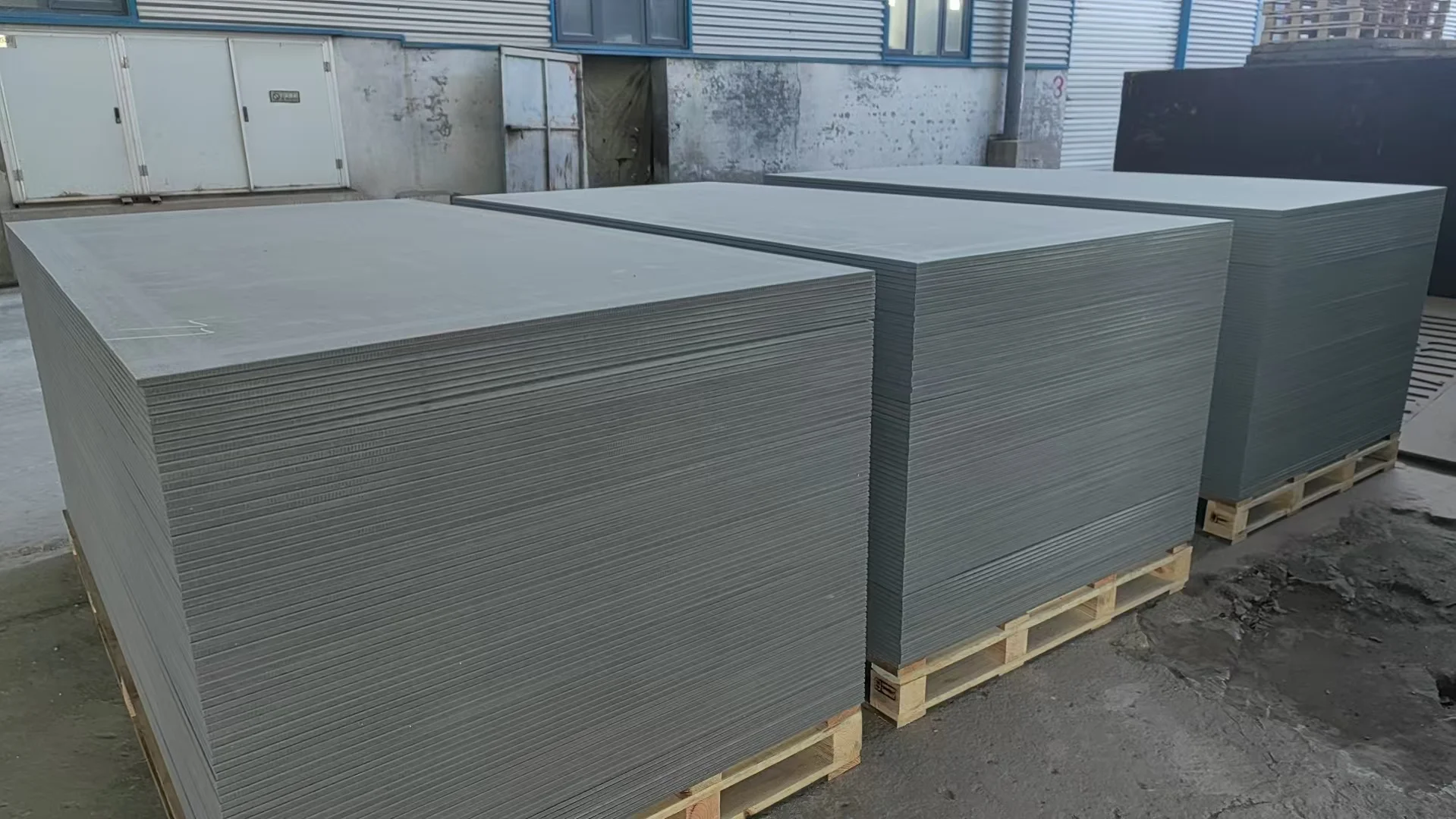
I increasingly see confusion between water resistance and poor storage management because many contractors assume durable boards need no protection.
Even durable materials require responsible handling.
Short-Term Rain Exposure Performance
| Exposure Duration | Typical Effect |
|---|---|
| Less than 72 hours | Usually acceptable |
| Several weeks | Surface deterioration risk |
| Long-term outdoor storage | Higher warping potential |
Exposure duration strongly affects board condition.
Risks Of Extended Rain Exposure
| Risk | Possible Result |
|---|---|
| Continuous moisture cycling | Dimensional movement |
| Standing water contact | Edge weakening |
| Freeze-thaw exposure | Surface stress damage |
Environmental conditions affect long-term durability.
Recommended Rain Protection Methods
| Protection Method | Benefit |
|---|---|
| Elevated pallet storage | Reduced water contact |
| Waterproof tarp cover | Rain protection |
| Open side ventilation | Moisture evaporation |
Balanced protection prevents trapped moisture.
What To Check Before Installation
| Inspection Item | Purpose |
|---|---|
| Panel flatness | Installation accuracy |
| Edge condition | Joint quality |
| Surface cleanliness | Finishing compatibility |
Inspection reduces installation problems.
Why Moisture Management Is Becoming Important
| Traditional Construction Practice | Modern Quality-Control Practice |
|---|---|
| Minimal weather protection | Planned material preservation |
| Reactive replacement approach | Preventive protection systems |
| Loose site organization | Controlled storage logistics |
Modern projects demand tighter quality standards.
The Industry Evolution Behind Rain Exposure Questions
| Traditional Building Supply Industry | Modern Construction Quality Industry |
|---|---|
| Product-only responsibility | Full-process quality support |
| Material sales orientation | Engineering risk management |
| Short-term delivery focus | Long-term performance assurance |
I increasingly see material protection becoming part of professional project management systems.
How To Stack Fiber Cement Boards To Prevent Warping?
Fiber cement boards should be stacked flat with evenly spaced supports directly aligned underneath each layer. Uneven support, excessive stack height, and unsupported overhangs are the main causes of board warping during storage.
TRUSUS handling insight: stacking methods directly influence installation quality, surface flatness, and long-term project performance.
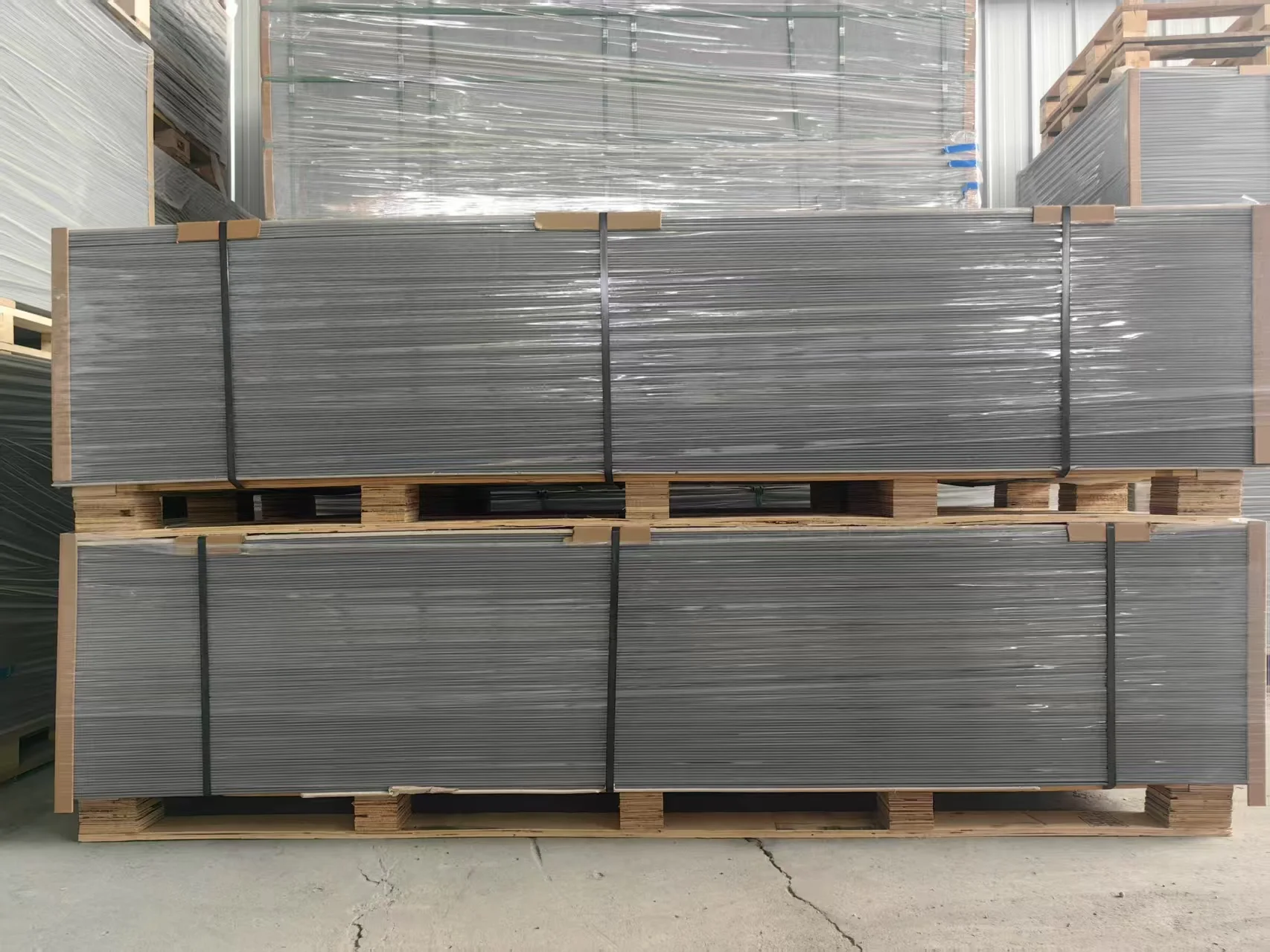
I increasingly see contractors focus on stacking precision because modern façade and interior systems require tighter dimensional accuracy.
Small storage mistakes create expensive installation problems.
Correct Stacking Structure
| Stacking Element | Recommendation |
|---|---|
| Board position | Horizontal only |
| Support alignment | Vertically aligned |
| Maximum stack height | About 1.5 meters |
Uniform load distribution is essential.
Recommended Support Spacing
| Board Length | Support Spacing |
|---|---|
| Standard boards | Every 600–800 mm |
| Longer panels | Closer spacing recommended |
Longer spans increase bending stress.
Common Causes Of Warping
| Cause | Result |
|---|---|
| Uneven ground | Board bending |
| Point loading | Surface deformation |
| Excessive stack weight | Compression stress |
Poor stacking creates permanent distortion risks.
Why Flatness Matters In Construction
| Application | Flatness Importance |
|---|---|
| Exterior cladding | Joint alignment |
| Ceiling systems | Visual consistency |
| Flooring substrates | Structural stability |
Panel accuracy affects final appearance.
Why Material Handling Standards Are Improving
| Traditional Site Management | Modern Lean Construction |
|---|---|
| Basic storage methods | Engineered storage planning |
| High material waste tolerance | Strict efficiency targets |
| Informal handling practices | Standardized logistics systems |
Material control increasingly affects profitability.
The Industry Shift Behind Stacking Questions
| Traditional Building Material Industry | Modern Project Management Industry |
|---|---|
| Product supply orientation | Quality assurance orientation |
| Minimal site involvement | Full construction support |
| Reactive problem solving | Preventive process control |
I increasingly believe site logistics knowledge will become a major competitive advantage for manufacturers.
What Is The Shelf Life Of Fiber Cement Board?
Fiber cement board does not have a strict expiration date because the material itself remains stable for many years when stored correctly. However, outdoor storage conditions, moisture exposure, and handling quality can reduce practical usability over time.
TRUSUS material insight: shelf life depends more on storage management than on the material itself.
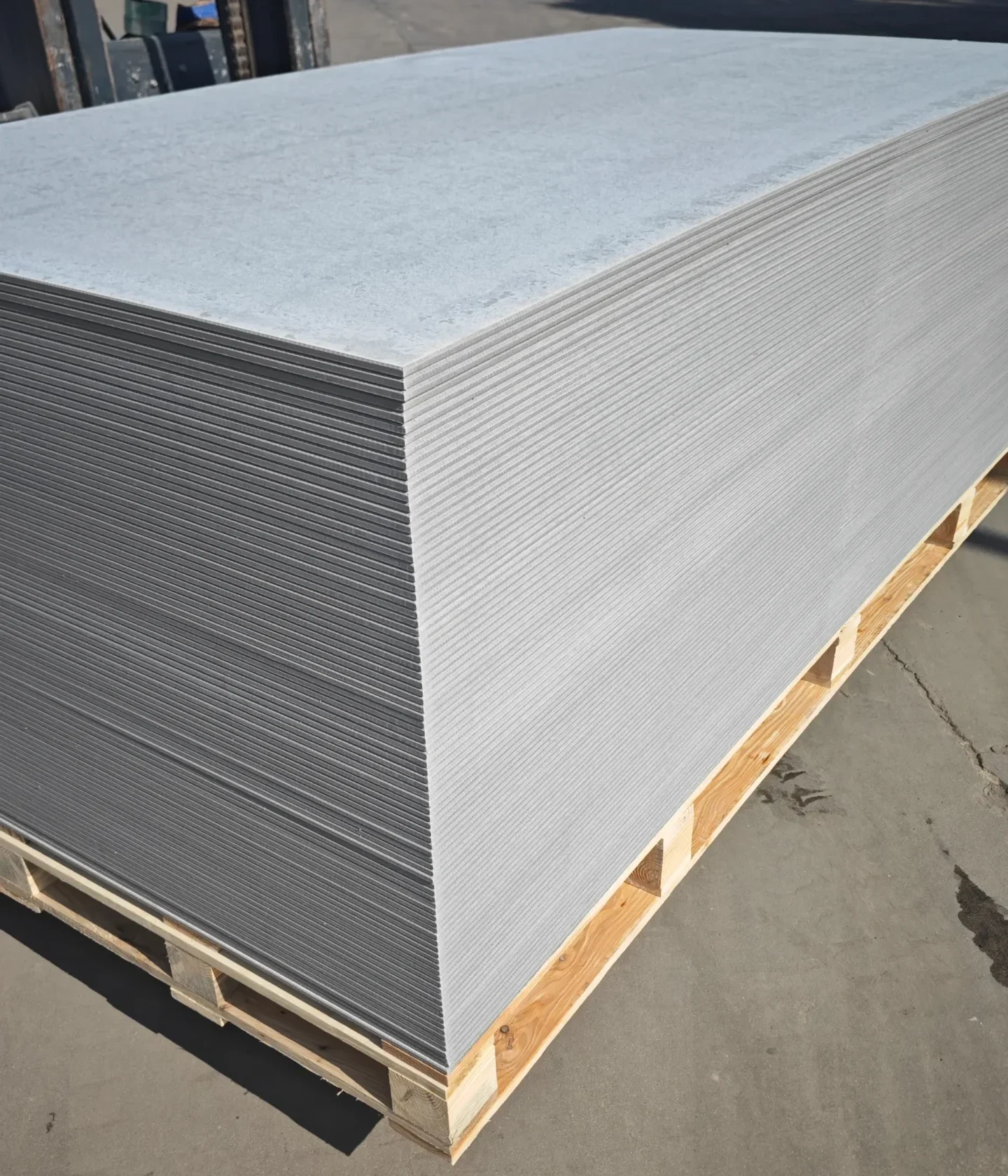
I increasingly see customers ask about long-term storage because large projects now purchase materials in phases and store inventory for extended periods.
Inventory planning is becoming more strategic.
Typical Storage Recommendations
| Storage Environment | Suggested Maximum Storage Time |
|---|---|
| Indoor dry storage | Up to 24 months |
| Protected outdoor storage | Up to 12 months |
| Unprotected outdoor exposure | Not recommended |
Controlled environments improve long-term stability.
TRUSUS Factors Affecting Shelf Life
| Factor | Effect |
|---|---|
| Moisture exposure | Dimensional movement |
| Freeze-thaw cycling | Surface stress |
| Chemical contamination | Material degradation |
Environmental control is critical.
Signs Of Poor Long-Term Storage
| Warning Sign | Possible Problem |
|---|---|
| Edge chipping | Handling damage |
| Surface discoloration | Moisture exposure |
| Panel bowing | Improper support |
Visual inspection helps identify risks.
Why Inventory Management Matters
| Management Benefit | Result |
|---|---|
| Reduced material waste | Lower project cost |
| Better installation quality | Fewer site issues |
| Stable project scheduling | Improved workflow |
Good storage supports project efficiency.
Why Construction Material Management Is Changing
| Traditional Material Usage | Modern Material Asset Management |
|---|---|
| Consumable-material mindset | Asset-preservation mindset |
| Short-term storage planning | Long-term inventory coordination |
| Basic warehouse practices | Controlled environmental storage |
Materials increasingly require lifecycle management.
The Industry Evolution Behind Shelf-Life Questions
| Traditional Building Supply Market | Modern Construction Service Market |
|---|---|
| Product shipment focus | Full lifecycle quality support |
| Basic customer service | Technical management consulting |
| Transaction-oriented sales | Long-term project partnerships |
I increasingly see professional storage guidance becoming part of premium material supply services.
Conclusion
At TRUSUS, I see fiber cement board management evolving from simple material delivery into full-process engineering quality support. Future industry value will come from storage expertise, preventive protection systems, and the ability to reduce waste while improving long-term project performance.
