




How to Repair Cracked Fibre Cement Board?
To repair cracked fibre cement board, clean the damaged area, remove any loose material, then fill the crack with polymer‑modified repair mortar or fibre‑reinforced patch compound. After curing, sand the surface and reseal it with paint or a waterproof coating.
TRUSUS system insight: repair is not just patching a crack, it is restoring structural continuity.
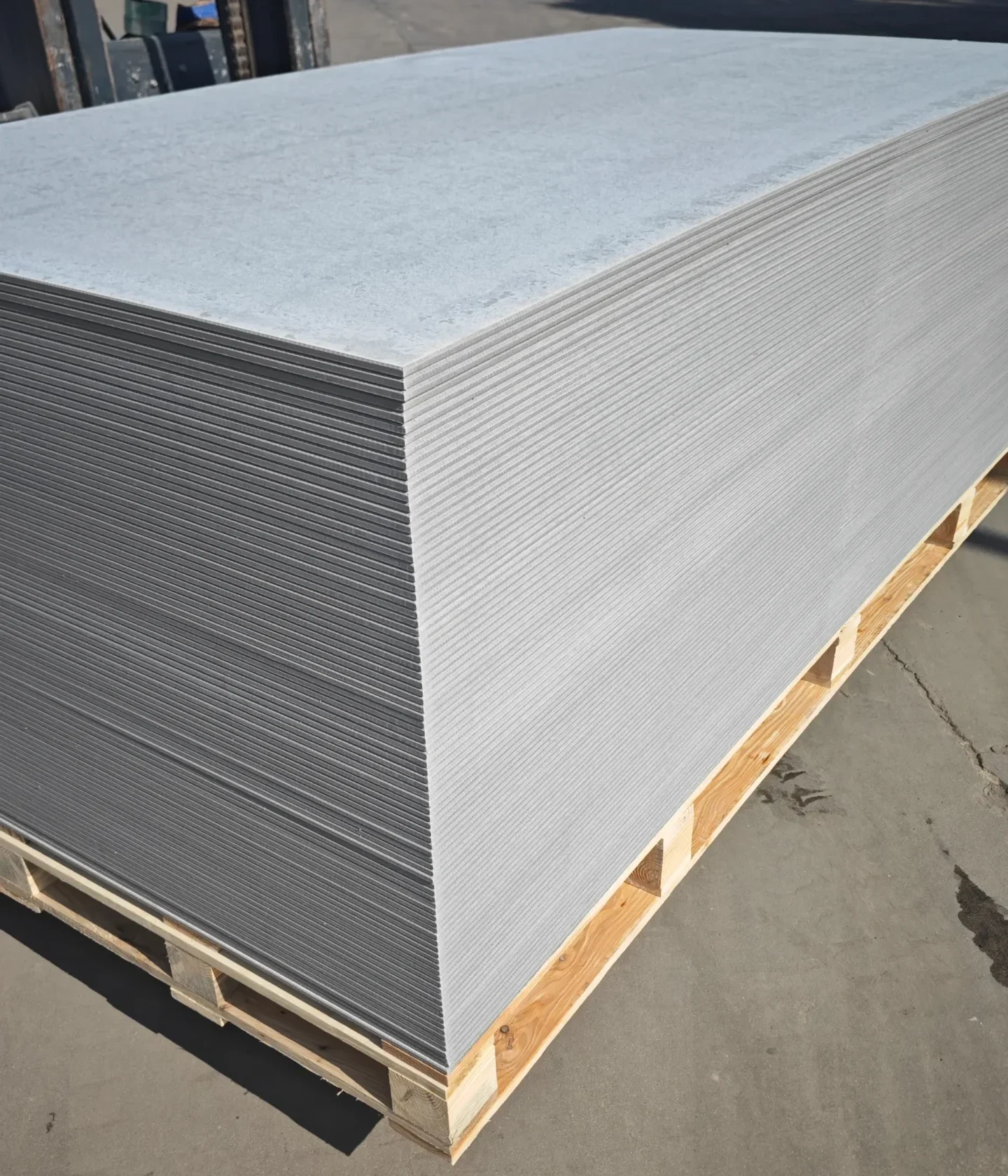
Cracks often suggest movement or stress beneath the surface, so always check framing spacing and fastening before simply refilling the gap.
How to Repair Chipped Cement Board?
Repair a chipped cement board by cleaning the damaged edge, applying high‑bond construction adhesive or epoxy filler, and pressing new patching material into place. Once cured, sand flat and refinish with the same coating as surrounding surfaces.
TRUSUS maintenance insight: chips reveal stress points—repairing them means reinforcing weak edges.
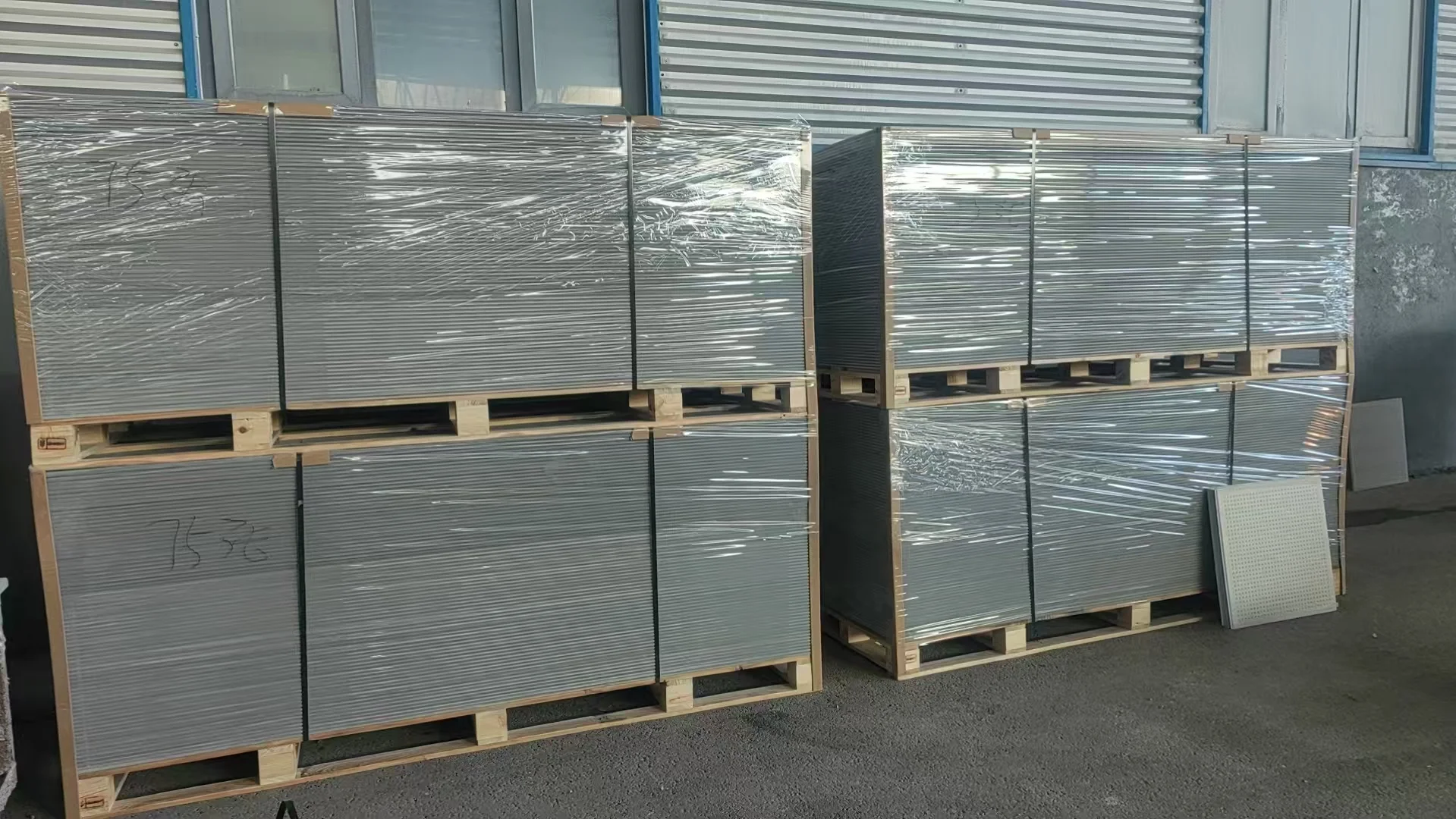
Repair Steps Overview
| Step | Action | Purpose |
|---|---|---|
| 1 | Clean chip/crack | Remove dust and weak particles |
| 2 | Apply bonding agent | Improve adhesion |
| 3 | Fill with cement patch | Restore surface continuity |
| 4 | Sand and seal | Smooth and protect from moisture |
| 5 | Inspect fastening | Eliminate movement sources |
Chipping often starts from impact or over‑drilled screw holes; both point to assembly or usage issues that need correction.
What to Patch Cement Board With?
Use fiber‑reinforced polymer mortar, cementitious patch compound, or exterior‑grade epoxy filler. Select material compatible with the board composition—avoid ordinary plaster, which lacks adhesion and water resistance.
TRUSUS product insight: patch strength comes from chemical match between base and filler.
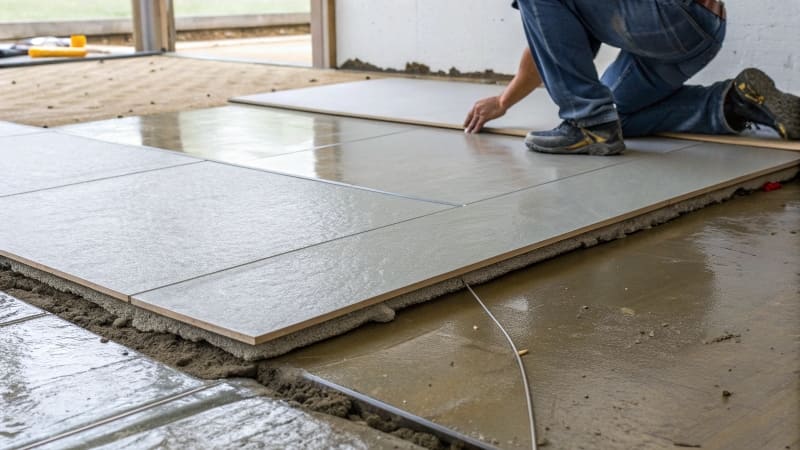
Patch Material Comparison
| Patch Material | Application | Advantages | Limitations |
|---|---|---|---|
| Polymer‑Modified Mortar | Structural crack repair | Strong, flexible, easy to apply | Needs 24 h cure |
| Epoxy Filler | Edge or chip patch | High bond strength, quick set | Not breathable |
| Fiber‑Reinforced Putty | Surface leveling | Prevents shrinkage cracks | Sand only after full hardening |
| Silicone Acrylic Sealant | Joint sealing | Flexible, waterproof | Not structural |
After patching, repaint or apply the protective finish to ensure uniform surface protection against weathering.
Are Cement Board Screws Strong?
Yes, cement board screws are engineered for high tensile and shear strength. They feature corrosion‑resistant coatings and self‑drilling tips, ensuring firm engagement with metal or wood framing without damaging the board surface.
TRUSUS fastening insight: the screw’s integrity defines the entire system’s stability.
Cement Board Screw Specifications
| Screw Feature | Description | Benefit |
|---|---|---|
| Material | Carbon steel with zinc or ceramic coating | Corrosion resistance |
| Tip | Self‑drilling or self‑tapping | Quick installation |
| Head Type | Countersunk Phillips or square drive | Flush finish |
| Thread Design | Hi‑low twin thread | Firm grip in steel or wood |
| Pull‑Out Strength | 1000–1300 N typical | Prevents loosening |
For exterior or humid zones, stainless or epoxy‑coated screws maintain grip even under thermal movement, keeping boards secure for decades.
Conclusion
At TRUSUS, I believe repairing fibre cement board is never just about fixing visible defects. Each crack or chip is information from the system—pointing to stress, movement, or design oversight. When we restore not only the surface but also the cause, we transform maintenance into durability, and achieve buildings that age with grace and logic.
