



How To Remove Oil Stains From Fiber Cement Board?
To remove oil stains from fiber cement board, use warm water with mild detergent and a soft brush. Avoid strong solvents that can damage surface coating.
TRUSUS maintenance insight: gentle removal protects long‑term finish integrity.
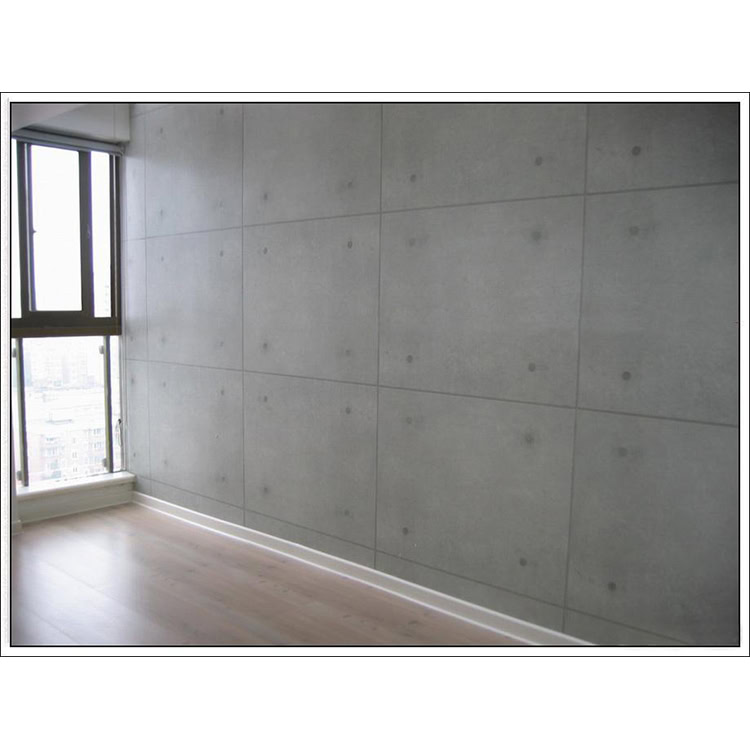
Oil stains are common near grills, driveways, or ventilation outlets. Warm soapy water loosens residue, and light brushing helps detach particles without scratching paint film. For deeper stains, apply diluted citrus‑based cleaner and rinse thoroughly. The goal is to clean, not erode protection.
Can You Use Bleach On Exterior Fiber Cement Board?
Bleach can be used in very diluted form for mold or mildew removal, but frequent use is not recommended. Strong bleach damages protective coatings and exposes fiber structure.
TRUSUS surface insight: bleach cleans fast but ages faster.
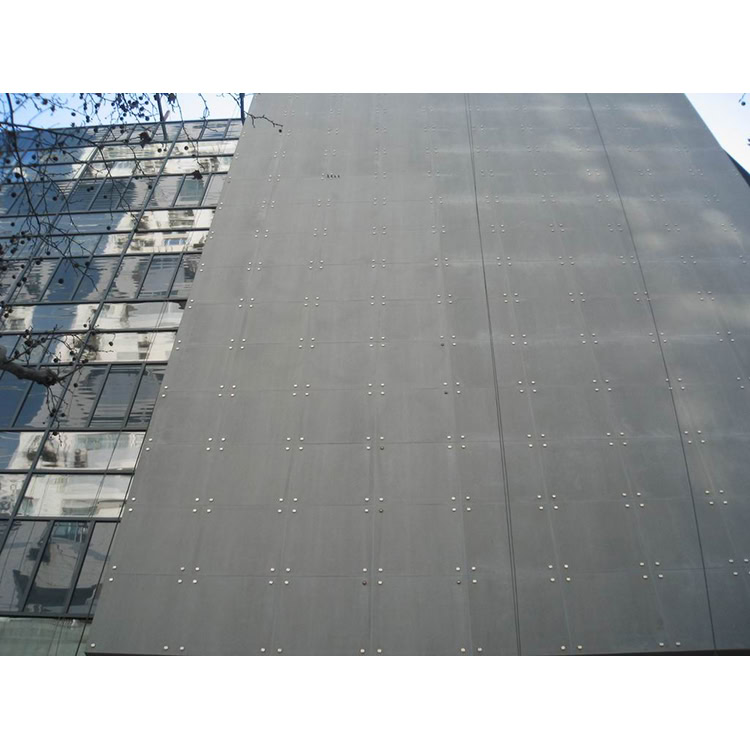
Bleach Usage Table
| Concentration | Safe For | Risk Level | Recommended Action |
|---|---|---|---|
| 1:30 Dilution (weak) | Algae & mold spots | Low | Rinse within 5 minutes |
| 1:10 Dilution (medium) | Tough stains | Moderate | Test small area first |
| Undiluted | None | High | Avoid – may fade surface |
| Eco Alternative | Hydrogen peroxide / citric acid | Very Low | Sustainable substitute |
I once viewed a wall faded unevenly after annual bleach washing. It taught us that endurance comes from restraint, not reaction.
Best Eco‑Friendly Cleaner For Fiber Cement Board Siding?
The best eco‑friendly cleaner is a biodegradable citrus‑based or hydrogen‑peroxide cleaner. These formulas remove dirt without breaking coating bonds or releasing toxins.
TRUSUS eco insight: clean walls, not ecosystems.
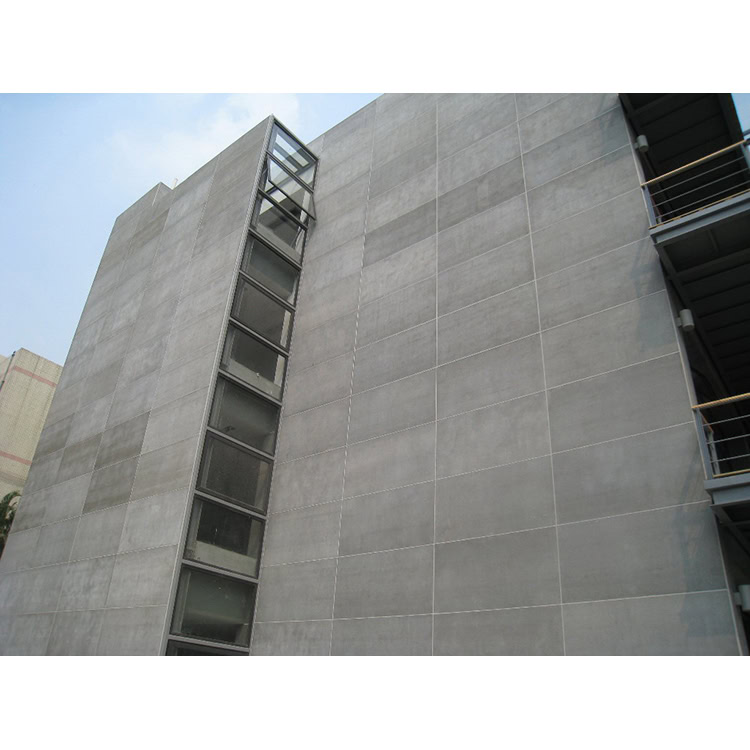
Sustainable Cleaning Comparison
| Cleaner Type | Composition | Environmental Impact | Suitable Surfaces |
|---|---|---|---|
| Citrus extract | Natural solvent | Fully biodegradable | Painted / sealed panels |
| Hydrogen peroxide | Mild oxidizer | Low footprint | Mold remediation zones |
| Mild soap solution | Surfactant & water | Minimal | Routine maintenance |
| Vinegar mix | Acidic | Use sparingly | Mineral removal areas |
I often suggest citrus‑based cleaners to clients in coastal projects. They handle salt film gently while keeping runoff harmless to plants near walls.
Does Hard Water Leave White Marks On Cement Board?
Yes, hard water leaves white mineral deposits after evaporation. These “white marks” come from calcium and magnesium ions forming on the surface.
TRUSUS chemistry insight: residue follows minerals, not materials.
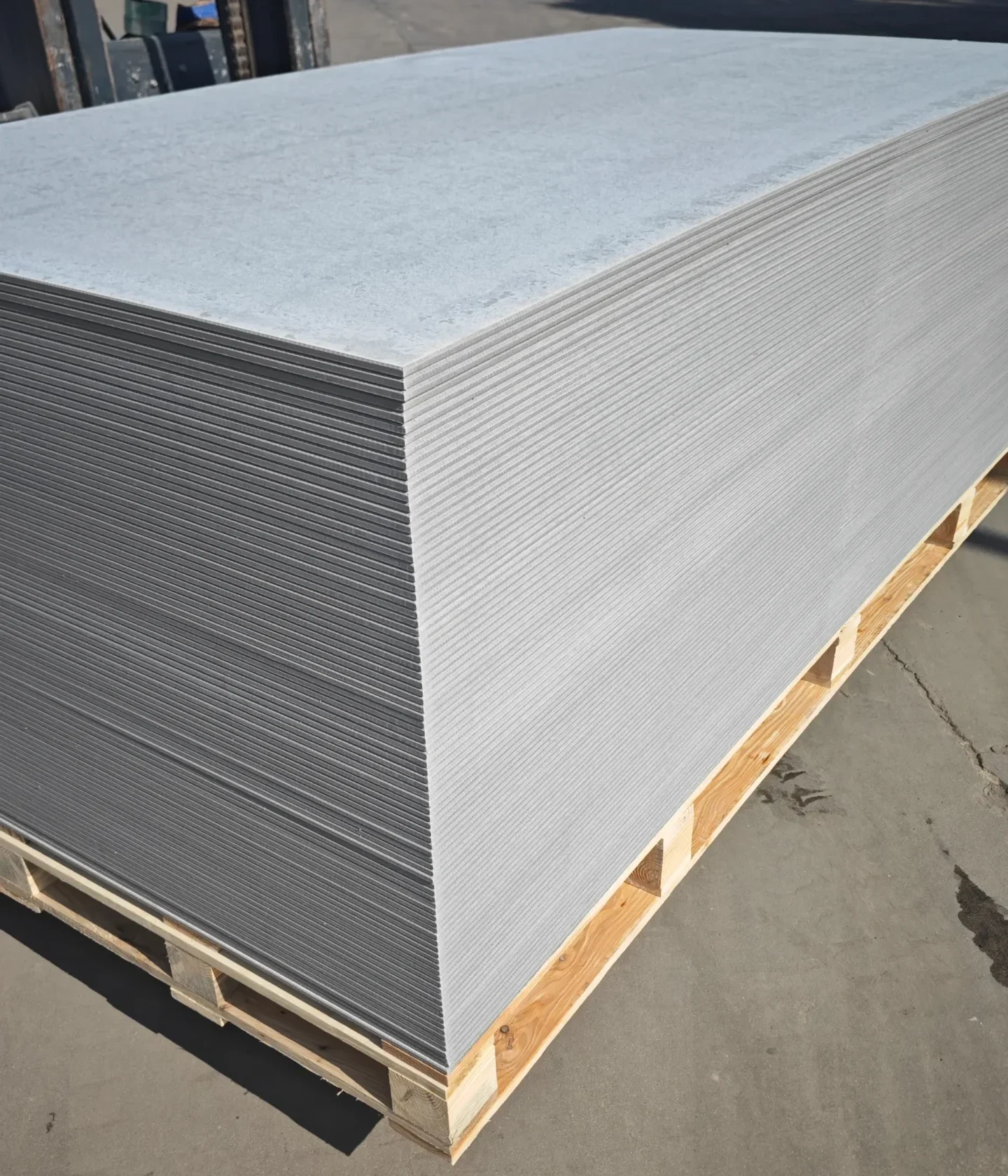
Hard‑Water Spot Solution Table
| Cause | Appearance | Cleaning Method | Prevention |
|---|---|---|---|
| Mineral deposit | White chalk film | Rinse with soft water & vinegar 1:10 | Use filtered water |
| Alkaline buildup | Dull patch | Light brush + neutral cleaner | Lower pH of rinse |
| Salt trace | Crystal edges near joints | Warm rinse & wipe dry | Reduce ocean spray exposure |
When I tested rinsing panels with softened water instead of direct tap, later inspection showed no recurring white patches. Simple chemistry made visible difference.
Conclusion
Fiber cement board cleaning is part of its ecological life, not aftercare. At TRUSUS, we believe surface preservation, sustainable solutions, and water awareness turn material durability into environmental harmony across decades.