



How To Mount Electrical Boxes In Cement Board?
Electrical boxes are usually mounted to framing behind the cement board or secured with adjustable box brackets designed for fiber cement installations. Direct fastening to the board alone is not recommended for heavy fixtures.
TRUSUS installation insight: stable mounting depends on the wall system, not only the board surface.
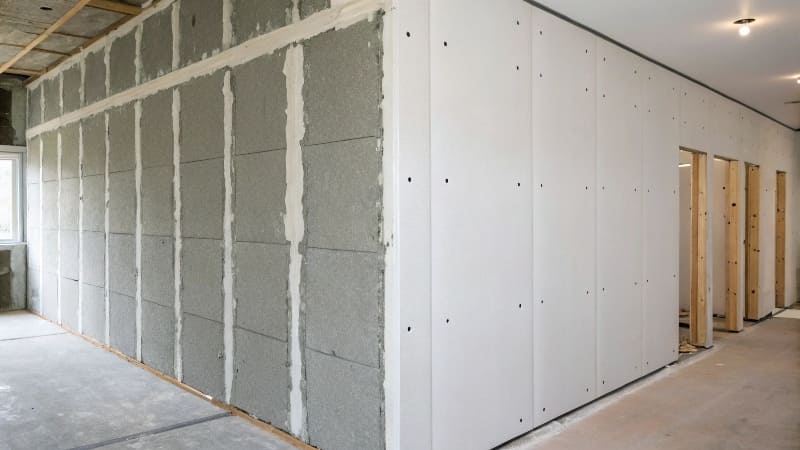
I have seen many installers treat cement board like ordinary drywall. But fiber cement behaves differently during drilling and fastening because of its density and rigidity.
For reliable installations, I recommend planning electrical box positions before panel installation. This improves alignment, reduces edge cracking risk, and creates cleaner cutouts.
Modern wall systems are becoming infrastructure platforms instead of simple partitions.
Can You Run Cabling Behind Fiber Cement Board?
Yes, cabling can run behind fiber cement board when local electrical codes are followed and the framing cavity provides proper clearance and protection. Most installations place wiring inside stud cavities behind the board.
TRUSUS system insight: fiber cement boards are increasingly part of integrated building systems.
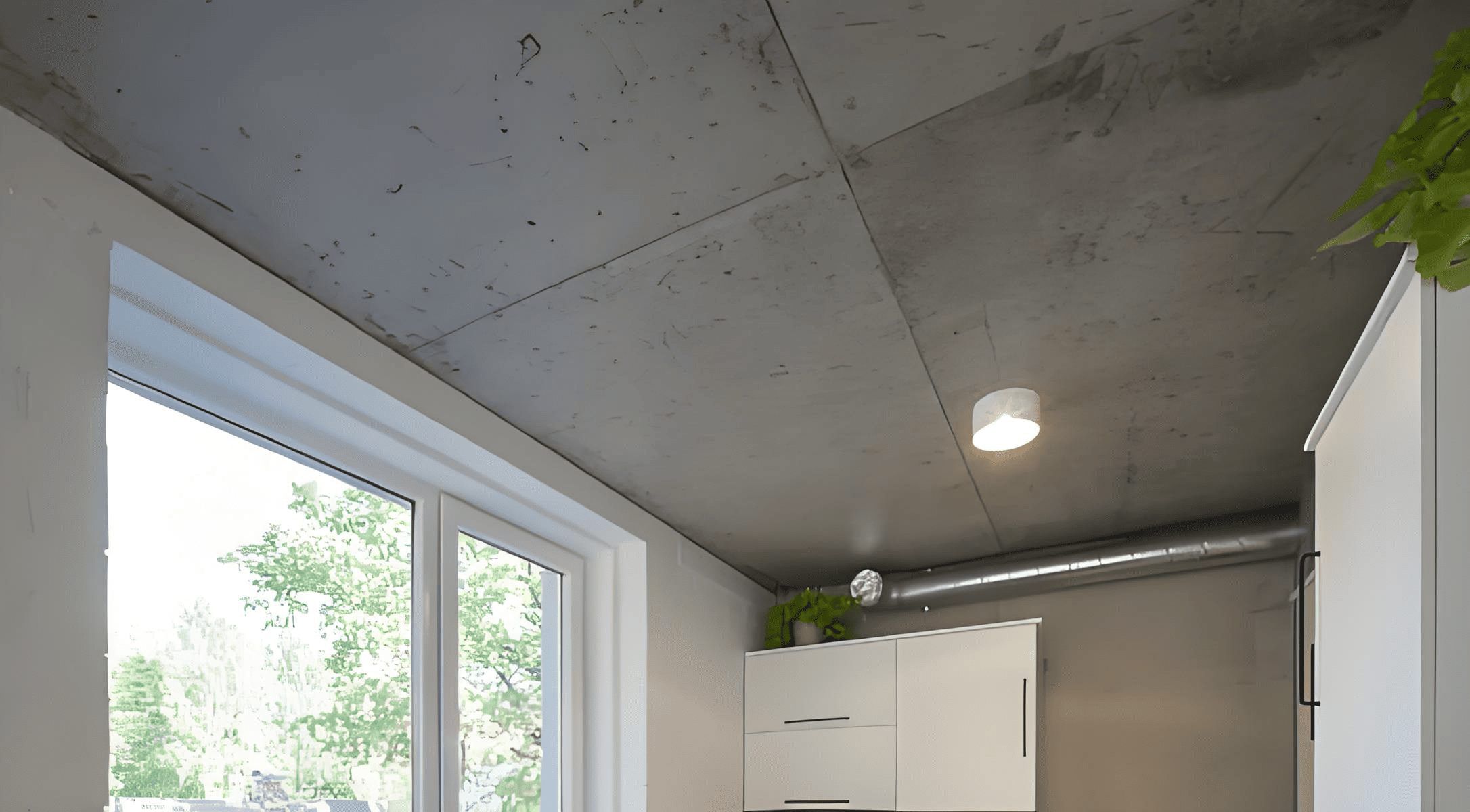
Wall Cavity Integration Guide
| System Component | Function |
|---|---|
| Steel or wood studs | Create cable cavity space |
| Conduit or protective sleeve | Protect electrical wiring |
| Cement board surface | Moisture and fire resistance |
| Access planning | Supports future maintenance |
Years ago, walls mainly separated rooms. Today, they also support electrical systems, smart controls, communication lines, and hidden infrastructure.
That change is reshaping how we design cement boards.
When cabling runs behind fiber cement panels, installers must consider:
- Ventilation around wiring
- Moisture management
- Access for future maintenance
- Compatibility with electrical standards
The value of modern building materials now comes from system coordination as much as material durability.
Is Fiber Cement Board Conductive To Electricity?
Fiber cement board is generally not electrically conductive under normal dry conditions. It is considered a non‑metallic building material, though moisture and embedded fasteners can affect surrounding electrical conditions.
TRUSUS safety insight: customers now evaluate building materials as part of larger safety systems.
Electrical Safety Factors
| Material Property | Impact |
|---|---|
| Non‑metallic composition | Low electrical conductivity |
| Moisture exposure | Can affect nearby systems |
| Metal fasteners | Require grounding compliance |
| Installation quality | Critical for long‑term safety |
I find this question especially interesting because it reflects a major market shift.
In the past, customers mainly focused on:
- Fire resistance
- Water resistance
- Strength performance
Now they ask about:
- Electrical compatibility
- Long‑term safety
- Integrated system reliability
This means fiber cement boards are no longer viewed as passive surfaces. They are becoming active parts of modern building infrastructure.
Future material competition will depend not only on strength values, but also on how safely products interact with electrical and smart building systems.
Best Hole Saw For Fiber Cement Board Outlets?
The best hole saws for fiber cement board are diamond grit or carbide‑tipped hole saws designed for abrasive materials. They create cleaner cuts, reduce cracking, and last longer than standard wood hole saws.
TRUSUS tooling insight: installation efficiency is becoming part of material performance.
Hole Saw Comparison
| Hole Saw Type | Performance On Fiber Cement | Recommended Use |
|---|---|---|
| Diamond grit | Excellent durability | Frequent professional use |
| Carbide‑tipped | Good balance of speed and cost | Standard installations |
| Standard bi‑metal | Fast wear | Occasional light work |
| Wood cutting hole saw | Poor performance | Not recommended |
Construction sites today demand:
- Faster installation
- Cleaner cut edges
- Lower dust generation
- Reduced rework
Because of this, “easy installation” has become an important product advantage.
I remember older projects where workers manually shaped outlet openings with basic cutting tools. Now, contractors expect precision and repeatability because labor efficiency directly affects project costs.
That is changing how manufacturers think about product design.
The next generation of fiber cement boards must not only resist weather and fire. They must also support cleaner, faster, and more integrated construction workflows.
Conclusion
At TRUSUS, I see fiber cement board evolving beyond simple wall protection. It is becoming a functional interface layer that supports electrical systems, smart infrastructure, efficient installation, and long‑term building integration.