



How To Measure And Mark Fiber Cement Board Accurately?
Accurate fiber cement board measurement starts with a steel tape, framing square, and clear marking lines. Most professionals allow a 1–3 mm expansion gap and double-check dimensions before cutting to reduce waste and installation problems.
TRUSUS fabrication insight: precise layout work has become critical because modern projects demand cleaner finishes and tighter installation tolerances.
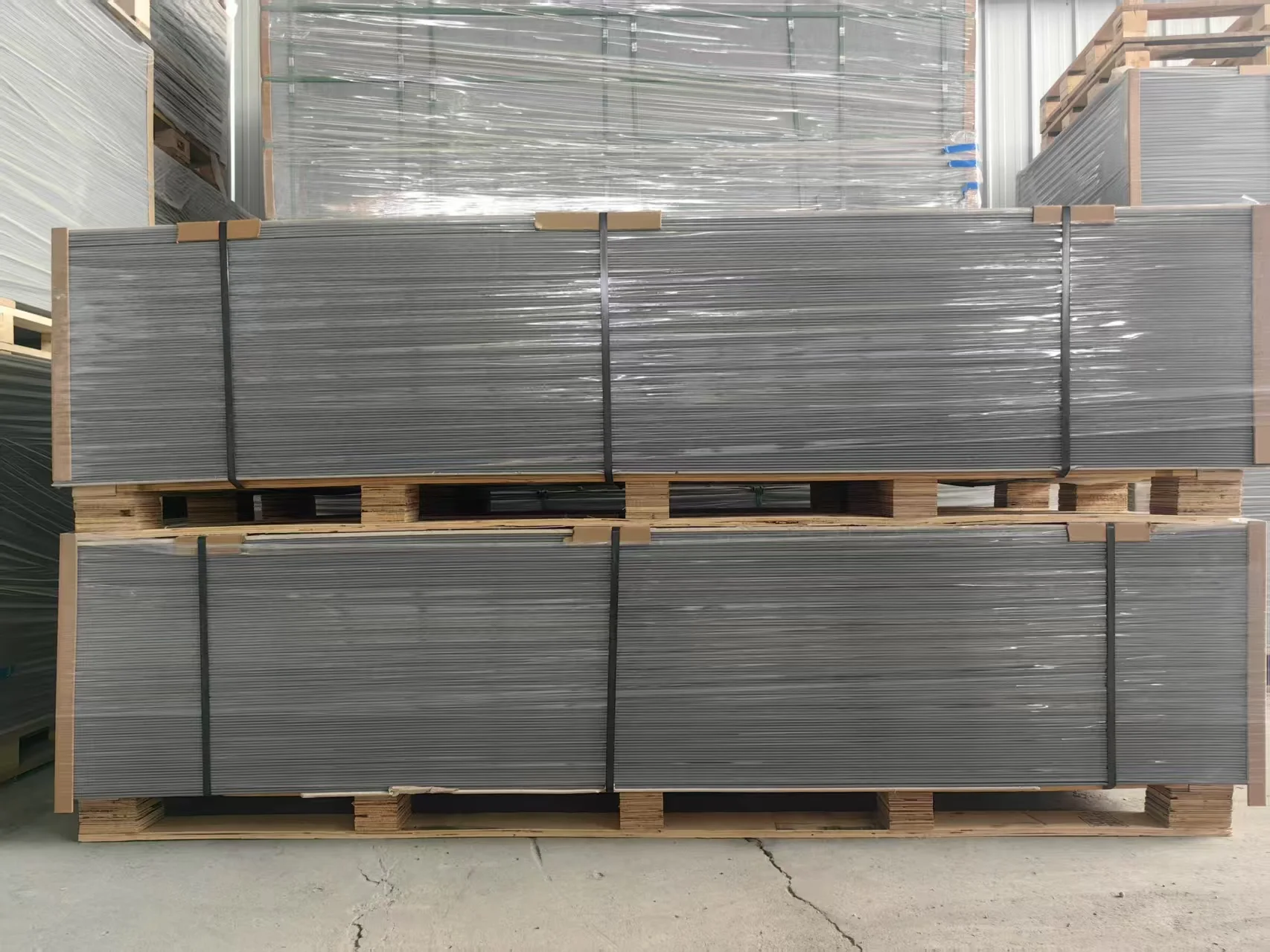
I increasingly see contractors focus on cutting precision because high-end projects now require better alignment, cleaner joints, and lower material waste.
Good cutting starts long before the saw touches the board.
Recommended Measuring Tools
| Tool | Main Purpose |
|---|---|
| Steel tape measure | Accurate dimension checking |
| Framing square | Straight corner layout |
| Chalk line | Long cutting lines |
Reliable tools improve consistency.
Best Marking Methods
| Marking Tool | Recommended Use |
|---|---|
| Pencil | General marking |
| Carbide scribe | Precise scoring lines |
| Fine-tip marker | Complex layouts |
Clear marks reduce cutting errors.
Accuracy Recommendations
| Application Type | Suggested Tolerance |
|---|---|
| Standard wall panels | ±2 mm |
| Decorative applications | Tighter precision |
| Complex shapes | Template recommended |
Precision depends on project requirements.
Common Measuring Mistakes
| Mistake | Result |
|---|---|
| Measuring from damaged edges | Incorrect dimensions |
| Ignoring expansion gaps | Future cracking risk |
| Poor line visibility | Uneven cuts |
Simple layout errors create installation problems.
Why Templates Help Complex Cuts
| Template Benefit | Effect |
|---|---|
| Repeated accuracy | Faster installation |
| Reduced waste | Lower material cost |
| Better shape consistency | Improved appearance |
Templates improve repeatability.
Why Precision Is Becoming More Important
| Traditional Site Cutting | Modern Precision Installation |
|---|---|
| Basic field adjustment | Controlled fabrication standards |
| Wide installation tolerance | Tight alignment requirements |
| Functional-only focus | Performance and appearance focus |
Construction quality increasingly depends on fabrication accuracy.
The Industry Shift Behind Measurement Questions
| Traditional Material Supply | Modern Technical Support Industry |
|---|---|
| Product delivery focus | Precision-installation support |
| Basic installation guidance | Process-standard guidance |
| Generic construction methods | Specialized fabrication systems |
I increasingly believe precision-support services will become a major value area for building material suppliers.
What Is The "Score And Snap" Method For Cement Board?
The score-and-snap method is a cutting technique where the board surface is deeply scored with a carbide knife and then snapped along the line. This method works best for straight cuts on thinner fiber cement boards, usually between 6 mm and 12 mm thick.
TRUSUS cutting insight: score-and-snap cutting remains one of the fastest and cleanest methods for controlled straight-line fabrication.
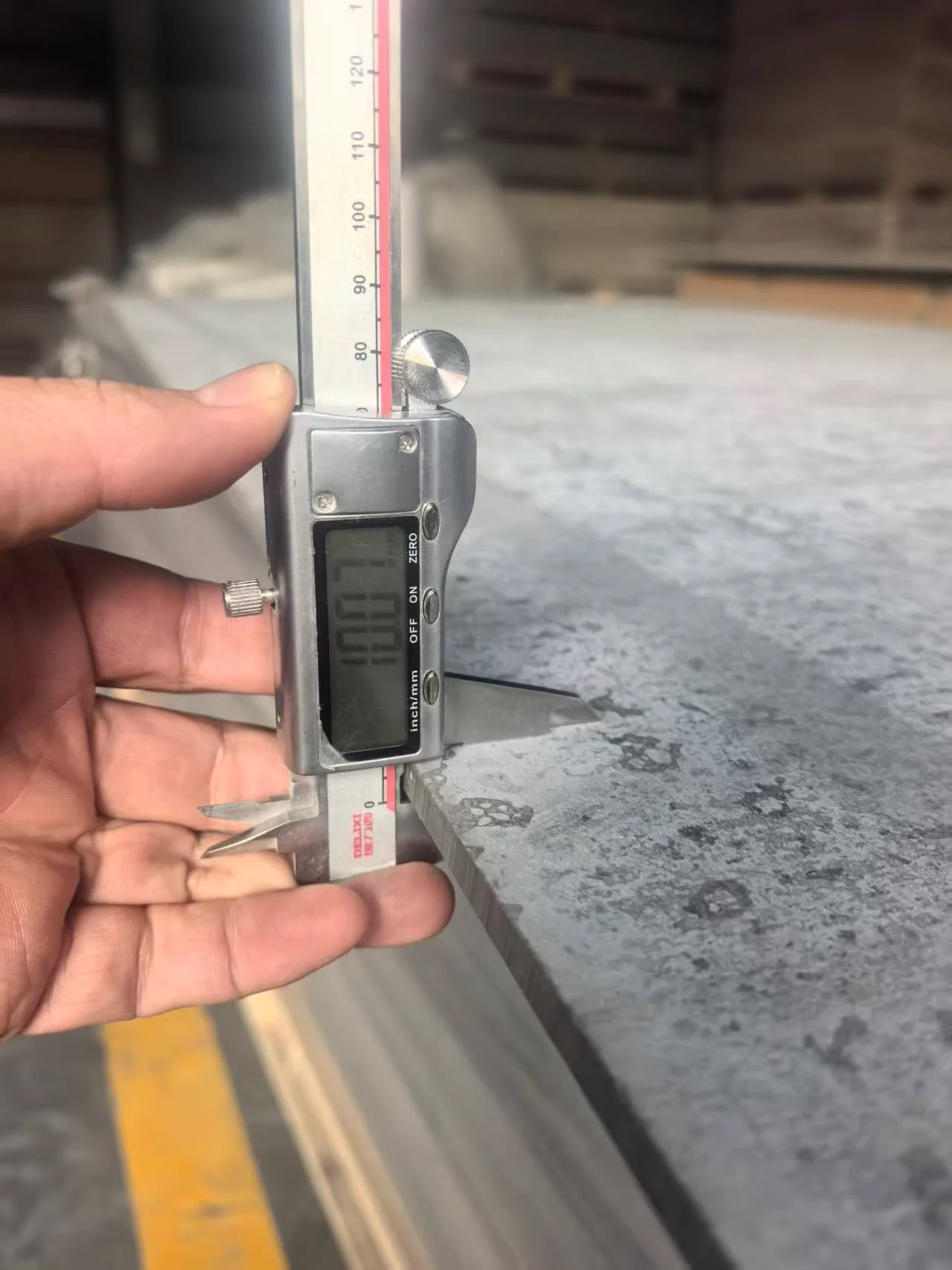
I increasingly see installers return to manual cutting methods because they reduce dust, simplify field work, and improve jobsite safety.
Simple methods still have strong value.
Basic Score-And-Snap Process
| Step | Action |
|---|---|
| Step 1 | Mark cutting line |
| Step 2 | Score deeply with carbide knife |
| Step 3 | Align edge and snap board |
Controlled force improves break quality.
Recommended Scoring Depth
| Board Thickness | Suggested Scoring Depth |
|---|---|
| 6 mm board | About one-third thickness |
| 8–12 mm board | Multiple scoring passes |
Deeper scoring creates cleaner breaks.
Advantages Of Score-And-Snap Cutting
| Advantage | Benefit |
|---|---|
| Low dust generation | Cleaner work area |
| Fast setup | Better productivity |
| Minimal power tools | Lower equipment cost |
The method works well on many job sites.
Limitations Of The Method
| Limitation | Impact |
|---|---|
| Curved cuts difficult | Limited shape flexibility |
| Thick boards harder to snap | Increased edge roughness |
| Poor scoring accuracy | Uneven break line |
The method works best for straight layouts.
Recommended Edge Finishing
| Finishing Tool | Purpose |
|---|---|
| Sandpaper | Smooth edge cleanup |
| Metal file | Refined edge shaping |
| Rasp tool | Fast rough correction |
Edge finishing improves installation quality.
Why Dust Reduction Matters More Today
| Traditional Cutting Practice | Modern Safety Practice |
|---|---|
| High airborne dust tolerance | Controlled silica exposure |
| Limited protective equipment | Full safety compliance |
| Speed-focused cutting | Health-focused fabrication |
Jobsite safety standards continue increasing.
The Industry Evolution Behind Score-And-Snap Questions
| Traditional Construction Industry | Modern Professional Installation Industry |
|---|---|
| Rough field fabrication | Controlled fabrication standards |
| Tool-driven installation | Process-driven installation |
| Basic productivity focus | Balanced quality and safety focus |
I increasingly see low-dust cutting methods become part of professional installation standards.
How To Make Circular Cuts In Fiber Cement Board?
Circular cuts in fiber cement board are usually made with a diamond-blade angle grinder, carbide hole saw, or jigsaw with cement-board blades. The best method depends on hole size, edge quality requirements, and installation conditions.
TRUSUS fabrication insight: circular cutting quality directly affects plumbing, electrical, and finishing accuracy in modern construction.
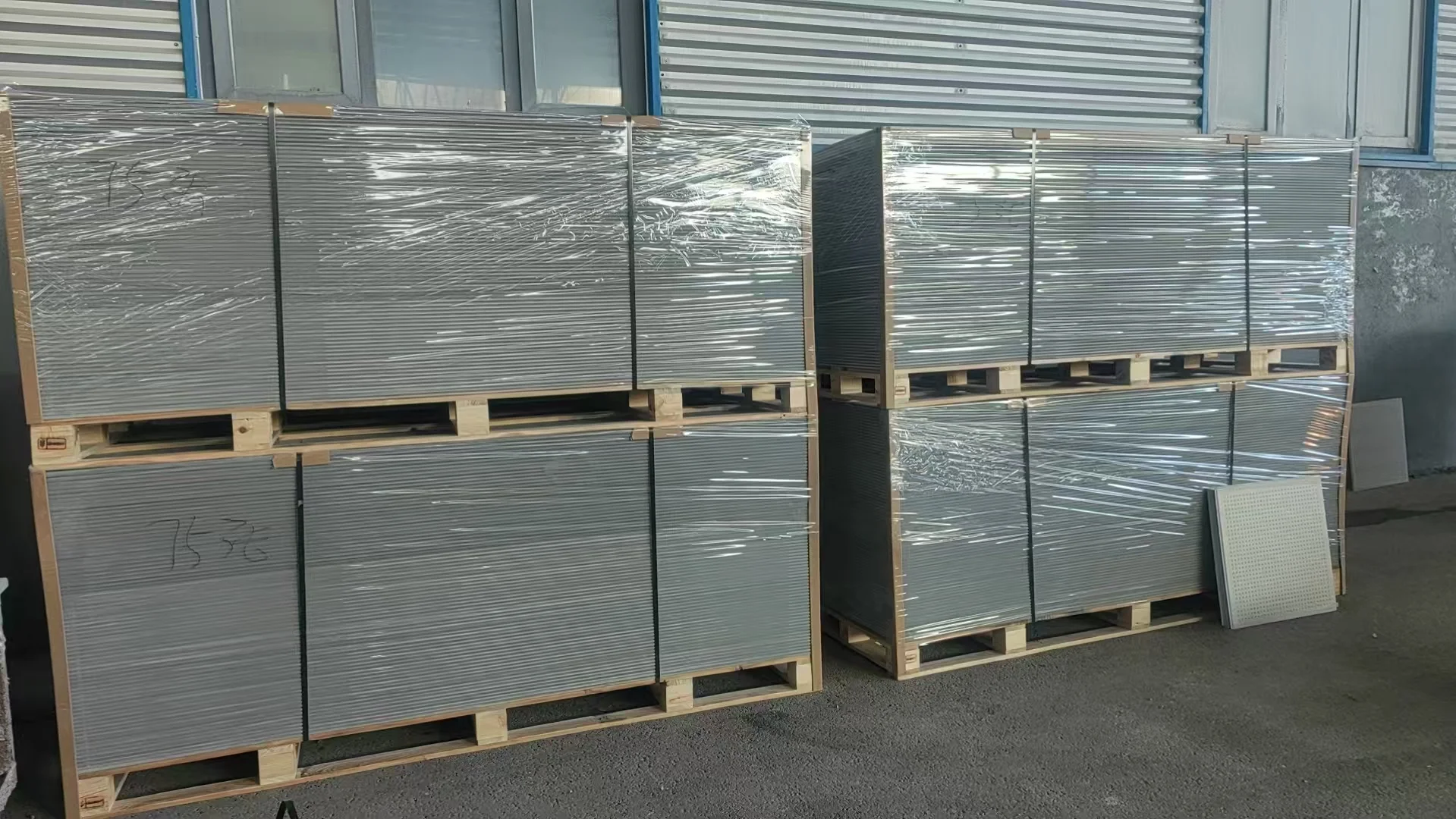
I increasingly see installers use more specialized tools because modern building systems require cleaner openings and tighter fit tolerances.
Precision openings reduce installation rework.
Best Tools For Circular Cuts
| Tool | Best Application |
|---|---|
| Carbide hole saw | Small openings |
| Angle grinder | Medium and large holes |
| Jigsaw with cement blade | Irregular curves |
Tool choice depends on cut complexity.
Recommended Circular-Cutting Process
| Step | Purpose |
|---|---|
| Mark center point | Layout accuracy |
| Drill pilot hole | Blade entry point |
| Cut slowly along line | Cleaner edge quality |
Controlled cutting improves results.
Common Circular-Cutting Mistakes
| Mistake | Result |
|---|---|
| Excessive cutting speed | Edge chipping |
| Weak board support | Cracking risk |
| Incorrect blade type | Rough finish |
Proper support improves stability.
Why Edge Quality Matters
| Installation Area | Edge Importance |
|---|---|
| Plumbing penetrations | Seal quality |
| Electrical boxes | Appearance control |
| Ventilation openings | Tight fit accuracy |
Clean cuts improve final installation.
Safety Recommendations For Circular Cutting
| Safety Measure | Benefit |
|---|---|
| Dust mask or respirator | Silica protection |
| Eye protection | Debris safety |
| Vacuum dust collection | Cleaner environment |
Safety equipment should always be used.
Why Specialized Cutting Is Growing
| Traditional Construction Practice | Modern Precision Fabrication |
|---|---|
| Rough utility openings | Controlled precision openings |
| General-purpose cutting tools | Application-specific tools |
| Manual correction after cutting | Accurate first-pass fabrication |
Higher-quality projects demand cleaner workmanship.
The Industry Shift Behind Circular-Cutting Questions
| Traditional Building Material Market | Modern Technical-Service Market |
|---|---|
| Product-selling focus | Fabrication-support focus |
| Basic installation support | Precision-cutting guidance |
| Generic construction knowledge | Specialized application expertise |
I increasingly believe technical cutting support will become part of advanced building-material service systems.
What Tool Is Best For Cutting Notches In Cement Board?
A jigsaw with a carbide or diamond-grit cement-board blade is usually the best tool for cutting notches in fiber cement board. For larger or rough notches, installers often combine an angle grinder for rough cutting with hand tools for edge finishing.
TRUSUS cutting insight: notch-cutting accuracy strongly affects panel fit, structural alignment, and installation appearance.
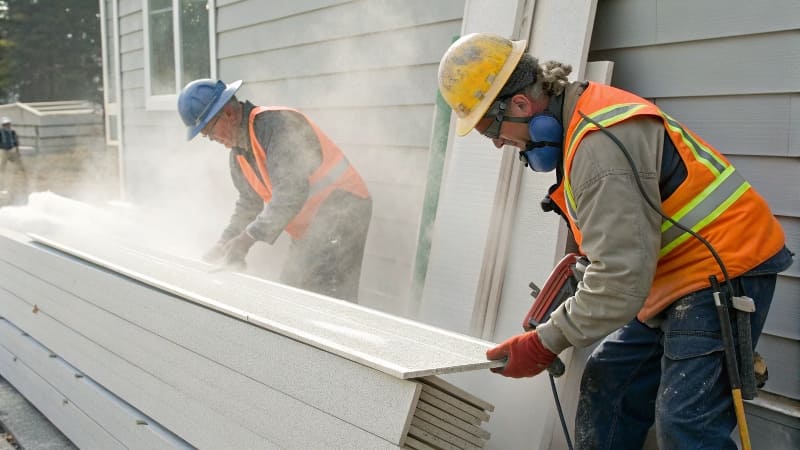
I increasingly see notch details receive more attention because modern installations leave less room for field correction and visual imperfections.
Small details now influence project quality perception.
Recommended Notch-Cutting Tools
| Tool | Main Use |
|---|---|
| Jigsaw | Controlled detailed cuts |
| Angle grinder | Fast rough shaping |
| Hand file or rasp | Edge refinement |
Different tools serve different stages.
Best Practices For Notch Cutting
| Practice | Benefit |
|---|---|
| Support board fully | Reduced cracking |
| Cut slowly | Better edge quality |
| Finish edges manually | Cleaner fit |
Controlled cutting improves precision.
Common Notch Applications
| Application | Purpose |
|---|---|
| Pipe penetrations | Utility routing |
| Structural intersections | Framing clearance |
| Electrical installations | Box positioning |
Precise notches simplify installation.
Why Blade Selection Matters
| Blade Type | Performance |
|---|---|
| Carbide-grit blade | Long durability |
| Diamond-grit blade | Cleaner cuts |
| Standard wood blade | Poor performance |
Incorrect blades increase damage risk.
Why Professional Tool Systems Matter
| Traditional Site Work | Modern Professional Fabrication |
|---|---|
| One-tool-for-all approach | Specialized tool systems |
| Rough-fit installation | Precision-fit installation |
| Reactive correction methods | Planned fabrication methods |
Tool quality increasingly affects labor efficiency.
The Industry Evolution Behind Notch-Cutting Questions
| Traditional Construction Industry | Modern Technical Construction Industry |
|---|---|
| Manual field adjustment | Precision fabrication workflow |
| Material-focused thinking | Process-focused thinking |
| Basic installation standards | High-finish workmanship standards |
I increasingly see fabrication knowledge becoming as valuable as the material itself.
Conclusion
At TRUSUS, I see fiber cement board evolving from a simple construction material into a precision fabrication system. Future industry value will come from cutting accuracy, process standardization, technical training, and the ability to combine material performance with professional craftsmanship.