




How to Make Polished Cement Board Look Better?
Polished cement boards look better when you enhance surface density, consistency, and reflection balance. True polish comes from internal compaction—not just surface gloss sprays.
TRUSUS insight: real beauty is built into the material, not applied on top of it.
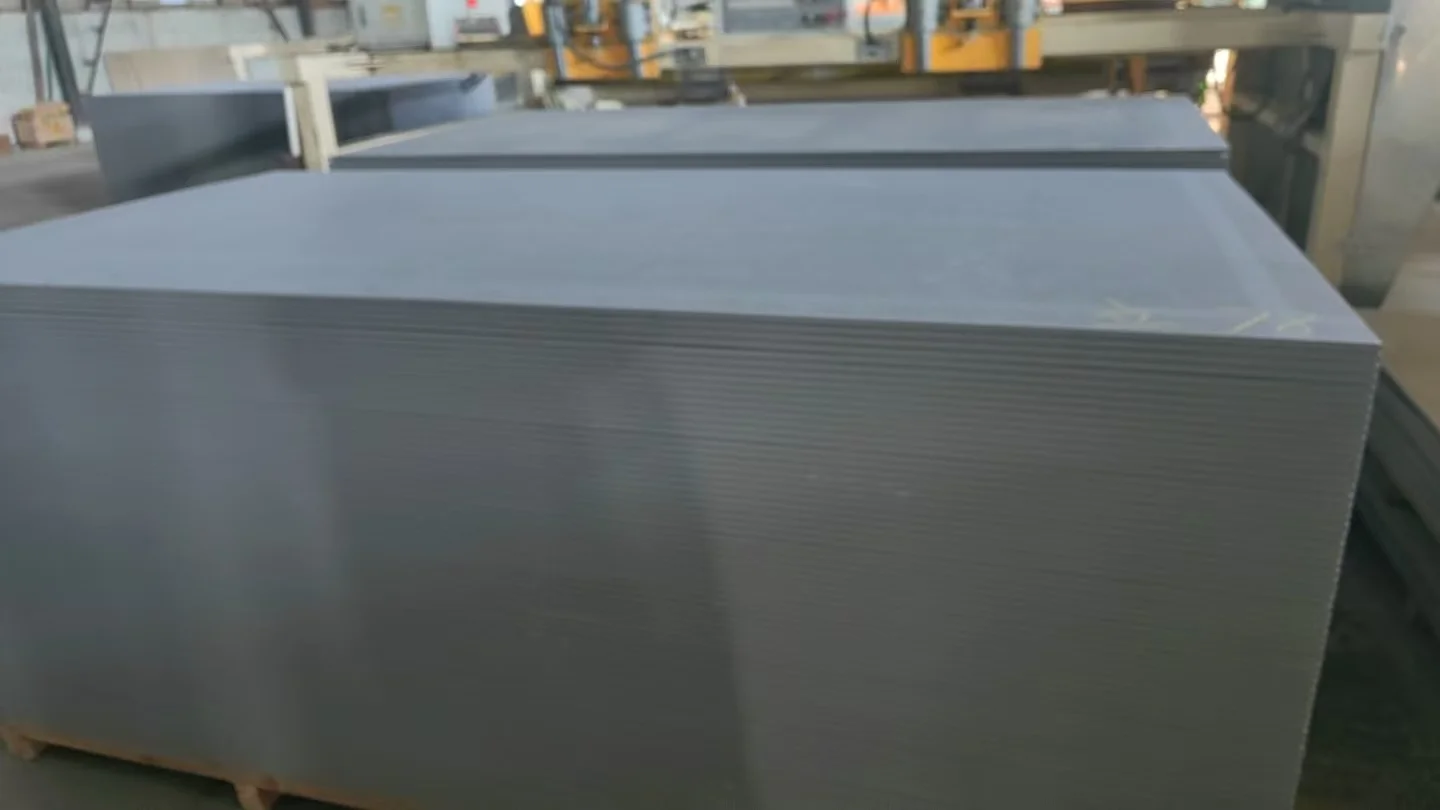
Use mechanical refinement to close micro pores, apply a penetrating hardener, and maintain equal pressure polishing. The goal is even density across the board, not exaggerated shine.
How to Keep Polished Cement Board Shiny?
You keep polished cement boards shiny by managing surface density and sealing micro pores on a regular cycle. Shine fades when moisture and salts interfere with surface uniformity.
TRUSUS material insight: keeping shine means protecting density, not forcing gloss.
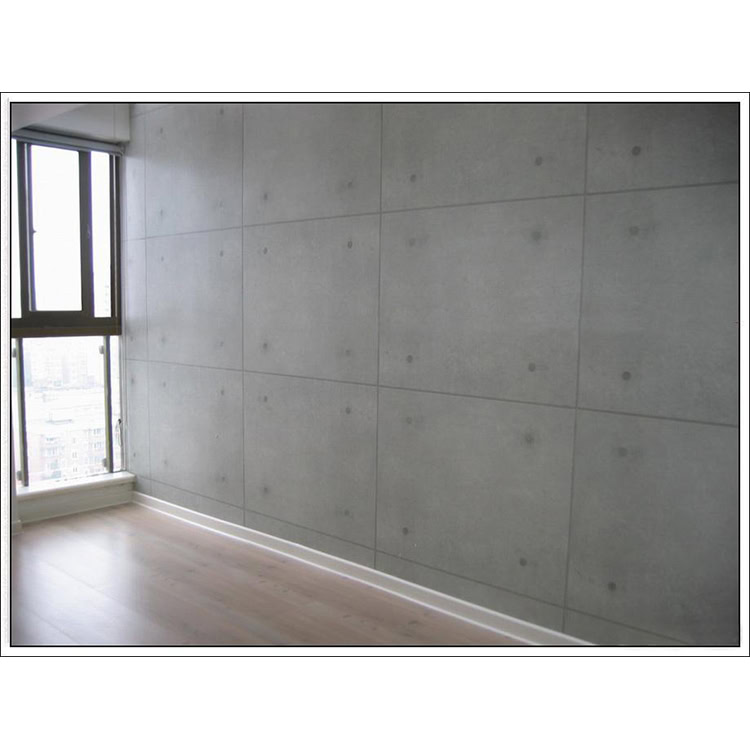
Shine Maintenance System
| Phase | Action | Frequency | Result |
|---|---|---|---|
| Cleaning | Mild neutral cleaner | Weekly | Prevents residue build-up |
| Micropore Sealing | Breathable sealer or densifier | 12–24 months | Restores compactness |
| Buffing | Low-speed pad polishing | Quarterly | Refreshes reflection layer |
Environmental Interaction
| Factor | Effect on Shine | Recommended Response |
|---|---|---|
| High humidity | Salt and moisture marks | Dehumidify, reapply sealer |
| Direct sunlight | Uneven fading | Use UV-resistant finish |
| Coastal air | Surface dulling | Apply anti-corrosive coating below layer |
Polished cement’s glow is a conversation between density and environment. Good sealing renews that structural dialogue.
How Often Does Polished Cement Board Need to Be Sealed?
Polished cement boards should be sealed every 12–24 months, depending on traffic, humidity, and sun exposure. Proper sealing protects shine and preserves internal pore balance.
TRUSUS maintenance insight: sealing is not repair—it’s the regular heartbeat of material protection.
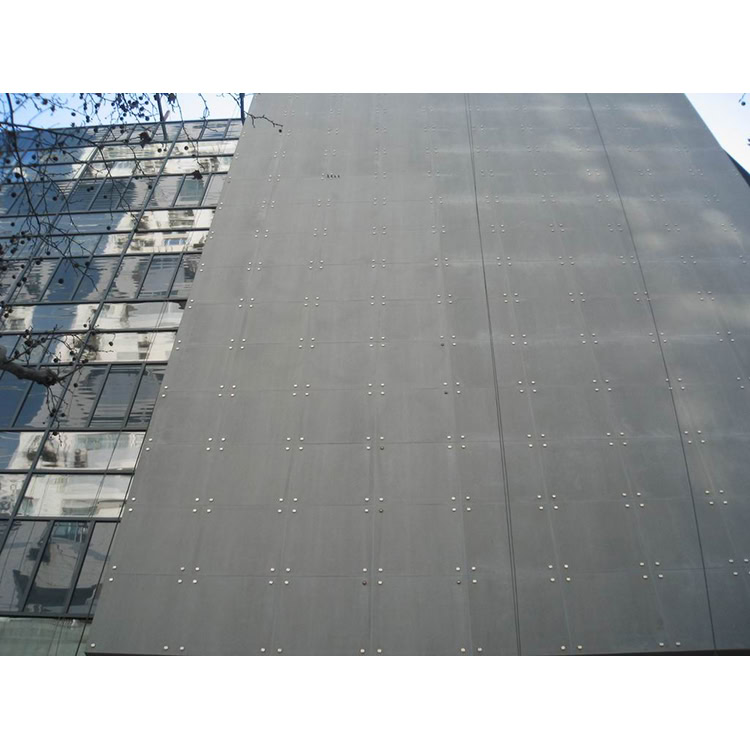
Sealing Schedule Recommendation
| Environment | Suggested Interval | Key Product Type |
|---|---|---|
| Indoor Dry | 24 months | Silicate densifier |
| Tropical Outdoor | 12 months | Breathable acrylic sealer |
| Coastal Area | 12 months | Anti-salt, UV stable sealer |
Sealant Function Logic
| Role | Benefit | Long-Term Value |
|---|---|---|
| Pore Closure | Reduces water intrusion | Prevents stains |
| Reflective Consistency | Keeps internal gloss | Maintains surface depth |
| Breathability | Allows vapor escape | Prevents blistering |
A good sealer does more than shine—it keeps the board breathing safely.
How Do You Protect Polished Cement Board?
You protect polished cement boards by using a breathable sealing system, proper cleaning routine, and balanced air exchange. Protection is about managing moisture migration, not trapping it.
TRUSUS technical insight: let the board breathe—seal water out, let vapor escape.
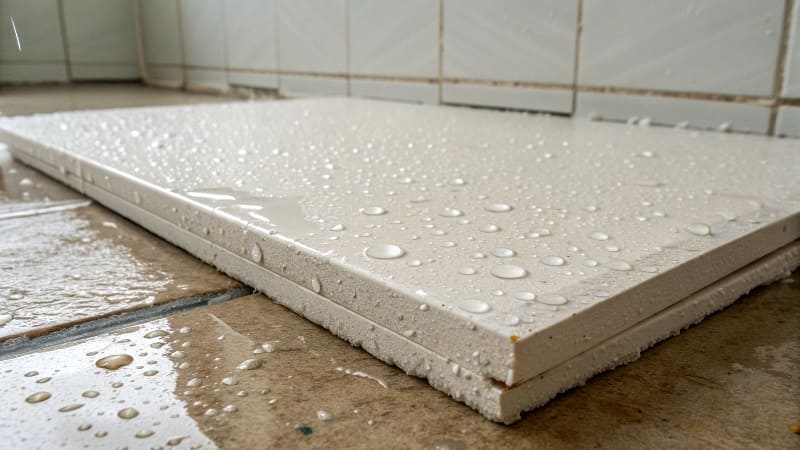
Protective Layer System
| Layer | Function | Recommendation |
|---|---|---|
| Primer Layer | Adhesion base, anti-corrosion | Apply before sealing |
| Breathable Sealer | Moisture shield, allows vapor flow | Main protection coat |
| Top Maintenance Layer | Light-reflective polish coat | Use for finish protection |
Environmental Protection Keys
| Climate | Risk | Solution |
|---|---|---|
| Humid tropical | Moisture blushing | Vapor-permeable sealer |
| Dry heat | Micro cracking | Flexible densifier |
| Dusty urban | Surface haze | Neutral pH cleaning |
A protection system should isolate harsh conditions while keeping internal balance. That is the art of sustainable polish.
Conclusion
Polished cement board beauty is not a surface effect—it’s a living density managed through science and rhythm. TRUSUS believes polish should evolve with time, not fade under it. When we seal, clean, and let the board breathe properly, the shine stops being decoration and becomes endurance—the visible soul of a strong, intelligent surface.
