




What Is the Density of Fiber Cement Board?
The density of fiber cement board ranges from 1.2 to 1.8 g/cm³, depending on its composition, compression level, and curing process. Lower densities improve flexibility and workability, while higher densities enhance strength and impact resistance. The best density depends on the intended use—interior, exterior, or structural cladding.
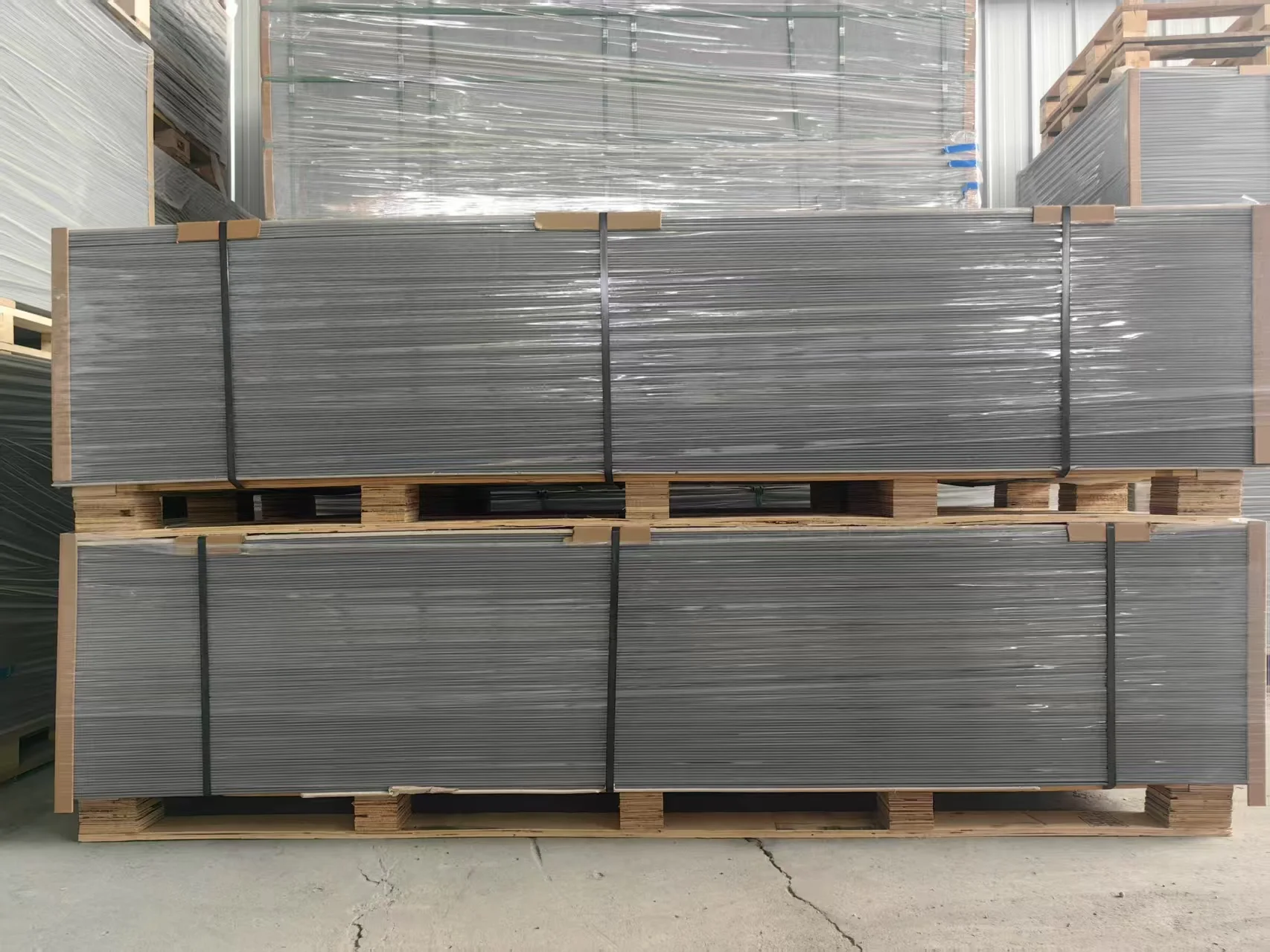
The density number itself doesn’t define quality. The right product comes from how the density matches the building purpose.
What Is the Difference Between Medium-Density and High-Density Fiber Cement Board?
The main difference lies in strength versus workability. Medium-density boards are lighter, easier to cut and install, and offer good surface stability. High-density boards are tougher, more rigid, and better for high-impact or exterior environments but require more effort to handle and install.
Medium = flexible and workable.
High = solid and durable.
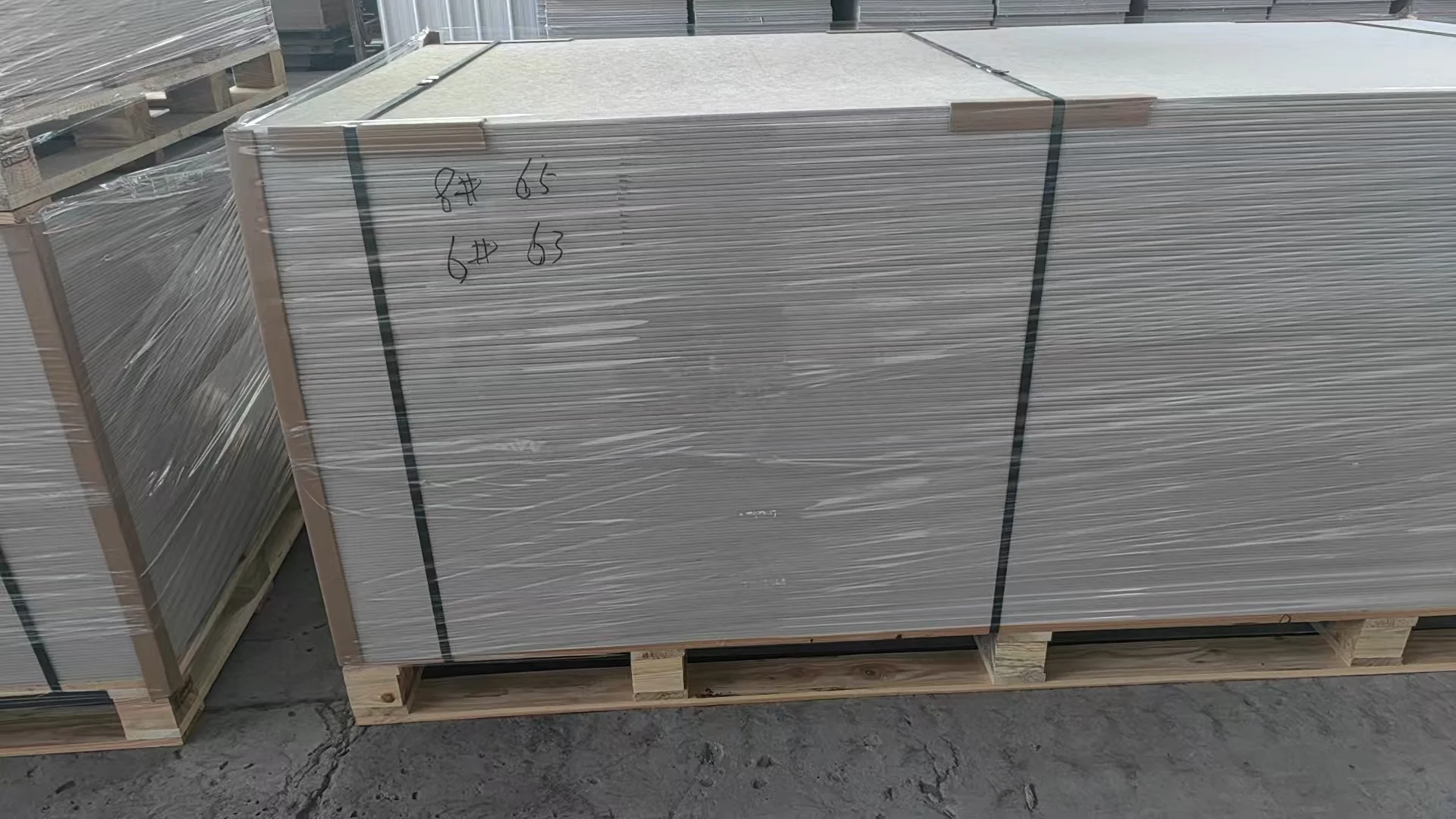
Density Category Comparison
| Property | Medium-Density Board | High-Density Board |
|---|---|---|
| Density (g/cm³) | 1.2–1.5 | 1.6–1.8 |
| Weight | Moderate | Heavy |
| Cutting & Processing | Easy | Requires diamond tools |
| Impact Resistance | Moderate to high | Very high |
| Water Absorption Rate | Low | Very low |
| Preferred Use | Indoor, partitions | Exterior, cladding |
| Cost | Lower | Higher |
| Acoustic Performance | Good | Excellent |
Medium-density boards balance toughness and convenience. High-density boards target environments where durability matters above all else.
Application Scenarios
| Area | Recommended Board | Purpose |
|---|---|---|
| Interior partition | Medium-density | Workability + finishing |
| Outdoor façade | High-density | Weather resilience |
| Wet zone wall | Medium/high | Moisture resistance |
| Fire-rated cladding | High-density | Structural fire safety |
Each density represents a different strategy of performance, not a superiority contest.
What Are the Disadvantages of High-Density Cement Board?
High-density cement boards provide excellent performance, but they come with trade-offs. They’re heavier, harder to cut or drill, and cost more to install. Their rigidity reduces flexibility in irregular or lightweight frame assemblies. The advantages come at the price of labor and logistics.
High density adds toughness—but sacrifices workability and cost efficiency.
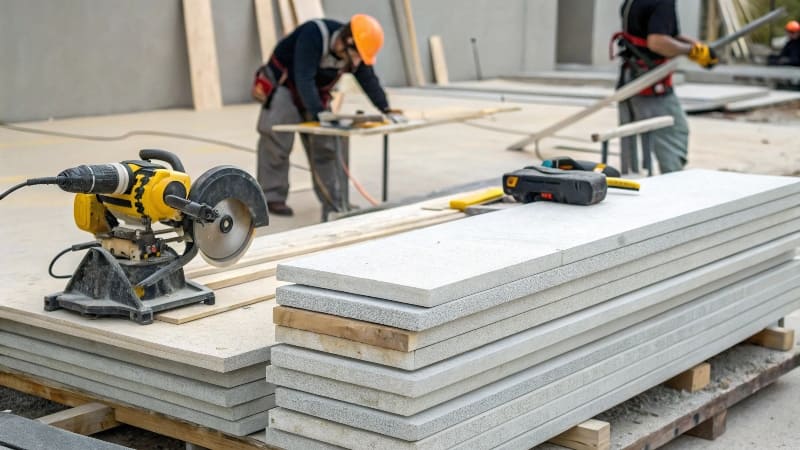
Drawback Analysis
| Issue | Description | Workaround |
|---|---|---|
| Heavy weight | Harder to lift and fix | Use stronger framing |
| Cutting difficulty | Needs special saw blades | Diamond-tip blade required |
| Increased cost | Higher raw material ratio | Use only where required |
| Limited flexibility | Rigid when installed | Plan early layout |
| Fastener wear | Strong material dulls tools | Use suitable power drivers |
When to Avoid High-Density Boards
| Situation | Reason to Avoid |
|---|---|
| Light steel framing | May overload structure |
| Frequent remodeling | Difficult to cut or adjust |
| Budget-sensitive project | Raises cost and time |
| Curved wall systems | Lacks bending tolerance |
So, while high-density cement boards shine in demanding environments, their value lies in pairing engineering need with efficiency, not in using maximum density everywhere.
Does High Density Mean Thick?
No, high density does not mean thick. Thickness refers to the board’s dimension, while density measures how compact the material is inside the same volume. You can have two boards of equal thickness but different densities—and they will perform very differently in stiffness, weight, and impact strength.
Density = compactness, not size.
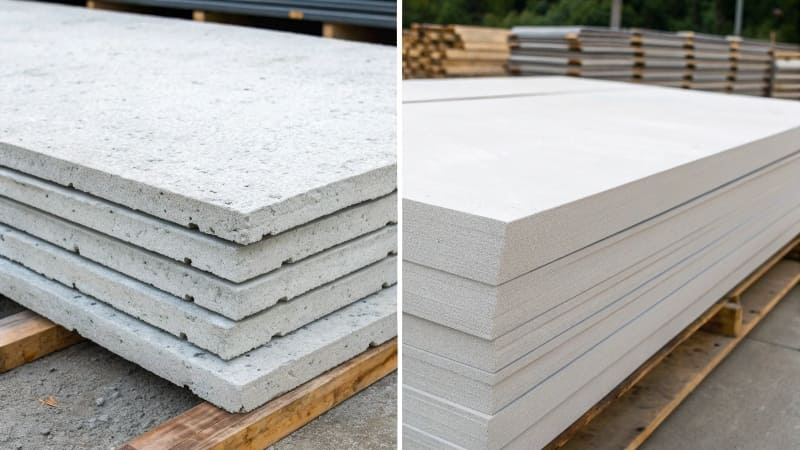
Density vs Thickness Matrix
| Density Type | Typical Thickness Range | Key Benefit |
|---|---|---|
| Low-density | 6–10 mm | Light, easy for ceilings |
| Medium-density | 8–12 mm | Balanced performance |
| High-density | 8–20 mm | Strong and stable |
| Ultra-high | 12–25 mm | Structural exterior panels |
Example Insight
| Example | Density | Thickness | Effect |
|---|---|---|---|
| Interior wall panel | Medium (1.35 g/cm³) | 9 mm | Easy to cut |
| Exterior façade board | High (1.7 g/cm³) | 12 mm | Impact resistant |
| Fire-rated partition | High (1.65 g/cm³) | 15 mm | Antifire architecture |
Thickness increases sound insulation and support area, but density locks the material’s inner durability and resistance.
Conclusion
Fiber cement board density ranges between 1.2–1.8 g/cm³. Medium-density boards are flexible, workable, and efficient; high-density boards are hard, stable, and durable. Yet, higher density means heavier weight and tougher installation, not greater thickness. The real value of density lies in how it serves the environment and construction purpose. For TRUSUS, fiber cement boards embody the balance between weight, strength, workability, and design intent—a philosophy where density becomes not just a metric, but a deliberate choice in building smarter, longer-lasting systems.
