



How To Install Z-Flashing With Fiber Cement Board?
Z-flashing should be installed above horizontal fiber cement board joints to direct water away from the wall cavity and protect the board edges from moisture buildup. Proper overlap, slope, and material compatibility are critical for long-term performance.
TRUSUS waterproofing insight: Z-flashing is not a simple metal accessory. It is part of the wall’s water management system.
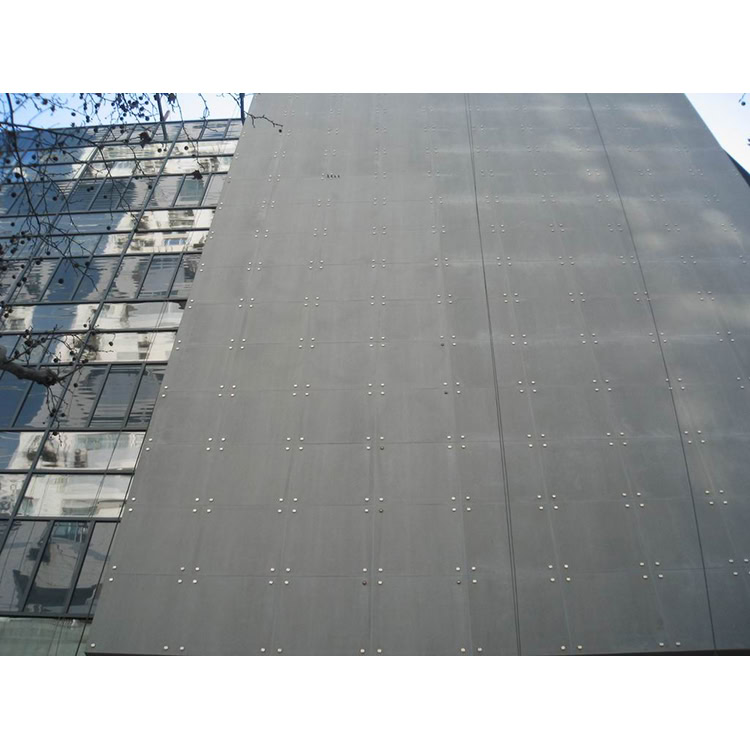
Many installers still treat Z-flashing as a minor finishing detail.
But after years in the fiber cement board industry, I have learned that flashing design often determines the true lifespan of the wall system.
Basic Z‑Flashing Installation Steps
| Step | Purpose |
|---|---|
| Install weather barrier first | Protect wall cavity |
| Position flashing above joint | Redirect water outward |
| Maintain outward slope | Improve drainage |
| Overlap correctly | Prevent backflow |
| Seal critical transitions | Reduce water intrusion |
The main role of Z-flashing is simple:
- Collect water entering behind the cladding
- Redirect water outward
- Prevent hidden moisture accumulation
But the hidden engineering challenge is compatibility.
Different flashing materials expand and contract differently from fiber cement board.
Material Comparison
| Material | Advantage | Limitation |
|---|---|---|
| Aluminum | Lightweight | Higher movement difference |
| Galvanized steel | Affordable | Corrosion risk over time |
| Stainless steel | Stable and durable | Higher cost |
If thermal movement is ignored, joints may slowly separate after years of weather cycling.
That is why I believe the industry must move toward integrated wall systems instead of isolated product installation.
The future is not “board plus accessories.”
The future is coordinated moisture management engineering.
Best Flashing Tape For Fiber Cement Board Joints?
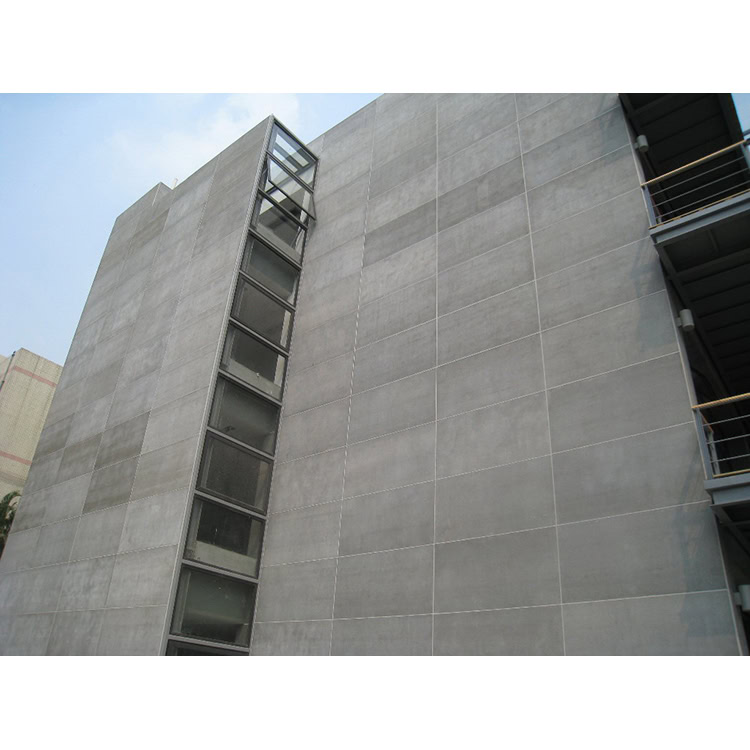
The best flashing tape for fiber cement board joints is usually butyl-based or high-performance breathable flashing tape designed for exterior wall systems. The tape must resist moisture, UV exposure, and temperature cycling while maintaining adhesion.
TRUSUS sealing insight: strong adhesion alone does not guarantee waterproof performance.
Recommended Flashing Tape Features
| Feature | Why It Matters |
|---|---|
| UV resistance | Prevents surface breakdown |
| Flexible adhesion | Handles movement |
| Moisture resistance | Blocks water entry |
| Breathability | Allows vapor escape |
Many projects still use general-purpose construction tape on fiber cement joints.
At first, the tape may appear secure.
But exterior wall systems face constant environmental stress:
- Sunlight exposure
- Temperature expansion
- Rain pressure
- Humidity cycling
Over time, low-grade tapes often fail at the edges or become brittle.
I have found that butyl flashing tapes perform especially well because they maintain flexibility over long periods.
Breathable membrane tapes are also important in walls designed to manage vapor movement.
Tape Selection Comparison
| Tape Type | Suitability |
|---|---|
| Butyl tape | Excellent for moisture sealing |
| Breathable flashing tape | Best for vapor management |
| Standard acrylic tape | Limited exterior durability |
| Hot-melt tape | Poor long-term weather resistance |
The market is slowly learning that waterproofing is not only about stopping water.
It is also about controlling moisture movement safely inside the wall system.
That requires much more specialized material selection than many people realize.
Does Cement Board Need Kick-Out Flashing?
Yes, cement board installations near roof-to-wall intersections should use kick-out flashing to direct water away from the wall surface and prevent concentrated moisture intrusion. Kick-out flashing protects vulnerable transition areas where leaks commonly develop.
TRUSUS drainage insight: kick-out flashing is a small component with major system impact.
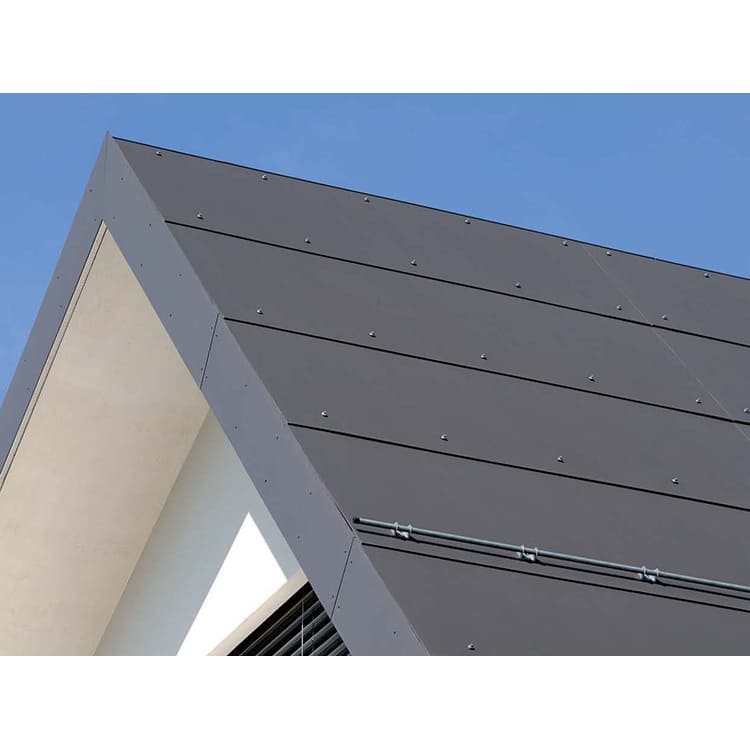
Functions Of Kick‑Out Flashing
| Function | Result |
|---|---|
| Redirect roof runoff | Reduces wall saturation |
| Protect transition zones | Prevents hidden leaks |
| Improve drainage flow | Extends wall lifespan |
| Reduce moisture concentration | Limits mold risk |
In many construction projects, kick-out flashing is still treated as optional.
That approach creates long-term risk.
Roof-to-wall intersections are naturally high-stress moisture areas.
Without proper water diversion, rainwater can repeatedly flow against the wall cladding and penetrate hidden joints.
The damage often remains invisible for years.
Then problems appear suddenly:
- Rot behind cladding
- Mold growth
- Joint failure
- Interior moisture staining
I often tell clients that kick-out flashing behaves like an insurance policy.
Its value is not obvious during installation.
Its value appears years later when the wall system continues performing without failure.
Modern waterproofing systems are shifting from reactive repair thinking toward proactive drainage control.
That change is reshaping how fiber cement systems are designed today.
Can You Use Liquid Flashing On Fiber Cement Board?
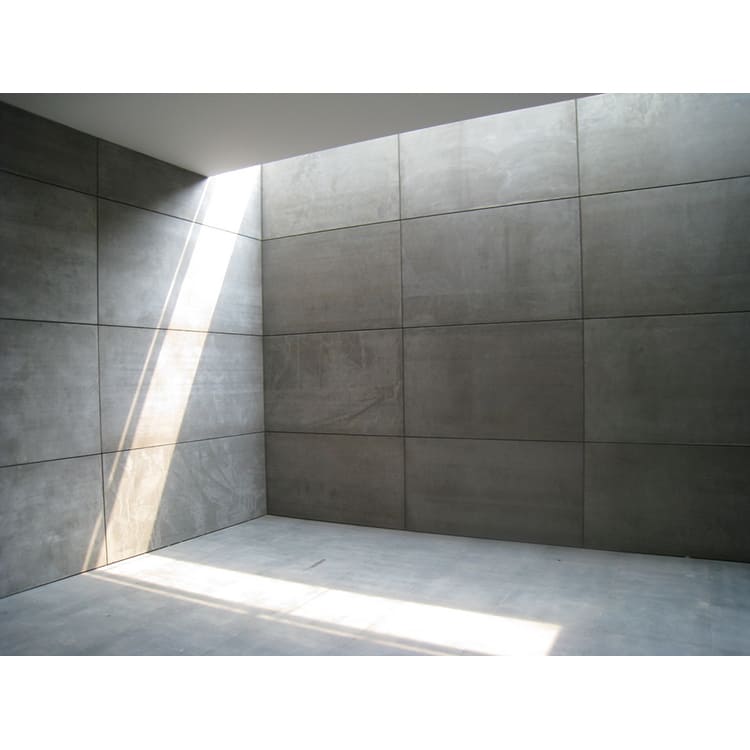
Yes, liquid flashing can be used on fiber cement board when the product is compatible with cementitious surfaces and properly integrated with the wall’s moisture management system. Surface preparation and movement flexibility are critical for long-term success.
TRUSUS material insight: liquid flashing is a precision waterproofing tool, not a universal solution.
Advantages Of Liquid Flashing
| Benefit | Purpose |
|---|---|
| Seamless coverage | Reduces weak points |
| Flexible application | Fits complex shapes |
| Strong adhesion | Improves transition sealing |
| Fast detailing | Simplifies installation |
Liquid-applied flashing products have become increasingly popular because they can create continuous waterproof barriers around difficult shapes and penetrations.
But successful performance depends on system compatibility.
Fiber cement boards behave differently from flexible membranes or metal substrates.
Several factors must be controlled carefully:
TRKey Compatibility Factors
| Factor | Risk If Ignored |
|---|---|
| Thermal movement | Surface cracking |
| Vapor permeability | Moisture trapping |
| Surface preparation | Adhesion failure |
| Aging cycle | Early degradation |
Some liquid flashing materials become too rigid after curing.
If the wall system experiences movement from temperature changes, the coating may eventually split.
Breathability also matters.
A completely sealed wall can trap internal moisture and create blistering behind the surface layer.
That is why liquid flashing works best as part of a balanced moisture-control strategy rather than as an isolated waterproof layer.
In my view, this reflects a major industry transition.
Customers no longer want only durable boards.
They want complete wall systems with predictable long-term performance.
Conclusion
At TRUSUS, I see fiber cement waterproofing evolving from accessory selection into full system engineering. Long-term wall durability depends on flashing, sealing, drainage, and moisture control working together as one coordinated exterior protection system.