



How To Install A "Concrete Look" Feature Wall With Fiber Cement Board?
A concrete-look feature wall with fiber cement board is usually created by installing smooth cement panels, minimizing visible joints, and applying texture coatings or microcement finishes for an authentic industrial appearance. Proper spacing, sealing, and surface finishing are critical for realism.
TRUSUS design insight: customers today increasingly use fiber cement board not only for durability but also for emotional and visual impact inside modern interiors.
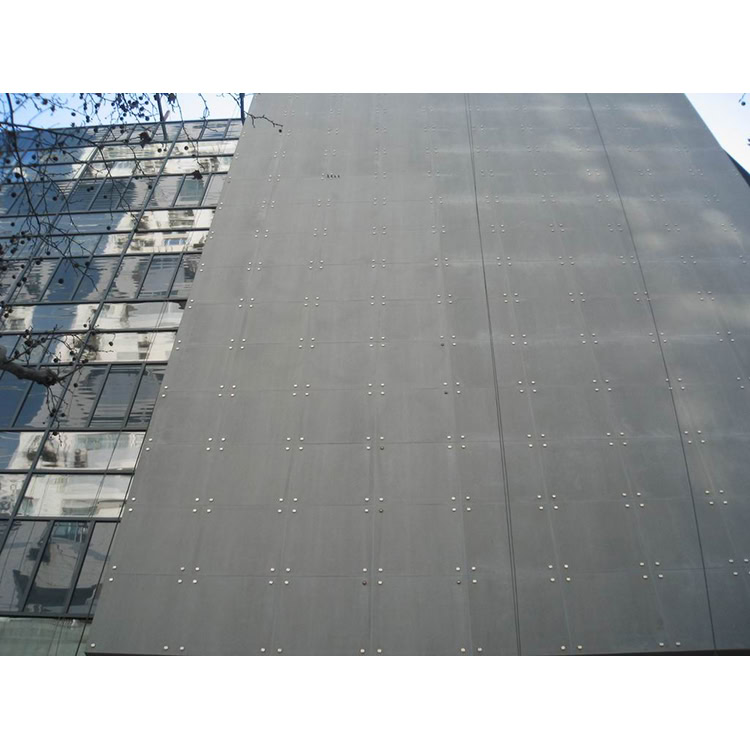
I increasingly see designers choosing fiber cement board because it delivers the raw industrial character of concrete without the structural weight and complexity of cast concrete walls.
The material has become part of interior storytelling.
Basic Installation Process
| Installation Step | Purpose |
|---|---|
| Install stable framing | Structural support |
| Mount smooth fiber cement panels | Create flat surface |
| Seal and blend joints | Reduce visible seams |
| Apply texture finish | Simulate concrete appearance |
Surface consistency is important for realism.
Why Joint Treatment Matters
| Poor Joint Treatment | Visual Problem |
|---|---|
| Uneven seams | Artificial appearance |
| Cracking filler | Interrupted texture flow |
| Visible screw patterns | Reduced realism |
Concrete aesthetics depend on visual continuity.
Popular Concrete Finish Techniques
| Finish Method | Visual Effect |
|---|---|
| Microcement coating | Smooth architectural concrete |
| Lime wash effect | Soft industrial texture |
| Dry trowel finish | Raw urban appearance |
Different finishes create different emotional atmospheres.
Why Lighting Changes The Final Look
| Lighting Type | Design Result |
|---|---|
| Warm indirect lighting | Softer industrial mood |
| Directional wall washing | Enhanced texture visibility |
| Cool white lighting | Stronger concrete realism |
Lighting strongly affects material perception.
Why Industrial Style Is Evolving
| Earlier Industrial Design | Modern Industrial Interior Design |
|---|---|
| Rough unfinished appearance | Refined minimalist texture |
| Heavy concrete structures | Lightweight material simulation |
| Utility-focused aesthetics | Lifestyle-focused aesthetics |
Modern industrial spaces feel more comfortable and controlled.
The Industry Shift Behind Concrete-Look Walls
| Traditional Building Material Industry | Modern Material Aesthetic Industry |
|---|---|
| Function-focused applications | Emotion-focused surface design |
| Structural material positioning | Interior design medium positioning |
| Standard installation guidance | Creative finish consulting |
I increasingly believe surface aesthetics now influence buying decisions as much as technical performance.
Can You Use Thin Cement Board For A Geometric 3D Wall?
Yes, thin fiber cement board is commonly used for geometric 3D walls because it is lightweight, stable, and easy to cut into custom shapes. Most 3D wall systems use 4–6 mm panels combined with lightweight framing for dimensional effects.
TRUSUS creative insight: geometric wall design reflects the growing demand for personalized interiors and architectural texture inside residential spaces.
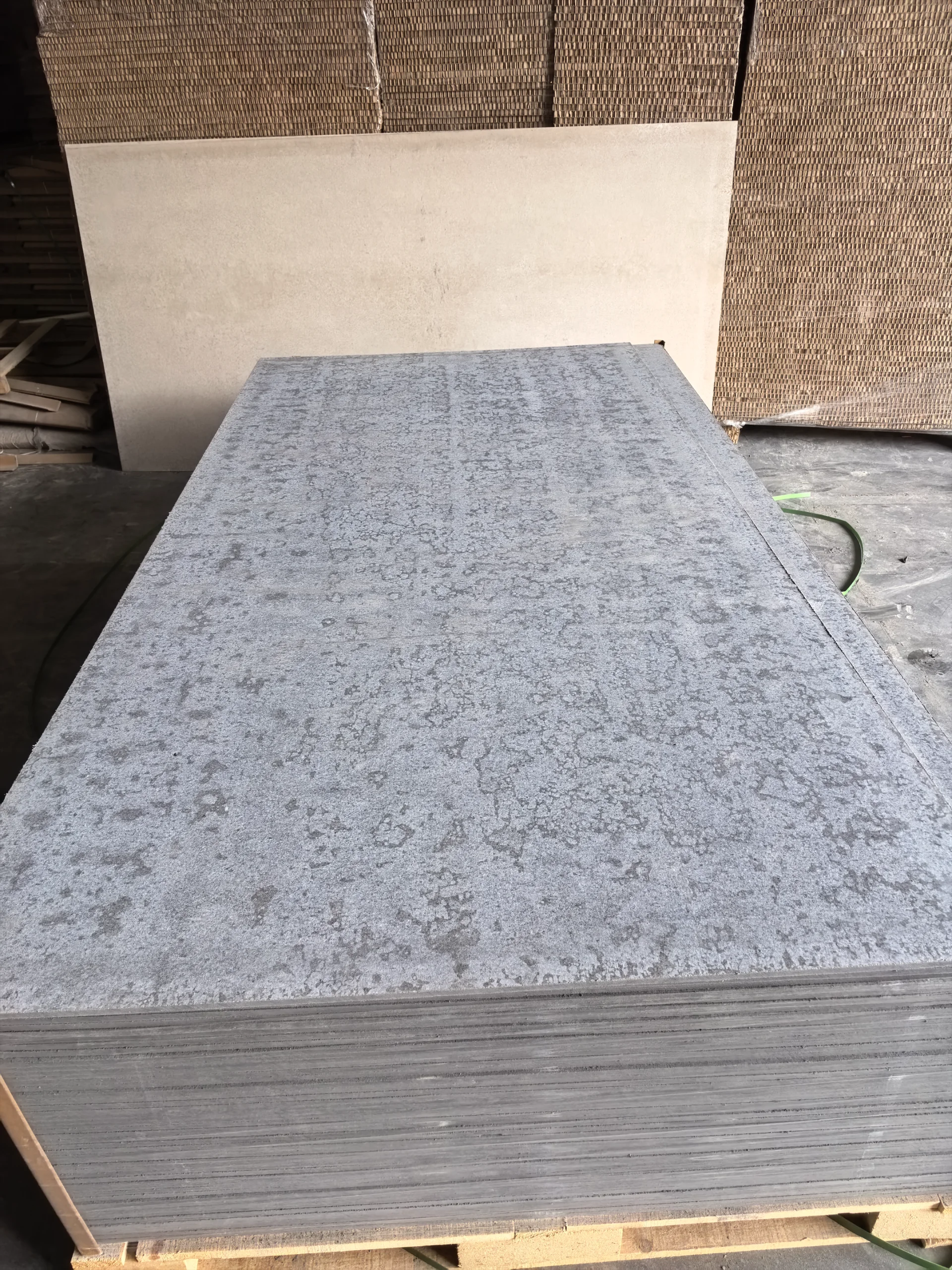
I increasingly see homeowners treating walls as sculptural design elements instead of simple room boundaries.
Texture and shadow now play a major role in interior atmosphere.
Why Thin Cement Board Works Well
| Material Property | Design Benefit |
|---|---|
| Lightweight structure | Easier installation |
| Dimensional stability | Cleaner geometry |
| Smooth cutting capability | Precise custom shapes |
Thin panels allow greater design flexibility.
Common 3D Wall Design Styles
| Geometric Style | Visual Character |
|---|---|
| Linear patterns | Minimal modern effect |
| Angular panels | Dynamic shadow movement |
| Layered modules | Architectural depth |
3D surfaces create movement through light and shadow.
Why Framing Design Is Important
| Framing Issue | Possible Problem |
|---|---|
| Weak support structure | Panel movement |
| Uneven spacing | Distorted geometry |
| Poor fastening layout | Surface cracking |
Precision installation affects final aesthetics.
Why Surface Finishing Matters
| Finish Type | Design Result |
|---|---|
| Matte mineral finish | Soft architectural texture |
| Metallic coating | Modern artistic effect |
| Natural gray cement finish | Raw industrial appearance |
Finishing strongly changes design personality.
Why Personalized Walls Are Growing
| Traditional Interior Design | Modern Personalized Interior Design |
|---|---|
| Flat decorative walls | Sculptural surfaces |
| Paint-focused decoration | Material-focused aesthetics |
| Uniform room finishes | Customized feature walls |
Customers increasingly seek visual individuality.
The Market Evolution Behind 3D Wall Demand
| Traditional Wall Material Market | Modern Interior Experience Market |
|---|---|
| Basic wall covering supply | Architectural surface solutions |
| Cost-focused selection | Emotional experience design |
| Standardized installations | Custom creative systems |
I increasingly see design flexibility becoming one of the strongest advantages of fiber cement board.
Best Way To Hide The Nails In An Interior Fiber Cement Board Wall?
The best ways to hide nails in interior fiber cement board walls include concealed fastening systems, countersunk filling techniques, adhesive-assisted installation, and rear-support mounting systems. Surface finishing quality determines how invisible the fasteners appear.
TRUSUS installation insight: modern interior projects increasingly prioritize uninterrupted material surfaces and cleaner architectural detailing.
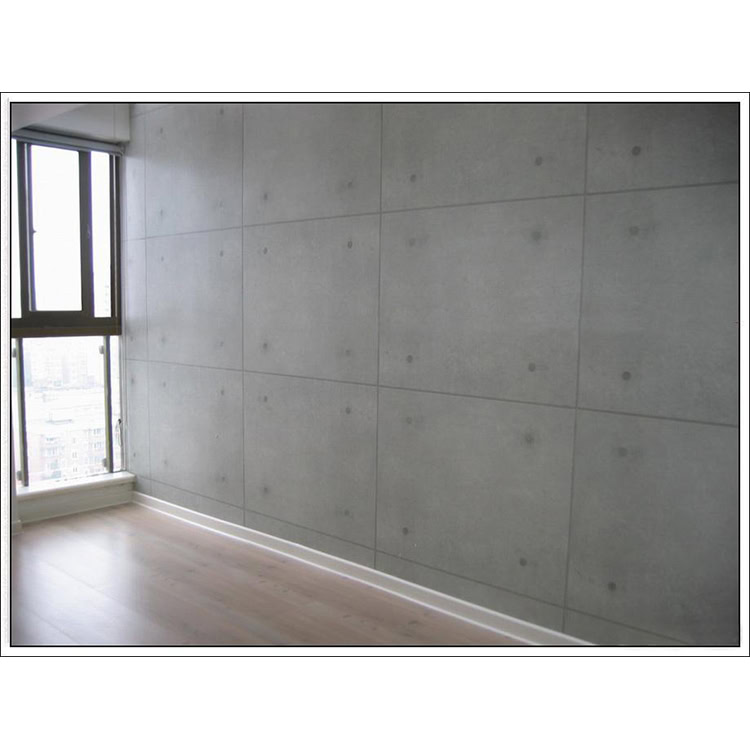
I increasingly see designers rejecting exposed mechanical fasteners in high-end interior spaces.
Surface purity has become part of modern minimalist aesthetics.
Common Hidden Fastening Methods
| Fastening Method | Visual Result |
|---|---|
| Countersunk screws with filler | Nearly invisible surface |
| Adhesive-assisted installation | Reduced visible fasteners |
| Rear clip systems | Completely hidden attachment |
Different systems suit different wall conditions.
Why Surface Filling Quality Matters
| Poor Filling Result | Visible Problem |
|---|---|
| Shrinking filler | Nail depressions |
| Uneven sanding | Surface distortion |
| Color mismatch | Patch visibility |
Good finishing creates seamless surfaces.
Why Adhesive Systems Are Growing
| Adhesive Installation Benefit | Practical Advantage |
|---|---|
| Fewer surface penetrations | Cleaner appearance |
| Reduced stress concentration | Better panel stability |
| Faster installation | Labor efficiency |
Modern interiors increasingly favor cleaner detailing.
Why Joint Design Also Affects Appearance
| Joint Design Style | Design Effect |
|---|---|
| Shadow gap joints | Architectural modern look |
| Flush seamless joints | Minimalist surface continuity |
| Intentional panel lines | Industrial panel rhythm |
Joint strategy changes visual character.
Why Minimalism Influences Installation Methods
| Traditional Installation Thinking | Modern Minimalist Installation Thinking |
|---|---|
| Functional visible fastening | Concealed detailing |
| Construction-focused methods | Design-focused methods |
| Installation speed priority | Visual quality priority |
Installation techniques increasingly support design goals.
The Industry Transformation Behind Hidden Fastener Demand
| Traditional Building Material Installation | Modern Architectural Detailing Industry |
|---|---|
| Structural attachment focus | Surface perfection focus |
| Functional assembly systems | Design-integrated mounting systems |
| Construction practicality | Aesthetic refinement |
I increasingly believe installation craftsmanship now directly affects perceived material value.
Can You Apply Metallic Wax To Raw Fiber Cement Board?
Yes, metallic wax can be applied to raw fiber cement board if the surface is properly sealed first. Sealing controls absorption and allows the metallic finish to create a more even sheen while preserving the board’s natural mineral texture.
TRUSUS finish insight: customers today increasingly seek hybrid aesthetics that combine raw industrial materials with refined decorative effects.
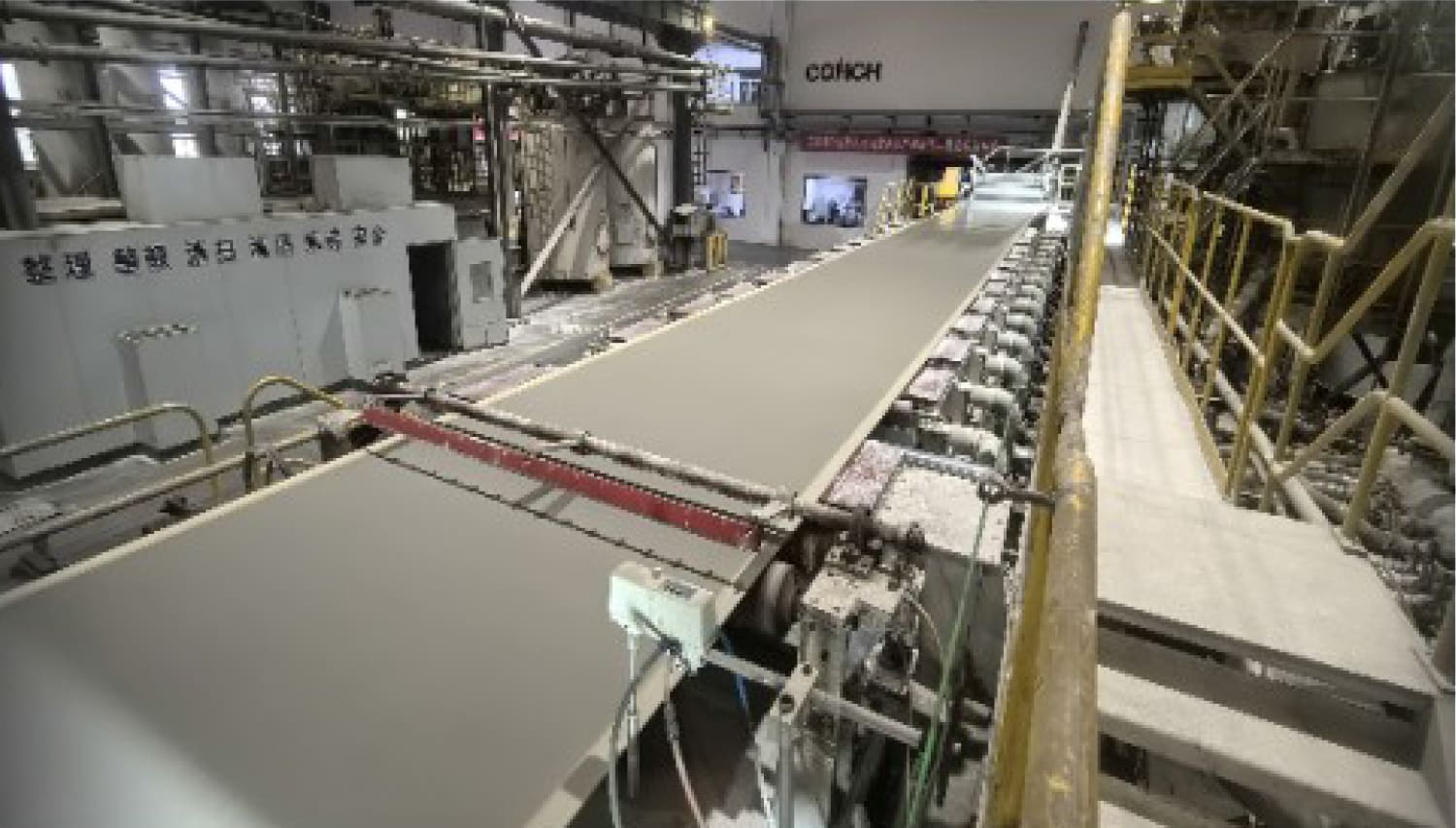
I increasingly see designers experimenting with fiber cement board as an artistic finish surface rather than only a construction panel.
Material expression is becoming more important.
Why Sealing Before Waxing Is Necessary
| Unsealed Surface Problem | Result |
|---|---|
| Uneven absorption | Patchy metallic finish |
| Excessive wax penetration | Dull appearance |
| Surface dusting | Poor adhesion |
Controlled absorption improves finish consistency.
Popular Metallic Wax Effects
| Metallic Tone | Design Mood |
|---|---|
| Bronze wax | Warm industrial atmosphere |
| Silver wax | Modern architectural effect |
| Graphite metallic finish | Urban contemporary style |
Metallic finishes add visual depth.
Why Raw Texture Is Important
| Raw Cement Texture Feature | Visual Benefit |
|---|---|
| Natural porosity | Organic variation |
| Subtle surface irregularity | Handcrafted feeling |
| Mineral texture depth | Authentic material expression |
Imperfection often improves visual richness.
Recommended Surface Preparation Process
| Preparation Step | Purpose |
|---|---|
| Clean surface thoroughly | Remove dust |
| Apply penetrating sealer | Control absorption |
| Test wax compatibility | Verify finish behavior |
| Apply thin wax layers | Build controlled sheen |
Testing small samples is important.
Why Decorative Finishes Are Expanding
| Traditional Cement Board Applications | Modern Decorative Applications |
|---|---|
| Hidden structural use | Visible artistic surfaces |
| Functional wall systems | Expressive design materials |
| Neutral background role | Feature design element |
Material identity is changing rapidly.
The Larger Industry Evolution
| Traditional Building Material Industry | Modern Interior Material Experience Industry |
|---|---|
| Technical performance competition | Aesthetic experience competition |
| Product specification focus | Creative application focus |
| Standardized usage patterns | Personalized artistic expression |
I increasingly see the future of fiber cement board being shaped by design creativity as much as engineering performance.
Conclusion
At TRUSUS, I see fiber cement board evolving from a functional construction panel into a powerful interior design medium. Future market growth will depend on aesthetic innovation, surface finishing expertise, installation craftsmanship, and the ability to transform raw materials into emotional architectural experiences.