




How to Fix Peeling Paint on Cement Wall?
Peeling paint on a cement wall usually means poor surface bonding or moisture movement beneath the coating.
To fix it, remove loose paint, seal the base, and repaint with a compatible primer and finish.
TRUSUS maintenance insight: peeling paint is not just a surface flaw—it’s a signal of deeper system imbalance.
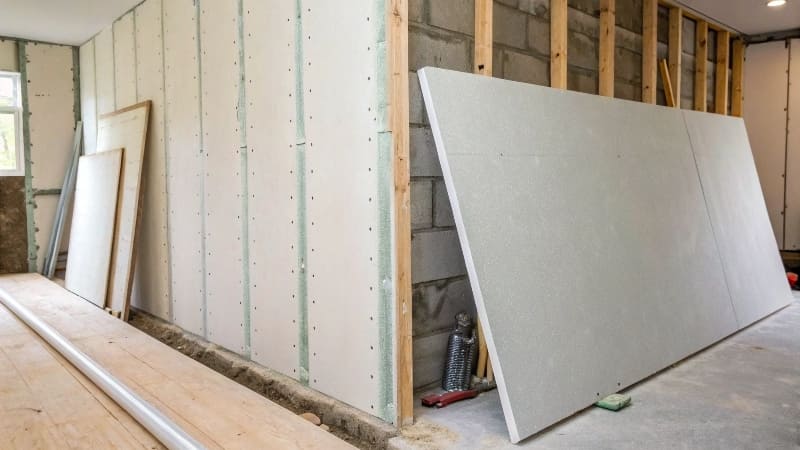
Proper restoration involves stabilizing the cement layer, not just reapplying color. Failure to resolve adhesion issues may lead to recurring flaking every season.
Cement Wall Repair Steps
| Step | Action | Tool / Material | Result |
|---|---|---|---|
| 1 | Scrape off loose paint | Putty knife or wire brush | Expose strong substrate |
| 2 | Clean surface | Mild detergent + water | Remove dust and grease |
| 3 | Apply bonding primer | Acrylic or epoxy primer | Improves adhesion |
| 4 | Patch imperfections | Cement putty | Smooth repaired zones |
| 5 | Repaint | Quality exterior finish | Long-lasting protection |
When the wall is treated as a system—paint, primer, and substrate—the finish stays intact for years under moisture or temperature changes.
How Do You Fill Holes in Cement Sheeting?
To fill holes in cement sheeting, use a polymer‑modified patching compound or repair mortar that bonds tightly to the sheet.
Clean the hole, fill gradually, and sand flush before coating.
TRUSUS repair insight: a good patch is more than coverage—it restores the sheet’s continuity and strength.
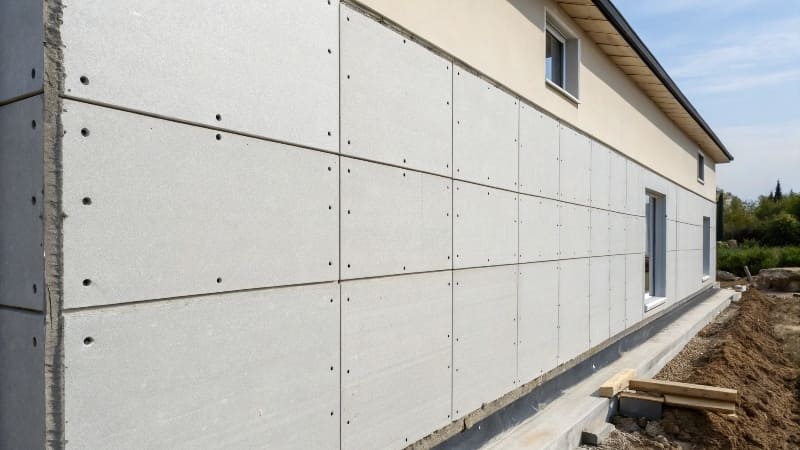
Hole Repair Table
| Hole Size | Material | Application Tips | Drying Time |
|---|---|---|---|
| Small (<10mm) | Cement putty | Apply with spatula, smooth level | 1–2 hours |
| Medium (10–30mm) | Patching compound | Fill in two layers | 3–4 hours |
| Large (>30mm) | Epoxy mortar | Reinforce with mesh before filling | 6–8 hours |
Matching repair material with the sheet’s porosity prevents future cracking and ensures consistent moisture resistance.
What to Use to Fill Holes in Cement Board?
Use cement board joint compound or exterior‑grade patching paste designed for fiber‑reinforced cement.
These products maintain flexibility and match the board’s thermal expansion rate.
TRUSUS application insight: repair materials must move as the board moves—that’s what ensures lasting adhesion.
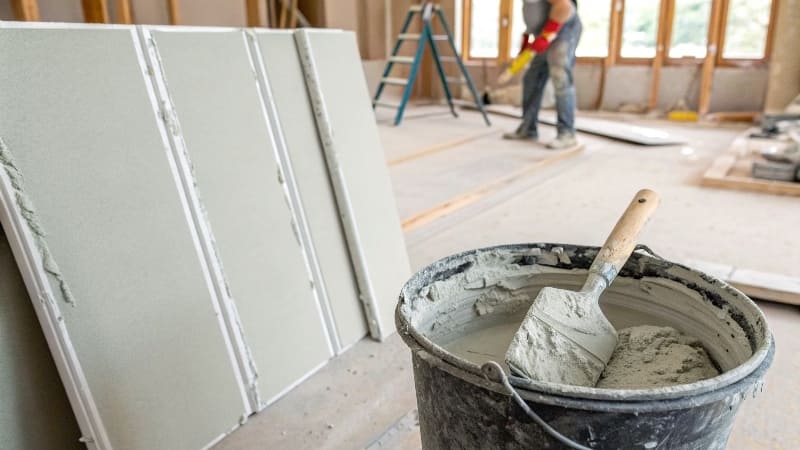
Recommended Layers
| Layer | Material | Function |
|---|---|---|
| Base | Joint compound | Restores board surface |
| Middle | Mesh reinforcement | Distributes tension |
| Finish | Waterproof putty | Seals and smooths area |
Avoid using pure gypsum filler—it often shrinks or detaches under humidity. Cement‑compatible putty keeps the board mechanically integrated with coatings above.
What Does Cement Board Tape Do?
Cement board tape—typically alkali‑resistant fiberglass mesh—reinforces joints between boards.
It spreads structural stress, prevents cracks, and unifies adjoining panels under thermal or load variations.
TRUSUS construction insight: tape is not cosmetic—it’s structural insurance for the wall.
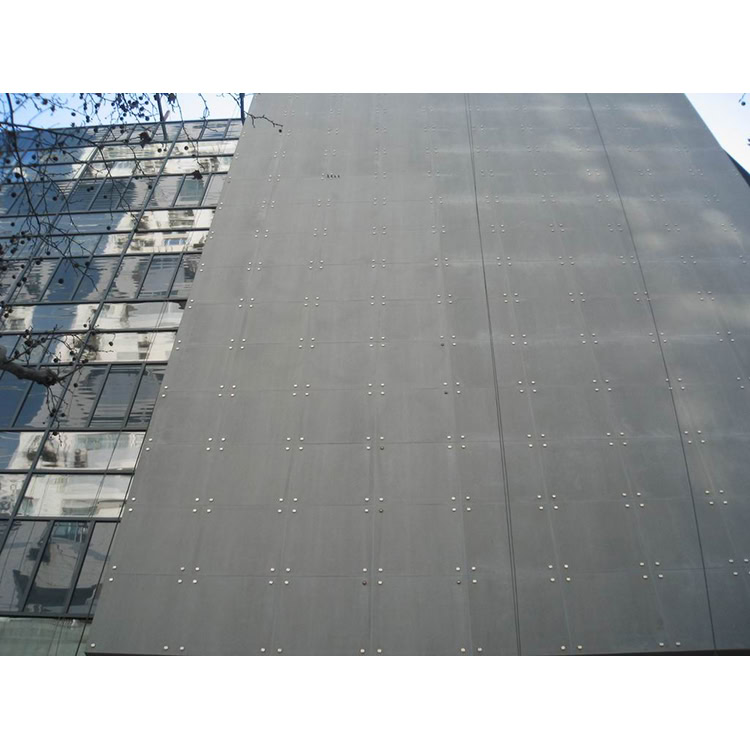
Tape Function Overview
| Function | Description | Benefit |
|---|---|---|
| Stress Distribution | Connects board edges | Prevents separation |
| Crack Control | Reduces local tension | Keeps surfaces smooth |
| Adhesion Support | Works with joint compound | Ensures tight bonding |
| Durability | Resists alkali and water | Extends service life |
By integrating tape correctly within compound layers, the board system behaves as one solid surface—ready for tile, paint, or waterproofing.
Conclusion
At TRUSUS, I view each small defect—peeling paint, holes, or cracks—as part of a larger system story.
Fixing cement board is about restoring the balance between material, sealant, and adhesion, turning every repair into a step toward lasting structural health.
