




How Often Do You Need to Paint Cement Board?
Cement board requires repainting every 7-12 years depending on environmental exposure, paint quality, and surface preparation standards.
High-quality acrylic paint systems on properly primed cement board last 10-15 years in moderate climates with premium elastomeric coatings extending service life to 15-20 years. Harsh environmental conditions reduce painting intervals to 5-8 years while protected locations may extend cycles to 12-15 years. Surface preparation quality directly impacts coating longevity with proper priming and moisture sealing ensuring optimal paint adhesion and durability. Regular inspection every 2-3 years allows proactive maintenance preventing substrate damage and maintaining building envelope integrity.
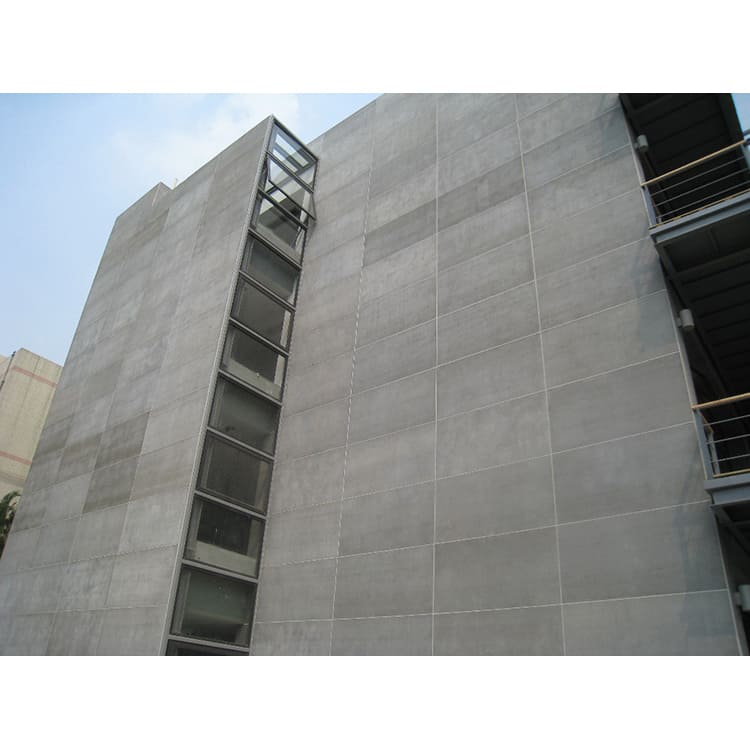
From my extensive experience in cement board manufacturing and building envelope systems, I've observed that painting frequency depends more on system design and environmental factors than material limitations, with properly installed cement board providing excellent substrate durability for multiple paint cycles.
Does Cement Board Need to Be Painted?
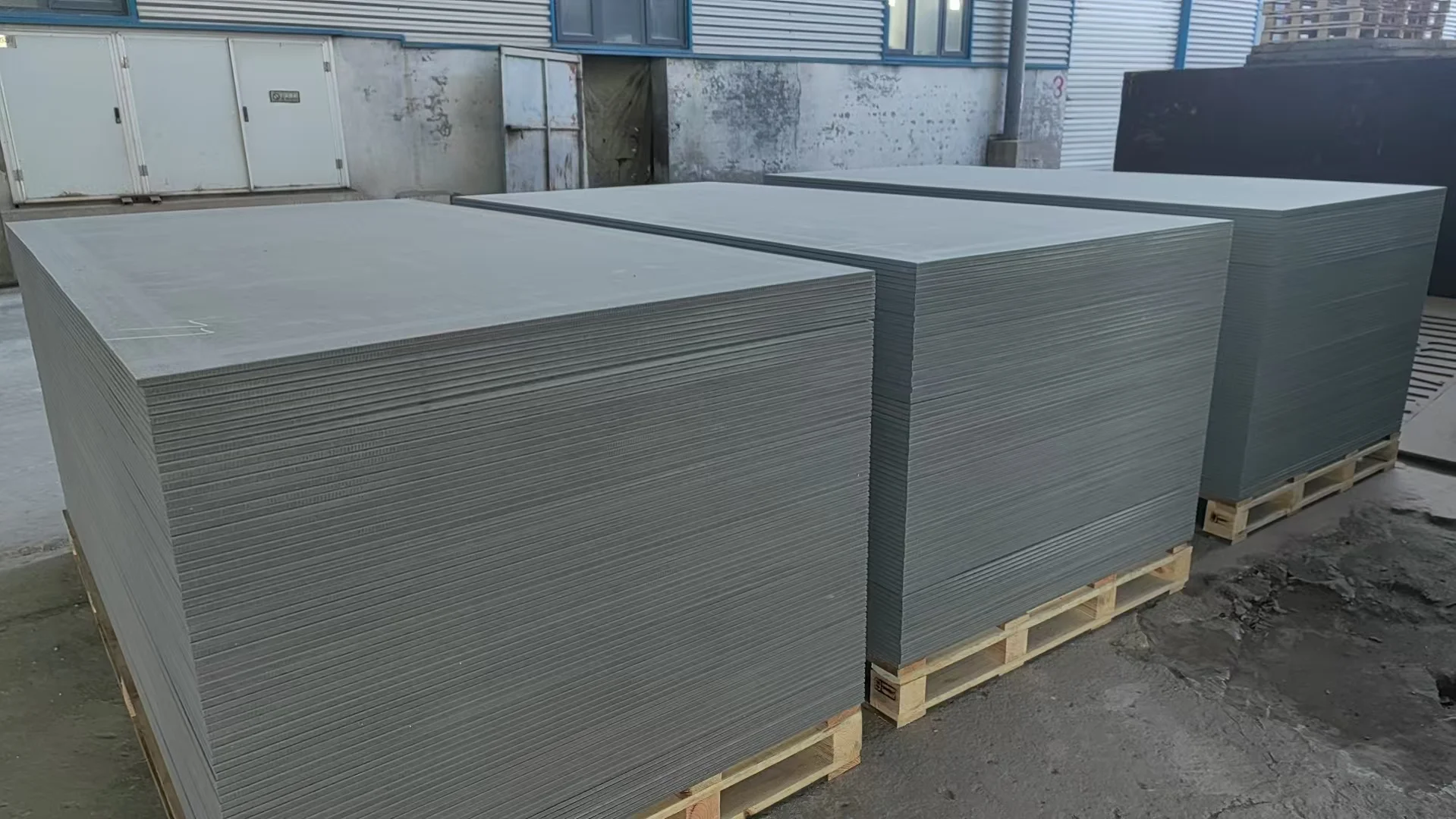
Cement board benefits significantly from protective coatings but can perform structurally without paint in appropriate applications and environmental conditions.
Cement board paint provides essential protection against moisture penetration, UV degradation, and surface weathering while enhancing aesthetic appearance and color options. Unpainted cement board maintains structural integrity and fire resistance but experiences surface chalking, color fading, and increased maintenance requirements. Exterior applications strongly benefit from paint protection extending service life by 50-100% while interior applications may function adequately without coating. Building codes typically require protective finishes for weather-exposed cement board installations ensuring long-term performance and building envelope integrity.
Performance Impact Analysis
Paint protection significantly affects cement board performance across multiple criteria.
| Performance Factor | Unpainted Board | Painted Board | Improvement Factor | Critical Impact |
|---|---|---|---|---|
| Weather Resistance | 15-20 years | 25-30 years | 65% increase | High |
| UV Protection | Moderate fading | Excellent retention | 80% improvement | Medium |
| Moisture Control | Good resistance | Superior protection | 40% improvement | High |
| Surface Integrity | Gradual chalking | Maintained appearance | 90% improvement | Medium |
| Maintenance Requirements | Higher frequency | Standard intervals | 60% reduction | High |
Weather resistance improvement provides the most significant long-term benefit from paint protection.
Application-Specific Requirements
Different cement board applications have varying paint requirements based on exposure and performance needs.
| Application Type | Paint Necessity | Performance Requirements | Aesthetic Importance | Code Compliance |
|---|---|---|---|---|
| Exterior Siding | Essential | Weather protection | High | Required |
| Interior Walls | Optional | Decorative only | Medium | Variable |
| Wet Areas | Recommended | Moisture protection | Medium | Often required |
| Fire-Rated Assemblies | Specified | System compliance | Low | Critical |
| Industrial Applications | Variable | Chemical resistance | Low | Application-specific |
Exterior siding applications show the strongest requirement for protective paint systems.
Environmental Factors
Environmental conditions significantly influence paint necessity and performance requirements.
| Environmental Factor | Impact Level | Paint Importance | Protection Benefit | Maintenance Factor |
|---|---|---|---|---|
| Coastal Exposure | High | Critical | Salt protection | Increased frequency |
| UV Intensity | High | Important | Color/surface retention | Standard intervals |
| Freeze-Thaw Cycles | Medium | Beneficial | Crack prevention | Moderate impact |
| Industrial Pollution | Variable | Important | Chemical resistance | Application-dependent |
| High Humidity | Medium | Recommended | Mold/mildew prevention | Slight increase |
Coastal exposure conditions create the highest necessity for comprehensive paint protection.
How Long Can You Leave a Cement Board Unpainted?
Cement board can remain unpainted for 6-12 months during construction without significant degradation, but long-term exposure requires protective coatings.
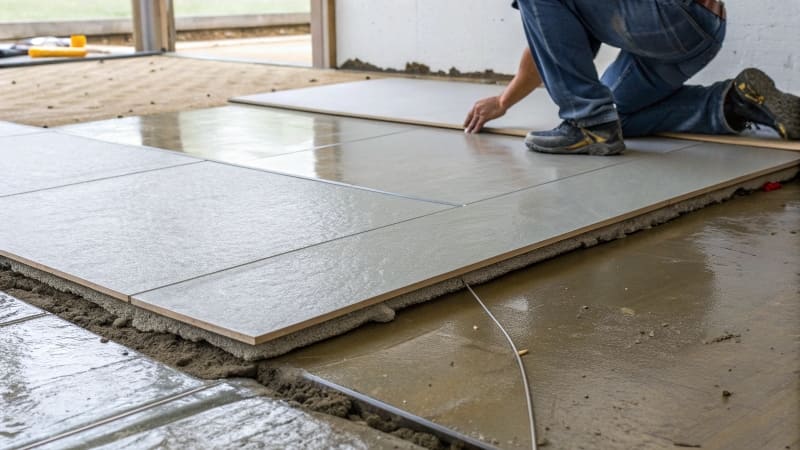
Construction-grade cement board withstands weather exposure for 6-12 months without coating during building construction phases maintaining structural integrity and fire resistance. Extended exposure beyond 12 months causes surface chalking, color variation, and increased maintenance requirements without compromising core performance. Manufacturer warranties typically require protective coatings within 180 days for exterior applications ensuring optimal long-term performance. Quality cement board maintains functionality for 2-5 years uncoated but experiences gradual surface degradation affecting appearance and requiring increased maintenance.
Degradation Timeline Analysis
Unpainted cement board experiences predictable degradation patterns over extended exposure periods.
| Time Period | Surface Condition | Performance Impact | Aesthetic Change | Maintenance Increase |
|---|---|---|---|---|
| 0-6 months | Excellent | None | Minimal | None |
| 6-12 months | Good | Minor chalking | Slight fading | Minimal |
| 1-2 years | Fair | Surface weathering | Noticeable changes | Moderate |
| 2-5 years | Poor appearance | Functional performance | Significant fading | High |
| 5+ years | Degraded surface | Structural integrity | Major deterioration | Very high |
6-12 month period represents optimal timing for protective coating application.
Manufacturer Warranty Considerations
Most cement board manufacturers specify coating requirements for warranty coverage.
| Warranty Factor | Typical Requirements | Coverage Impact | Time Limitations | Compliance Verification |
|---|---|---|---|---|
| Coating Timeline | 180 days maximum | Full coverage | Critical deadline | Installation documentation |
| Approved Systems | Listed products | Performance guarantee | Product specification | Material certification |
| Installation Standards | Proper procedures | Warranty validity | Quality requirements | Professional installation |
| Environmental Conditions | Climate limitations | Coverage exclusions | Application restrictions | Weather monitoring |
| Maintenance Requirements | Regular inspection | Continued coverage | Ongoing obligations | Documentation records |
180-day coating timeline represents the most critical warranty compliance factor.
Climate-Specific Considerations
Different climate zones affect acceptable unpainted exposure duration for cement board.
| Climate Zone | Maximum Exposure | Degradation Rate | Protective Priority | Coating Urgency |
|---|---|---|---|---|
| Arid/Desert | 8-12 months | Slow UV fading | Medium | Standard |
| Temperate | 6-10 months | Moderate weathering | Medium | Standard |
| Humid Subtropical | 4-8 months | Rapid surface changes | High | Accelerated |
| Coastal | 3-6 months | Fast salt damage | Very High | Critical |
| Cold Climate | 6-9 months | Freeze-thaw stress | High | Important |
Coastal climate zones require the most aggressive coating timeline for optimal performance.
Can Cement Board Withstand Rain?
Cement board demonstrates excellent rain resistance through low moisture absorption and dimensional stability under wet conditions.
Cement board absorbs 15-25% moisture by weight during rain exposure while maintaining dimensional stability with less than 0.25% linear expansion. Fiber reinforcement prevents cracking and delamination under wet-dry cycling conditions ensuring structural integrity throughout weather exposure. Proper installation with appropriate flashing and drainage prevents water infiltration behind boards maintaining building envelope performance. Class A fire ratings remain effective even during wet conditions with moisture absorption not compromising fire resistance properties. Recovery to original dimensions occurs within 24-48 hours after drying with no permanent degradation.

Moisture Absorption Characteristics
Cement board demonstrates controlled moisture absorption with excellent recovery properties.
| Moisture Condition | Absorption Rate | Dimensional Change | Recovery Time | Performance Impact |
|---|---|---|---|---|
| Light Rain | 5-10% weight | <0.1% expansion | 12-24 hours | None |
| Heavy Rain | 15-20% weight | 0.1-0.2% expansion | 24-48 hours | Minimal |
| Prolonged Exposure | 20-25% weight | 0.2-0.25% expansion | 48-72 hours | None significant |
| Saturation Conditions | 25-30% weight | <0.3% expansion | 3-5 days | Temporary only |
Light rain conditions show minimal impact on cement board performance and appearance.
Installation System Importance
Proper installation systems critically affect cement board rain performance and longevity.
| Installation Element | Function | Rain Protection | Failure Consequence | Quality Impact |
|---|---|---|---|---|
| Flashing Details | Water redirection | Primary defense | Water infiltration | Critical |
| Drainage Systems | Moisture removal | Secondary protection | Moisture accumulation | High |
| Vapor Barriers | Moisture control | Interior protection | Condensation problems | Important |
| Fastener Sealing | Penetration sealing | Point protection | Localized damage | Moderate |
| Joint Treatment | Continuity | System integrity | System compromise | High |
Flashing details provide the most critical protection against rain-related building problems.
Long-term Rain Exposure Effects
Extended rain exposure creates specific performance considerations for cement board systems.
| Exposure Duration | Surface Effects | Structural Impact | Maintenance Needs | Performance Rating |
|---|---|---|---|---|
| Seasonal Rain | Minimal changes | None | Standard | Excellent |
| Annual Patterns | Slight surface wear | None | Increased inspection | Very Good |
| Multi-year Exposure | Surface weathering | Maintained integrity | Coating renewal | Good |
| Extreme Conditions | Accelerated aging | Structural stability | Enhanced maintenance | Acceptable |
Seasonal rain exposure represents normal operating conditions with excellent performance maintenance.
Performance Comparison with Alternatives
Cement board rain resistance compares favorably with alternative exterior building materials.
| Material Type | Rain Resistance | Dimensional Stability | Recovery Rate | Maintenance Requirements |
|---|---|---|---|---|
| Cement Board | Excellent | Very Good | Fast (24-48 hrs) | Low |
| Wood Siding | Poor | Poor | Slow (days-weeks) | High |
| Vinyl Siding | Good | Excellent | Immediate | Very Low |
| Metal Panels | Excellent | Excellent | Immediate | Low |
| Stucco Systems | Variable | Fair | Moderate (48-72 hrs) | Moderate |
Cement board rain resistance ranks among the top-performing exterior materials for moisture management.
Conclusion
Cement board requires repainting every 7-12 years with high-quality acrylic systems lasting 10-15 years in moderate climates while premium elastomeric coatings extend service life to 15-20 years and harsh environmental conditions reduce intervals to 5-8 years. Cement board benefits significantly from protective coatings extending service life by 50-100% while maintaining structural integrity without paint but building codes typically require protective finishes for weather-exposed installations. Cement board withstands weather exposure for 6-12 months during construction without coating maintaining structural integrity but manufacturer warranties typically require protective coatings within 180 days with extended exposure causing surface chalking and increased maintenance. Cement board demonstrates excellent rain resistance absorbing 15-25% moisture by weight while maintaining dimensional stability with less than 0.25% linear expansion and recovery to original dimensions within 24-48 hours after drying. Success with cement board exterior applications depends on understanding that while the material can perform structurally without paint, protective coatings significantly enhance longevity, appearance, and building envelope performance, with proper installation systems being critical for optimal rain resistance and moisture management.
