




How Much Heat Can Cement Board Handle?
When clients approach me asking, “How much heat can cement board handle?”, I realize their question isn’t just technical—it’s about trust in safety and stability.
Cement board can usually withstand continuous temperatures up to 250–300°C (480–570°F) without losing structural integrity. It does not burn, melt, or emit toxic fumes even under direct flame exposure, making it ideal for fire-prone areas like fireplaces and commercial kitchens.
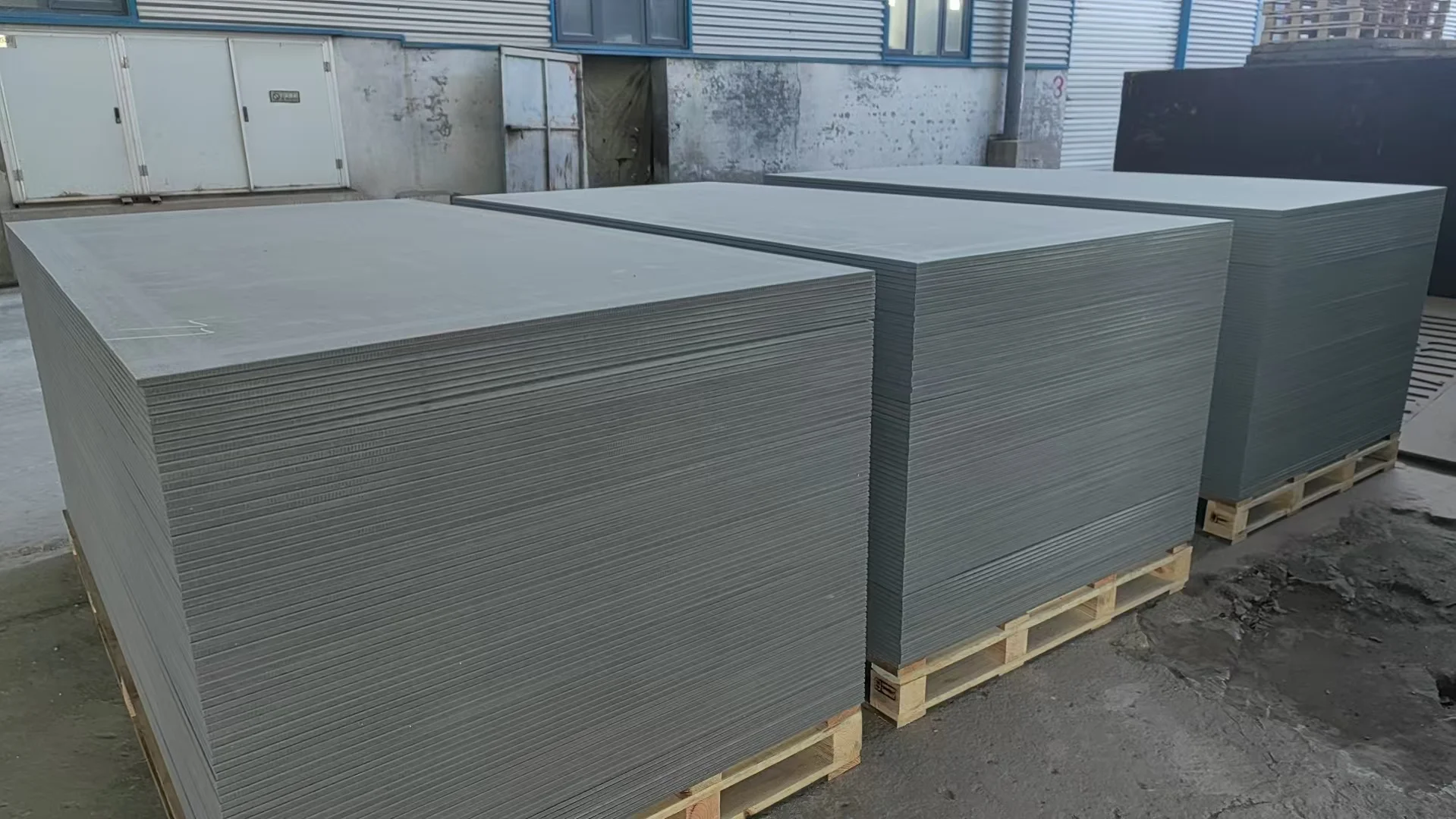
I often remind builders that the real value of cement board isn’t how much heat it resists, but how it maintains mechanical stability amid fluctuating temperatures—helping the entire system stay sound even when heated surfaces expand.
Is Cement Board a Good Heat Insulator?
Many people assume that “heat-resistant” means “heat-insulating.” But these are different.
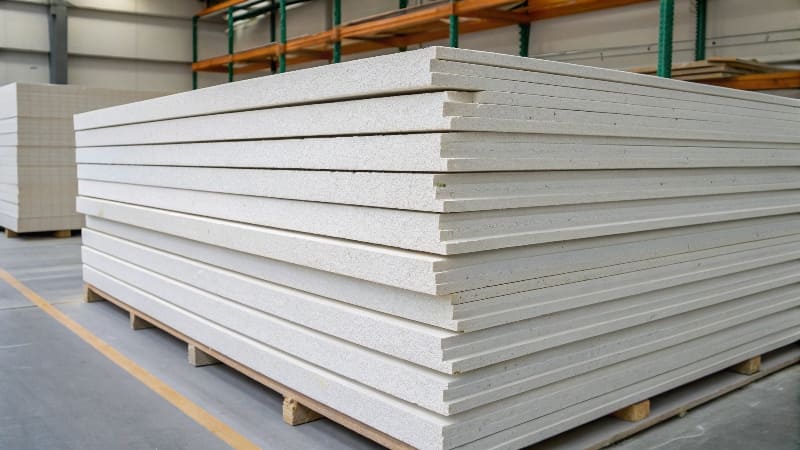
Cement board is not a strong heat insulator, since its dense mineral composition conducts heat better than lightweight thermal barriers. Instead, it works as a stable structural layer that withstands heat instead of blocking it.
Understanding Heat Behavior in Cement Board
Throughout construction projects, I learned that cement board offers balance—it may pass heat, but it remains dimensionally steady under stress. This balance makes it essential in fire-rated systems.
| Property | Function | Result |
|---|---|---|
| Density | Enables structural toughness under high heat | Keeps flat form under thermal stress |
| Thermal Conductivity | Higher than insulation boards | Transfers heat gradually, resists deformation |
| Moisture Resistance | Prevents loss of strength from humidity | Maintains bond over time |
| Core Composition | Cement + fibers | Unaffected by 250–300°C continuous exposure |
So, while it isn’t a conventional insulator like foam or mineral wool, cement board plays the part of heat-tolerant reinforcement, protecting softer or flammable materials underneath.
Does Cement Board Work as a Heat Shield?
This question comes up often when clients work with fireplaces, ovens, or mechanical spaces.
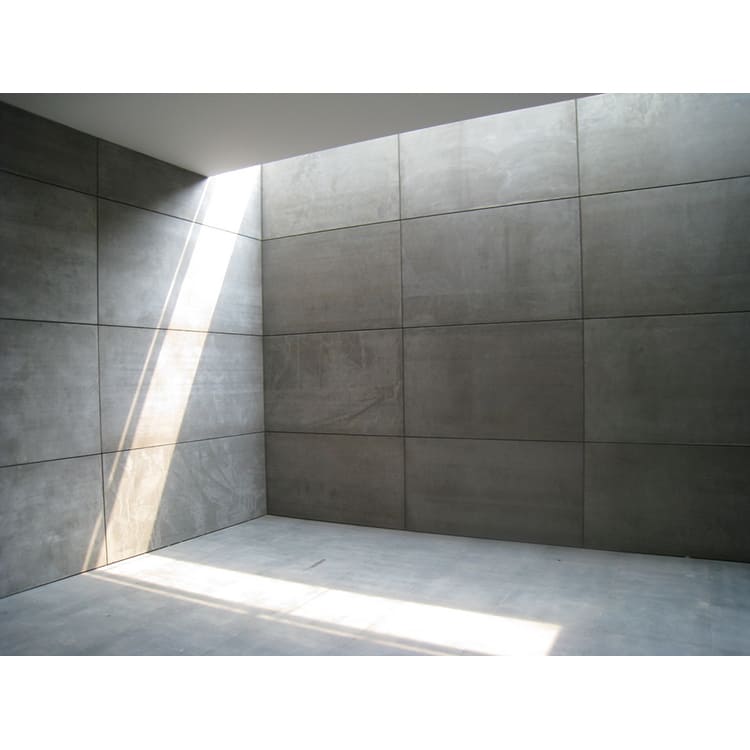
Yes, cement board can act as a heat shield, but not by insulation—it protects by resisting direct heat damage. Its low combustibility and chemical stability make it suitable as an external barrier facing high temperatures.
How Cement Board Performs as a Protective Layer
I’ve installed cement boards behind commercial kitchen stoves and industrial furnaces. Their performance relies on pairing with air gaps or metal spacers to let heat dissipate safely.
| System Component | Function | Application |
|---|---|---|
| Cement Board Panel | Resists flame, protects base wall | Fireplace walls, furnace rooms |
| Air Gap (10–25mm) | Reduces surface temperature | Between cement board and wall |
| Metal Brackets or Studs | Support and separate panels | Keeps airflow for heat relief |
| Sealant and Screws | Prevent expansion failure | Use heat-rated compounds |
Used this way, cement board shields combustible surfaces effectively while letting heat escape through controlled gaps—a reliable “heat armor” rather than an impenetrable wall.
Will Cement Crack With Heat?
One of the most frequent concerns I face on job sites is, “Will my cement board crack when exposed to heat?”
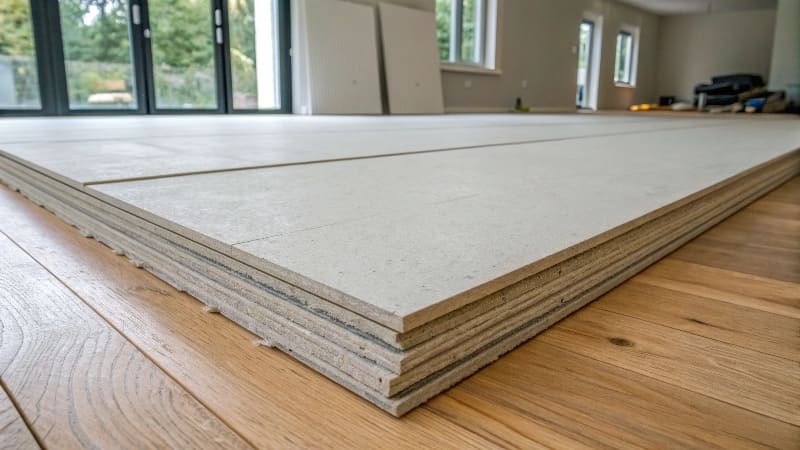
Cement board can crack under extreme thermal shock, but with proper installation and ventilation, this risk remains minimal. Cracking occurs when rapid temperature changes cause uneven expansion or when boards are fixed too rigidly without thermal allowance.
Why Cracks Happen and How to Prevent Them
In our production testing, we found that cracks are rarely due to temperature alone—they result from system stress caused by poor mounting or incompatible materials.
| Cause | Mechanism | Prevention |
|---|---|---|
| Direct flame contact | Uneven heat expansion | Use gaps or refractory lining |
| Rigid fixation | No room for board expansion | Install with flexible screws or channels |
| Thermal shock | Sudden temperature jumps | Allow gradual heating/cooling |
| Moisture trapped | Steam pressure during heating | Dry boards before installation |
As long as it’s fitted with proper spacing and dry mounting, cement board remains strong and crack-free under repeated heating cycles—a reason why professionals rely on it for durable heat protection.
Conclusion
Cement board comfortably handles up to 300°C, doesn’t burn, and serves well as a heat shield. It’s not a top thermal insulator, but its strength lies in resisting deformation and cracking under heat. In any building, its purpose is not just to block flames or heat—it’s to stabilize thermal environments, ensuring safety and longevity in high-temperature applications.
