




How Often Do I Need to Repaint Fiber Cement Siding in the Tropics?
Repaint fiber cement siding in tropical climates every 5-7 years for high-quality acrylic paints or 3-5 years for standard latex paints, with frequency depending on UV exposure intensity, salt air proximity, humidity levels, and paint quality, while premium elastomeric coatings can extend intervals to 8-10 years with proper surface preparation and primer application.
High-quality acrylic paints provide 5-7 year durability in tropical conditions through UV-resistant formulations and flexible film properties. Premium elastomeric coatings extend repainting intervals to 8-10 years with superior adhesion and weather resistance. UV exposure intensity significantly affects paint degradation requiring more frequent maintenance on south-facing walls. Salt air proximity accelerates coating breakdown through chemical corrosion processes. Surface preparation quality directly impacts paint longevity with proper priming essential for maximum adhesion.
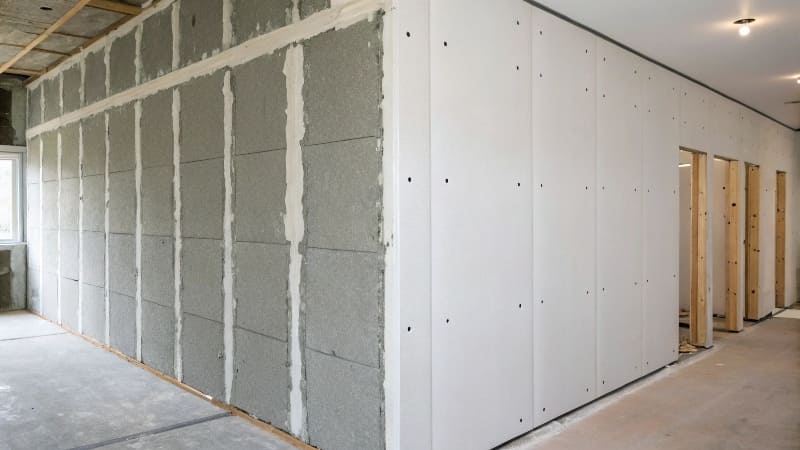
From my extensive manufacturing experience, I've observed that proper surface preparation and primer selection have greater impact on paint longevity than the choice between paint brands.
Can I Pressure Wash Fiber Cement Boards to Remove Algae and Mold?
You can pressure wash fiber cement boards to remove algae and mold using low-pressure settings under 1500 PSI with wide-angle nozzles, maintaining 12-18 inch distances, adding mild detergent solutions for biological growth, and avoiding high-pressure direct streams that could damage surface texture or force water into panel joints and underlying structure.
Low-pressure washing under 1500 PSI safely removes surface contamination without damaging cement matrix or surface texture. Wide-angle nozzles distribute water pressure evenly preventing concentrated force that causes surface erosion. Proper distance of 12-18 inches ensures effective cleaning while protecting panel integrity. Mild detergent solutions enhance biological growth removal through chemical action rather than mechanical force. Joint protection prevents water infiltration behind panels causing structural moisture problems.
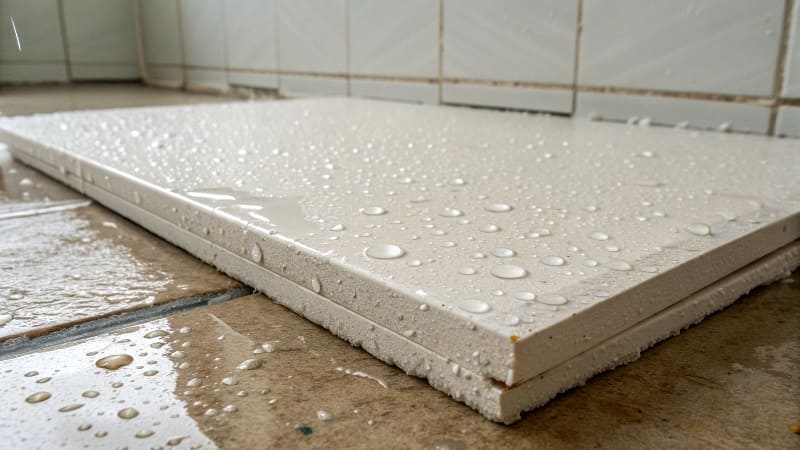
Safe Pressure Washing Parameters
Recommended pressure washing settings for fiber cement board cleaning.
| Parameter | Safe Range | Optimal Setting | Risk Level | Effectiveness |
|---|---|---|---|---|
| Pressure (PSI) | 800-1500 | 1200 | Low | High |
| Nozzle Angle | 25-40° | 25° | Low | Excellent |
| Distance (inches) | 12-24 | 18 | Low | Good |
| Water Temperature | Cold-warm | Cold | None | Adequate |
| Detergent Strength | 1-3% solution | 2% | None | High |
1200 PSI with 25° nozzle provides optimal cleaning with minimal risk.
Cleaning Solutions
Effective cleaning agents for biological growth removal from fiber cement.
| Solution Type | Concentration | Contact Time | Effectiveness | Safety Level |
|---|---|---|---|---|
| Bleach Solution | 1:10 ratio | 10-15 minutes | Excellent | Moderate |
| TSP Substitute | 2-3% solution | 15-20 minutes | Good | High |
| Oxygen Bleach | Per label | 20-30 minutes | Good | Very High |
| Commercial Cleaner | Per label | 10-15 minutes | Excellent | High |
| Vinegar Solution | 1:1 ratio | 30-45 minutes | Moderate | Very High |
Commercial cleaners provide best balance of effectiveness and safety.
Pressure Washing Technique
Proper technique for cleaning fiber cement siding without damage.
| Technique Aspect | Correct Method | Common Mistake | Damage Risk | Prevention Strategy |
|---|---|---|---|---|
| Water Direction | Top to bottom | Random pattern | Low | Systematic approach |
| Overlap Pattern | 50% overlap | No overlap | Low | Consistent coverage |
| Joint Approach | Parallel to joints | Perpendicular | High | Careful positioning |
| Dwell Time | Brief contact | Extended exposure | Moderate | Quick passes |
| Rinsing | Thorough rinse | Inadequate rinse | Low | Complete removal |
Joint protection is most critical for preventing water infiltration.
What is the Best Type of Paint for Long-Term Adhesion to Cement Boards?
The best paint for long-term adhesion to cement boards is high-quality acrylic latex with alkali-resistant properties, applied over alkali-resistant primer specifically formulated for masonry substrates, providing excellent flexibility, UV resistance, and moisture permeability while preventing alkaline bleed-through that degrades standard paint systems.
Acrylic latex paints with alkali-resistant formulation provide superior adhesion to cement substrates through chemical compatibility. Alkali-resistant primers prevent alkaline bleed-through that degrades paint films over time. Flexible formulations accommodate thermal movement without cracking or peeling. Moisture permeability allows vapor transmission preventing trapped moisture and coating failure. UV-resistant pigments maintain color stability and film integrity under intense tropical sunlight.
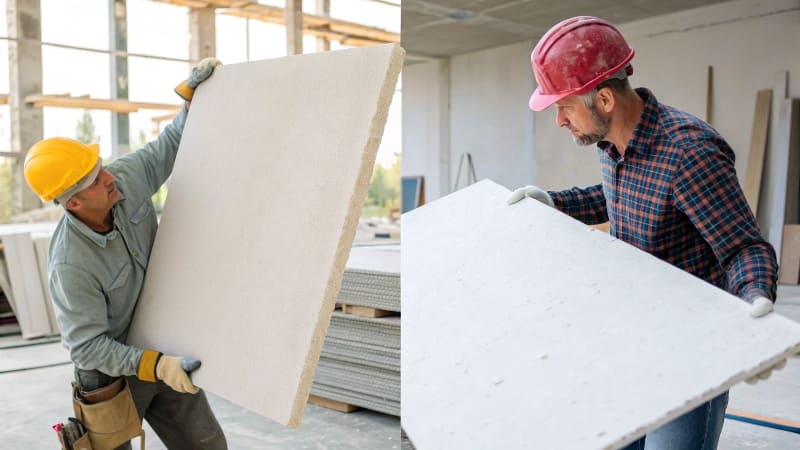
Paint System Components
Essential components for long-lasting paint systems on fiber cement.
| System Component | Function | Performance Impact | Cost Factor | Longevity Benefit |
|---|---|---|---|---|
| Alkali-Resistant Primer | Substrate preparation | Critical | +25% | Major |
| High-Build Primer | Surface leveling | Moderate | +15% | Moderate |
| Acrylic Latex Paint | Protection/aesthetics | High | Baseline | High |
| Elastomeric Coating | Maximum flexibility | Very High | +60% | Very High |
| Clear Protective Coat | Enhanced durability | Moderate | +20% | Moderate |
Alkali-resistant primer provides most critical performance improvement.
Paint Performance Comparison
Comparative performance of different paint types on fiber cement substrates.
| Paint Type | Adhesion Rating | UV Resistance | Flexibility | Moisture Handling | Tropical Suitability |
|---|---|---|---|---|---|
| Standard Latex | Fair | Moderate | Good | Good | Marginal |
| Acrylic Latex | Excellent | Good | Excellent | Good | Very Good |
| Elastomeric | Excellent | Excellent | Excellent | Excellent | Excellent |
| Silicone-Acrylic | Good | Excellent | Good | Excellent | Good |
| Epoxy | Excellent | Poor | Poor | Poor | Poor |
Elastomeric coatings provide best overall performance in tropical climates.
Application Requirements
Critical application factors for maximum paint adhesion and longevity.
| Application Factor | Standard Practice | Cement Board Requirement | Performance Impact | Quality Control |
|---|---|---|---|---|
| Surface Preparation | Clean surface | Alkaline neutralization | Critical | pH testing |
| Primer Application | Optional | Essential | Major | Coverage verification |
| Paint Thickness | 3-4 mils | 4-6 mils | Moderate | Wet film gauge |
| Curing Conditions | Standard | Low humidity preferred | Moderate | Environmental monitoring |
| Number of Coats | 1-2 coats | 2-3 coats minimum | High | Film thickness check |
Surface preparation and primer application are most critical for long-term adhesion.
How to Repair a Cracked or Chipped Fiber Cement Panel?
Repair cracked fiber cement panels using flexible acrylic caulk for hairline cracks, fiber-reinforced patching compound for chips, mesh tape with joint compound for larger cracks, and full panel replacement for extensive damage, ensuring proper surface preparation, moisture protection, and color-matched finishing for invisible repairs.
Flexible acrylic caulk fills hairline cracks while accommodating thermal movement preventing crack reopening. Fiber-reinforced patching compound rebuilds chipped areas with structural integrity matching original panel properties. Mesh tape systems bridge larger cracks distributing stress across repair area. Surface preparation removes loose material and creates bonding surface for repair materials. Color-matched finishing ensures invisible repairs maintaining aesthetic continuity.
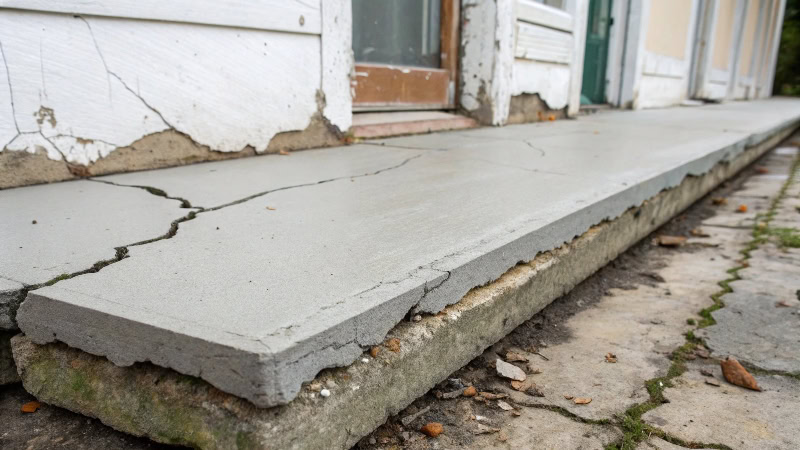
Repair Methods by Damage Type
Appropriate repair techniques for different types of fiber cement damage.
| Damage Type | Repair Method | Materials Required | Difficulty Level | Durability Rating |
|---|---|---|---|---|
| Hairline Crack | Flexible caulk | Acrylic sealant | Easy | Good |
| Small Chip | Patching compound | Fiber-reinforced filler | Moderate | Excellent |
| Large Crack | Mesh tape system | Tape and compound | Moderate | Excellent |
| Corner Damage | Patch and reshape | Multiple materials | Difficult | Good |
| Extensive Damage | Panel replacement | New panel | Difficult | Excellent |
Mesh tape systems provide most durable repairs for structural cracks.
Repair Materials Comparison
Performance characteristics of different repair materials for fiber cement.
| Material Type | Adhesion | Flexibility | Durability | Weather Resistance | Cost Factor |
|---|---|---|---|---|---|
| Acrylic Caulk | Good | Excellent | Good | Good | Low |
| Polyurethane Sealant | Excellent | Excellent | Excellent | Excellent | High |
| Fiber-Reinforced Compound | Excellent | Moderate | Excellent | Excellent | Moderate |
| Standard Joint Compound | Fair | Poor | Fair | Poor | Very Low |
| Epoxy Filler | Excellent | Poor | Excellent | Good | High |
Polyurethane sealants offer best overall performance but higher cost.
Repair Process Steps
Detailed repair process for optimal results and longevity.
| Process Step | Procedure | Critical Factors | Time Required | Quality Check |
|---|---|---|---|---|
| Damage Assessment | Evaluate extent | Structural impact | 15 minutes | Measurement |
| Surface Preparation | Clean and prep | Complete debris removal | 30 minutes | Visual inspection |
| Material Application | Apply repair material | Proper technique | 45 minutes | Thickness check |
| Curing Period | Allow proper cure | Environmental conditions | 24-48 hours | Hardness test |
| Finishing | Sand and paint | Color matching | 2-3 hours | Appearance check |
Surface preparation quality determines repair longevity more than material choice.
Prevention Strategies
Measures to prevent future cracking and chipping of fiber cement panels.
| Prevention Method | Effectiveness | Implementation Cost | Maintenance Required | Long-term Benefit |
|---|---|---|---|---|
| Proper Installation | High | None (initial) | None | Major |
| Expansion Joints | High | Low | Minimal | Major |
| Regular Inspection | Moderate | Very Low | Quarterly | Moderate |
| Protective Coatings | Moderate | Moderate | Periodic | Moderate |
| Impact Protection | High | Low-Moderate | None | High |
Proper installation with expansion joints provides most effective crack prevention.
Conclusion
Repaint fiber cement siding every 5-7 years for high-quality acrylic paints or 3-5 years for standard latex in tropical climates with premium elastomeric coatings extending intervals to 8-10 years depending on UV exposure and salt air proximity. Pressure wash fiber cement safely using low-pressure settings under 1500 PSI with wide-angle nozzles at 12-18 inch distances adding mild detergent solutions while avoiding high-pressure streams that damage surface texture. Best paint for long-term adhesion is high-quality acrylic latex with alkali-resistant properties applied over alkali-resistant primer providing excellent flexibility and UV resistance while preventing alkaline bleed-through. Repair cracked panels using flexible acrylic caulk for hairline cracks, fiber-reinforced patching compound for chips, mesh tape systems for larger cracks, and panel replacement for extensive damage with proper surface preparation and color-matched finishing. Success with fiber cement siding maintenance requires understanding that tropical climates demand more frequent repainting cycles due to intense UV and humidity, pressure washing must use appropriate settings to avoid surface damage while effectively removing biological growth, paint system selection prioritizes alkali resistance and flexibility over basic coverage, and repair techniques vary by damage type with surface preparation being critical for lasting results, making systematic maintenance essential for maximizing siding longevity in challenging tropical environments.
