




How long does cement fiber siding last?
When I talk to homeowners about exterior materials, most worry about upfront cost and skip the real deal—how long the siding can last.
Fiber cement siding typically lasts 30–50 years, and up to 70 years with proper care, depending on the brand, installation, and maintenance.
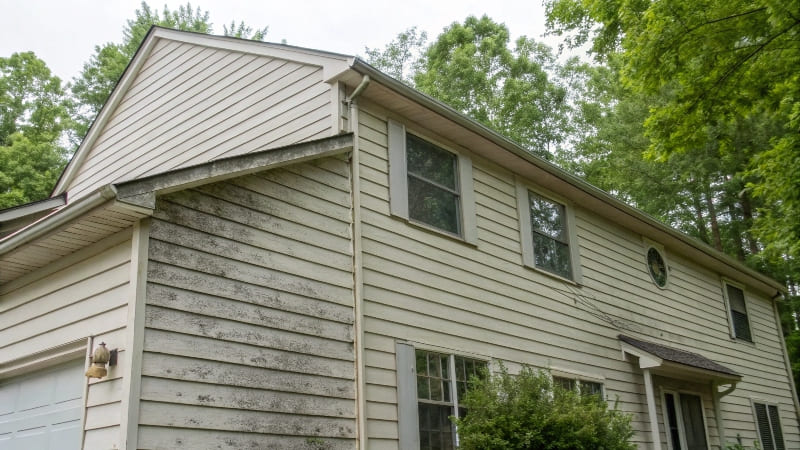
Many people don’t realize how durable fiber cement siding can be until they compare its lifespan to wood or vinyl. It isn’t just about looks or trends—it’s about the structure surviving year after year with minimal headaches.
What is the lifespan of fiber cement board?
People often assume fiber cement board has a similar lifespan to other panels, but it's much more resilient than most materials.
The typical lifespan of fiber cement board is 30–50 years, with premium products lasting 50–70 years under ideal maintenance conditions.
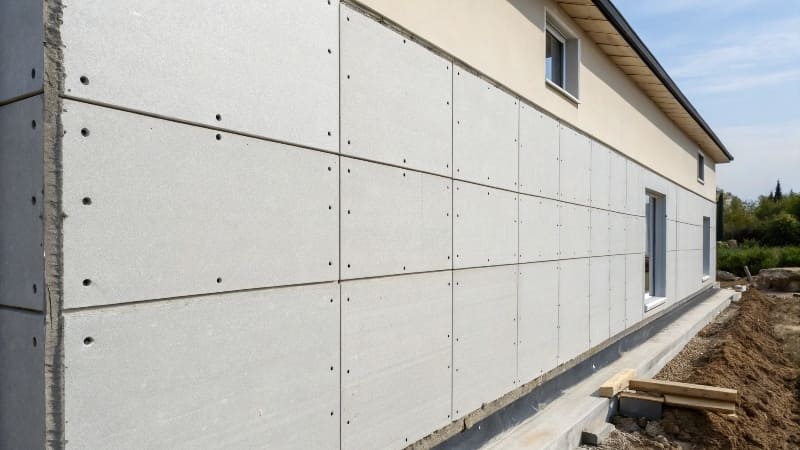
I remember one commercial project where we used fiber cement panels on an oceanfront building. After 20 years, the surface showed minor fading but no cracks or warping. That’s because fiber cement is composed of cement, silica sand, cellulose fiber, and additives that resist fire, moisture, and insects. It doesn’t rot or swell like wood does in humid or cold weather.
Here’s how its makeup contributes to longevity:
| Property | Benefit | Effect on Lifespan |
|---|---|---|
| Cement content | Structural rigidity | Prevents warping and cracking |
| Cellulose fiber | Flexibility | Reduces stress fractures |
| Sand and additives | Resistance to wear | Slows aging process |
| Surface coating | UV protection | Keeps panels from fading |
When installed correctly, fiber cement siding keeps its form and color with almost no issues. The only thing that shortens its lifespan is poor installation or neglected maintenance like missing paint touch-ups around joints.
What are the disadvantages of fiber cement siding?
Even though fiber cement lasts decades, it’s not perfect. Some drawbacks can cause hesitation for homeowners.
Main disadvantages include high initial cost, heavy weight, and labor-intensive installation compared to wood siding.
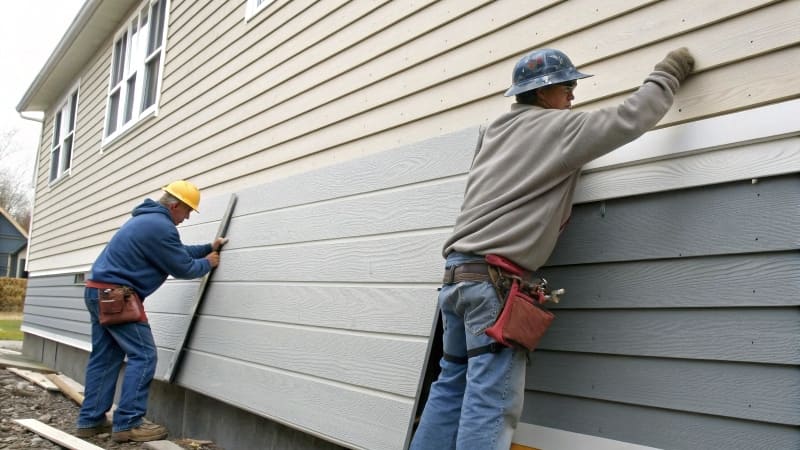
When I first worked with fiber cement boards, I realized that handling them was tougher than wood. Each panel weighs more than twice as much as a wood plank. You need a team and proper cutting equipment since the dust from cutting contains silica, which demands protective gear.
Here’s a breakdown of its challenges and trade-offs:
| Factor | Issue | Why It Matters |
|---|---|---|
| Weight | Heavier than wood | Requires more manpower, affects labor cost |
| Cutting | Produces silica dust | Needs proper PPE and safe tools |
| Cost | 20–30% higher upfront | Impacts initial project budget |
| Repairs | Harder to patch | Damaged sections may need full replacement |
| Appearance | Less natural texture | Some people prefer wood’s warm look |
Despite these issues, professional installers often recommend fiber cement because it saves money over decades. The lower maintenance cost and long lifespan balance out the higher start-up cost. I’ve seen projects where the lifetime cost of fiber cement was half that of continuously repainted wood siding.
Can wood siding last 100 years?
Wood siding carries nostalgia and natural beauty, but can it really last a century?
Yes, some hardwood sidings can last close to 100 years, but only with exceptional care and ideal conditions.
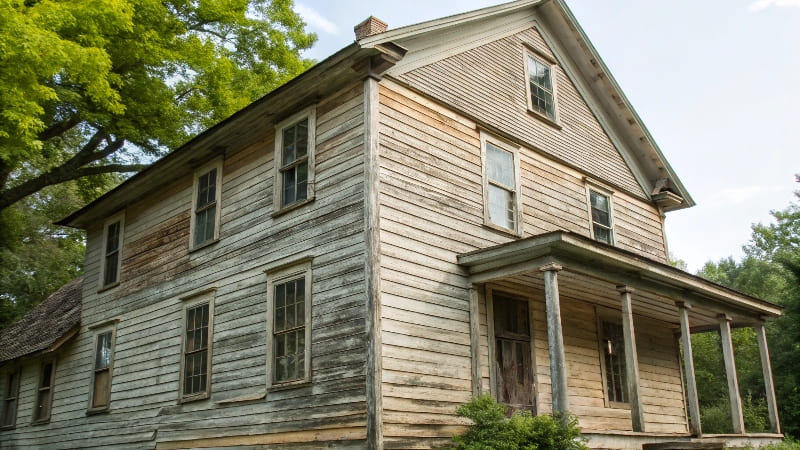
On one old craftsman home I visited, the cedar siding had been there for more than 80 years. The owner had meticulously repainted every five years and replaced sections damaged by moisture or insects. That dedication paid off.
Here’s the reality about wood siding maintenance versus lifespan:
| Wood Type | Typical Lifespan | Maintenance Frequency |
|---|---|---|
| Cedar / Redwood | 60–100 years | Repaint every 3–7 years |
| Pine / Spruce | 20–40 years | Seal and paint often |
| Engineered wood | 30–50 years | Moderate upkeep |
| Untreated wood | 15–25 years | High risk of rot |
Wood can last for generations, but its survival depends heavily on climate and care. High humidity, heavy rain, or termites can cut its lifespan short. In contrast, fiber cement handles those threats better and needs far fewer repairs. That’s why many building professionals, including me, choose fiber cement for long-term savings and durability—even if it means sacrificing some warmth of wood tone.
Conclusion
Fiber cement siding lasts 30–70 years with little maintenance, while wood can reach 100 years only with heavy upkeep and ideal conditions—choose durability that fits your lifestyle.
