



How Is The Wood-Grain Texture Applied To Fiber Cement Board?
Wood-grain texture is usually applied to fiber cement board through embossing rollers, textured molds, or press plates while the board is still semi-wet during production.
The texture is then cured into the surface, creating a durable wood-like appearance with cement-based strength and stability.
TRUSUS texture insight: fiber cement board is no longer only a structural material. It is increasingly becoming a decorative architectural surface that combines durability with visual design.
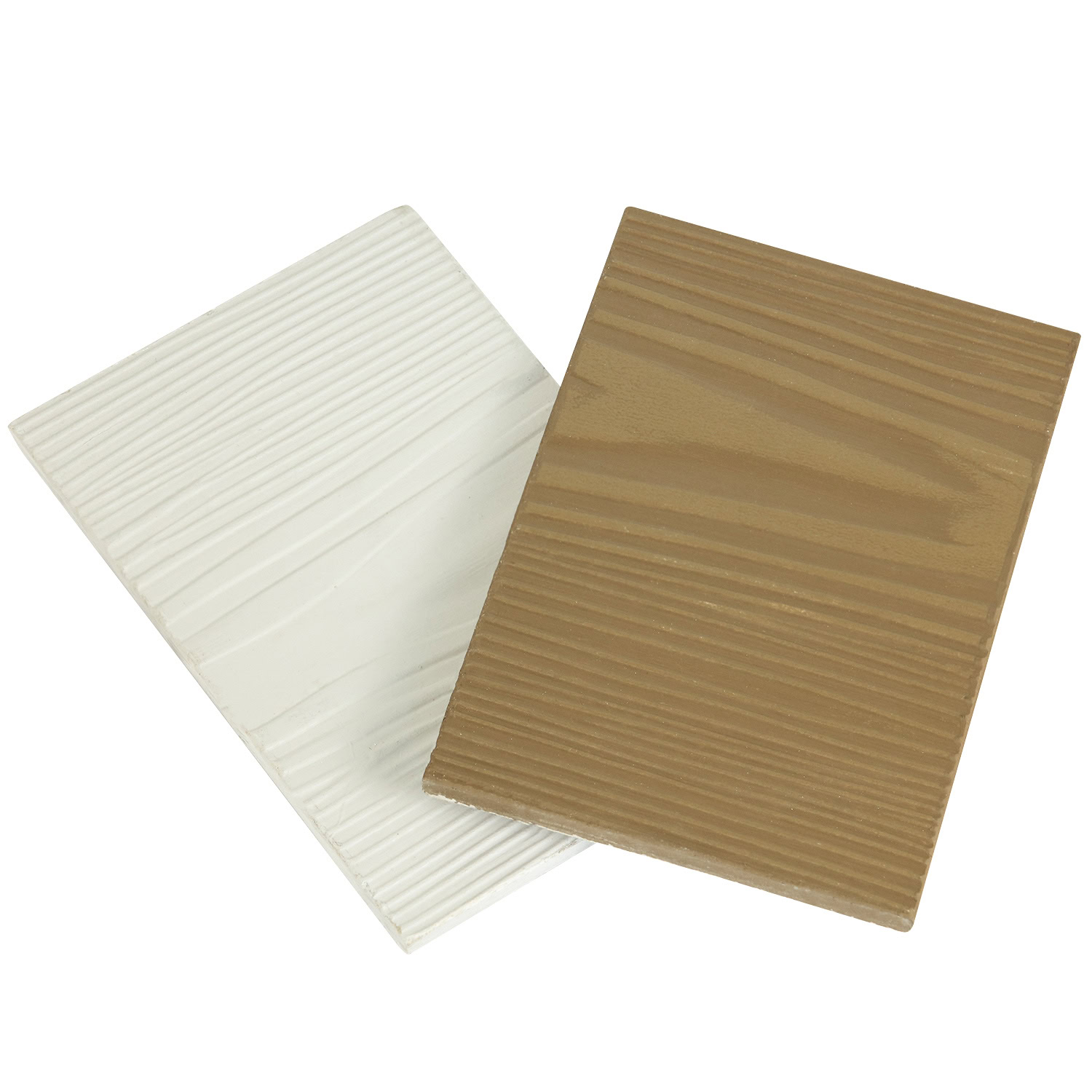
I have seen growing demand for fiber cement boards that imitate natural wood while offering better weather resistance and fire performance.
This trend is changing how customers evaluate building materials.
Common Wood-Grain Texturing Methods
| Texturing Method | Process Description |
|---|---|
| Embossing rollers | Continuous surface pressing |
| Mold pressing | Pattern transfer using textured molds |
| Laser engraving | Precision texture detailing |
Different methods create different surface depths and realism.
Why Texture Is Applied During Production
| Production Stage | Benefit |
|---|---|
| Semi-wet board stage | Better texture definition |
| Controlled curing | Long-term surface durability |
Applying texture before full curing improves bonding strength.
Why Wood-Grain Fiber Cement Is Growing In Popularity
| Traditional Wood Cladding | Wood-Grain Fiber Cement Board |
|---|---|
| Vulnerable to moisture | Moisture resistant |
| Fire risk concerns | Non-combustible surface |
| Regular maintenance required | Lower maintenance demand |
Many architects now want natural aesthetics without natural material limitations.
Texture Depth And Visual Realism
| Texture Characteristic | Visual Effect |
|---|---|
| Shallow texture | Subtle appearance |
| Medium-depth texture | Balanced realism |
| Deep texture | Strong visual contrast |
Texture depth affects both appearance and finishing methods.
Why Decorative Surfaces Are Becoming More Important
| Earlier Fiber Cement Applications | Modern Fiber Cement Applications |
|---|---|
| Hidden structural backing | Exposed decorative surfaces |
| Pure performance focus | Performance and aesthetics balance |
| Utility-driven projects | Design-driven projects |
Architectural materials increasingly need to support visual identity.
The Industry Shift Behind This Trend
| Traditional Cement Board Manufacturing | Architectural Surface Design Manufacturing |
|---|---|
| Structural product development | Decorative system development |
| Standardized finishes | Customized visual effects |
| Engineering-only value | Engineering and design value |
I believe decorative surface technology will become one of the most important competitive areas in future fiber cement manufacturing.
Can You Customize The Embossing Pattern For Fiber Cement Board Orders?
Yes, embossing patterns for fiber cement boards can be customized through specialized molds, CNC engraving systems, flexible press templates, and digital surface design technologies.
Custom textures allow architects and developers to create unique visual identities for projects.
TRUSUS customization insight: texture customization is transforming fiber cement boards from commodity panels into architectural branding materials.
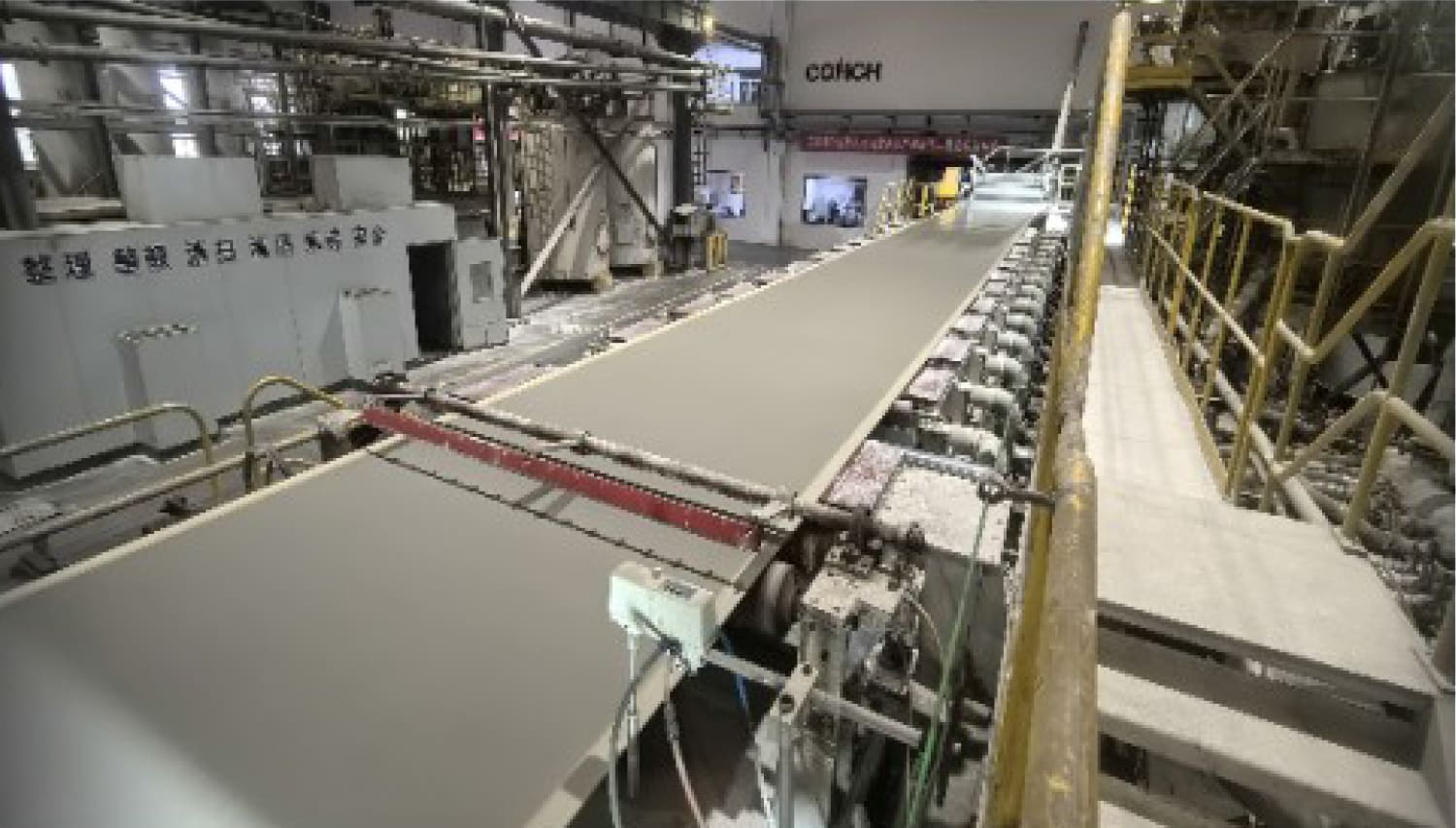
More clients now request project-specific textures instead of standard factory patterns.
This shift reflects growing demand for architectural differentiation.
Common Customization Options
| Customization Type | Design Possibility |
|---|---|
| Wood-grain variation | Natural timber simulation |
| Stone-inspired textures | Mineral appearance effects |
| Geometric patterns | Contemporary architectural styles |
Texture customization supports many design directions.
How Custom Embossing Is Created
| Production Technology | Function |
|---|---|
| CNC mold engraving | Precise pattern shaping |
| Flexible press molds | Repeated texture transfer |
| Digital texture mapping | Custom pattern development |
Modern technology improves customization accuracy.
Factors That Affect Custom Texture Production
| Design Factor | Production Impact |
|---|---|
| Texture depth | Mold complexity |
| Pattern repetition | Manufacturing efficiency |
| Surface detail level | Production precision requirements |
Highly complex textures may increase production costs.
Why Designers Want Custom Textures
| Standard Building Materials | Customized Surface Materials |
|---|---|
| Generic appearance | Unique project identity |
| Limited visual variation | Personalized architecture |
| Function-focused design | Experience-focused design |
Architectural branding increasingly depends on material appearance.
Why Customization Creates Higher Value
| Traditional Fiber Cement Market | Customized Architectural Surface Market |
|---|---|
| Volume-based competition | Design-value competition |
| Standard product pricing | Premium customization pricing |
| Broad market targeting | Specialized design partnerships |
Customized products often create stronger project differentiation.
Why Manufacturers Are Expanding Design Services
| Older Manufacturing Role | Modern Design Collaboration Role |
|---|---|
| Product fabrication only | Texture development partnership |
| Standard production systems | Flexible customization systems |
| Factory-centered operations | Designer-centered collaboration |
I increasingly see manufacturers becoming part of the architectural creative process itself.
The Future Of Decorative Cement Board Systems
| Traditional Construction Materials | Architectural Design Platforms |
|---|---|
| Functional surface panels | Design-driven façade systems |
| Fixed product catalogs | Dynamic customization ecosystems |
| Industrial production focus | Creative engineering integration |
Future growth will increasingly depend on combining manufacturing precision with architectural creativity.
Does Deep Texturing Affect The Structural Integrity Of Cement Board?
Yes, deep texturing can affect the structural integrity of cement board if the texture depth removes too much surface material or creates uneven stress distribution.
Most manufacturers limit texture depth to maintain strength, dimensional stability, and long-term durability.
TRUSUS structural insight: decorative performance and structural reliability must always remain balanced in fiber cement board engineering.
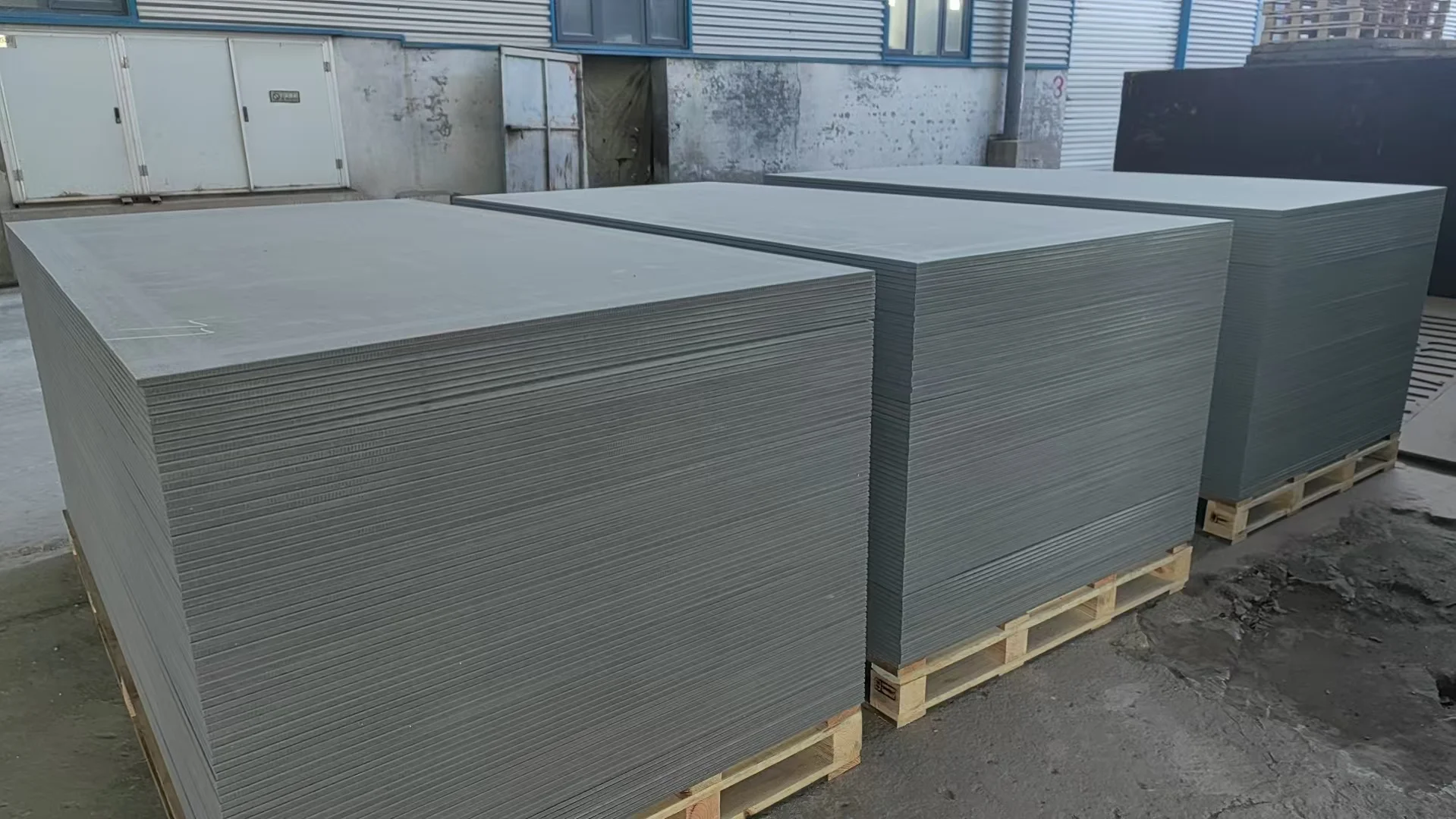
Many clients want stronger texture definition because it creates more realistic architectural surfaces.
However, deeper textures also create engineering challenges.
How Texture Depth Affects Board Strength
| Texture Condition | Structural Effect |
|---|---|
| Light texture | Minimal strength impact |
| Medium texture | Controlled performance balance |
| Excessive deep texture | Potential structural weakening |
Surface profiling changes load distribution behavior.
Why Texture Depth Is Usually Controlled
| Technical Concern | Risk |
|---|---|
| Reduced surface thickness | Lower impact resistance |
| Uneven compression zones | Stress concentration |
| Sharp texture geometry | Crack initiation risk |
Controlled texture depth protects product durability.
Typical Recommended Texture Depths
| Texture Style | Common Depth Range |
|---|---|
| Fine wood grain | 0.5–1 mm |
| Medium embossed texture | 1–1.5 mm |
| Heavy architectural texture | Up to 2 mm |
Depth limitations help maintain structural stability.
How Manufacturers Balance Strength And Appearance
| Engineering Strategy | Benefit |
|---|---|
| Optimized board density | Improved durability |
| Reinforced fiber distribution | Better crack resistance |
| Controlled curing processes | Stable surface performance |
Surface design must work together with internal material engineering.
Why Structural Reliability Still Matters
| Decorative Goal | Engineering Requirement |
|---|---|
| Strong visual realism | Long-term façade durability |
| Architectural texture depth | Safe installation performance |
| Premium surface appearance | Weather resistance stability |
Decorative boards still function as building materials first.
Why Customers Now Expect Both Function And Beauty
| Earlier Building Material Expectations | Modern Architectural Expectations |
|---|---|
| Structural performance only | Structural and visual performance |
| Hidden support materials | Exposed decorative materials |
| Utility-based selection | Experience-based selection |
The market increasingly values integrated material performance.
The Industry Transformation Behind This Shift
| Traditional Cement Board Industry | Decorative Engineering Materials Industry |
|---|---|
| Strength-focused manufacturing | Balanced engineering and aesthetics |
| Utility product development | Architectural experience design |
| Performance-only marketing | Performance and visual storytelling |
I believe future fiber cement innovation will depend heavily on balancing technical reliability with surface artistry.
How To Paint Textured Fiber Cement Board For A Multi-Tone Look?
To create a multi-tone look on textured fiber cement board, apply a penetrating primer first, then use layered paint colors with dry brushing, sponge techniques, or spray shading to highlight surface texture depth.
A protective topcoat helps preserve color variation and weather resistance.
TRUSUS finishing insight: textured fiber cement surfaces achieve their full architectural value only when finishing systems are carefully designed to enhance depth and realism.
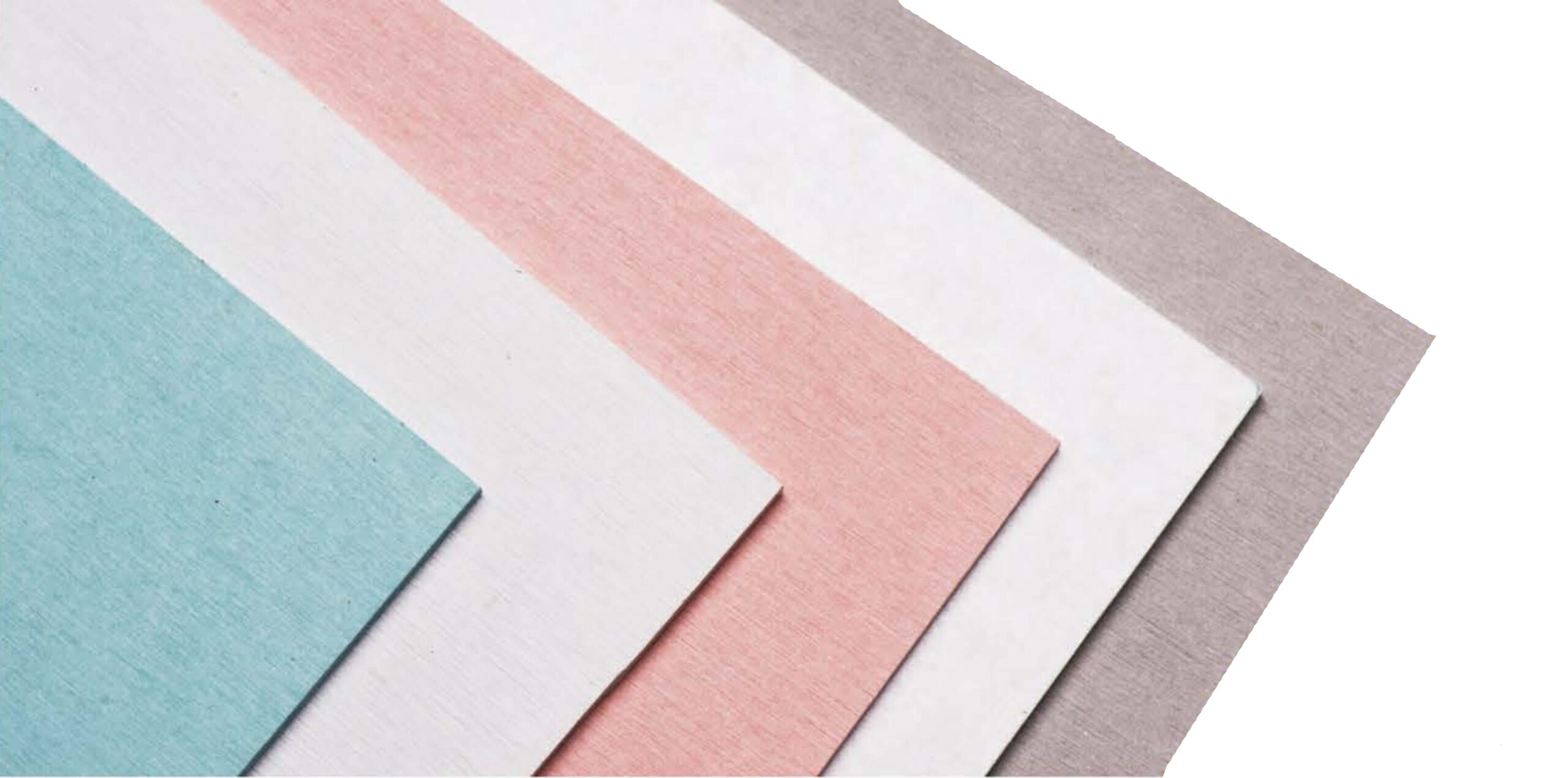
Painting textured fiber cement boards requires a different approach from painting smooth flat surfaces.
The texture itself becomes part of the visual design.
Recommended Painting Process
| Painting Stage | Purpose |
|---|---|
| Penetrating primer | Surface sealing |
| Base color coat | Primary tone establishment |
| Secondary accent layer | Texture enhancement |
| Protective topcoat | Weather resistance |
Layered systems improve depth and durability.
Common Multi-Tone Painting Techniques
| Technique | Visual Effect |
|---|---|
| Dry brushing | Highlight raised textures |
| Sponge application | Natural tonal variation |
| Spray shading | Soft depth transitions |
Different techniques create different architectural styles.
Why Primers Are Important
| Primer Benefit | Performance Improvement |
|---|---|
| Surface stabilization | Better paint adhesion |
| Moisture control | Reduced coating failure |
| Uniform absorption | More consistent coloring |
Primers improve coating lifespan significantly.
How Texture Influences Paint Appearance
| Texture Characteristic | Color Effect |
|---|---|
| Deep grooves | Strong shadow contrast |
| Fine grain patterns | Soft natural variation |
| Layered textures | Rich visual depth |
Texture changes how light interacts with painted surfaces.
Why Multi-Tone Finishes Are Increasingly Popular
| Traditional Cement Board Appearance | Modern Decorative Cement Board Appearance |
|---|---|
| Flat monochrome surfaces | Layered architectural finishes |
| Pure utility aesthetics | Natural material simulation |
| Minimal visual depth | Rich visual texture |
Clients increasingly seek premium visual experiences.
Why Decorative Finishing Creates Higher Project Value
| Standard Surface Treatment | Advanced Architectural Finishing |
|---|---|
| Basic protection coatings | Design-focused finishing systems |
| Uniform color application | Artistic surface enhancement |
| Commodity appearance | Premium architectural identity |
Finishing quality often determines final visual impact.
The Future Of Decorative Fiber Cement Design
| Traditional Building Material Finishes | Integrated Architectural Surface Systems |
|---|---|
| Single-layer coatings | Multi-dimensional finish systems |
| Basic weather protection | Combined protection and aesthetics |
| Generic color schemes | Customized visual storytelling |
I increasingly see decorative finishing becoming a major part of architectural material innovation and project differentiation.
Conclusion
At TRUSUS, I see fiber cement boards evolving from hidden structural products into visible architectural design surfaces.
Future success will depend on combining engineering strength, texture innovation, customization flexibility, and advanced decorative finishing systems.