



How High Should Fiber Cement Board Be Kept Above The Soil?
Fiber cement board should usually be installed at least 6–8 inches (15–20 cm) above soil level to reduce moisture exposure, prevent water damage, and improve airflow around the structure. Proper ground clearance helps extend siding and skirting lifespan.
TRUSUS installation insight: customers today increasingly understand that long-term durability depends as much on installation details as on the material itself.
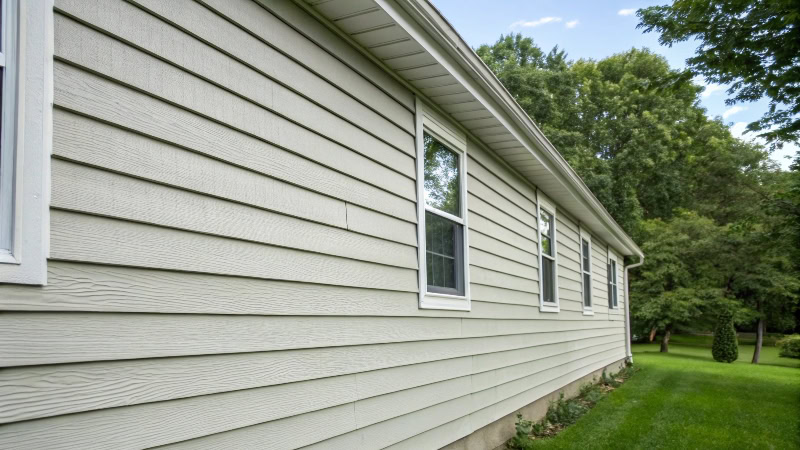
I increasingly see homeowners and contractors asking detailed questions about moisture control and foundation protection before selecting exterior cladding systems.
This reflects a broader move toward performance-focused construction.
Why Ground Clearance Matters
| Ground Contact Risk | Possible Problem |
|---|---|
| Standing water | Moisture absorption |
| Soil contact | Edge deterioration |
| Limited airflow | Mold and mildew risk |
Good clearance improves long-term durability.
Recommended Clearance Areas
| Installation Area | Typical Clearance Recommendation |
|---|---|
| Soil surfaces | 6–8 inches |
| Concrete surfaces | 1–2 inches |
| Deck transitions | Maintain ventilation gap |
Different environments require different spacing.
Why Drainage Is Important
| Drainage Issue | Structural Impact |
|---|---|
| Poor water runoff | Moisture accumulation |
| Splash-back during rain | Edge saturation |
| Landscaping buildup | Reduced airflow |
Drainage design directly affects siding performance.
Why Modern Homes Need Better Foundation Protection
| Traditional Exterior Design | Modern Exterior Performance Design |
|---|---|
| Appearance-focused installation | Moisture-management-focused installation |
| Minimal ventilation planning | Long-term durability planning |
| Basic siding attachment | Integrated weather protection systems |
Foundation detailing increasingly affects maintenance costs.
Why Proper Installation Reduces Lifecycle Costs
| Poor Installation Result | Long-Term Cost Impact |
|---|---|
| Early panel damage | Frequent replacement |
| Moisture-related repairs | Increased maintenance expenses |
| Structural deterioration | Reduced property value |
Correct installation protects long-term investment value.
The Industry Shift Behind Foundation Questions
| Traditional Building Material Sales | Modern Building Envelope Consulting |
|---|---|
| Product-focused recommendations | System-based installation guidance |
| Basic installation advice | Moisture-control engineering support |
| Material sales competition | Technical expertise competition |
I increasingly believe installation guidance has become just as important as the material itself.
Can You Use Fiber Cement Board For Mobile Home Ground Skirting?
Yes, fiber cement board is widely used for mobile home ground skirting because it offers durability, weather resistance, fire resistance, and a clean architectural appearance. Proper framing, ventilation, and expansion detailing are important for long-term performance.
TRUSUS mobile housing insight: mobile housing customers increasingly expect the same appearance quality and durability standards found in permanent residential construction.
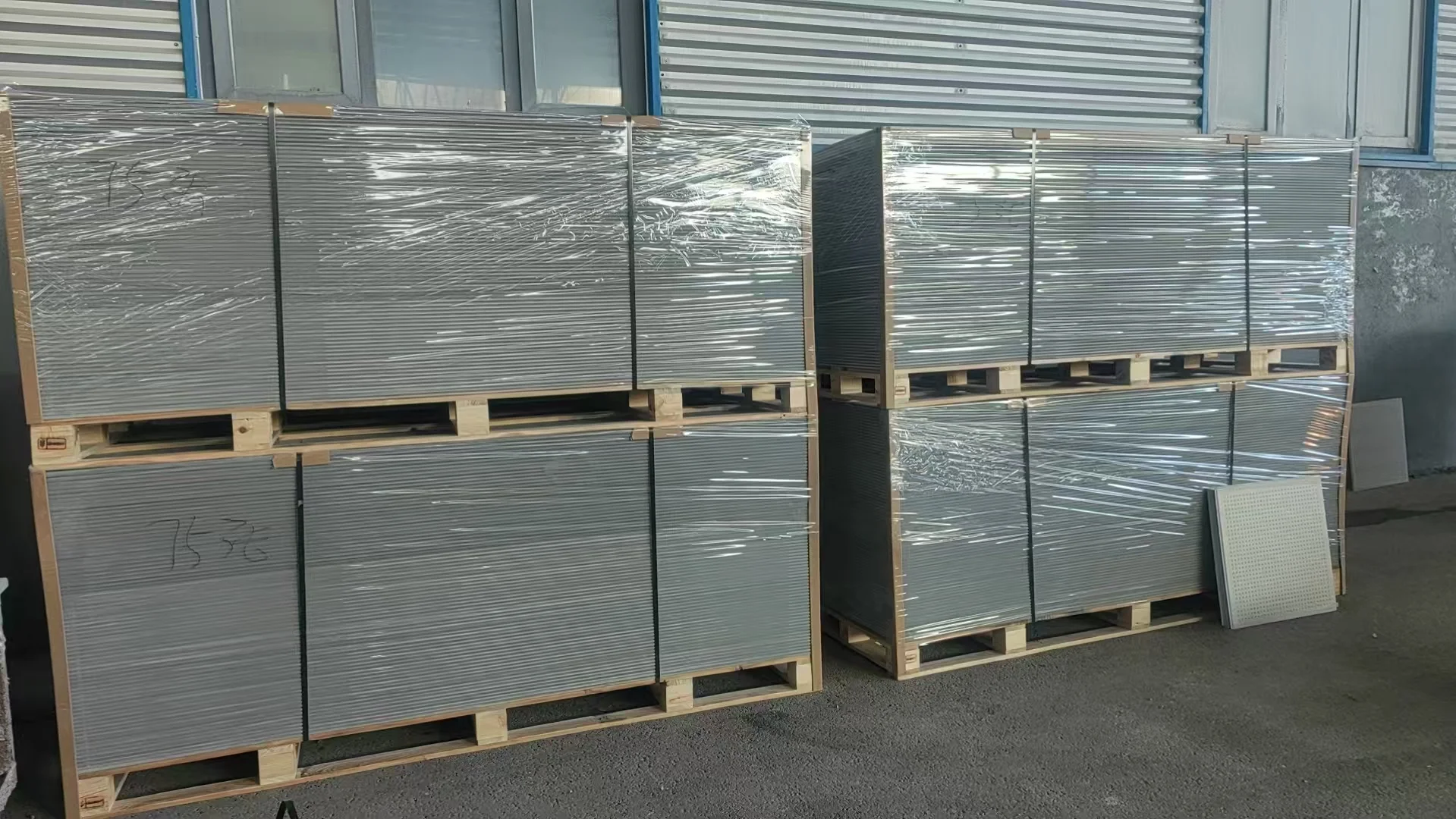
I increasingly see mobile homeowners moving away from low-cost plastic skirting toward stronger and more durable exterior systems.
The market now values both protection and aesthetics.
Why Fiber Cement Works Well For Skirting
| Material Property | Practical Benefit |
|---|---|
| Weather resistance | Better outdoor durability |
| Fire resistance | Improved safety |
| Rigid structure | Cleaner finished appearance |
Fiber cement combines function and appearance.
Important Installation Considerations
| Installation Factor | Purpose |
|---|---|
| Secure framing system | Structural stability |
| Ventilation openings | Moisture control |
| Flexible joint detailing | Thermal movement management |
Mobile structures require controlled flexibility.
Why Appearance Matters More Today
| Traditional Mobile Home Design | Modern Residential Expectations |
|---|---|
| Utility-focused skirting | Architectural integration |
| Low-cost temporary materials | Long-term exterior quality |
| Minimal visual attention | Improved curb appeal |
Residential expectations continue rising.
Why Ventilation Is Necessary
| Poor Ventilation Risk | Result |
|---|---|
| Trapped humidity | Mold growth |
| Reduced airflow | Moisture buildup |
| Temperature imbalance | Structural stress |
Good airflow supports healthier structures.
Why Customers Are Asking More Technical Questions
| Earlier Material Selection | Modern Performance Evaluation |
|---|---|
| Lowest upfront cost | Lifecycle durability focus |
| Simple visual comparison | Environmental performance analysis |
| Basic product purchasing | System solution planning |
Customers increasingly evaluate long-term ownership value.
The Market Transformation Behind Skirting Applications
| Traditional Fiber Cement Market | Expanded Multi-Application Market |
|---|---|
| Main wall cladding applications | Foundation and skirting systems |
| Standard residential use | Specialized modular housing use |
| Product-only competition | Application expertise competition |
I increasingly see mobile housing becoming an important growth area for fiber cement systems.
Does Cement Board Absorb Moisture If In Contact With Lawn Sprinklers?
Yes, fiber cement board can absorb some moisture when repeatedly exposed to lawn sprinklers, especially at edges and joints. However, quality fiber cement boards are designed to resist short-term water exposure without major structural damage if properly installed and ventilated.
TRUSUS moisture insight: water management is one of the most important factors affecting long-term exterior material performance.
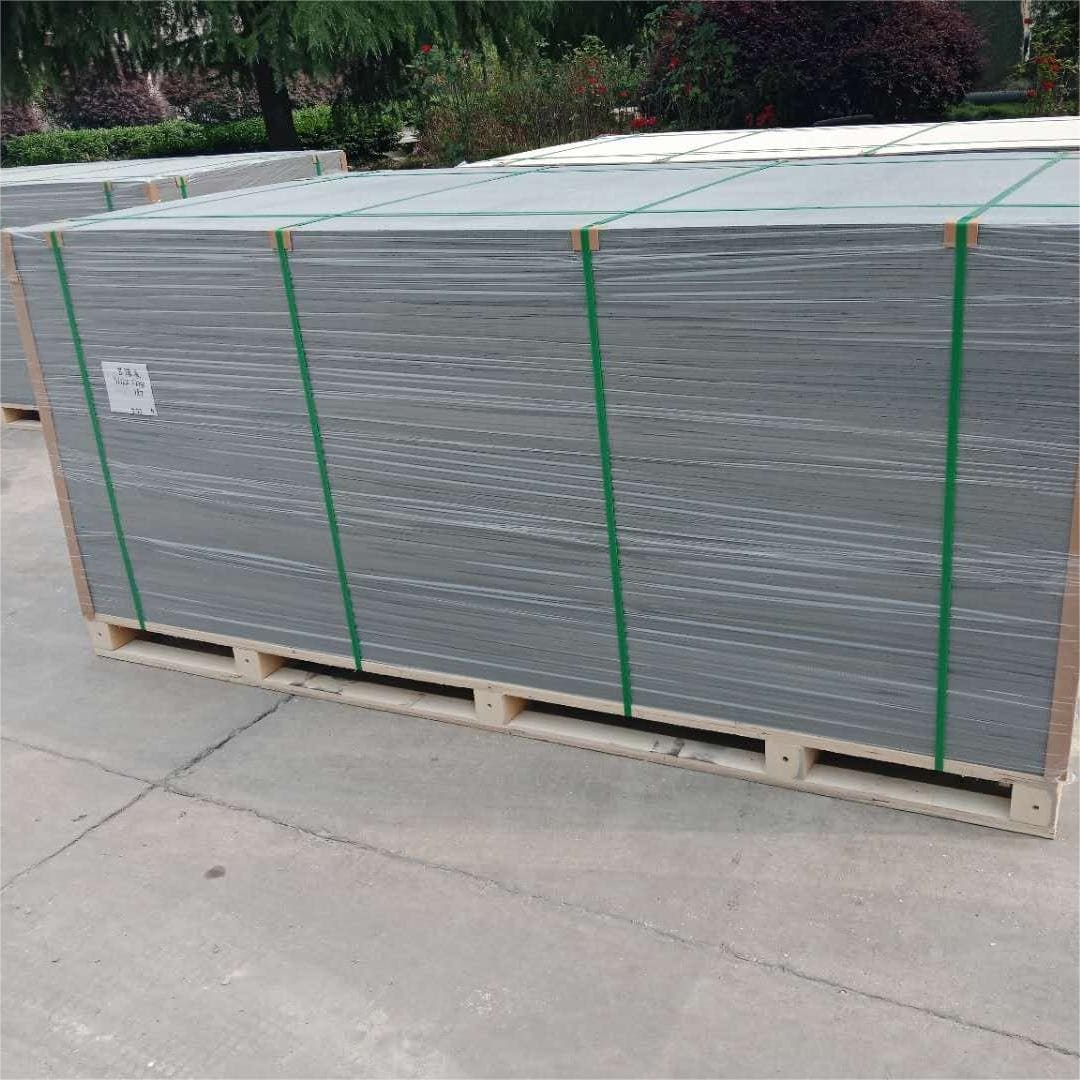
I increasingly see exterior material problems caused by landscaping design rather than by the building materials themselves.
Sprinkler placement matters more than many homeowners realize.
How Moisture Affects Fiber Cement
| Moisture Exposure Condition | Possible Effect |
|---|---|
| Constant edge saturation | Surface wear |
| Poor ventilation | Moisture retention |
| Long-term standing water | Reduced durability |
Repeated exposure increases material stress.
Why Sprinkler Design Is Important
| Sprinkler Problem | Building Impact |
|---|---|
| Direct spray contact | Continuous wetting |
| Overspray near siding | Surface staining |
| Poor drainage grading | Water accumulation |
Landscape planning affects building durability.
Best Practices For Moisture Protection
| Protection Method | Benefit |
|---|---|
| Adjust sprinkler direction | Reduced direct exposure |
| Maintain proper clearance | Better airflow |
| Seal vulnerable joints | Improved moisture resistance |
Preventive planning reduces maintenance needs.
Why Modern Exterior Design Requires Coordination
| Traditional Construction Approach | Modern Integrated Exterior Design |
|---|---|
| Separate landscape planning | Coordinated moisture management |
| Material-only focus | Whole-system durability planning |
| Reactive maintenance | Preventive environmental control |
Building performance increasingly depends on system integration.
Why Moisture Awareness Is Increasing
| Earlier Homeowner Priorities | Modern Homeowner Priorities |
|---|---|
| Appearance-focused decisions | Durability-focused decisions |
| Minimal maintenance planning | Long-term protection planning |
| Basic installation concerns | Environmental exposure management |
Customers increasingly understand lifecycle maintenance value.
The Industry Shift Behind Environmental Performance Questions
| Traditional Building Product Industry | Modern Building Performance Industry |
|---|---|
| Product feature marketing | Environmental suitability consulting |
| Basic installation support | Moisture management guidance |
| Generic recommendations | Site-specific solutions |
I increasingly believe environmental adaptation knowledge will become a major competitive advantage.
How To Prevent Pest Entry Through Fiber Cement Board Skirting?
To prevent pest entry through fiber cement board skirting, seal all joints and penetrations, maintain proper ground clearance, install mesh ventilation covers, and inspect the perimeter regularly for gaps or damage. Good installation and maintenance are essential for effective pest control.
TRUSUS protection insight: foundation skirting today serves not only decorative purposes but also acts as an important environmental protection barrier.
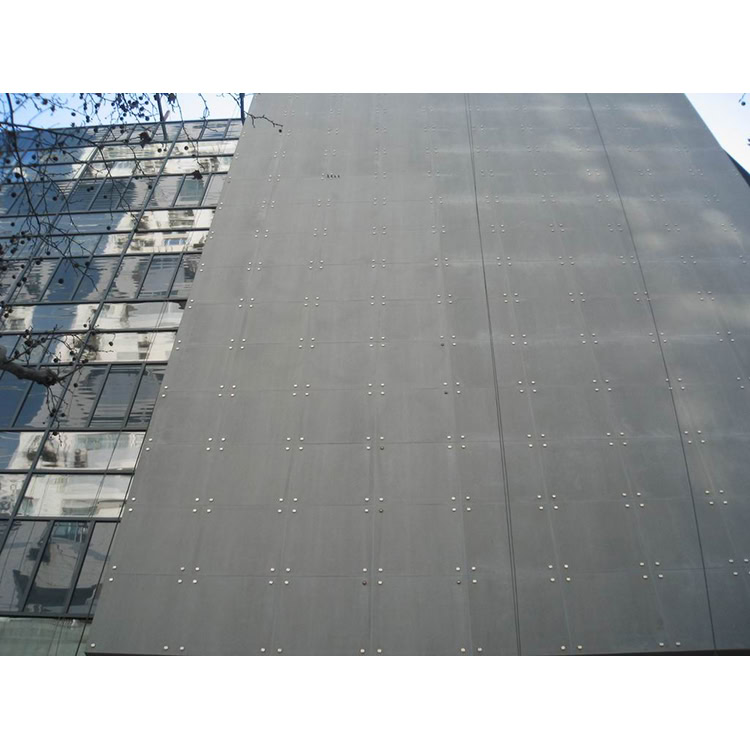
I increasingly see homeowners prioritizing pest resistance as part of overall property maintenance planning.
Small installation gaps can create major long-term problems.
Common Pest Entry Areas
| Vulnerable Area | Possible Pest Risk |
|---|---|
| Open joints | Rodent entry |
| Vent openings | Insect access |
| Ground-level gaps | Moisture and pest intrusion |
Perimeter detailing is critical.
Effective Pest Prevention Methods
| Prevention Method | Purpose |
|---|---|
| Seal all panel joints | Block access paths |
| Install screened vents | Maintain airflow while preventing entry |
| Maintain ground clearance | Reduce moisture attraction |
Good detailing improves overall protection.
Why Maintenance Is Necessary
| Maintenance Task | Benefit |
|---|---|
| Regular inspections | Early problem detection |
| Cleaning debris buildup | Reduced nesting risk |
| Repairing damaged areas | Maintained barrier integrity |
Preventive maintenance reduces larger repair costs.
Why Dense Fiber Cement Helps
| Fiber Cement Characteristic | Pest Control Benefit |
|---|---|
| Dense composition | Difficult to chew through |
| Inorganic material | Resistant to rot |
| Stable structure | Long-term durability |
Material density improves physical protection.
Why Customers Now Expect Multi-Function Exterior Systems
| Traditional Skirting Expectations | Modern Exterior Protection Expectations |
|---|---|
| Basic concealment | Full environmental barrier |
| Simple appearance improvement | Integrated moisture and pest control |
| Temporary low-cost solutions | Long-term durable systems |
Exterior systems increasingly combine multiple functions.
The Larger Market Evolution
| Traditional Building Material Supply | Modern Residential Protection Solutions |
|---|---|
| Single-product sales | System-based environmental solutions |
| Basic construction support | Long-term performance consulting |
| Material competition | Functional integration competition |
I increasingly see fiber cement evolving from a wall material into a broader environmental protection solution for modern residential construction.
Conclusion
At TRUSUS, I see fiber cement board applications expanding far beyond traditional wall cladding into foundation protection, environmental control, and residential durability systems. Future market leadership will depend on installation expertise, environmental adaptation knowledge, moisture management capability, and the ability to provide integrated long-term exterior protection solutions.