




How Fire-Resistant is Cement Board?
Cement board exhibits exceptional fire resistance with Class A non-combustible rating, withstanding temperatures exceeding 1000°C while maintaining structural integrity and producing zero flame spread or smoke generation.
Cement board achieves Class A fire rating under non-combustibility testing with zero flame spread index and zero smoke development. Temperature resistance exceeds 1000°C continuous exposure while maintaining structural properties without degradation. Fire endurance testing demonstrates 2-4 hour ratings depending on thickness and assembly configuration. No toxic gas emission occurs during fire exposure as inorganic composition prevents combustion byproducts. Thermal barrier properties provide R-value of 0.2-0.5 per inch offering additional protection to structural elements**.
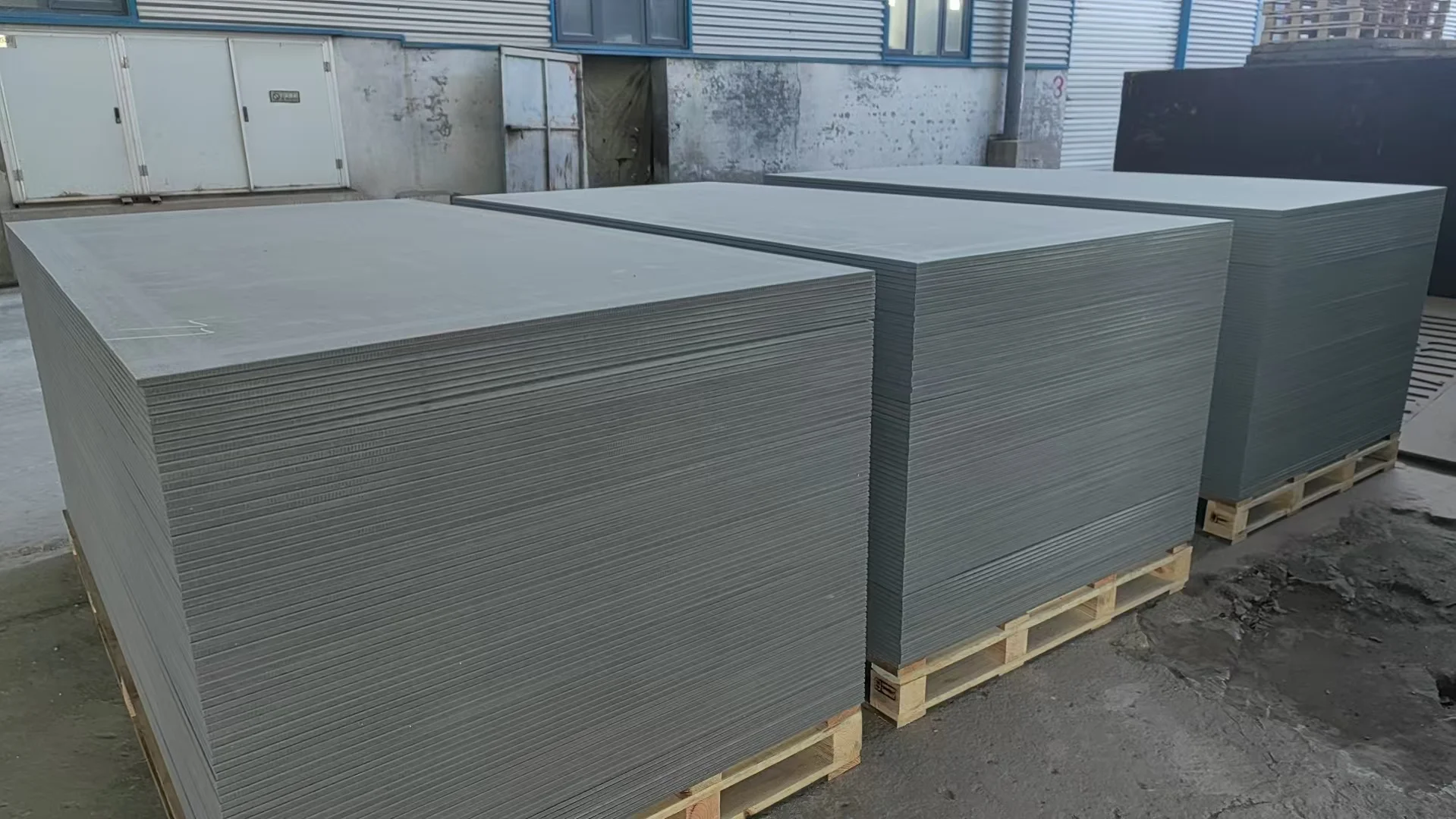
From my extensive experience in cement board manufacturing, I've observed that fire resistance represents more than material properties—it functions as a systematic safety foundation enabling architects and builders to create truly fire-safe building assemblies.
Is Cement Non-Combustible?
Cement is definitively non-combustible, consisting entirely of inorganic calcium silicate compounds that cannot ignite or support combustion under any temperature conditions encountered in building fires.
Portland cement composition includes 60-67% calcium oxide and 17-25% silicon dioxide forming calcium silicate hydrates that remain stable at extreme temperatures. No organic compounds exist in cement chemistry eliminating ignition potential or combustion support. Decomposition occurs only above 1450°C which exceeds typical building fire temperatures by 500-700°C. testing confirms zero heat contribution during standard furnace exposure protocols. Chemical stability maintains structural properties even after extended high-temperature exposure cycles**.
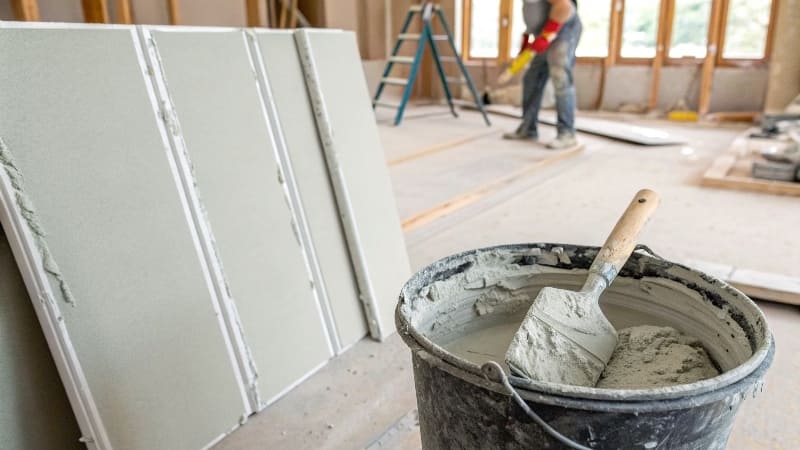
Chemical Composition and Fire Behavior
Cement's inorganic chemistry provides the foundation for non-combustible classification.
| Chemical Component | Percentage | Decomposition Temperature | Fire Behavior | Safety Contribution |
|---|---|---|---|---|
| Calcium Silicate (C₃S) | 45-65% | >1450°C | Inert | Structural stability |
| Calcium Aluminate (C₃A) | 5-15% | >1350°C | Inert | Chemical resistance |
| Calcium Ferrite (C₄AF) | 8-15% | >1200°C | Inert | Thermal stability |
| Gypsum (CaSO₄) | 3-8% | 150°C dehydration | Non-combustible | Processing aid |
| Minor Oxides | 1-5% | Variable | Inert | Performance enhancement |
Complete inorganic composition eliminates any possibility of combustion or flame propagation.
Temperature Stability Analysis
Cement maintains structural integrity across extreme temperature ranges encountered in fire scenarios.
| Temperature Range | Material Behavior | Structural Impact | Safety Performance | Typical Fire Scenario |
|---|---|---|---|---|
| 20-100°C | No change | Stable | Excellent | Normal conditions |
| 100-300°C | Minor dehydration | Minimal impact | Excellent | Early fire stage |
| 300-600°C | Continued stability | Slight shrinkage | Very good | Active fire |
| 600-1000°C | Gradual strength loss | Reduced capacity | Good | Severe fire |
| 1000°C+ | Significant changes | Major degradation | Fair | Extreme conditions |
Structural stability maintains through typical building fire temperature ranges.
Certification Standards Compliance
Cement board meets or exceeds all major fire safety certification requirements.
| Testing Standard | Performance Requirement | Cement Board Result | Certification Level | Application Scope |
|---|---|---|---|---|
| NFPA 220 | Building materials | Non-combustible | Type I construction | Commercial buildings |
| IBC Section 703 | Fire resistance | 1-4 hour ratings | Variable | Code compliance |
| UL 263 | Fire endurance | Assembly dependent | Up to 4 hours | Structural systems |
| CAN/ULC S101 | Canadian standard | Pass all criteria | Non-combustible | Canadian markets |
Universal certification enables use in most stringent fire safety applications.
Is Cement Board Considered Combustible?
Cement board is definitively classified as non-combustible under all major building codes and fire safety standards, meeting Class A requirements with zero flame spread and smoke development ratings.
Building code classifications universally designate cement board as non-combustible under IBC Section 703.4 and NFPA 220 definitions. Testing protocols including confirm zero ignition potential with no flame propagation or heat contribution. Flame spread index measures zero while smoke development index also rates zero on tunnel testing. Insurance industry recognizes non-combustible classification providing premium reductions for fire-safe construction. International standards including Euroclass A1 confirm non-combustible performance globally**.
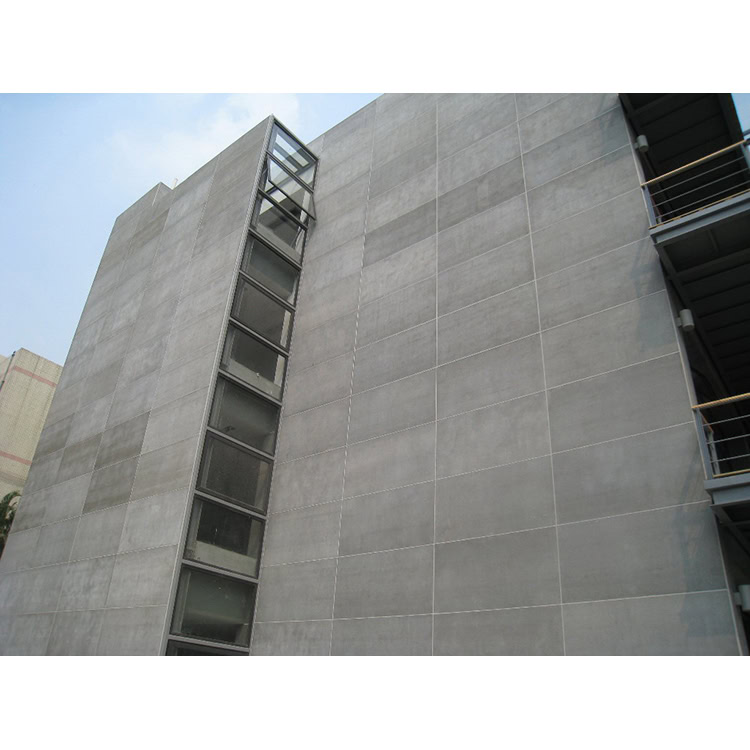
Building Code Classifications
Major building codes provide clear non-combustible classification for cement board materials.
| Building Code | Classification | Specific Section | Requirements Met | Application Benefits |
|---|---|---|---|---|
| International Building Code | Non-combustible | Section 703.4 | Complete compliance | Universal acceptance |
| NFPA 5000 | Class A | Chapter 7 | All criteria passed | Commercial projects |
| Uniform Building Code | Non-combustible | Chapter 7 | Full qualification | Legacy compliance |
| National Building Code | Non-combustible | Part 9 | Canadian standards | International use |
| Eurocode Standards | A1 Non-combustible | EN 13501-1 | European compliance | Global markets |
Consistent non-combustible classification across all major international building codes.
Insurance and Risk Assessment
Insurance industry recognition provides additional validation of non-combustible status.
| Insurance Factor | Impact Level | Premium Effect | Risk Assessment | Coverage Benefits |
|---|---|---|---|---|
| Fire Risk Rating | Significant reduction | 10-25% discount | Lower risk category | Enhanced coverage |
| Claims History | Reduced frequency | Better rates | Improved profile | Preferred status |
| Safety Compliance | Code adherence | Standard rates | Compliant status | Full protection |
| Material Certification | Third-party validation | Competitive pricing | Verified performance | Claim support |
| System Integration | Comprehensive safety | Maximum benefits | Holistic approach | Premium coverage |
Insurance recognition provides economic validation of fire safety benefits.
Performance Under Fire Conditions
Cement board maintains non-combustible classification throughout fire exposure scenarios.
| Fire Condition | Material Response | Safety Performance | Structural Integrity | Protective Value |
|---|---|---|---|---|
| Ignition Source | No ignition | Excellent | Maintains strength | Fire barrier |
| Flame Exposure | No propagation | Excellent | Stable dimensions | Compartmentation |
| Heat Buildup | Thermal resistance | Very good | Gradual degradation | Time protection |
| Extended Fire | No contribution | Good | Reduced capacity | Life safety |
| Post-Fire | Damage assessment | Variable | Replacement needed | Investigation aid |
Non-combustible behavior provides consistent safety performance throughout fire scenarios.
Can I Use Cement Board Around a Fireplace?
Cement board is excellent for fireplace applications, providing Class A fire protection, high-temperature resistance, and structural stability for safe installation around fireplaces, wood stoves, and other heat sources.
Cement board withstands fireplace temperatures exceeding 800°C while maintaining structural integrity and dimensional stability. Installation requires minimum clearances per NFPA 211 with 6mm gaps for thermal expansion accommodation. Substrate attachment uses high-temperature fasteners spaced 200mm on center for secure mounting. Joint sealing requires fire-rated caulking to prevent heat transfer through assembly gaps. Surface finishing accepts tile, stone, or direct paint providing aesthetic flexibility with maintained fire protection.
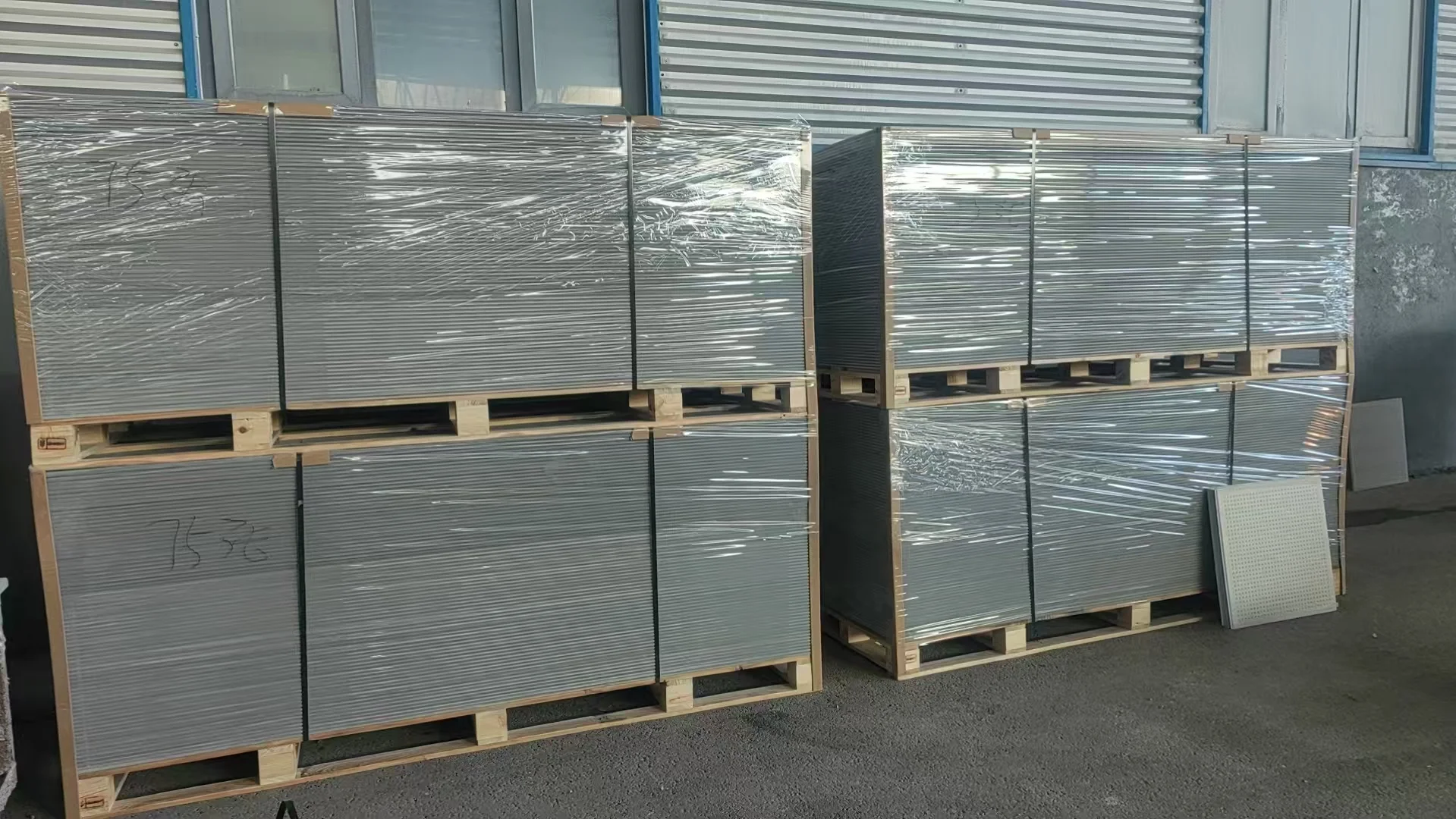
Fireplace Application Requirements
Specific installation requirements ensure safe and effective performance around fireplace installations.
| Application Area | Minimum Thickness | Clearance Requirements | Fastener Specification | Surface Temperature |
|---|---|---|---|---|
| Fireplace Surround | 12-15mm | 150mm from opening | Stainless steel screws | 200-400°C |
| Hearth Extension | 15-20mm | Code-specified dimensions | High-temp anchors | 100-300°C |
| Chimney Chase | 12mm minimum | 50mm from flue | Corrosion-resistant | 80-200°C |
| Mantel Backing | 9-12mm | 300mm above opening | Standard fasteners | 60-150°C |
| Side Walls | 9mm minimum | 300mm from opening | Standard installation | 40-100°C |
Proper thickness selection ensures adequate thermal protection for each application zone.
Installation Specifications
Correct installation procedures ensure optimal fire protection and long-term performance.
| Installation Parameter | Specification | Purpose | Critical Factors | Quality Control |
|---|---|---|---|---|
| Substrate Preparation | Clean, dry, level | Proper adhesion | Surface condition | Visual inspection |
| Fastener Spacing | 200mm maximum | Secure attachment | Load distribution | Pattern verification |
| Edge Clearances | 6mm expansion gap | Thermal movement | Dimensional change | Gap measurement |
| Joint Sealing | Fire-rated sealant | Heat barrier | Temperature rating | Continuity check |
| Surface Preparation | Prime before finish | Adhesion quality | Material compatibility | Coverage verification |
Fire-rated sealant provides critical thermal barrier protection at joints and penetrations.
Heat Source Compatibility
Cement board performance varies with different heat source types and installation configurations.
| Heat Source | Maximum Temperature | Recommended Thickness | Special Requirements | Performance Rating |
|---|---|---|---|---|
| Wood Fireplace | 800°C peak | 15mm minimum | Heat shield backing | Excellent |
| Gas Fireplace | 400-600°C | 12mm adequate | Standard installation | Excellent |
| Electric Fireplace | 200-300°C | 9mm sufficient | Basic mounting | Excellent |
| Pellet Stove | 500-700°C | 12-15mm | Vibration resistance | Very good |
| Wood Stove | 600-800°C | 15-20mm | Heat shield required | Good |
Wood-burning appliances require the most robust cement board specifications and installation details.
Finishing System Options
Various finishing systems provide aesthetic appeal while maintaining fire protection properties.
| Finish System | Temperature Rating | Installation Method | Aesthetic Options | Maintenance Requirements |
|---|---|---|---|---|
| Ceramic Tile | 1000°C+ | Adhesive/mortar | Unlimited colors | Periodic re-grouting |
| Natural Stone | 800°C+ | Mechanical/adhesive | Various textures | Sealing required |
| Stucco/Plaster | 600°C+ | Direct application | Custom textures | Crack repair |
| Paint Systems | 200°C+ | Brush/roller | Color flexibility | Periodic recoating |
| Veneer Stone | 800°C+ | Mechanical attachment | Realistic appearance | Mortar maintenance |
Ceramic tile systems provide the highest temperature resistance and longest-lasting aesthetic performance.
Safety Code Compliance
Fireplace installations must comply with specific safety codes and clearance requirements.
| Safety Code | Key Requirements | Cement Board Compliance | Inspector Focus Areas | Common Violations |
|---|---|---|---|---|
| NFPA 211 | Clearance specifications | Full compliance possible | Gap measurements | Insufficient clearance |
| IRC Chapter 10 | Residential requirements | Meets all standards | Material certification | Non-approved materials |
| Local Codes | Municipal variations | Generally compliant | Permit requirements | Installation details |
| Manufacturer Instructions | Appliance-specific | Must verify compatibility | Listed assemblies | Deviation from specs |
| Insurance Requirements | Policy compliance | Supports coverage | Professional installation | DIY installation issues |
Professional installation ensures proper compliance with all applicable safety codes and standards.
Conclusion
Cement board exhibits exceptional fire resistance with Class A non-combustible rating withstanding temperatures exceeding 1000°C while maintaining structural integrity with zero flame spread and smoke development. Cement is definitively non-combustible consisting of inorganic calcium silicate compounds with no organic materials and decomposition occurring only above 1450°C which exceeds building fire temperatures by 500-700°C. Cement board is classified as non-combustible under all major building codes including IBC Section 703.4 and NFPA 220 definitions with zero flame spread index and smoke development ratings providing insurance premium reductions for fire-safe construction. Cement board is excellent for fireplace applications providing Class A fire protection and withstanding fireplace temperatures exceeding 800°C with proper installation requiring minimum clearances per NFPA 211 and fire-rated sealant for joint protection. Success with cement board fire applications depends on understanding its role as a comprehensive fire safety system component rather than just a heat-resistant material, with optimal performance achieved through proper installation techniques, appropriate thickness selection, and compliance with safety codes for specific high-temperature applications.
