




How Does the Lifespan and Durability of Pre-colored Fiber Cement Board Compare to Traditional Exterior Painting?
Pre-colored fiber cement boards last up to three times longer than traditional painted surfaces because color is fused into the board structure during production, not just applied as a coating.
TRUSUS insight: true color durability comes from fusion, not coverage.
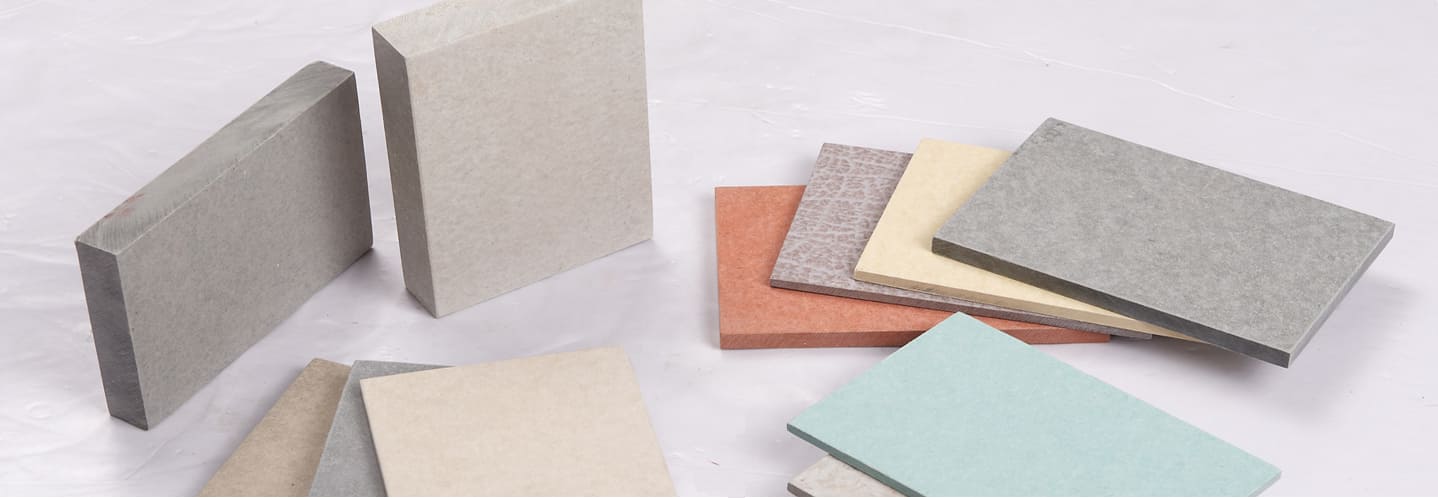
Factory coloring bonds pigments with high-temperature curing. That turns color into part of the material, resisting peeling and fading. Exterior paints, depending on weather and UV strength, last 3–5 years; pre-colored boards stay vibrant for 15 years or more.
How Do Pre-colored Fiber Cement Boards Stand Up to Harsh Weather?
Pre-colored fiber cement boards balance light reflection, absorption, and moisture release. They do not fight the environment—they adjust naturally through engineered stabilizers that respond flexibly to heat and humidity.
climate insight: resistance is not confrontation—it is coordination between material and weather.

Weather Performance Matrix
| Weather Factor | Painted Surface Result | Pre-colored Board Result | Durability Difference |
|---|---|---|---|
| UV exposure | Fades quickly | Controlled light absorption | +200% color life |
| Acid rain or salt | Surface corrosion | Slow-release protection layer | Stable tone |
| Temperature shift | Paint cracks | Flexible binder reaction | Maintains integrity |
Balanced Material Design
| Property | Function | Benefit |
|---|---|---|
| UV-stable pigments | Resists sunlight degradation | Long-term tone retention |
| Hydrophobic additives | Blocks moisture intrusion | Prevents efflorescence |
| Dense surface bonding | Eliminates peeling | Consistent performance |
Harsh weather is no longer the enemy. Intelligent chemistry makes color endurance part of the board’s structure.
Why Does Factory-Applied Color Last Longer Than On-Site Exterior Paint?
Factory-applied color lasts longer because it is heat-cured, sealed, and chemically integrated during manufacture, unlike site painting, which faces humidity, temperature swings, and human inconsistency.
technical insight: controlled factory curing replaces guesswork with precision.
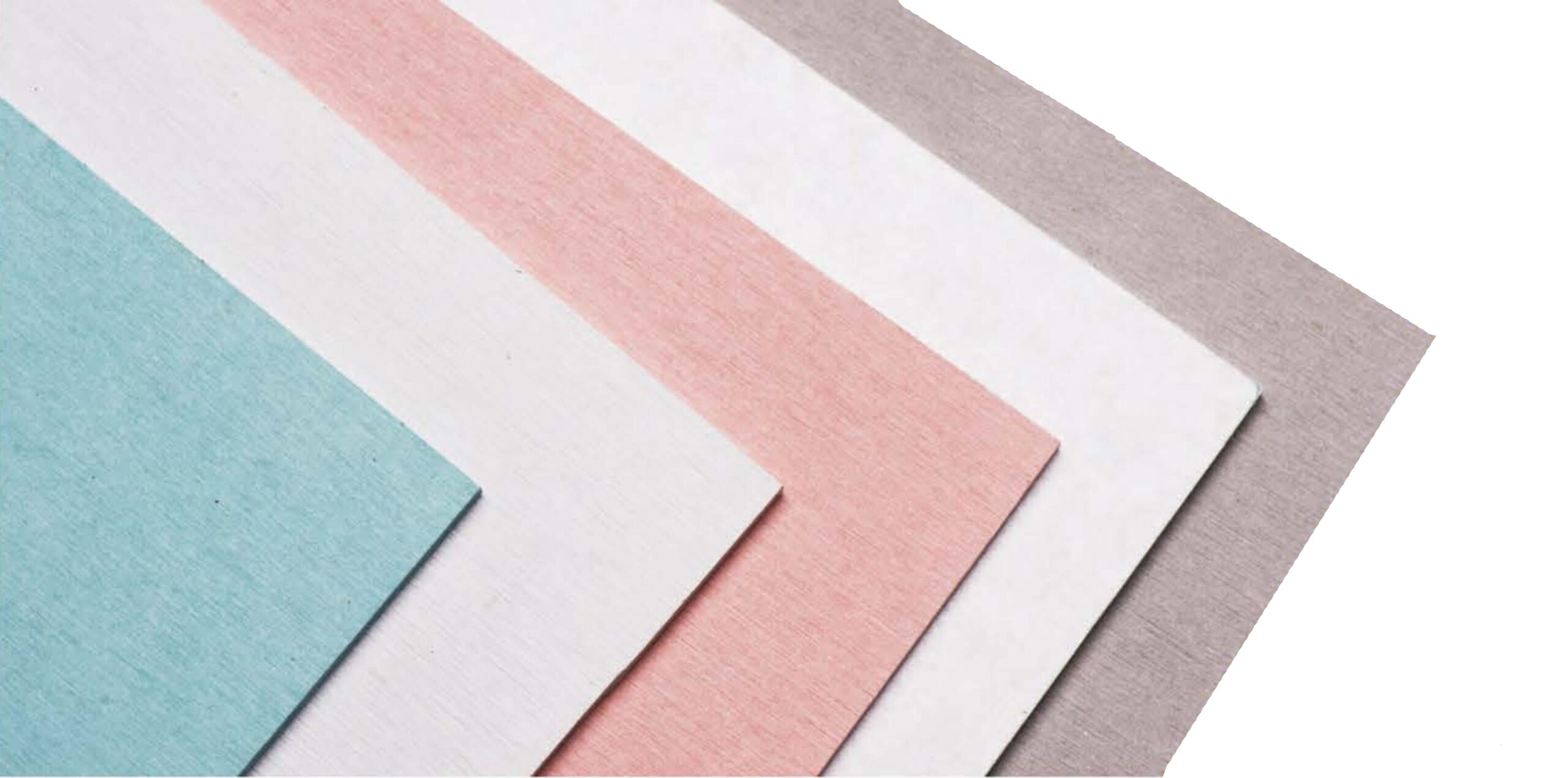
Color Layer Comparison
| Process | Application Environment | Bonding Strength | Expected Life |
|---|---|---|---|
| Site Paint | Outdoor, variable weather | Surface coating | 3–5 years |
| Factory Finish | Controlled curing temperature | Material fusion | 15+ years |
Production Advantage
| Phase | Result | Value |
|---|---|---|
| High-pressure compaction | Dense pigment distribution | Uniform color |
| UV sealer coat | Reflective stability | Prevents oxidation |
| Automated control | No dust exposure | Predictable performance |
When color grows from the material itself, it ages slowly, evenly, and predictably.
Can Pre-colored Siding Really Save 30% on Labor Time?
Yes. Pre-colored cement siding eliminates on-site painting steps, weather delays, and drying time. It arrives finished and ready to install, cutting total project labor by up to one-third.
project insight: saved hours are saved money—the simplest form of profit.
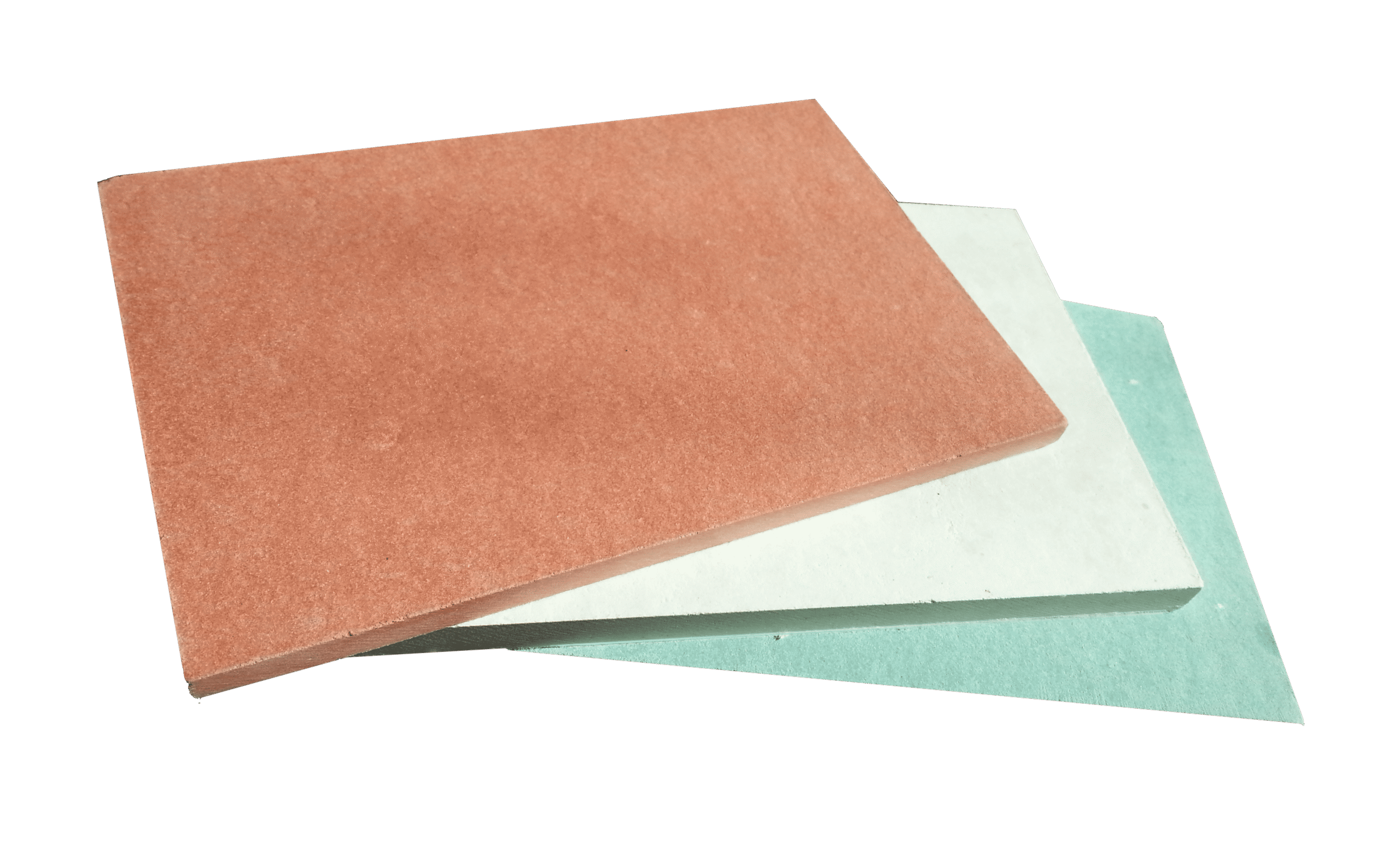
Time-Saving Analysis
| Task | Traditional Painted Panels | Pre-colored Panels | Time Saved |
|---|---|---|---|
| Priming | Required | Not needed | 1 day |
| Paint coating | Multi-layer | Factory complete | 2–3 days |
| Weather-dependent drying | Unavoidable | None | Variable |
| Total Install Cycle | 7–10 days | 4–5 days | ≈30% faster |
Economic Impact
| Factor | Description | Business Benefit |
|---|---|---|
| Labor reduction | Fewer crew hours | Lower labor cost |
| Weather control | Installation anytime | Reliable scheduling |
| Consistency | Factory color uniformity | High visual quality |
Pre-colored siding shifts exterior finishing from a variable craft step into an industrialized, predictable process.
Conclusion
Pre-colored fiber cement boards prove that longevity and beauty can coexist. Their factory-fused color withstands years of sun, rain, and salt without fading, all while saving serious labor time during installation. TRUSUS sees this as more than just product evolution—it’s the shift from painting as decoration to color as structure, where durability becomes a visible part of design itself.
