



How Does Fiber Cement Board Perform During An Earthquake?
Fiber cement board performs well during earthquakes due to its light weight and semi‑flexible strength. It can absorb vibration and resist cracking when installed on a flexible frame.
TRUSUS seismic insight: strength is safety, but flexibility is survival.
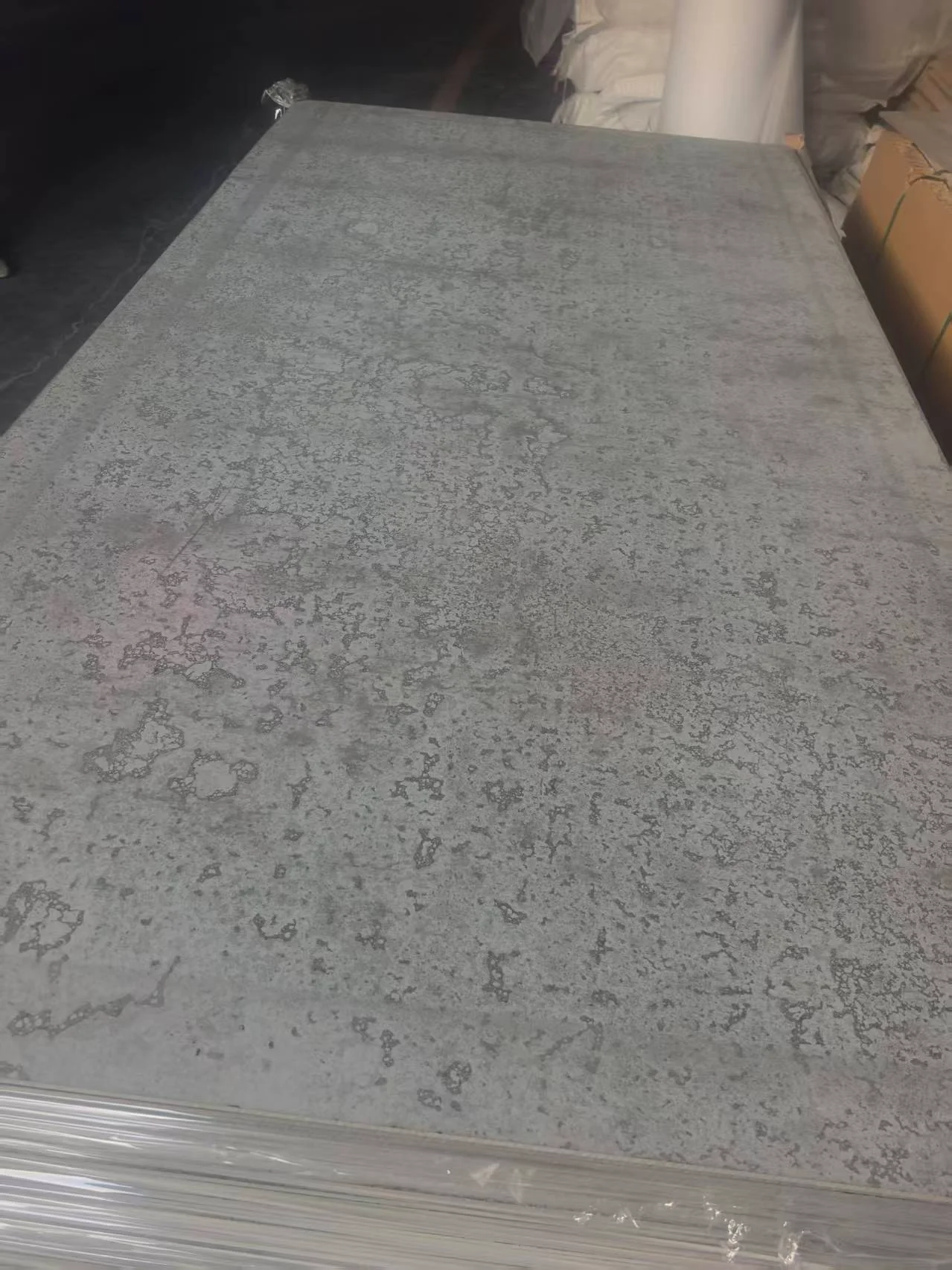
During ground motion, the board’s high tensile capacity and moderate elasticity allow minor movement without failure. When paired with proper framing and connectors, the system dissipates energy and protects structural walls from brittle fracture.
Are Flexible Joints Required For Fiber Cement Board In Seismic Zones?
Yes, flexible joints and sealants are required in seismic zones. They let the board move slightly with the structure, preventing cracks and detachment.
TRUSUS engineering insight: walls that move together stay together.
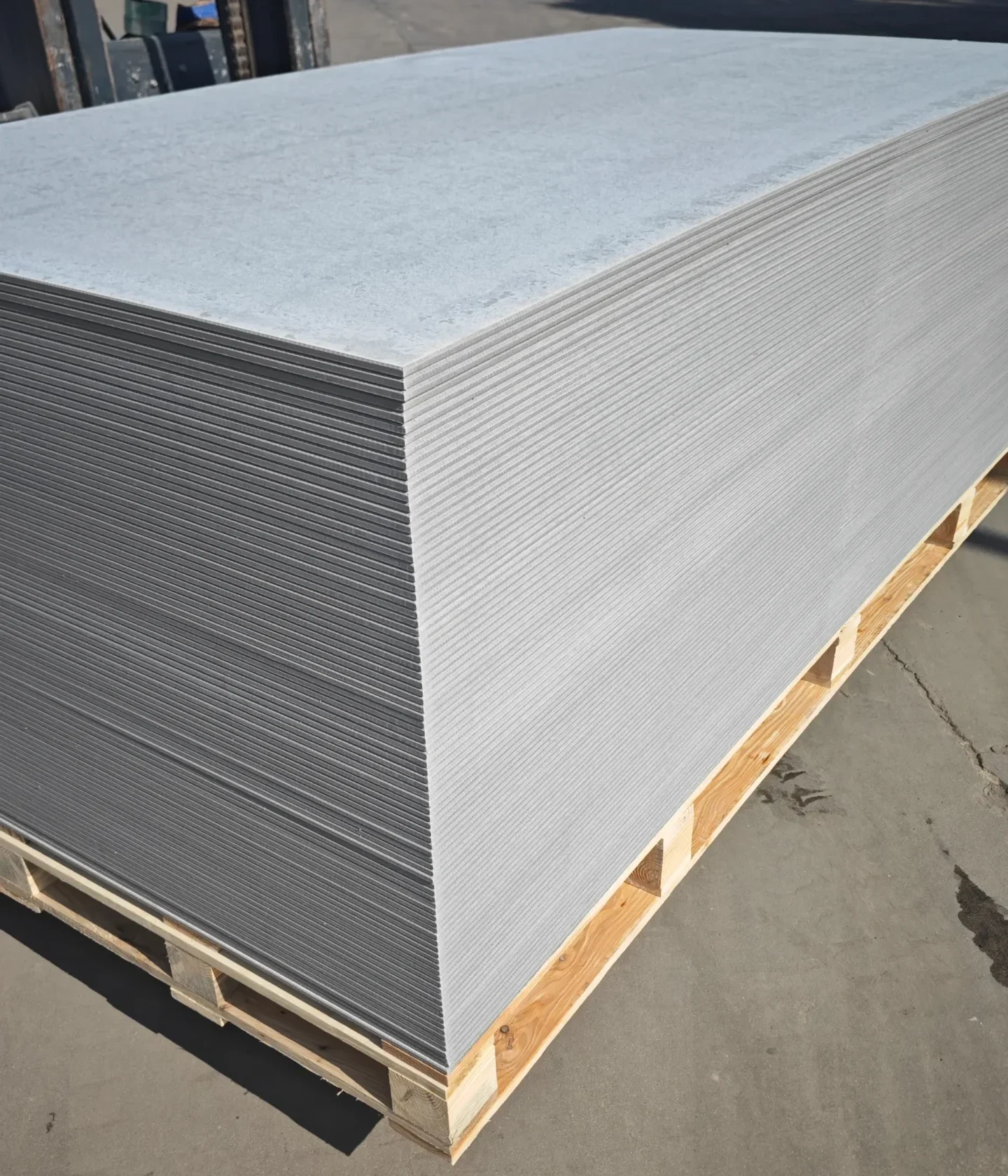
Seismic Joint Configuration
| Component | Function | Recommendation |
|---|---|---|
| Expansion joints | Allow differential motion | 6–10 mm spacing between panels |
| Soft sealant | Absorbs shear stress | High‑elastic silicone or polyurethane |
| Flexible frame brackets | Distribute load evenly | Adjustable anchor systems |
| Corner detailing | Reduce concentrated strain | Reinforced edge tape |
I worked with an installer in a Chilean coastal region—after a moderate quake, flexible joint panels remained intact while rigid installations nearby fractured. Adaptability proved smarter than stiffness.
Does Cement Board Cladding Reduce Structural Risk During Tremors?
Yes, fiber cement cladding reduces risk by lowering wall mass and transferring less lateral force during tremors. Lightweight walls reduce strain on beams and support columns.
TRUSUS structural insight: less weight means less impact.

Seismic Risk Comparison
| Material Type | Approx. Weight (kg/m²) | Structural Behavior | Seismic Performance |
|---|---|---|---|
| Masonry wall | 180–220 | High stiffness, brittle | Cracks and spalls easily |
| Concrete block | 140–180 | Rigid load distribution | Limited damping |
| Fiber cement board | 50–70 | Moderate stiffness, flexible | Absorbs vibration effectively |
| Lightweight composite | 40–60 | Very flexible | Best for non‑structural façades |
I observed a project retrofitted with cement board in an earthquake‑prone zone. The lighter envelopes caused fewer damages, and maintenance costs after tremors dropped by half.
Is Fiber Cement Board Safer Than Masonry In Earthquake Areas?
Yes, fiber cement board systems are generally safer than masonry walls in seismic regions. They emphasize flexibility over sheer mass, reducing collapse risk.
TRUSUS safety insight: resilience saves what rigidity breaks.
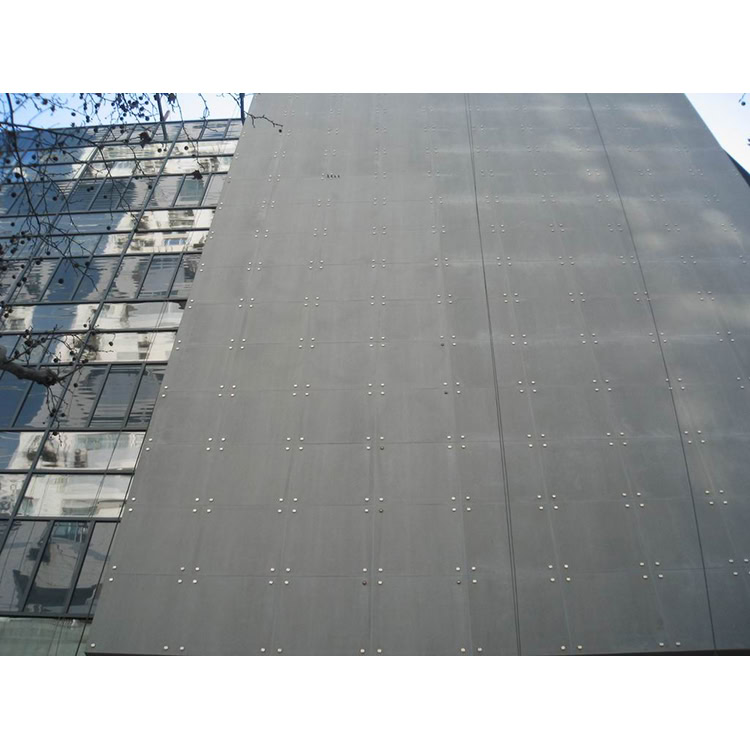
Safety Comparative Table
| Factor | Fiber Cement Board | Masonry |
|---|---|---|
| Weight | Light | Heavy |
| Crack resistance | High | Low |
| Energy absorption | Good | Poor |
| Collapse tendency | Minimal | High |
| Post‑quake repair | Easy panel replacement | Full rebuild often needed |
Across tests in New Zealand and Japan, light façades using cement boards consistently outlasted traditional brick finishes under seismic loads. When walls breathe, buildings endure.
Conclusion
At TRUSUS, I see fiber cement not only as a façade but as a safety philosophy. In seismic areas, true protection lies in systems that bend without breaking—light, tough, and ready to survive every tremor.